




Victorian Oriental Bronze
These Victorian oriental bronze pieces combine European nineteenth century tastes with Asian craftsmanship to create striking display objects for the home.
Victorian Oriental Bronze
When you search for Victorian oriental bronze, you encounter a fascinating cross-cultural exchange manifested in metalwork, decorative vases, and utilitarian objects from the nineteenth century. The items on this page lean heavily towards Japanese Meiji period pieces, Chinese export wares, and items influenced by the Japonisme movement.
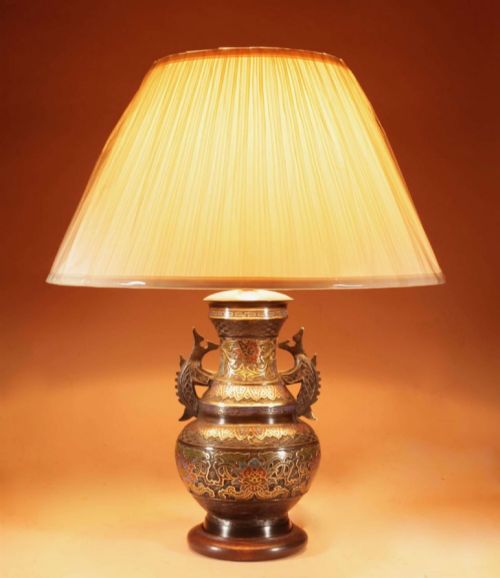
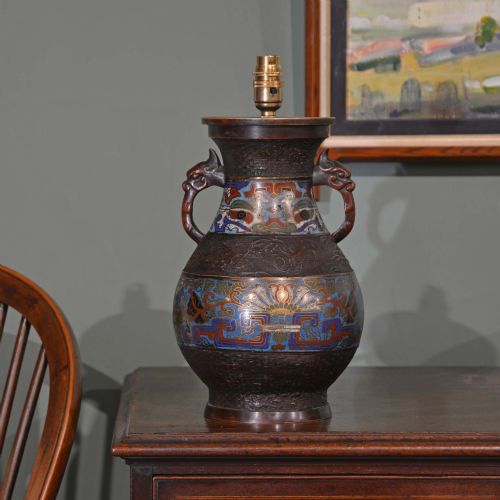
The most common forms you will meet include table lamps, decorative vases, ritual vessels such as the Gu, and heavy planter bowls or jardinieres. These objects often display intricate castings alongside enamel work, bringing distinct aesthetic traditions into nineteenth century British interiors.
Materials and Construction
The primary material underpinning these objects is bronze, frequently accented with cloisonné or champlevé enamel to introduce vibrant colour panels across the metal surface. Makers also utilised brass, gilt bronze, and ormolu mounts, particularly when pairing Asian vessels with European lamp bases or furniture.
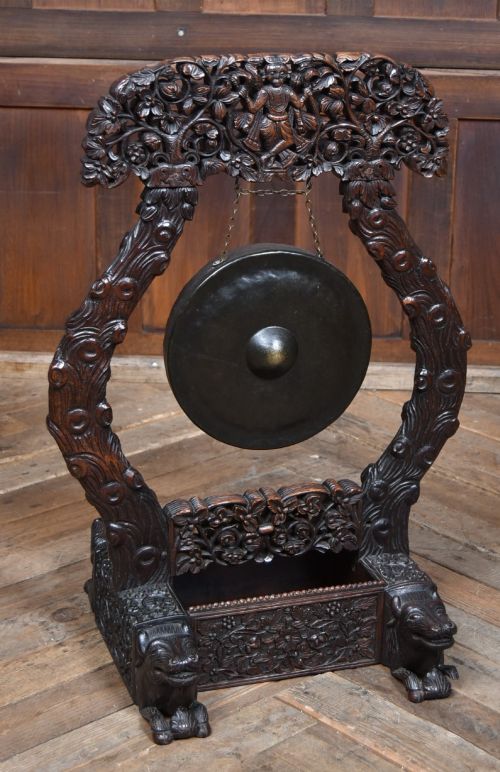
Casting techniques varied from detailed ritual vessel reproductions to robust domestic planters and dinner gongs. Artisans combined traditional metalworking methods with woodwork, hardwood details, and occasionally fabric or lacquer elements in related pieces.
The inventory combines Victorian pieces with Japanese Meiji and Edo periods, alongside Chinese Qing dynasty items.
Assessing Quality in Metalwork
Quality in these pieces rests heavily upon the crispness of the bronze casting and the precision of the decorative details. Superior examples exhibit sharply defined motifs, secure joints, and well-executed enamelling without irregular pooling or surface pitting.
The integration of materials also dictates the standard of the piece, such as the harmonious pairing of porcelain and ormolu or the careful mounting of antique bronze vessels as table lamps. Weight, balance, and the depth of the original patina separate standard decorative items from exceptional works.
Gabriel Viardot
The Victorian Oriental Bronze Glossary
- Japonisme
- The influence of Japanese art on Western tastes, particularly prominent in nineteenth century design. This movement inspired European makers to incorporate Asian motifs and forms into their own decorative arts.
- Cloisonné
- An enamelwork technique where thin metal wires are soldered to the metal base to create compartments filled with enamel paste. These are subsequently fired and polished to a smooth finish.
- Jardiniere
- A decorative planter bowl designed to hold potted plants or floral arrangements. They appear frequently in bronze and enamel across this inventory.
- Meiji Period
- A Japanese historical era spanning from 1868 to 1912, associated with increased trade and the export of metalwork to Western markets. Many bronze vases and lamps date from this era.
- Champlevé
- An enamelling technique where troughs or cells are carved directly into the bronze body and filled with enamel before firing. It differs from cloisonné by utilising recessed channels rather than applied surface wires.
Victorian Oriental Bronze: Frequently Asked Questions
What is Victorian oriental bronze?
These are nineteenth century decorative objects made in bronze that reflect Asian artistic traditions, particularly from Japan and China, produced during the Victorian era.
Many of these items arrived in Britain through increased trade and the growing popularity of Eastern aesthetics in interior design.
How were these bronze pieces used?
They served multiple functions in nineteenth century homes, ranging from pure decorative display to practical household items.
You will find them configured as table lamps, planter bowls for indoor greenery, incense burners, and ceremonial dinner gongs.
How do I identify the Meiji period?
Meiji period items correspond to Japanese manufacturing between 1868 and 1912, often identified through distinct casting styles and export documentation.
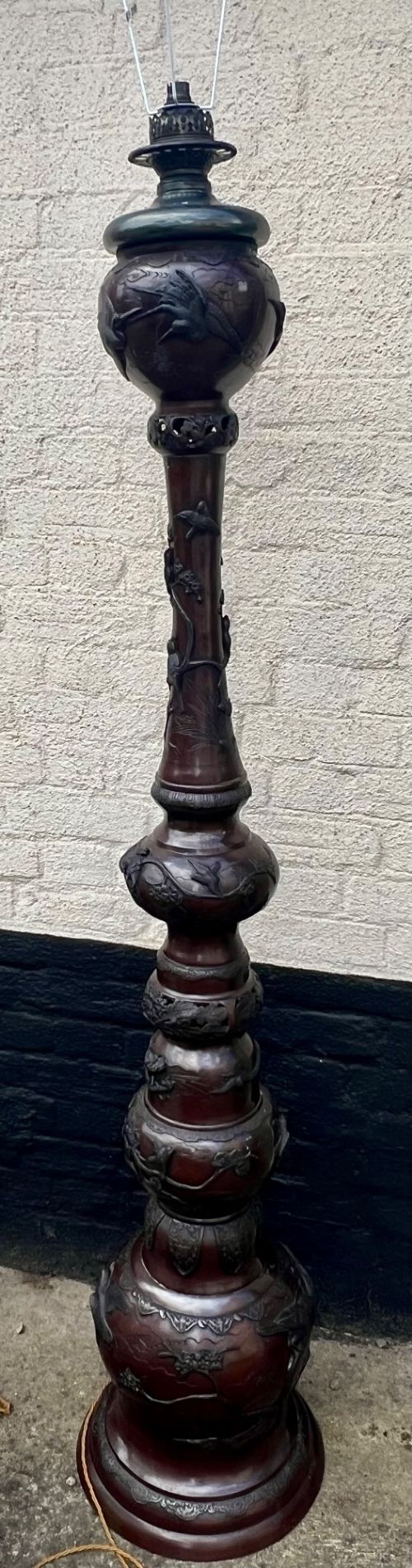
They frequently appear alongside Victorian mounting or conversions, such as nineteenth century electrical wiring added to former oil lamps.
Are these items purely decorative?
While many were created as ornamental vases, altarpieces, or ritual vessels, a significant number had practical domestic applications.
Jardinieres held plants, gongs summoned households to dinner, and censers burned incense, allowing modern owners to continue using them functionally.
How do I care for antique bronze?
Antique bronze requires minimal intervention to preserve its natural patination and fragile enamel or gilt surfaces.
Dust gently with a dry cloth and avoid chemical metal polishes that can strip away centuries of historical wear and finish.