




Brass Dragon Urn
These brass dragon urn and related vessel forms bring together distinct Victorian, Edwardian, and nineteenth-century metalwork traditions from Asian and European workshops.
Brass Dragon Urn
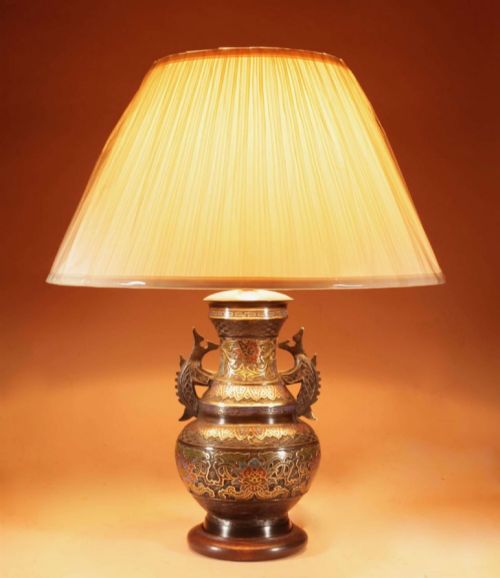
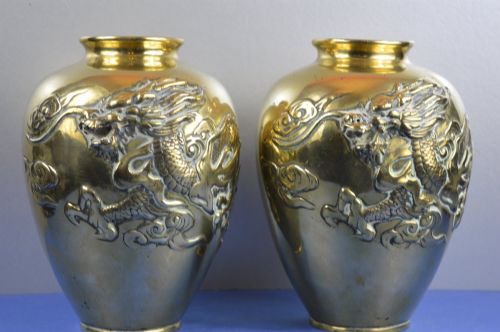
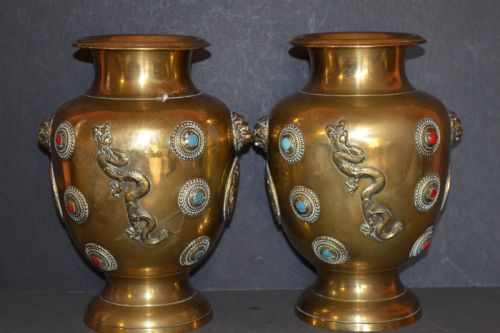
A brass dragon urn draws the eye with fierce reptilian motifs winding around metal bodies, spanning forms like table lamps, jardinieres, and baluster vases.
The pieces you encounter most often on this page date from the nineteenth century, including Victorian creations and items originating from Qing Dynasty China or Meiji Period Japan.
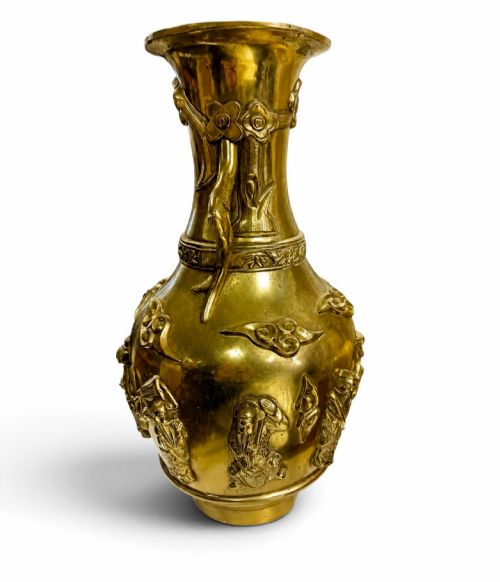
Vessels range from small decorative posy vases to large pairs weighing several kilograms, sometimes incorporating twin-dragon bases or high-relief depictions of Daoist immortals.
Methods and materials of construction
Makers shaped these objects primarily from bronze, brass, and copper alloy, sometimes applying gilt bronze or setting vibrant champlevé and cloisonne enamel directly into the metal surface.
Artisans employed high-relief casting techniques to make intricate dragons and figures stand out clearly against the body of the vase or urn.
Some decorative items integrate additional elements of wood and fabric, particularly in examples adapted later into table lamps.
Listings feature items from the 19th Century, 1870, 1880, 1890, 1900, 1910, and the Edwardian period.
Factors that distinguish finer examples
Quality rests heavily on the crispness of the casting and the depth of the relief work, where sharply defined scales and claws demonstrate superior metalworking skill.
The richness and stability of surface treatments, such as enamelling or gilding, separate standard production pieces from finer items designed for export or domestic display.
The Brass Dragon Urn Glossary
- Champlevé
- An enamelling technique where troughs or cells are carved into the metal surface and filled with vitreous enamel before firing.
- Cloisonne
- A method of decorating metalwork objects with coloured material held in place by thin metal strips soldered to the base.
- Baluster vase
- A tall vessel characterised by a rounded body that tapers toward the base and swells near the lower portion.
- Jardiniere
- An ornamental pot or stand designed specifically to hold plants or floral arrangements.
- Ewer
- A large jug with a wide spout and handle, traditionally used for holding water but often produced purely for display.
Brass Dragon Urn: Frequently Asked Questions
How were brass dragon urns used?
These vessels served primarily as decorative objects within Victorian parlours and overseas trade markets, often displayed in pairs on mantelpieces or tables. Some forms functioned practically as flower urns or posy vases, while others were later adapted into table lamps.
Larger heavier pieces were designed to make a strong visual statement in formal rooms, reflecting contemporary European tastes for Asian and oriental craftsmanship.
Are these pieces purely Chinese?
While many items originate from Qing Dynasty China or the Chinese Republic Period, the selection also includes Japanese Meiji Period metalwork and Tibetan or Nepalese bronze pieces.
Victorian British makers also produced ornate gilt bronze ewers and urns influenced by classical and exotic design motifs popular during the nineteenth century.
How do I tell Victorian from earlier pieces?
Victorian pieces often display distinct European casting styles and patination, alongside hallmarks or manufacturing characteristics typical of nineteenth-century British workshops.
Asian export pieces from the same era typically feature regional reign marks, such as a Xuande base mark, or employ traditional techniques like cloisonne and champlevé enamel.
How should I care for antique bronze?
Maintain antique metal surfaces by dusting them gently with a dry, soft cloth to prevent the accumulation of grit in recessed relief work. Avoid using harsh chemical polishes or abrasive cleaners, which can strip away original patination and delicate surface gilding.
Keep pieces away from direct moisture and extreme temperature fluctuations to preserve the stability of enamel inlays and metal alloys.