
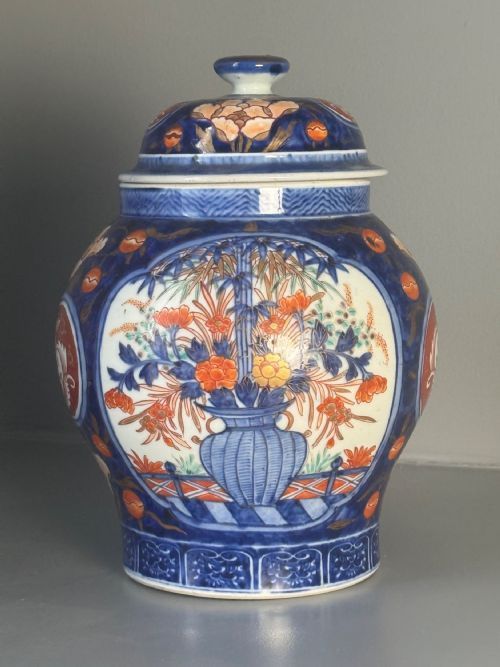


Japanese Lidded Ginger Jars
Japanese lidded ginger jars bring vibrant porcelain and intricate enamel into a room, offering historic ceramic artistry for collectors of Asian antiques.
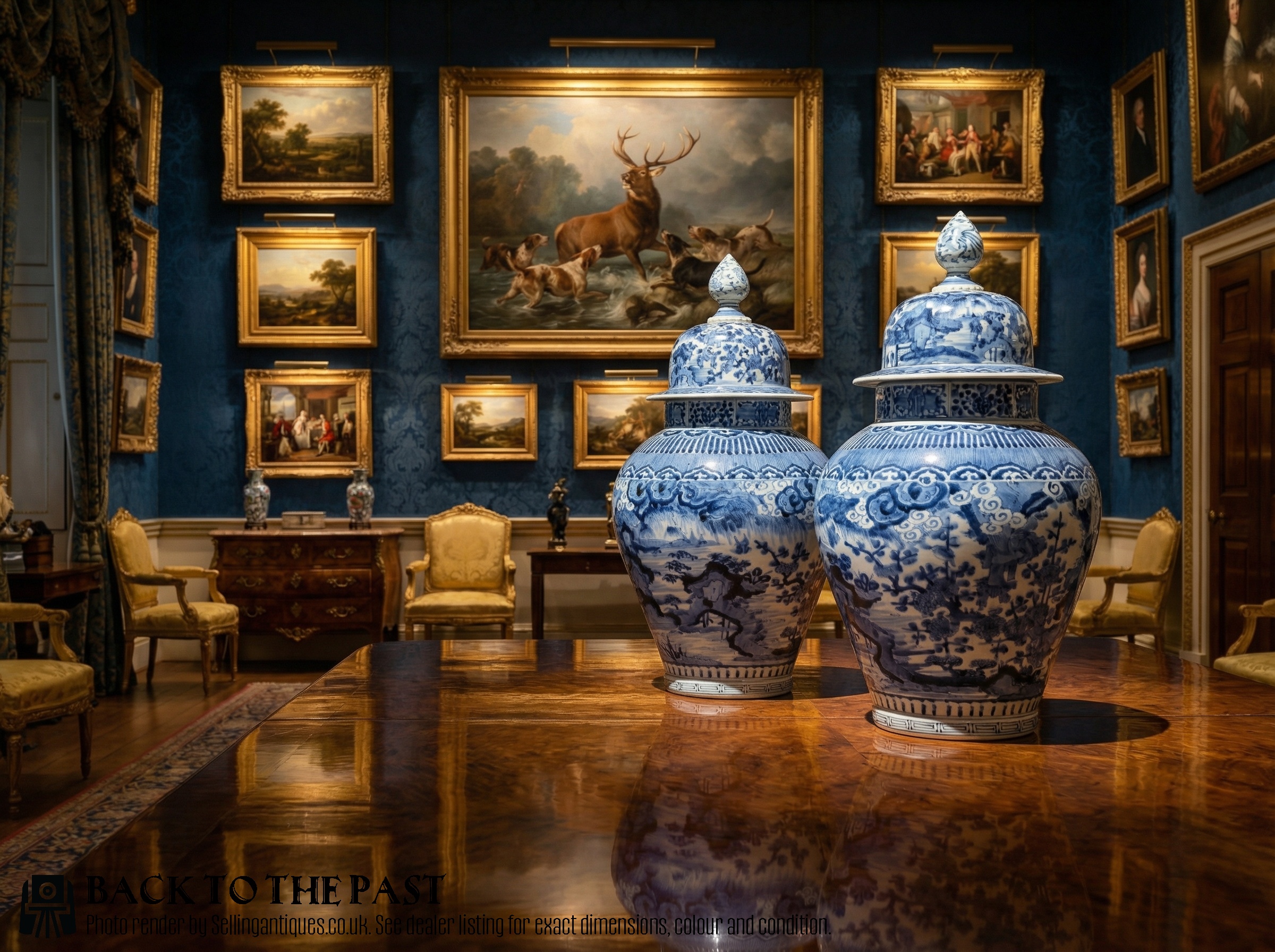
Japanese Lidded Ginger Jars
When you search for Japanese lidded ginger jars, you encounter covered porcelain vessels originating primarily from the nineteenth century, including the Meiji and Edo periods. These pieces often feature traditional forms such as baluster vases and gourd pots designed with matching lids.
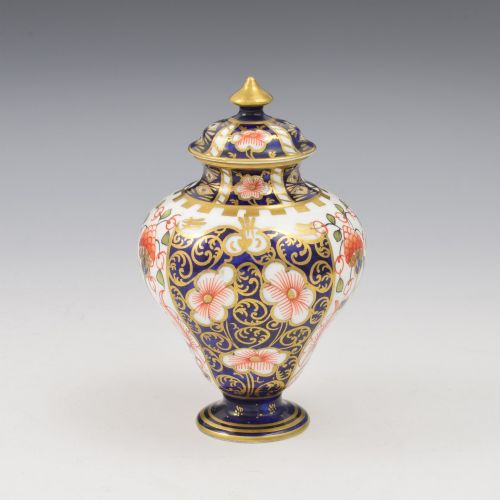
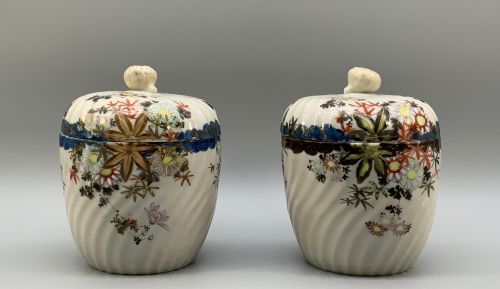
The most common examples on this page display the characteristic Imari palette alongside Satsuma, Kutani, and Arita wares. Artisans shaped these covered jars for decorative display as well as storage, incorporating distinct floral and pictorial motifs across various sizes.
Materials and Techniques
Potters formed these vessels using fine porcelain and earthenware, applying glaze and intricate hand-painted designs in blue and red pigments. Workshops frequently highlighted these ceramic surfaces with gilt, gold leaf, and copper accents.
Makers of cloisonne jars utilised metal wires to create cellular compartments on the body before filling them with enamel. Firing these pieces required precise temperature control to achieve the hard, glossy finishes visible on surviving examples.
Several lidded jars retain their original matching covers after surviving over a century of household dusting.
Distinctions in Quality
The finest examples display crisp, highly detailed brushwork and richly saturated glaze colours that show precise control during the kiln firing. Superior pieces often possess octagonal or balanced baluster forms with perfectly fitted original covers.
Subtleties in execution separate standard production wares from exceptional studio output, particularly in the fineness of the gilding and the complexity of the decorative panels. Heavier potting and sharp, well-defined enamel cells indicate careful craftsmanship by skilled artisans.
Fukagawa·Royal Crown Derby·Samson
The Japanese Lidded Ginger Jars Glossary
- Imari
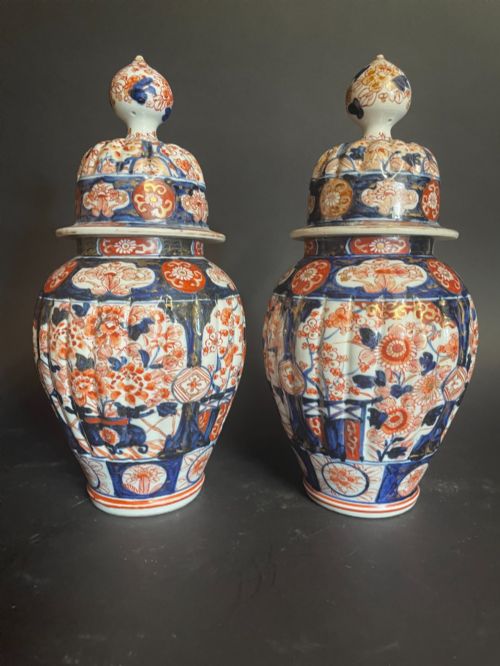
- A traditional Japanese porcelain style featuring a palette of cobalt blue, iron red, and gilt highlights. This decorative scheme originated in Arita and became popular across Europe.
- Satsuma
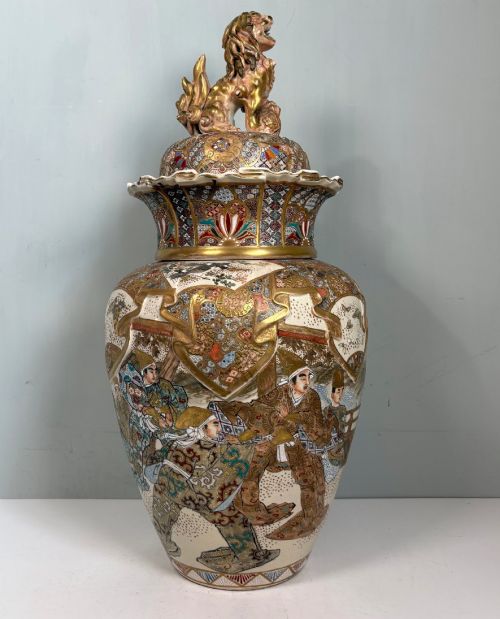
- An earthenware pottery type with a crackled ivory glaze decorated with polychrome enamels and gold. These pieces often depict figurative scenes and dense floral patterns.
- Meiji Period
- The era in Japanese history spanning from 1868 to 1912, known for significant expansion in decorative arts exported to Western markets. Pieces from this time demonstrate refined technical skill.
- Cloisonne
- A metalwork technique where flat wires form compartments on a vessel surface to hold coloured enamel paste. After firing, the surface is polished smooth.
- Baluster
- A vase shape with a rounded body that tapers toward the base and swells near the lower middle section. This architectural silhouette provides stability for lidded jars.
Japanese Lidded Ginger Jars: Frequently Asked Questions
What were Japanese lidded ginger jars used for?
These vessels originally served to store spices, herbs, and preserved ginger intended for culinary use or trade. Over time, wealthy households utilised them primarily as decorative ornaments on mantelpieces and cabinets.
As export demand grew, Japanese workshops produced larger quantities specifically for European interior display. The matching covers helped protect the aromatic contents while enhancing the symmetry of the silhouette.
How do I date a Japanese lidded ginger jar?
Dating relies on examining the ceramic body, glaze characteristics, and stylistic traits associated with specific historical periods. Pieces from the Edo period often display simpler forms, whereas Meiji era items frequently feature dense ornamentation.
Examining the base for kiln marks, blue underglaze signatures, or European retailer labels assists in narrowing the timeframe. Comparing the painting technique with documented examples from the same era provides further chronological context.
How do I care for antique porcelain ginger jars?
Keep these delicate ceramics away from direct sunlight to prevent any fading of the overglaze enamels and gold leaf highlights. Dust them gently using a soft, dry brush without applying liquid cleaners.
Avoid picking up heavy lidded jars by the cover alone, as the knob or lid rim can easily chip. Supporting the base securely during movement protects both the porcelain and the historic glaze.
What is the difference between Imari and Satsuma?
Imari ware is a hard-paste porcelain decorated with vibrant underglaze blue and iron-red enamels, often accented with gilding. It presents a smooth, resonant ceramic surface with geometric and floral compositions.
Satsuma ware utilises a porous earthenware body covered in a finely crackled creamy glaze that accepts intricate polychrome painting. This style relies on matte pigments and heavy gold leaf to depict detailed figures and landscapes.