


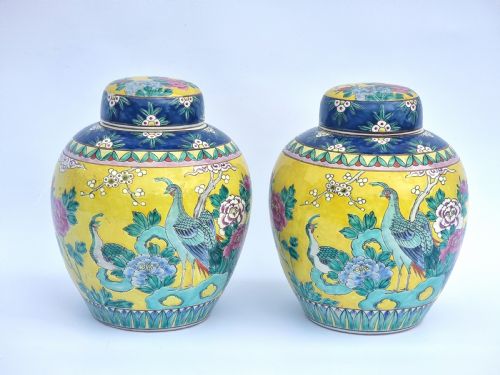


Oriental Porcelain Lidded Urns
Oriental porcelain lidded urns are substantial covered vessels bringing centuries of skilled ceramic artistry and distinct palettes into a room.
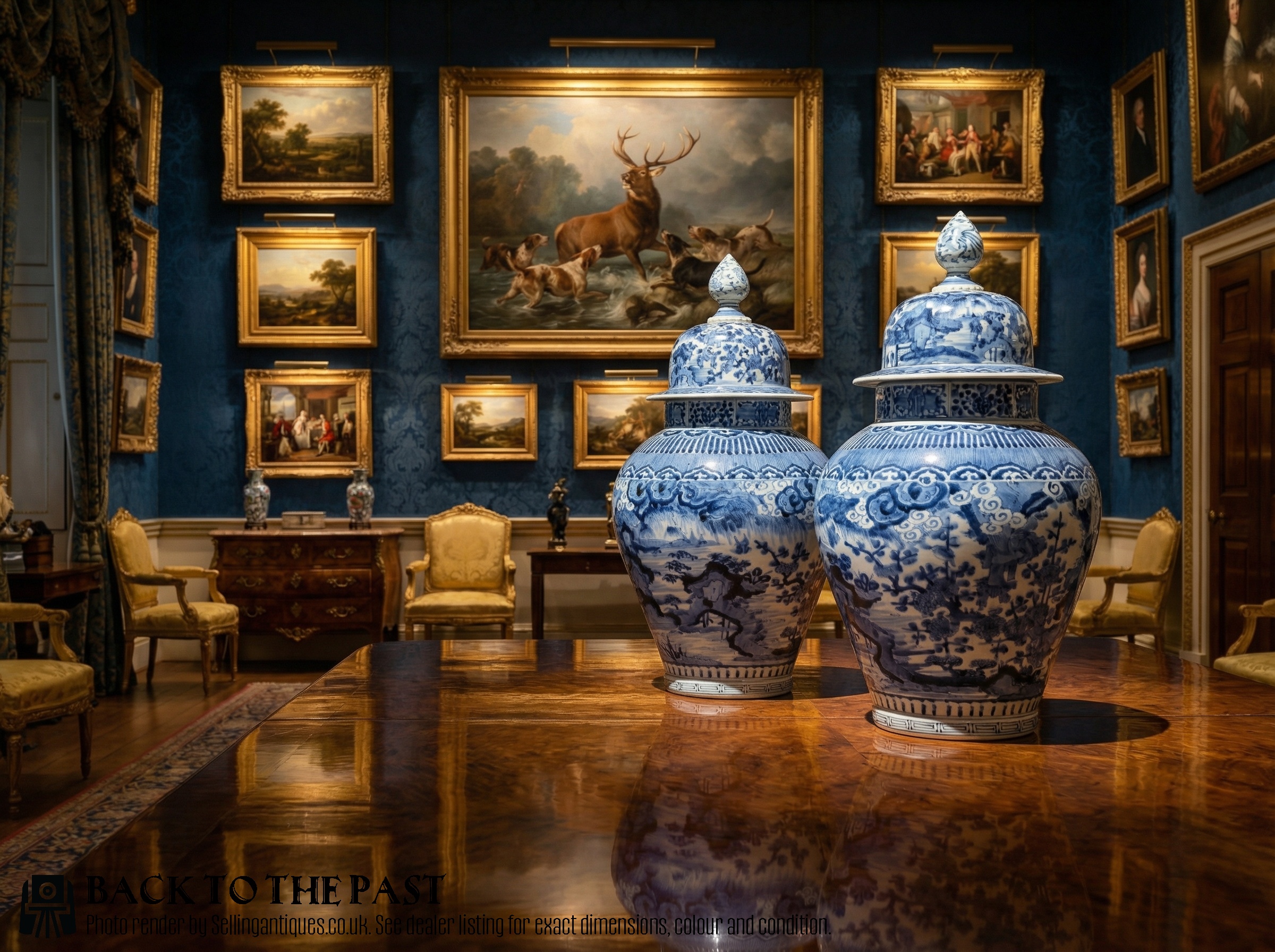
Oriental Porcelain Lidded Urns
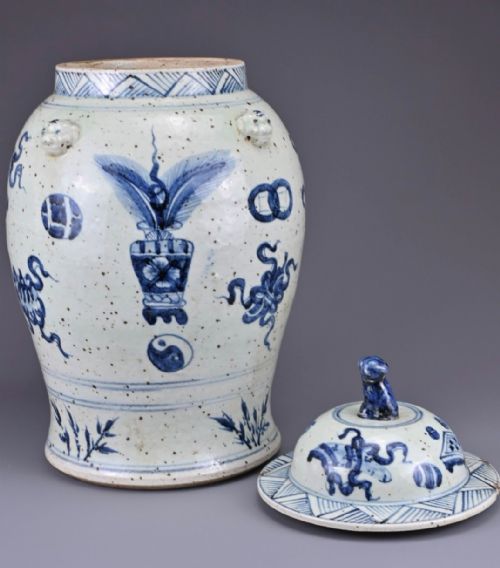
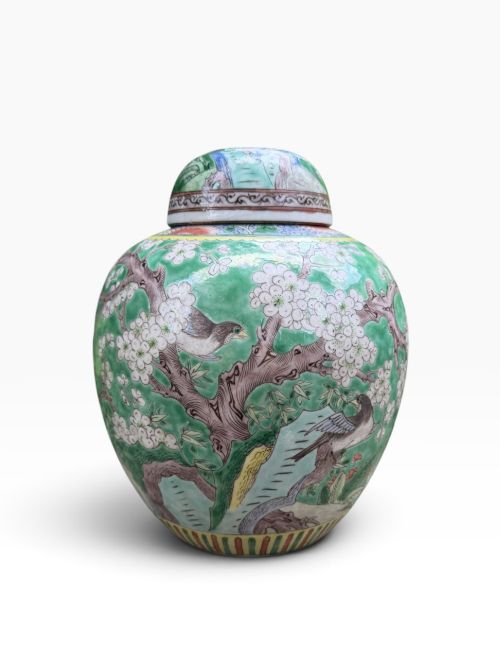
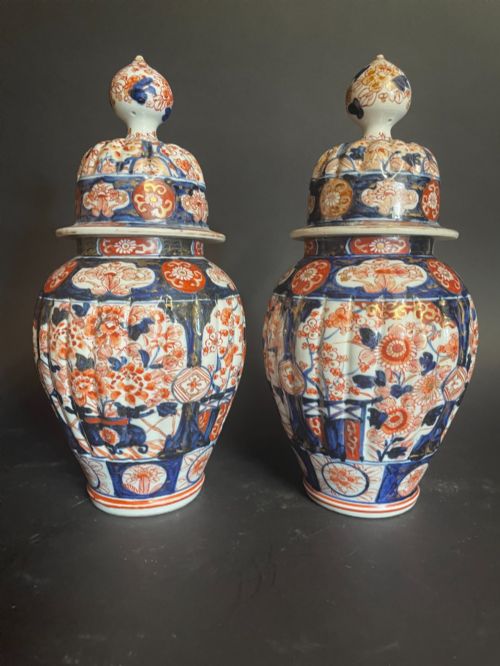
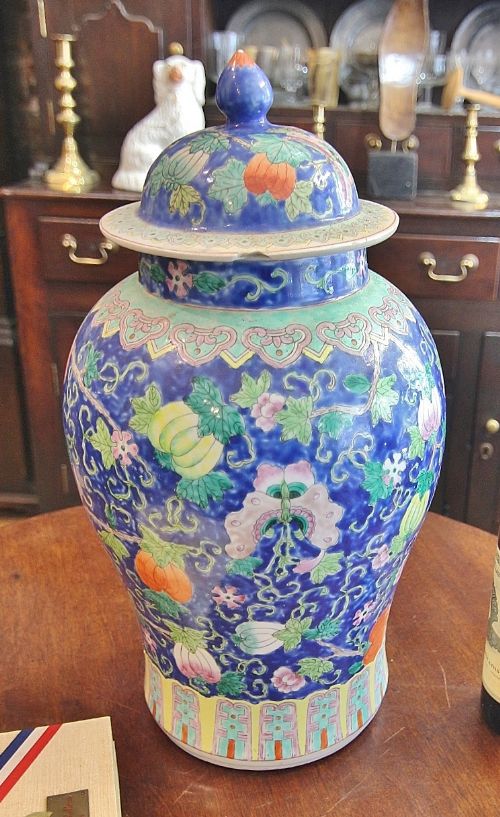
Oriental porcelain lidded urns encompass large jars, baluster vases and ginger jars fitted with matching covers. These pieces originate predominantly from Chinese and Japanese kilns, spanning the seventeenth through to the twentieth centuries. Buyers seeking these vessels often find nineteenth-century examples decorated in the Japanese Imari palette or Chinese blue and white designs.
The forms range from substantial octagonal shapes to classic rounded ginger jars and tall baluster vessels. Many are encountered in pairs or trios, reflecting their original decorative purpose in period interiors. Alongside Imari and blue and white, forms such as Satsuma and Kutani ware appear regularly among the selections.
Chinese pieces frequently display traditional motifs, including the green five-claw dragon from the Qing Dynasty. Japanese examples traverse the Edo and Meiji periods, showcasing the distinct regional output of centres like Arita. Each vessel bridges decorative utility and historical ceramic tradition.
Materials and Construction
These vessels are formed from hard-paste porcelain and earthenware bodies shaped upon the wheel or within moulds. Artisans applied ceramic glaze to seal the body before painting detailed motifs across the surface. Many pieces incorporate hand-painted cobalt blue pigments beneath the glaze or polychrome enamels applied over the fired glaze.
Five-claw dragons guard several pieces, reminding everyone that imperial reptiles rarely missed a kiln firing.
Evaluating Quality
Quality rests upon the precision of the hand-painted brushwork and the clarity of the underlying ceramic glaze. Superior examples display disciplined, intricate detailing across both the vessel body and the matching lid. The richness and application of enamel colours and gilding also separate standard production from exceptional pieces.
The crispness of the porcelain moulding, especially on faceted or octagonal forms, indicates the skill involved in production. Well-preserved surfaces retain their original surface sheen and pigment vibrancy without heavy rubbing. The harmony between the jar and its cover remains an important indicator of period integrity.
Samson·Fukagawa
The Oriental Porcelain Lidded Urns Glossary
- Imari
- A style of Japanese porcelain decorated in underglaze blue, iron red and gold. This palette originated in Arita and became widely exported to Europe.
- Baluster
- A vase form characterised by a rounded body that tapers toward the base and flares slightly at the neck. This shape provides a stable and balanced profile for large lidded vessels.
- Ginger Jar
- A broad-shouldered ceramic jar originally used for storing spices and preserves. In decorative contexts, these vessels are paired with fitted ceramic lids.
- Satsuma
- Japanese earthenware pottery featuring a crackle-glaze finish decorated with polychrome enamels and gilt. This ware gained significant popularity during the Meiji period.
- Doucai
- A Chinese porcelain technique combining underglaze blue outlines with overglaze enamel infill. Artisans fired the piece twice to set both colour stages.
Oriental Porcelain Lidded Urns: Frequently Asked Questions
How were these lidded urns originally used?
These vessels served primarily as decorative ornaments or storage containers for dry goods, spices and tea within affluent interiors. Their substantial lidded design kept contents secure while adding a focal point to rooms.
Over time, collectors and interior designers repurposed them purely for display, often placing pairs upon mantelpieces, cabinets or side tables.
How do I tell Chinese and Japanese pieces apart?
Chinese pieces often feature distinct cobalt blue and white painting styles, alongside imperial dragon motifs or floral compositions associated with dynasties like the Qing. Japanese examples frequently utilise the characteristic Imari palette of iron red, blue and gold, or the dense crackle-glaze of Satsuma ware.
Examining the underlying clay body, glaze texture and traditional motifs helps clarify the specific East Asian origin of each jar.
What is the difference between a ginger jar and a baluster vase?
Ginger jars typically feature a straight, short neck and a wide, rounded shoulder tapering smoothly downward. They were traditionally paired with flat or domed lids for storage purposes.
Baluster vases possess a more pronounced curvilinear profile with a wider upper body, narrower waist and flared foot, designed specifically for grand display rather than utility.
How do I care for antique oriental porcelain at home?
Keep porcelain vessels away from direct sunlight and areas subject to sudden temperature fluctuations to protect the glaze and enamel work. Dust them gently with a soft, dry cloth without applying commercial cleaning solutions.
Ensure that lidded pieces rest on stable, level surfaces where accidental knocks to the matching covers are avoided.