





17th Century Ceramic Vases
These 17th century ceramic vases bring centuries of global artistry into a room, offering rich glazes and historical forms that collectors prize.
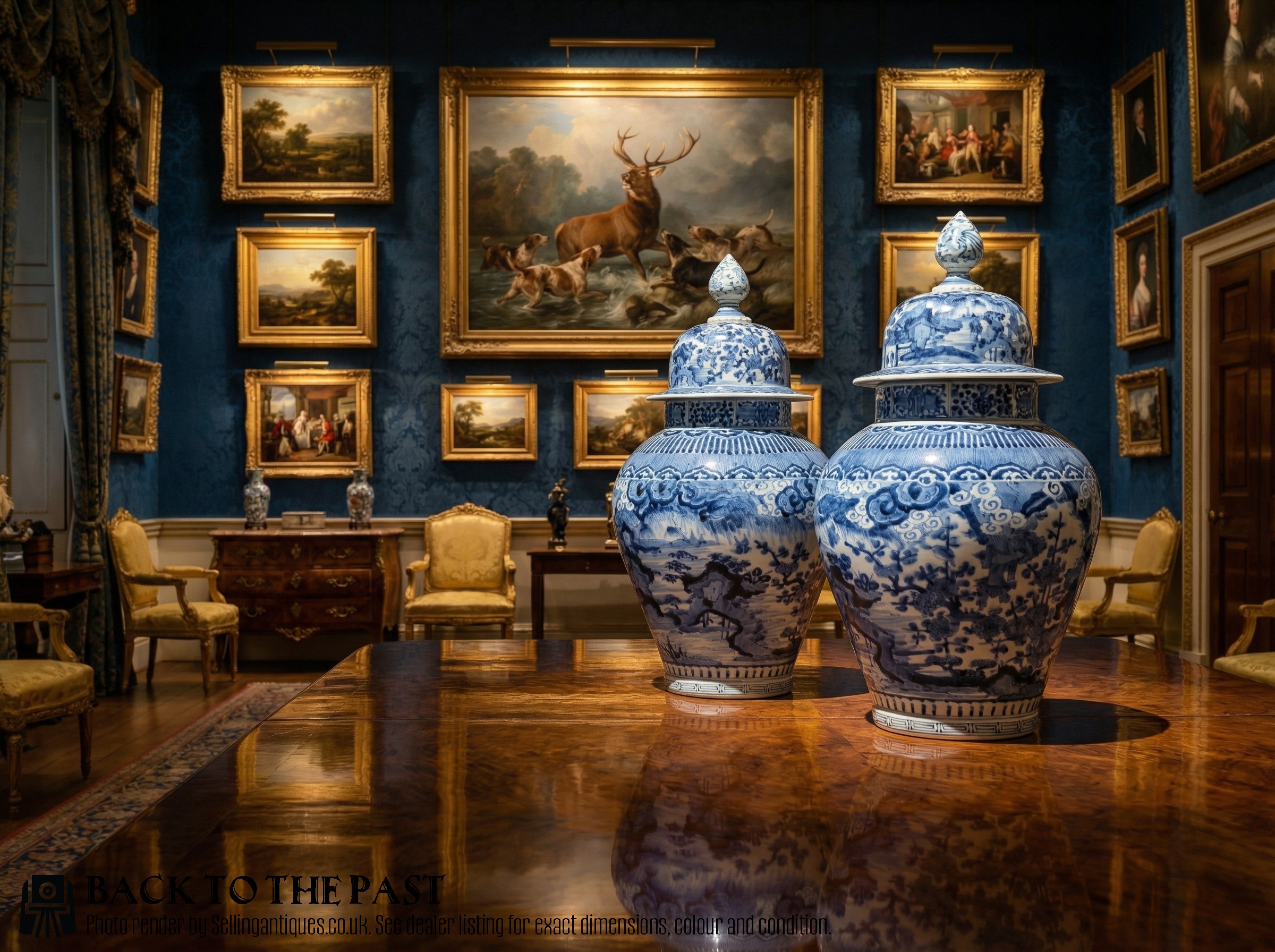
17th Century Ceramic Vases
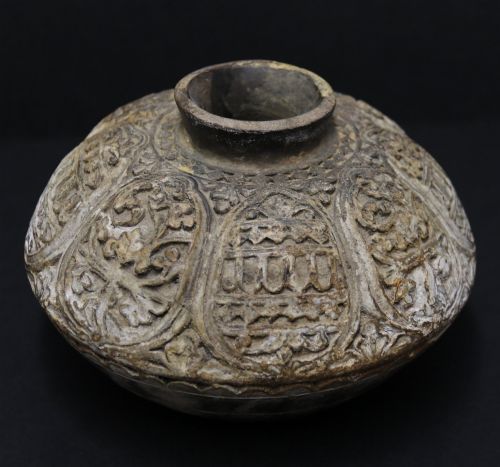
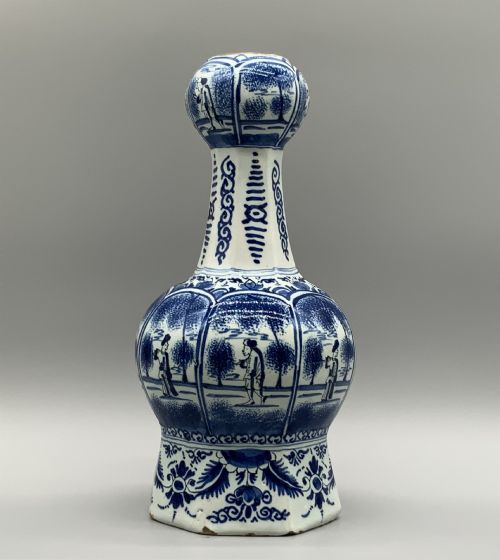
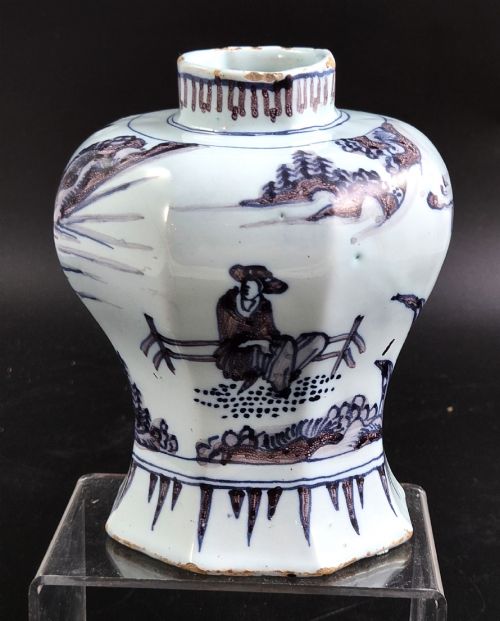
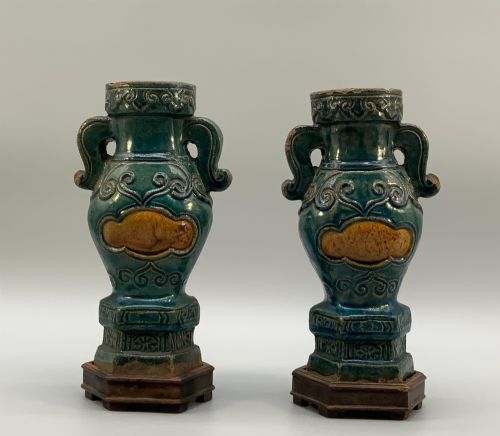
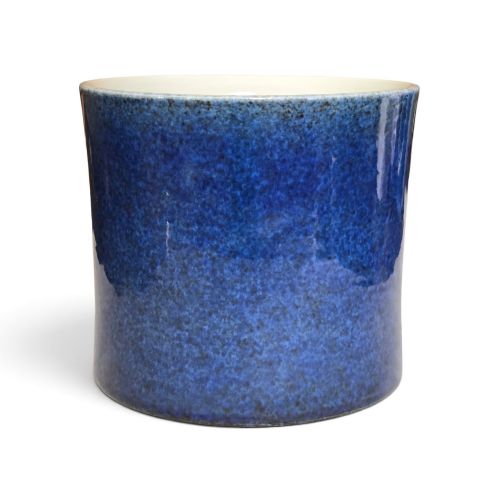
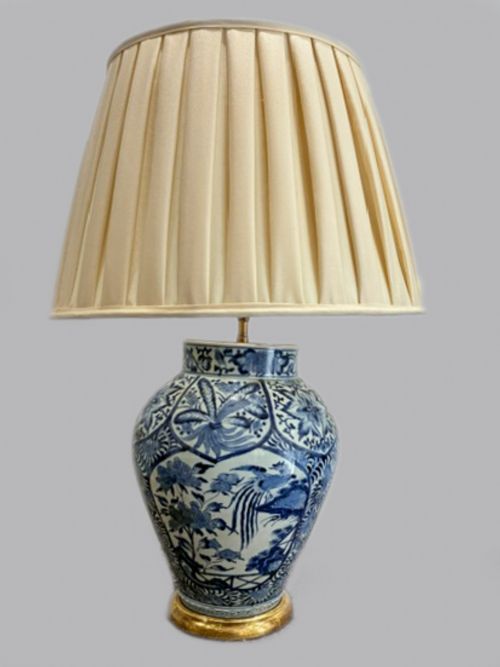
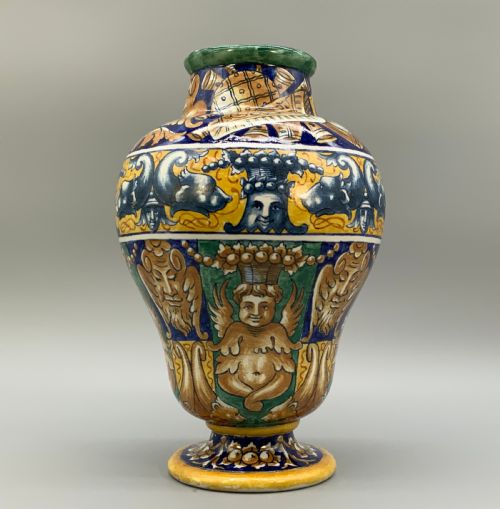
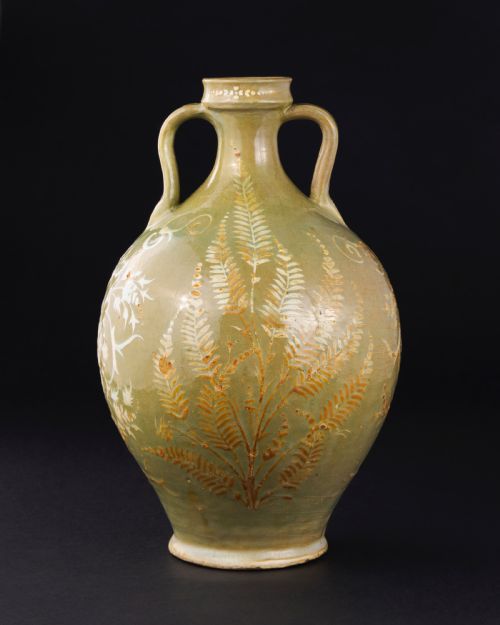
When searching for 17th century ceramic vases, you encounter pieces spanning multiple global traditions including Chinese porcelain, Japanese Edo period wares, Persian pottery, and European Delft faience. The selection on this page demonstrates remarkable geographic diversity, ranging from Ming dynasty turquoise and amber vessels to Dutch Baroque Chinoiserie.
You are most likely to meet Chinese blue and white porcelain vessels from the Kangxi period alongside Dutch Delft earthenware made in imitation of Asian imports. Forms vary widely from brush pots and ovid jars to garniture sets and converted lamps.
These items originate from distinct cultural centres across Asia, the Middle East, and Europe, each utilising local clays and firing methods. The assortment reflects both original Asian export goods and subsequent European revivals from later centuries.
How they were made
Potters shaped these vessels from earthenware and porcelain bodies, applying liquid pigments such as cobalt underglaze or enamel colours before firing. Many pieces feature tin-glazes or lead-glazes that create smooth, glossy surfaces designed to hold colour and prevent liquid absorption.
Decoration involved intricate hand-painting, using cobalt pigments, polychrome enamels, and incised details to depict birds, flowers, and narrative scenes. Artisans worked within established imperial or regional kiln traditions, controlling kiln temperatures to achieve specific colour depths in blues, yellows, and greens.
17th Century Ceramic Vases Retail Price Guide 2026
Typical asking prices for 17th century ceramic vases among the pieces listed under this phrase on Sellingantiques today, from the lower quarter to the upper quarter. They describe what is for sale here now, not the wider market.
The inventory spans the 17th century, 18th century, and 19th century across multiple global origins.
What varies in quality
The sophistication of the hand-painted decoration separates standard production pieces from exceptional works, visible in the precision of brushwork and the clarity of cobalt or enamel pigments. Skill in handling the glaze determines surface brilliance, while the symmetry of the ceramic body reflects the potter's mastery on the wheel.
Historical authenticity and the preservation of original surfaces also dictate the standing of a vessel, distinguishing period originals from later revivals. Completeness of covers, garniture sets, and the stability of the ceramic fabric further influence the overall character of each piece.
The 17th Century Ceramic Vases Glossary
- Delft Faience
- Tin-glazed earthenware produced in the Netherlands, often decorated in blue and white to imitate Chinese porcelain.
- Chinoiserie
- European artistic styles reflecting Chinese motifs and decorative techniques, prevalent on Dutch and English ceramics.
- Kangxi Period
- The era of the Qing dynasty from 1661 to 1722, known for fine porcelain production and vivid cobalt blue decoration.
- Imari Palette
- Japanese porcelain decorated in underglaze blue, iron red, and gilt, highly popular for export during the Edo period.
- Wucai
- Chinese polychrome ceramic decoration meaning five colours, typically combining underglaze blue with overglaze green and red enamels.
- Garniture
- A set of vases or jars designed to be displayed together on a mantelpiece or furniture top.
17th Century Ceramic Vases: Frequently Asked Questions
How do I identify Dutch Delft from Chinese porcelain?
Dutch Delft uses a porous earthenware body covered in an opaque tin-glaze, whereas Chinese pieces utilise a dense porcelain body.
Examining the unglazed footrim reveals the underlying white clay of porcelain against the softer buff ceramic of European earthenware.
Were these vases used as lamps originally?
Most of these vessels were created as decorative or functional containers and were converted to lamps during later centuries.
Drilling for wiring often occurred in the nineteenth or twentieth century to adapt antique jars for domestic lighting.
How should I clean antique ceramic vases?
Dusting gently with a dry, soft brush is the safest method for maintaining delicate historic glazes and enamel surfaces.
Water and liquid cleaners should be avoided, particularly on earthenware or pieces with repaired areas.