






Japanese Iron Red Ceramics
Japanese iron red ceramics bring together robust porcelain forms and rich copper-based pigments for a striking display of historic craftsmanship.
Japanese Iron Red Ceramics
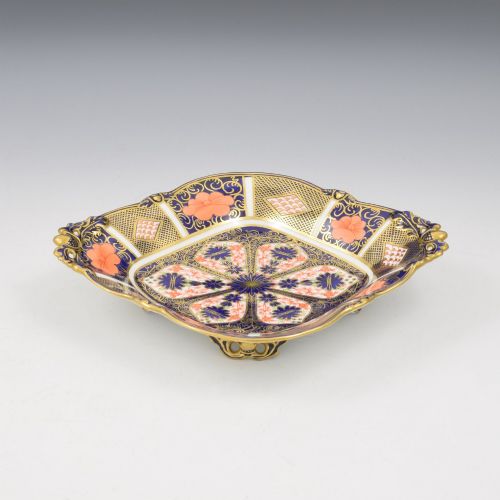
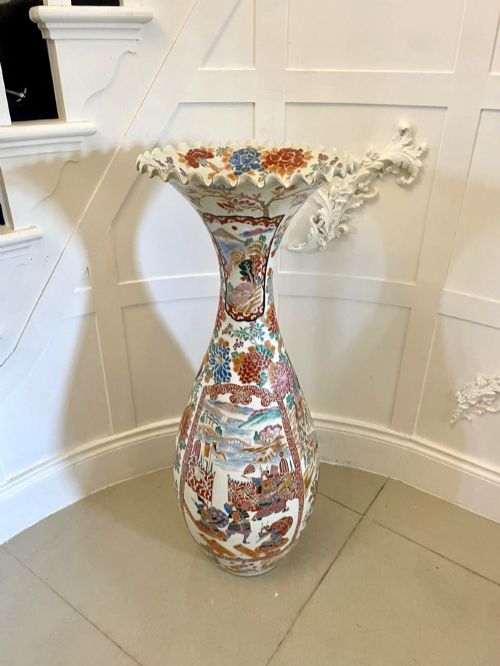
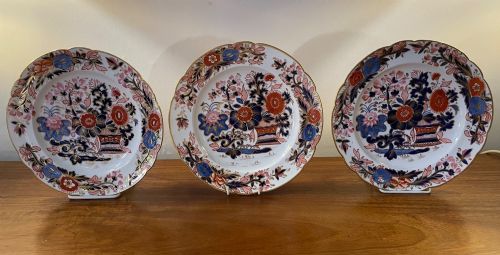
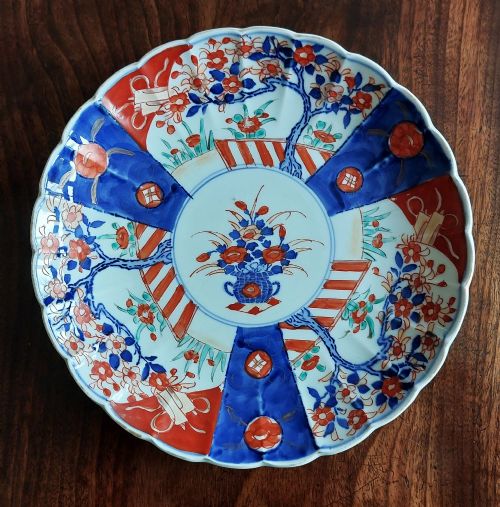
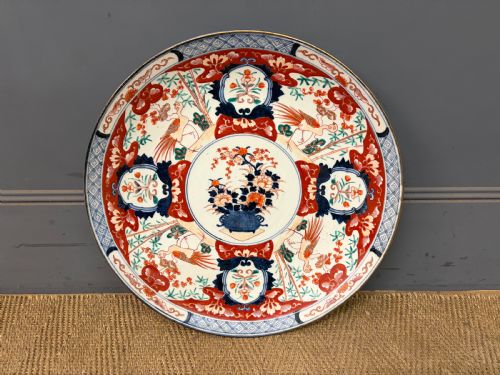
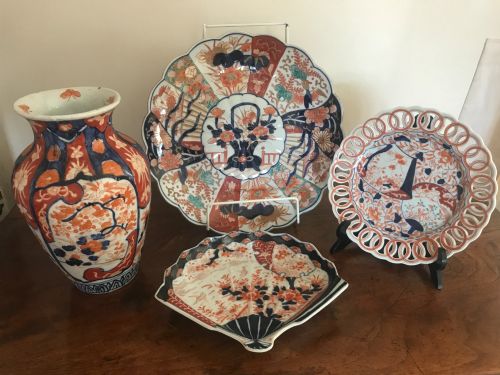
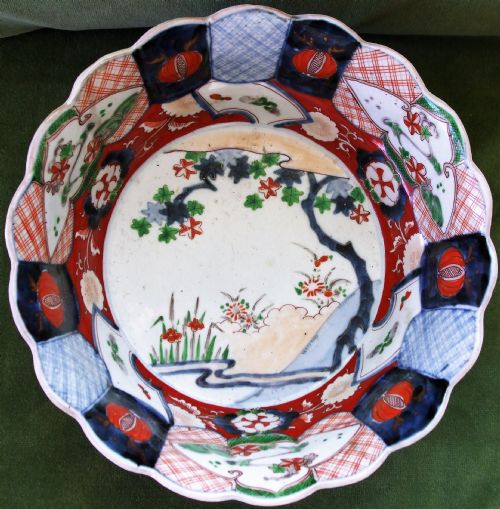
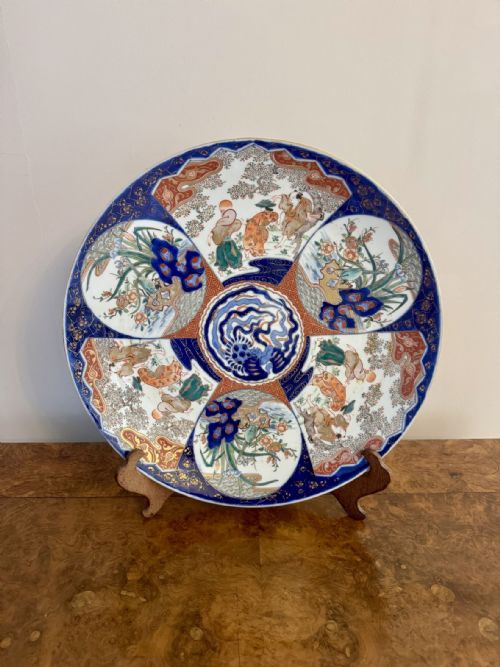
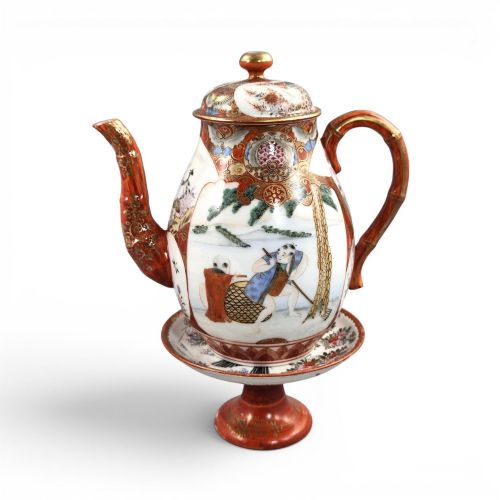
Japanese iron red ceramics encompass a diverse selection of decorative items, including large floor vases, chargers, scalloped plates, and detailed bowls. These pieces emerge predominantly from the nineteenth century and the Meiji period, reflecting a rich tradition of East Asian ceramic artistry.
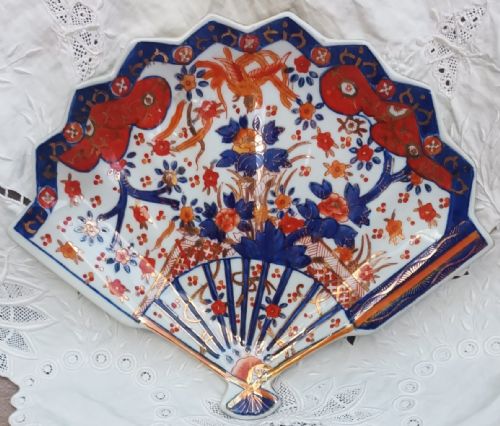
A buyer examining this selection will frequently encounter Japanese Imari wares alongside Kutani porcelain pieces. The visual identity of these items relies heavily on distinctive red pigments combined with contrasting blue and gold details upon a white ceramic body.
The objects serve primarily as decorative display items, ranging from small cabinet bowls to substantial garnitures of shaped vases. Their enduring appeal lies in the dynamic interplay of colour and pattern developed across various nineteenth-century workshops.
Materials and Techniques
The makers formed these ceramic bodies using fine porcelain clay, shaping plates, vases, and bowls before initial firing. Artisans then applied underglaze blue pigments and overglaze enamels, utilising iron-rich red pigments to achieve their signature fiery tone.
Gilding and gold leaf frequently enhance the painted surfaces, adding a layer of metallic lustre above the glaze. Skilled hands executed intricate hand-painted floral, bird, and dragon designs directly onto the ceramic substrate before a subsequent kiln firing.
Materials documented across the selection include enamel, gold leaf, and overglaze pigments on ceramic bodies.
Assessing Quality and Execution
Quality in these ceramics rests on the precision of the hand-painted brushwork and the vibrancy of the iron red and overglaze enamel colours. Superior examples display crisp definition in complex bird, floral, and dragon motifs without blurring or smudging.
The physical form and moulding of the ceramic body also dictate distinction, particularly in scalloped edges, hexagonal plates, and large floor vases. Heavier, well-balanced bodies with carefully preserved gilding represent the higher tiers of nineteenth-century production.
The Japanese Iron Red Ceramics Glossary
- Imari
- A style of Japanese porcelain decorated in underglaze blue, iron red, and gold. This aesthetic gained immense popularity in the West during the nineteenth century.
- Kutani
- A style of Japanese coloured porcelain known for bold palettes and intricate pictorial designs. Pieces often feature dynamic subjects such as dragons and phoenixes.
- Meiji Period
- The era of Japanese history lasting from 1868 to 1912. Much of the decorative porcelain available dates from this prolific manufacturing period.
- Overglaze Enamel
- Glassy coloured paints applied on top of a fired and glazed ceramic surface. Artisans fixed these pigments with a low-temperature secondary firing.
- Garniture
- A matching set of ceramic vases or vessels designed for display together on a mantelpiece or sideboard.
Japanese Iron Red Ceramics: Frequently Asked Questions
What are Japanese iron red ceramics?
These pieces are historic porcelain vessels and plates decorated with characteristic iron-based red pigments. They originate largely from nineteenth-century Japan and encompass popular styles like Imari and Kutani.
The category includes plates, bowls, chargers, and vases painted with floral, avian, and mythological motifs. Their distinctive palette combines deep red with contrasting blue, white, and gold details.
How were these ceramics used originally?
Historic households utilised these decorated porcelains primarily for visual display rather than dining or practical service. Large chargers and floor vases occupied prominent positions in rooms to demonstrate household taste.
Smaller dishes and bowls served ceremonial functions or decorated domestic interiors. Collectors today continue to display them on walls, stands, and tables as focal points.
How do I identify a Meiji period piece?
Meiji period items date between 1868 and 1912, aligning with an era of expanded export production. These pieces often feature bright overglaze enamels, intricate gilding, and refined porcelain bodies.
Examining the foot ring, potting style, and enamel saturation helps separate Meiji output from earlier Edo examples. The titles in this collection frequently attribute these specific dates to dishes and vases.
How should I care for antique porcelain?
Antique porcelain requires gentle handling to protect delicate overglaze enamels and gold leaf decorations. Dusting with a soft, dry cloth is sufficient for routine maintenance.
Keep pieces away from direct sunlight to prevent fading of the iron red pigments. Avoid using abrasive cleaning agents or immersing gilded items in water.