


Japanese Figural Vase
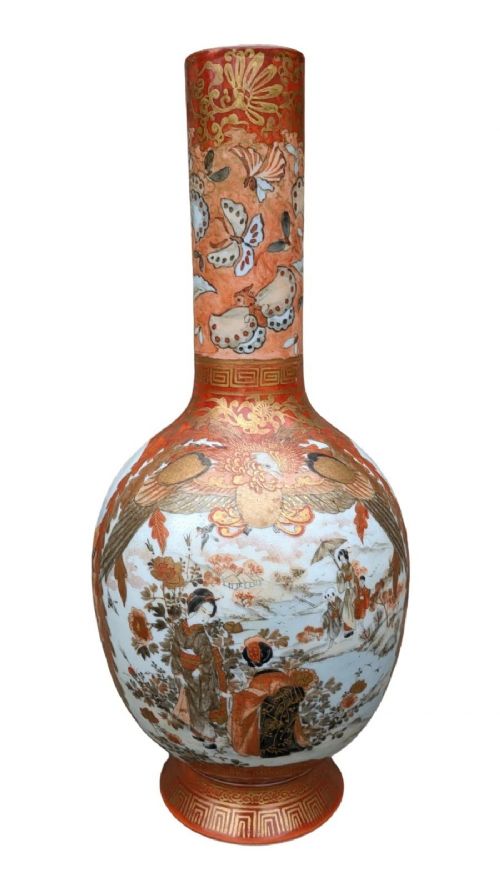
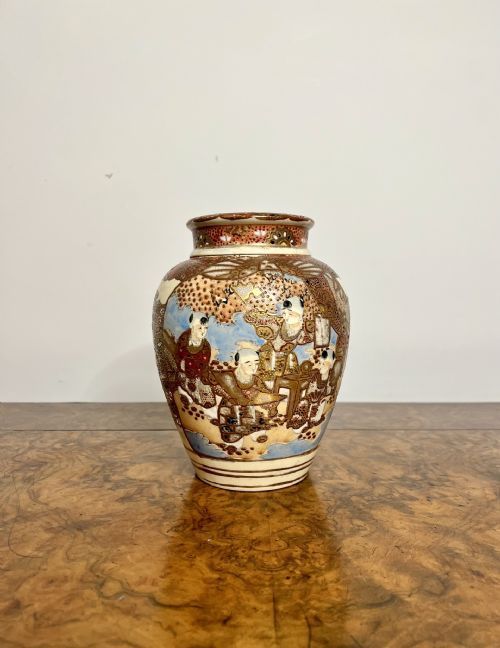
A Japanese figural vase brings intricate hand-painted narratives and sculptural detail into a room, capturing decades of meticulous ceramic artistry.
Japanese Figural Vase
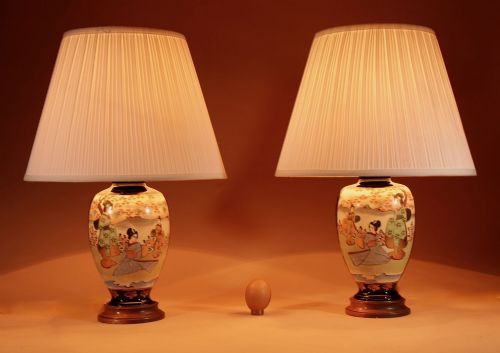
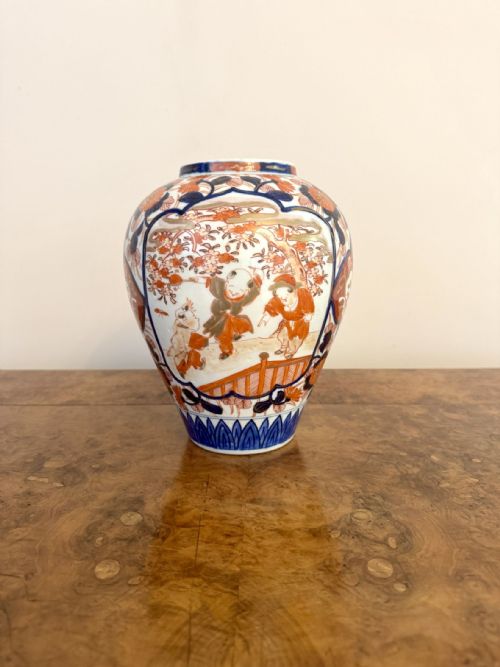
A japanese figural vase encompasses diverse forms from ginger jars to bottle vases and table lamps, often decorated with elaborate processions and figures. You will frequently encounter Meiji period pieces alongside Imari, Kutani, and Satsuma wares, reflecting a rich heritage of ceramic production.
The objects span centuries of craftsmanship, though nineteenth-century examples dominate the selection. Makers utilised earthenware and porcelain as primary canvases, incorporating enamel, gold leaf, and gilt bronze mounts.
These vessels function as striking decorative centrepieces and converted lamps. Their surfaces combine traditional motifs with dimensional handles, lion forms, and signed artist marks.
Materials and Construction Techniques
Potters shaped fine porcelain and dense earthenware into varied vessels, applying enamel pigments and gold leaf to create complex surface patterns. Artisans also employed moriage techniques to build raised slip details that add tactile depth to the designs.
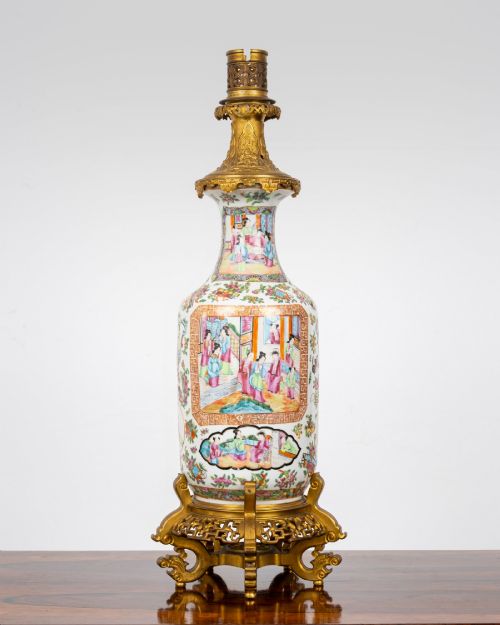
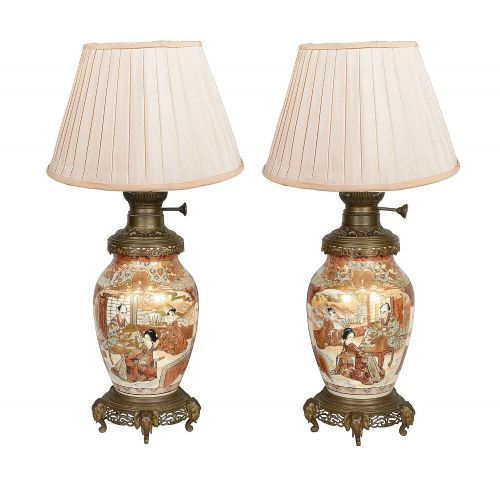
Many works incorporate gilt bronze mounts, particularly when adapted into nineteenth-century table lamps. Skilled hands painted intricate figural processions and landscapes directly onto the ceramic body before firing.
The selection includes porcelain and earthenware pieces from the seventeenth century onwards, with nineteenth-century Satsuma and Imari styles appearing most frequently.
Distinguishing Quality in the Selection
The refinement of the hand-painted brushwork distinguishes exceptional pieces from standard production. Artisans who executed detailed facial expressions and precise gold leaf application achieved a higher tier of artistry.
The integration of sculptural elements, such as lion handles or raised moriage work, influences the visual weight of the piece. Well-preserved enamel colours and clear maker signatures further elevate the standing of a vessel.
Kinkozan·Chosei
The Japanese Figural Vase Glossary
- Satsuma
- A type of Japanese earthenware featuring an ivory-coloured crackle glaze. It typically serves as a ground for detailed polychrome and gilt decoration depicting figures and nature.
- Kutani
- A style of Japanese pottery noted for bold colour palettes and intricate pictorial designs. Pieces often incorporate rich iron red and gold pigments.
- Imari
- A traditional style of Japanese export porcelain characterised by a palette of underglaze blue, iron red, and gilt. The designs frequently display complex floral and brocade patterns.
- Moriage
- A ceramic technique where slip is piped onto the surface to create raised decorative textures. This method adds a distinct three-dimensional quality to vases and jars.
- Meiji Period
- The era in Japanese history spanning from 1868 to 1912, marked by significant opening to international trade and prolific ceramic export production.
Japanese Figural Vase: Frequently Asked Questions
What is a japanese figural vase?
A japanese figural vase is a ceramic vessel decorated with painted human figures, processions, or narrative scenes from Japanese history and folklore. These pieces range from miniature cabinet items to large decorative statement objects.
Many examples originate from the Meiji period and showcase distinct regional styles like Satsuma or Kutani. They often feature intricate hand-painted details enhanced with gold leaf and raised enamel work.
How do I identify satsuma ware?
Satsuma ware is recognised by its characteristic ivory-coloured earthenware body covered in a fine, web-like network of cracked glaze. The surfaces are traditionally decorated with elaborate enamel paintings and gilt highlights.
Pieces frequently depict human figures, historical scenes, and dense floral patterns. Many bear artist signatures or workshop marks on the base.
Were these vases used as lamps?
Many Japanese vases were adapted into table lamps during the nineteenth and twentieth centuries to suit Western interior tastes. This conversion sometimes involved adding gilt bronze mounts to the base or rim.
While some were manufactured specifically for this purpose, others had their ceramic bodies drilled or fitted later to accommodate electrical wiring.
How do I clean an antique vase?
Dust these delicate ceramic surfaces gently with a soft, dry brush to prevent accumulating dirt in the recessed glaze lines. Avoid using water, chemical cleaners, or abrasive cloths that might damage fragile enamel and gold leaf.
If the piece has been converted into a lamp, keep moisture away from all electrical components and consult a professional restorer for deep cleaning.