



Japanese Enamel Porcelain Dish
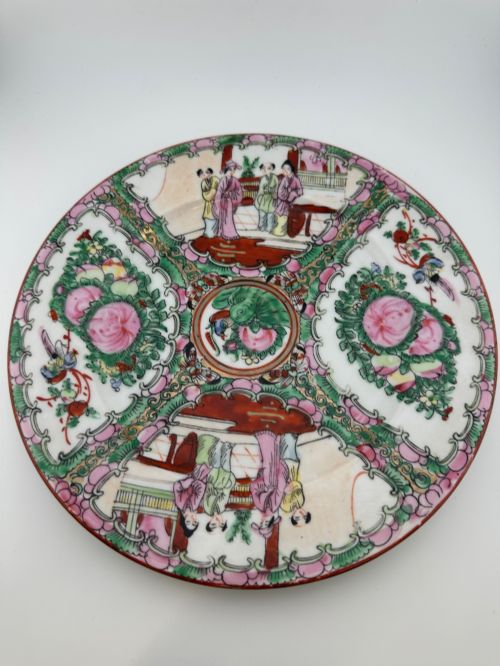
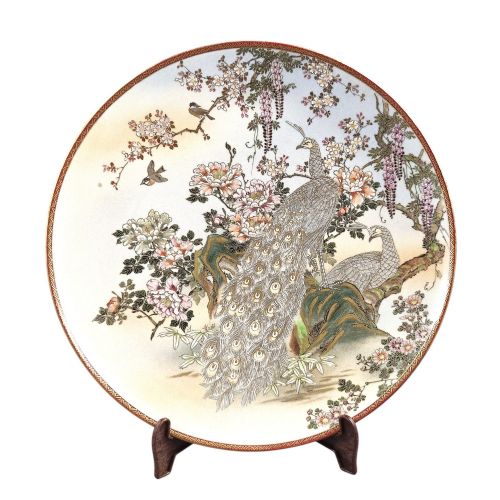
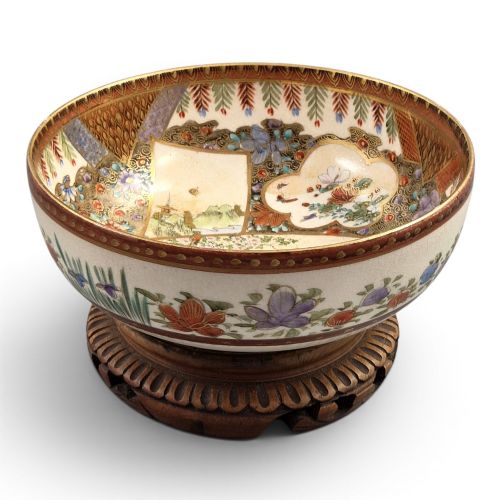
These Japanese enamel porcelain dish pieces bring together intricate hand-painted motifs and rich glazing from the Edo and Meiji periods.
Japanese Enamel Porcelain Dish
A japanese enamel porcelain dish covers a variety of forms including large chargers, shallow bowls, and scalloped plates originating from Japan. The selection spans centuries of production, with pieces emerging from historic ceramic centres such as Arita, Kutani, and Satsuma. Buyers encounter forms ranging from miniature bowls to substantial display chargers measuring over thirty centimetres across.
Most examples date from the nineteenth century, particularly the Meiji period, alongside earlier Edo period pieces from the seventeenth and eighteenth centuries. These items served primarily as decorative table wares and display objects, utilising rich palettes of underglaze blue, iron red, and heavy gilt enamels. Collectors select them for their intricate narrative scenes, floral arrangements, and detailed geometric borders.
Distinctions in quality and execution
The precision and density of the hand-painted brushwork separate standard production wares from masterwork examples. Superior pieces display crisp delineation in multi-figure compositions, intricate thousand-flower patterns, and controlled application of thick gilt enamel.
The integration of decorative techniques also determines standing, as seen in the flawless fusion of cloisonné wirework with the underlying porcelain body. Signed works by documented workshops or recognised artists command attention through superior potting symmetry and disciplined glaze control.
Clam shell dishes from the Edo period bring ocean geometry straight to the scholar's desk without requiring a trip to the shore.
Kozan·Meizan·Shozo
The Japanese Enamel Porcelain Dish Glossary
- Imari
- A traditional style of Japanese export porcelain originating from the port of Hizen, typically featuring a palette of underglaze blue, iron red, and gold. These wares gained immense popularity across Europe during the Edo period.
- Kutani
- A style of Japanese coloured porcelain characterised by bold, vibrant enamel designs often dominated by greens, yellows, blues, and purples. Pieces frequently depict landscapes, figures, and dense floral brocade patterns.
- Satsuma
- A type of Japanese earthenware featuring a pale, ivory-coloured cracked glaze decorated with finely detailed polychrome enamels and gilt. Meiji period Satsuma wares often portray crowded figural scenes and botanical motifs.
- Totai shippo
- An uncommon technique where cloisonné enamel is applied directly onto a porcelain or ceramic body rather than a metal base. The resulting surface often mimics organic textures such as rough tree bark.
- Moriage
- A decorative ceramic technique involving the application of slip or enamel in raised dots or lines to create a tactile, three-dimensional surface pattern. It appears frequently on Satsuma and late nineteenth-century decorative vessels.
- Charger
- A large ornamental plate or shallow dish traditionally used for formal display on sideboards or walls rather than for serving food. These pieces provide expansive surfaces for complex narrative and botanical compositions.
Japanese Enamel Porcelain Dish: Frequently Asked Questions
How do I display a large charger safely?
Display large chargers using sturdy, appropriately sized wall brackets or dedicated plate stands designed to support substantial ceramic weight.
Position pieces away from direct sunlight and high-traffic areas to protect the delicate gilt and enamel surfaces from accidental impacts.
What is the difference between Imari and Kutani?
Imari wares rely on a distinct palette of underglaze blue combined with iron red and gold, often featuring panelled geometric and floral designs.
Kutani ceramics utilise a broader, heavier range of opaque enamels, particularly greens and purples, focusing on pictorial scenes and dense background brocades.
Are these dishes meant for daily dining use?
These antique porcelain and earthenware pieces are intended for decorative display and collection rather than functional everyday dining.
Hand-painted enamels, raised moriage, and delicate gold leaf details are vulnerable to wear and should not be subjected to cutlery or frequent washing.
How do I identify a Meiji period piece?
Meiji period items, produced between 1868 and 1912, frequently exhibit intricate, densely packed surface decoration and sophisticated export-oriented craftsmanship.
Many examples from this era incorporate artist signatures or workshop seals alongside refined potting and brilliant polychrome enamel palettes.