


Oriental Porcelain Fruit Bowl
An oriental porcelain fruit bowl brings centuries of artistry to a table, offering deep bowls shaped for display and service.
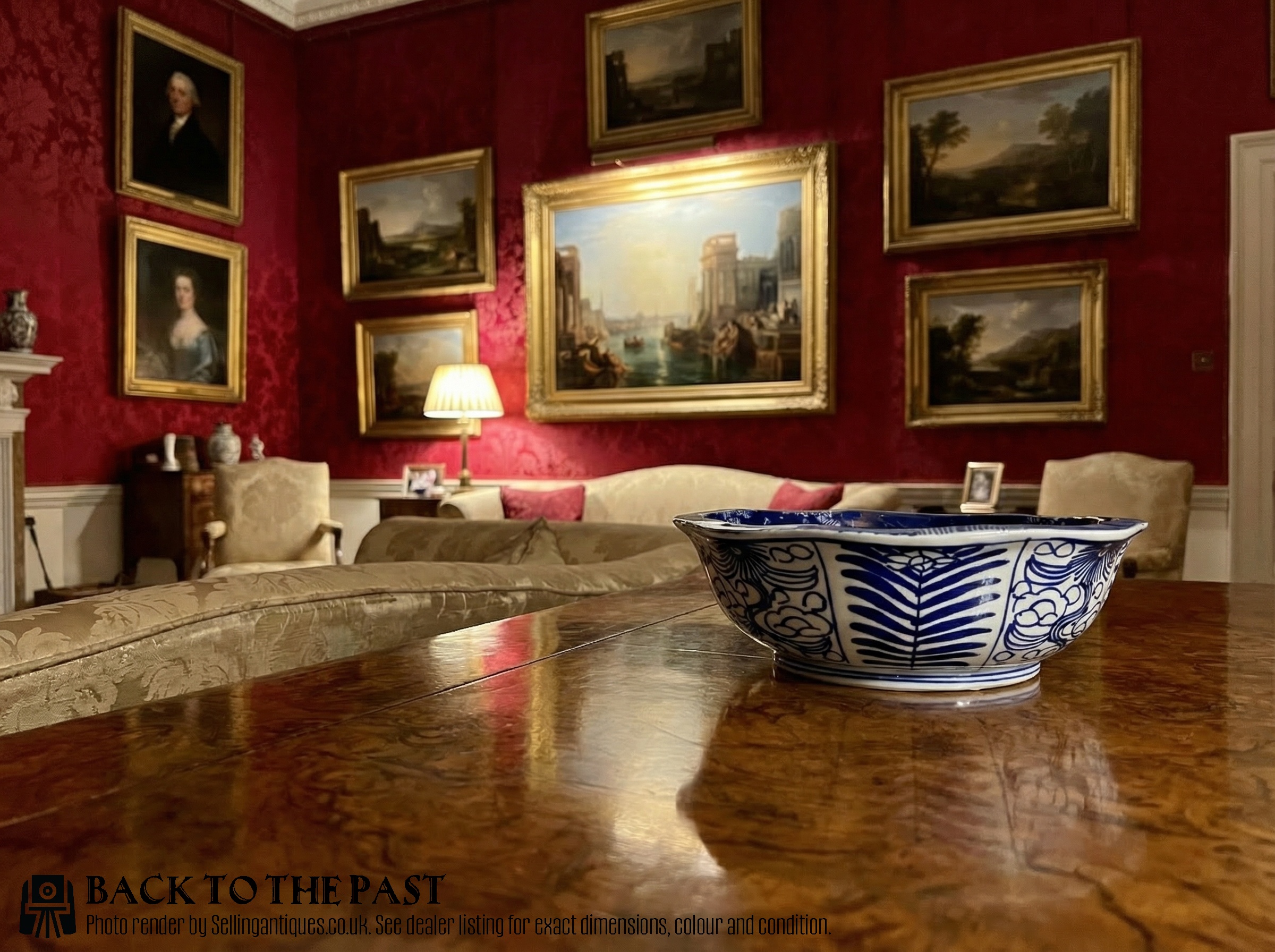
Oriental Porcelain Fruit Bowl
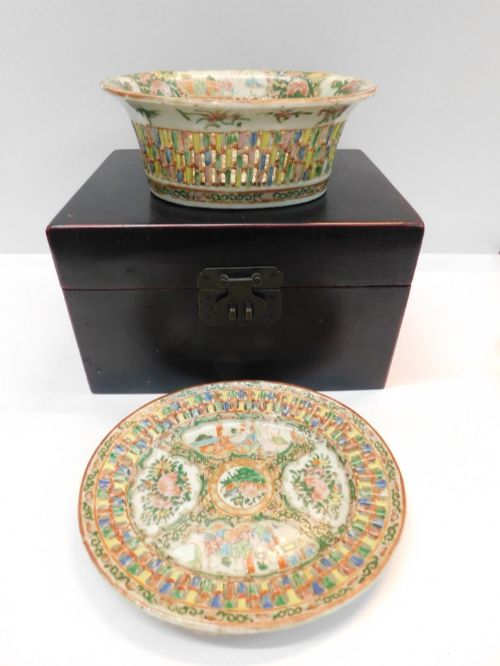
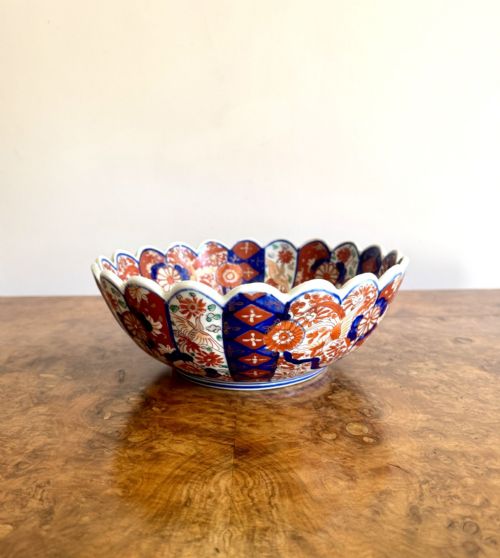
An oriental porcelain fruit bowl is a large serving vessel or centrepiece created in China or Japan. These pieces range from substantial punch bowls to scalloped decorative dishes and reticulated baskets.
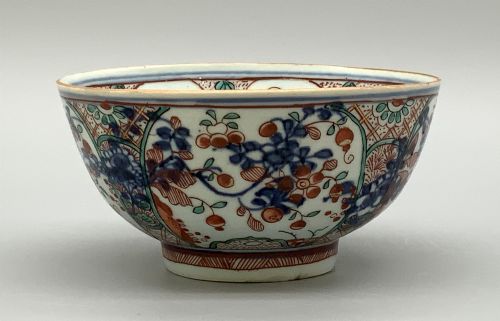
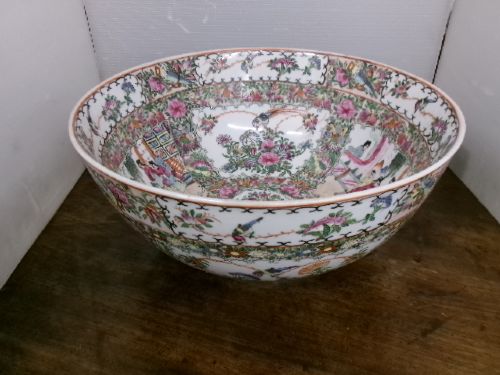
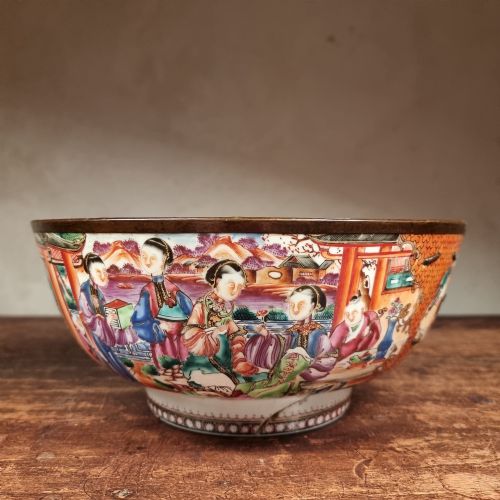
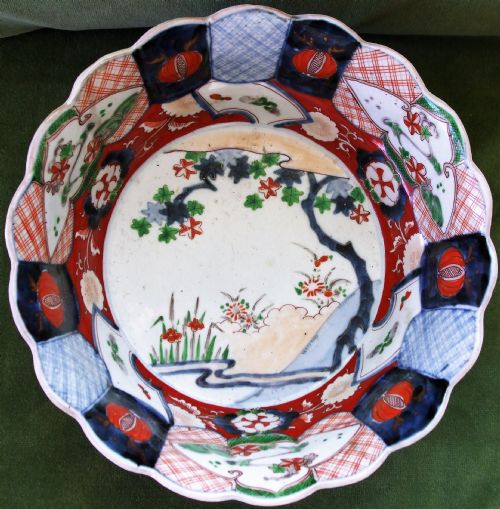
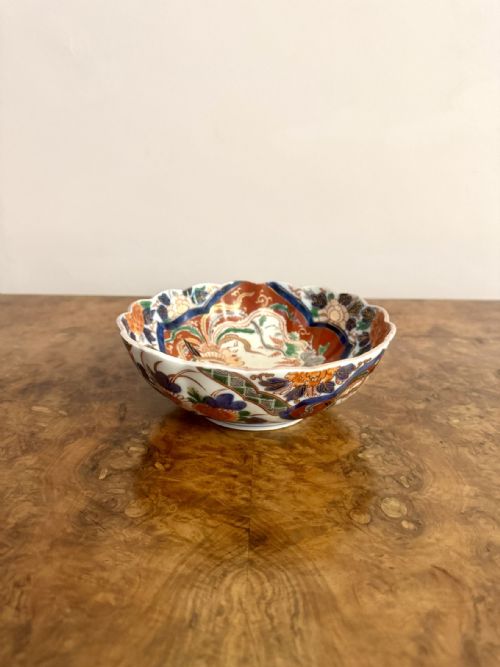
The most common examples on this page are Japanese Imari bowls from the Meiji period and Chinese porcelain bowls decorated in famille rose or cobalt underglaze. They span several centuries, reaching from the Ming dynasty through the eighteenth and nineteenth centuries up to the early twentieth century.
Buyers look for these bowls to anchor a dining table or sideboard with historic colour and form. Their distinct glaze work and hand-painted motifs make them enduring decorative centrepieces.
Materials and construction
Potters shaped hard-paste porcelain and fired it at high temperatures before applying intricate hand-painted designs. Artisans utilised cobalt underglaze for blue and white schemes, alongside vibrant enamel colours.
Many bowls received enrichment through gilding, gold leaf, and accents in brass. Some examples incorporated reticulated openwork or scalloped edges formed carefully in the clay before glazing.
Listings feature Chinese Kangxi period porcelain alongside Japanese Meiji period Imari and later 20th-century decorative bowls.
Judging quality and craftsmanship
Quality rests upon the precision of the hand-painting and the depth of the glaze colours. Crisp execution in complex Japanese Imari patterns or detailed Chinese famille rose scenes separates finer examples from standard production.
The weight of the porcelain, the balance of the form, and the crispness of scalloped or reticulated edges dictate distinction. Well-preserved gilding and clear signatures by period artists also elevate a piece.
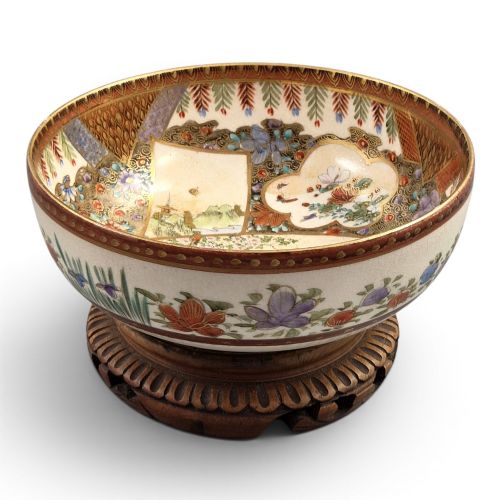
Kozan
The Oriental Porcelain Fruit Bowl Glossary
- Imari
- A style of Japanese porcelain featuring a distinct palette of cobalt blue, iron red, and gold. It was widely produced for export from the Edo period onwards.
- Famille Rose
- A palette of opaque enamel colours dominated by pink, introduced in Chinese porcelain during the Qing dynasty. The style allowed for painterly shading of floral and figural scenes.
- Reticulated
- Describes ceramic or basketwork formed with an open network pattern. It involves pierced geometric or floral designs cut into the clay before firing.
- Punch Bowl
- A large, deep vessel originally designed for mixing and serving alcoholic punch at social gatherings. Their generous proportions made them ideal centrepieces.
- Cobalt Underglaze
- A blue pigment applied to raw porcelain clay before glazing and firing. This technique protects the pigment beneath a glossy transparent coating.
Oriental Porcelain Fruit Bowl: Frequently Asked Questions
How were these bowls used historically?
These large vessels served practical roles on dining tables and sideboards for punch, fruit, or display. Punch bowls held communal drinks at gatherings, while reticulated baskets and shallow bowls presented fruit.
Over time, their decorative qualities took precedence, leading owners to use them primarily as centrepieces. Their scale and colour made them focal points in formal rooms.
How do I care for an antique bowl?
Wash the porcelain gently by hand using lukewarm water and mild soap when cleaning is necessary. Avoid abrasive sponges or harsh detergents that might harm fragile enamel or gold leaf.
Keep the bowl away from direct sunlight and extreme temperature changes to protect the glaze. Handle it carefully by the body rather than delicate rims or scalloped edges.
What defines Chinese export porcelain?
Chinese export porcelain refers to wares made in China specifically for European and Western markets. These pieces often combined traditional Chinese forms with decorative themes suited to foreign tastes.
They encompass robust blue and white punch bowls as well as delicate famille rose service pieces. The resulting items bridged Eastern manufacturing techniques with Western domestic interior styles.