





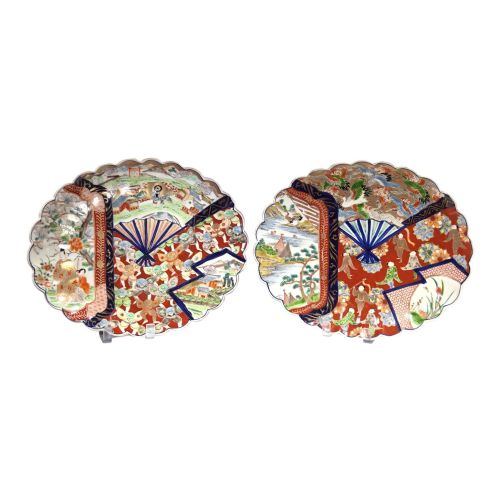


Japanese Decorative Platter
When you search for a japanese decorative platter, you are looking at substantial display vessels that span the late Edo and Meiji periods.
Japanese Decorative Platter
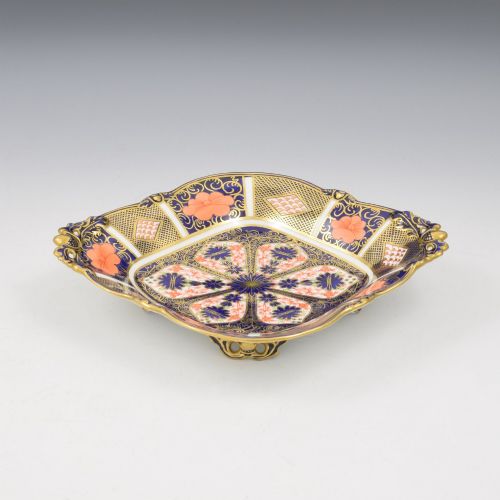
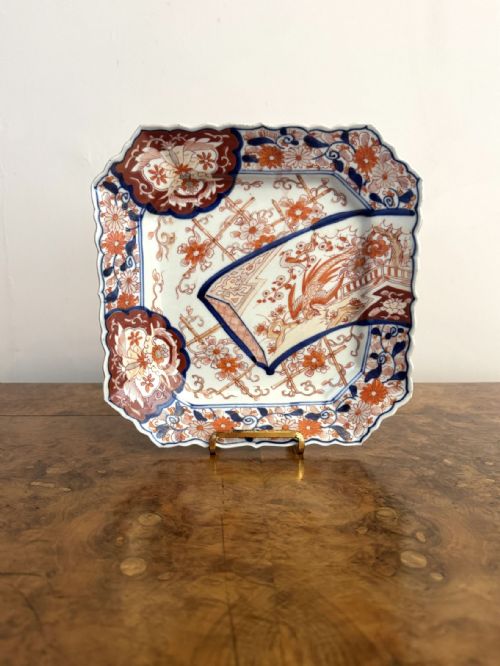
When you search for a japanese decorative platter, you encounter large chargers, plates, trays, and dishes created for display rather than everyday dining. The examples seen here encompass forms shaped as circles, squares, octagons, and scalloped edges, alongside clam shell dishes.
The selection draws heavily from late nineteenth-century workshops, spanning periods from the Edo era through the Meiji period up to the early twentieth century. You will frequently find subjects depicting birds, landscapes, dragons, and auspicious symbols rendered across porcelain, copper, and enamel bases.
How they were made
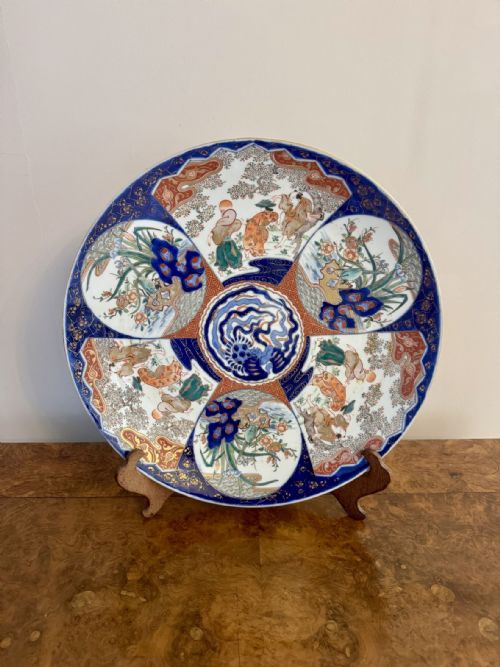
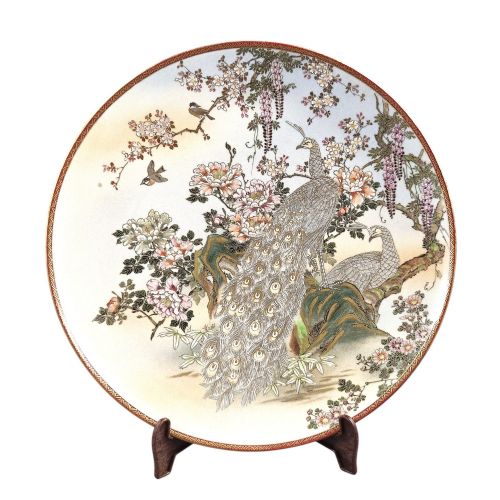
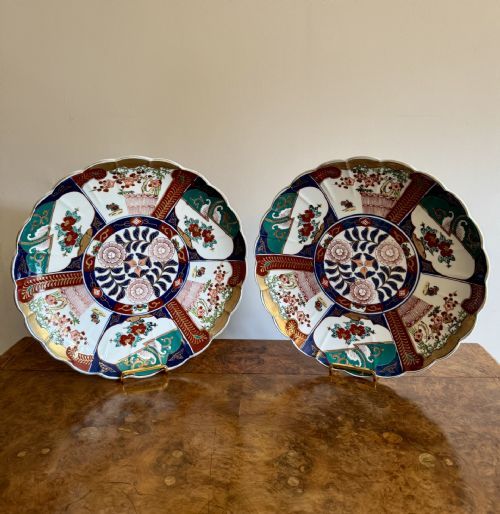
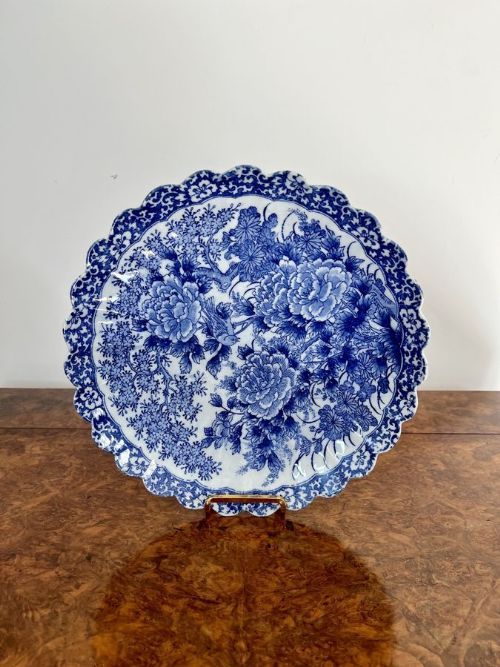
Makers utilised porcelain bodies decorated with hand-painted glazes, blue and white pigments, and gold leaf additions seen in Imari and Kutani wares. These ceramic pieces often combine detailed pictorial scenes with patterned borders.
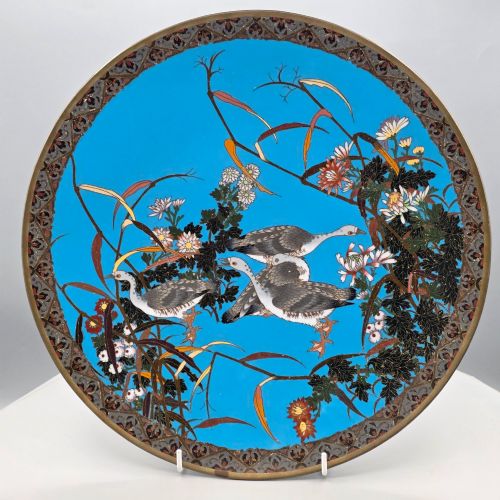
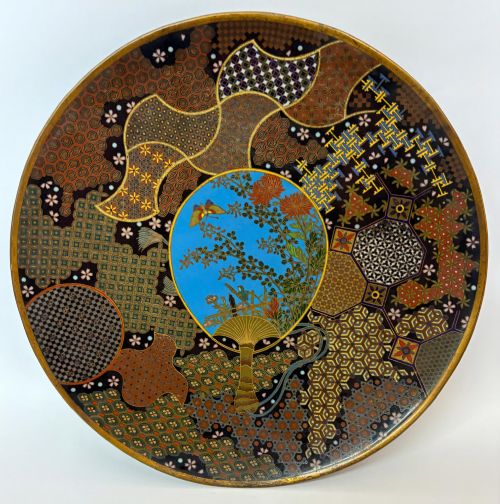
Cloisonne enamel examples employ copper bases fitted with thin wire cells to contain coloured enamel pastes, fired and polished to reveal intricate depictions of flora and fauna. Brass elements and gilt finishes provide structural framing and surface highlights on select trays and chargers.
Among the feathered and scaled subjects watching from these plates, a lone frog finds itself sharing space with chrysanthemums and butterflies.
What varies in quality
The precision and complexity of the hand-painted brushwork or the density of wirework cells set finer examples apart from simpler production pieces. Narrative depth, such as multi-figure scenes involving the Seven Lucky Gods or detailed depictions of koi and dragons, marks the upper tier.
The balance of the composition across large surfaces, including octagonal and square formats, indicates the maker's skill. Superior execution shows in the crispness of polychrome enamels and the careful integration of gold leaf highlights.
The Japanese Decorative Platter Glossary
- Imari
- A style of Japanese porcelain featuring underglaze blue and overglaze red, gold, and other colours. It originated in Arita and was widely exported.
- Cloisonne
- A technique where enamel paste is applied within compartments formed by soldered metal wires on a metal body. It creates intricate coloured patterns.
- Meiji Period
- The era in Japanese history lasting from 1868 to 1912, noted for a flourishing of decorative arts and international export.
- Kutani
- A style of Japanese porcelain recognised by bold colour palettes and detailed pictorial designs, often incorporating gold. Production spans multiple centuries.
- Charger
- A large decorative plate or platter intended for display on a sideboard or wall rather than for serving food at table.
Japanese Decorative Platter: Frequently Asked Questions
How do I display a large charger safely?
Large chargers and platters require sturdy wall hangers designed for heavy porcelain or dedicated plate stands for cabinet display. Ensure the weight is supported evenly across the rim and base.
Keep pieces away from direct sunlight to preserve the vibrancy of hand-painted glazes and enamel colours over time.
What is the difference between Imari and Kutani?
Imari pieces traditionally rely on a palette of underglaze blue combined with iron red and gold, often arranged in symmetrical floral or geometric panels. They are typically associated with Arita production.
Kutani ceramics utilise a broader and often denser range of colours, frequently featuring figurative scenes, birds, and peonies rendered in rich enamels and gold leaf.
How do I identify a Meiji period piece?
Meiji period items, produced between 1868 and 1912, frequently exhibit exceptional technical refinement in both porcelain painting and cloisonne enamel work. The subjects often include naturalistic motifs like geese, wisteria, and Mount Fuji.
Many pieces from this era reflect the opening of Japan to Western trade, combining traditional craftsmanship with forms intended for international collectors.
Were these platters used for dining?
Most large chargers and trays were made primarily for decorative display on walls, furniture, or stands rather than practical table service. Their substantial size and detailed surface decoration suited them for interior ornamentation.
Smaller dishes and square plates sometimes served functional dining or presentation roles, though surviving antique examples are generally preserved as decorative objects.