





Antique Japanese Platter
When you choose an antique japanese platter, you acquire a hand-painted ceramic or cloisonne work shaped to anchor a room.

Antique Japanese Platter
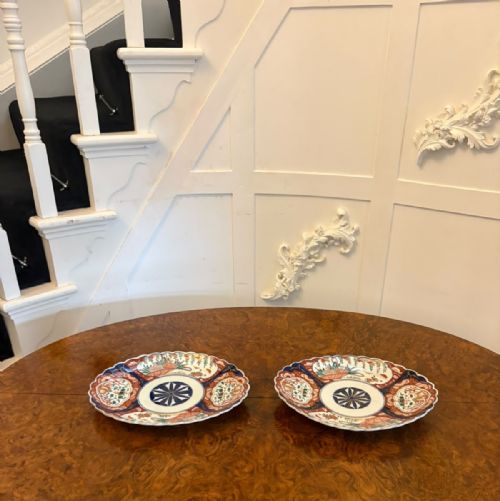
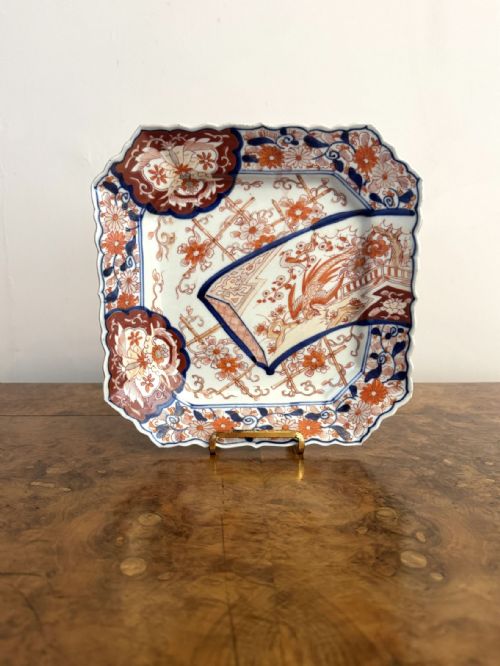
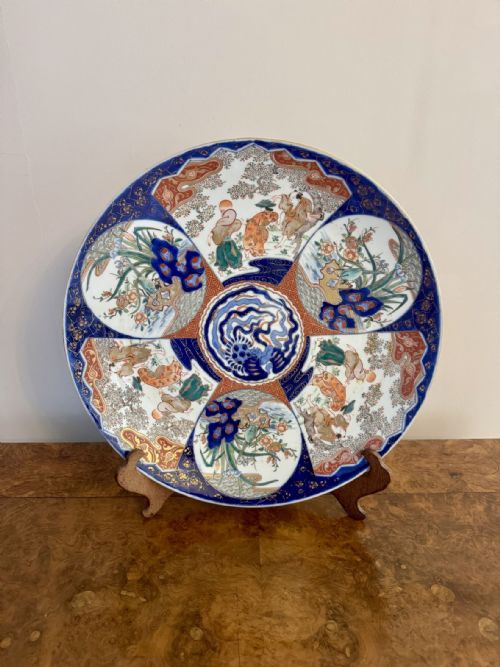
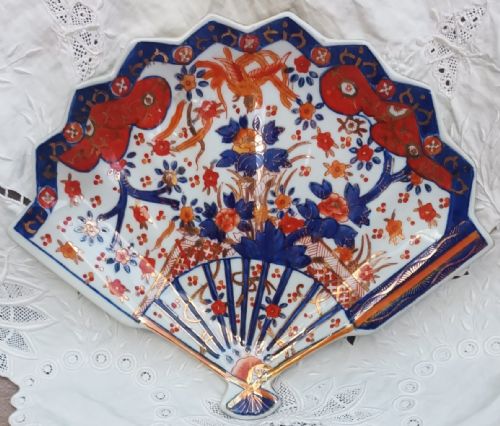
An antique japanese platter encompasses decorative chargers, circular plates, square dishes, and large trays produced during the Edo and Meiji periods.
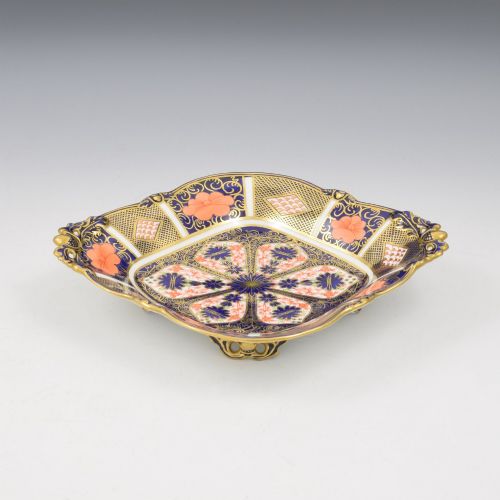
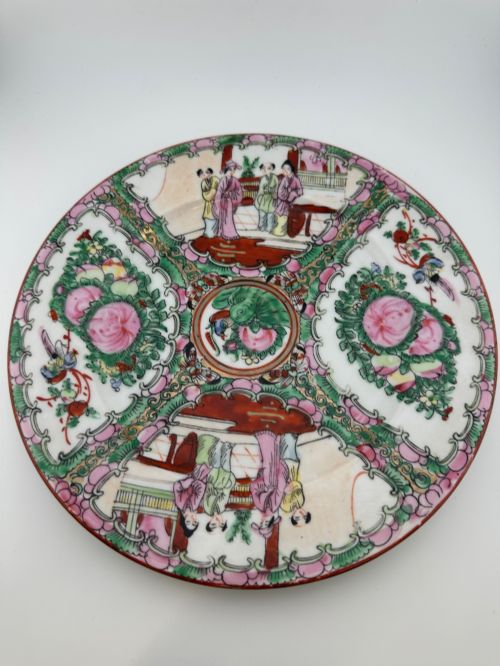
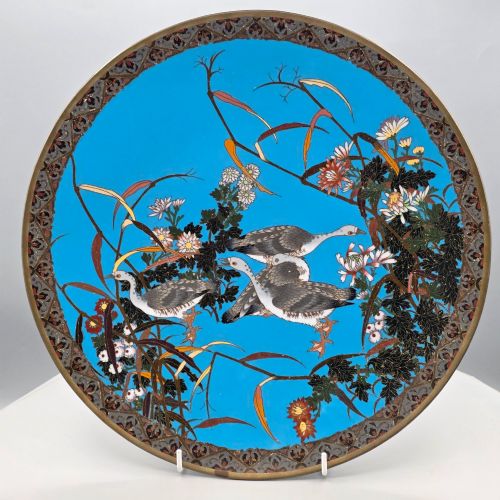
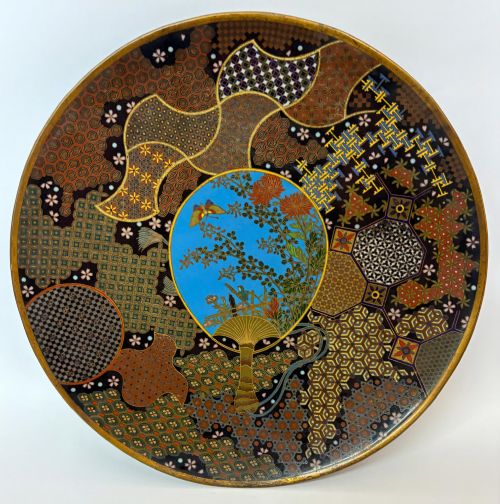
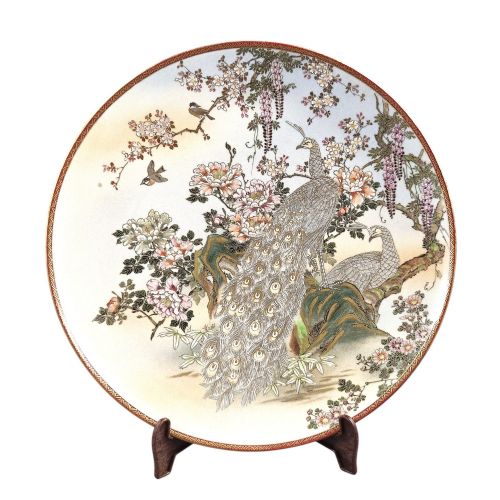
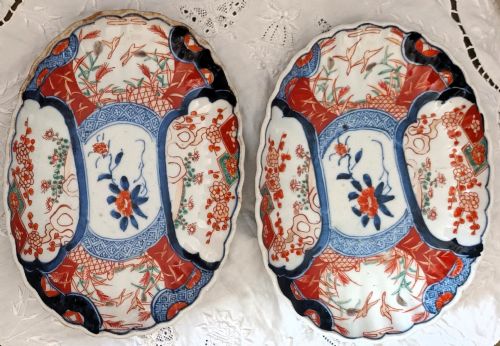
Buyers encounter substantial blue and white Imari chargers, polychrome Kutani porcelain, Satsuma moriage plates, and intricate cloisonne enamel trays depicting birds, landscapes, and floral motifs.
These items originate primarily from the nineteenth and early twentieth centuries, spanning periods from the Edo era through to the Meiji era.
Materials and construction methods
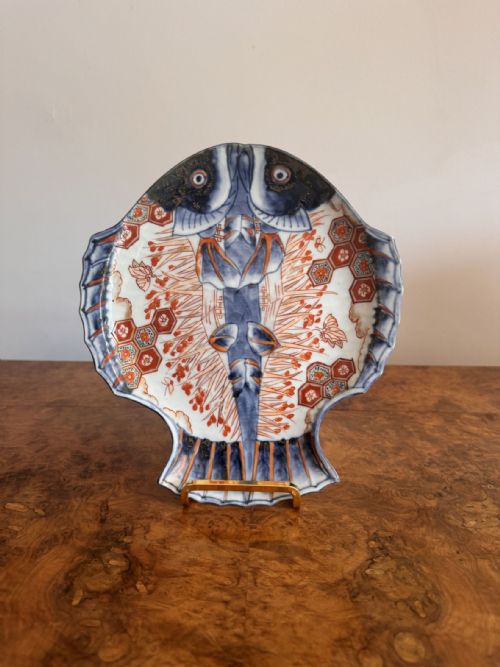
Potters shaped porcelain and clay into plates, chargers, and specialised forms such as fish or clam shell dishes, applying hand-painted glazes and underglaze blue pigments.
Metalworkers constructed cloisonne enamel and totai shippo trays using copper bases, solder wire partitions, and coloured enamel pastes fired to a smooth finish.
Artisans applied gold leaf, gilt highlights, and intricate moriage relief work to ceramic surfaces to delineate detailed motifs.
Listings feature items spanning the eighteenth century, the Edo period, and the nineteenth-century Meiji era.
Distinctions in execution and design
Quality rests in the precision of the hand-painted brushwork and the complexity of the subject matter, such as rendered feathers, facial expressions on figures, and naturalistic landscapes.
In cloisonne enamel pieces, the fineness of the wirework grids and the uniformity of the fired enamel colour determine the standard of the manufacture.
Pieces signed by makers or featuring unusual forms like octagons, squares, or animal shapes demonstrate higher ambition than standard circular variants.
The Antique Japanese Platter Glossary
- Charger
- A large decorative plate intended for display rather than table service. These substantial vessels often measure over thirty centimetres across.
- Imari
- A style of Japanese porcelain featuring a palette of underglaze blue, iron red, and gilt highlights. The style originated in Arita and was widely exported.
- Cloisonne
- A decorative metalwork technique where enamel paste is applied within compartments formed by soldered wire on a copper base. Artisans then fire and polish the surface.
- Moriage
- A decorative ceramic technique using piped clay slip to build up raised patterns and textures on the glaze. This method creates a tangible relief effect on Satsuma ware.
- Kutani
- A style of Japanese porcelain known for bold polychrome enamel designs and pictorial scenes. These plates frequently depict figures, birds, and botanical arrangements.
Antique Japanese Platter: Frequently Asked Questions
How were antique japanese platters used?
These pieces served primarily as decorative chargers and display dishes rather than functional tableware. Households placed them on stands or hung them on walls to showcase intricate painted designs.
Craftsmen created larger chargers and trays to act as central decorative focal points within rooms.
What subjects appear on these plates?
Artisans depicted a wide array of traditional motifs including cranes, phoenixes, geese, butterflies, dragons, and figures from mythology or history. Botanical subjects like chrysanthemums, peonies, wisteria, and pine trees also feature prominently.
Landscapes incorporating Mount Fuji and abstract auspicious symbols complete the standard pictorial repertoire.
How do I identify the Meiji period?
The Meiji period spans from eighteen sixty-eight to nineteen twelve, a time when Japanese export art reached industrial and artistic peaks. Pieces from this era often exhibit highly intricate cloisonne work, dense pictorial decoration, and occasionally artist signatures.
Porcelain and enamel items from these decades show refined technical skill in both glaze application and metalworking.
How should I display a charger?
Display chargers securely using specialised wall brackets or sturdy table stands designed for heavy ceramic and metal objects. Position them away from direct sunlight and areas of heavy traffic to protect the enamel and gilt surfaces.
Ensure the mounting hardware matches the weight of the specific plate, particularly for large copper and enamel pieces.