






Antique Imari Dished Platter
An antique imari dished platter brings together rich iron-red and cobalt decoration across porcelain and ceramic forms that ground a room with historic depth.

Antique Imari Dished Platter
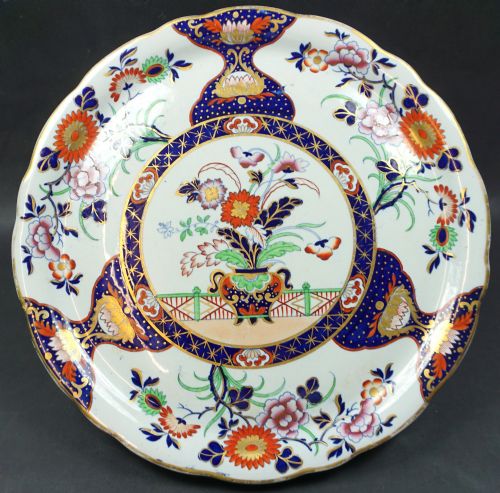
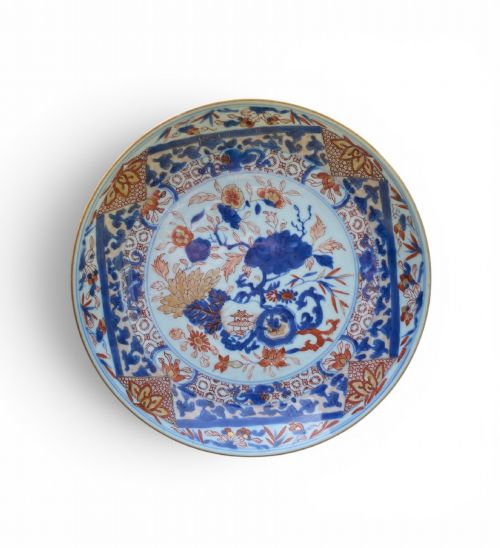
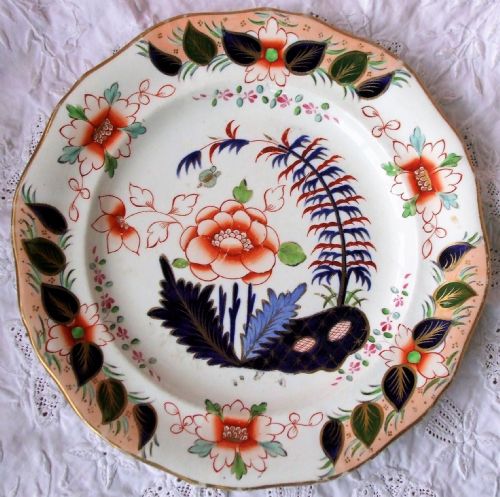
When searching for an antique imari dished platter, buyers encounter pieces spanning the eighteenth, nineteenth, and early twentieth centuries. The selection encompasses Japanese imports from the Edo and Meiji periods alongside English interpretations produced by factories such as John Davenport.
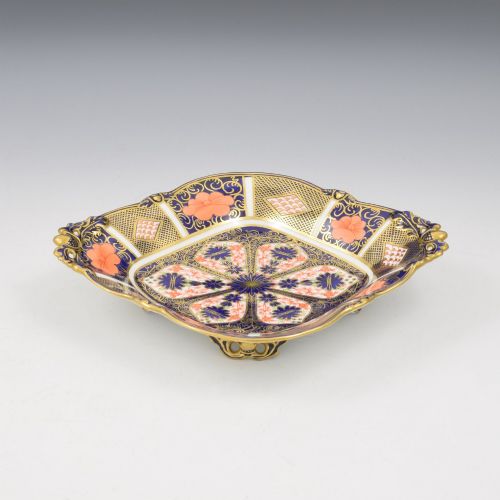
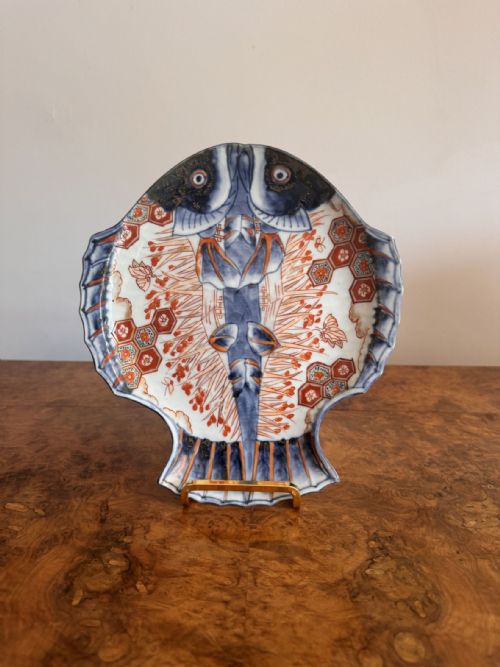
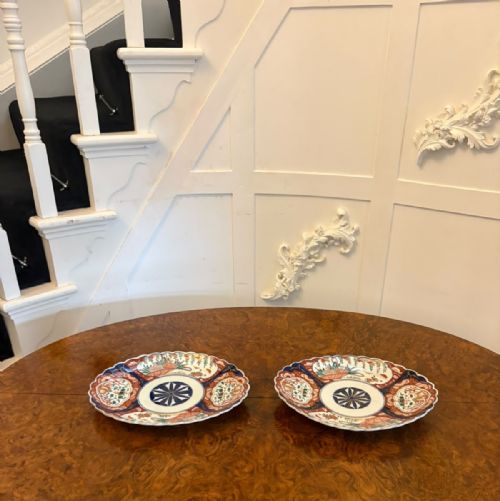
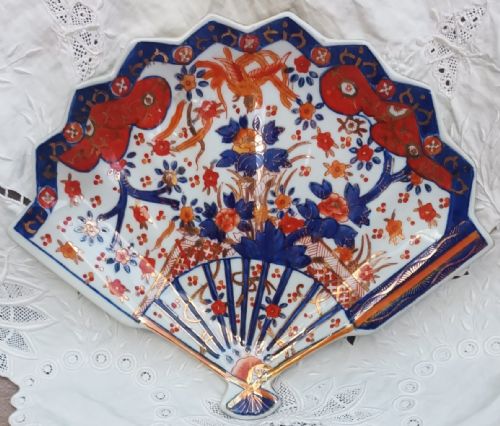
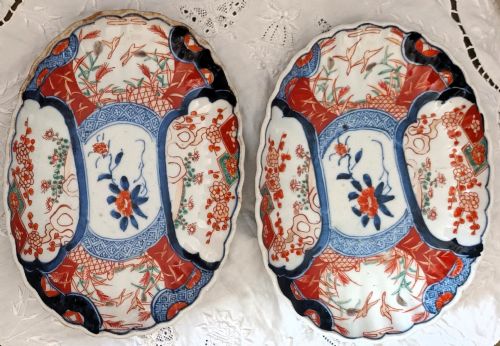
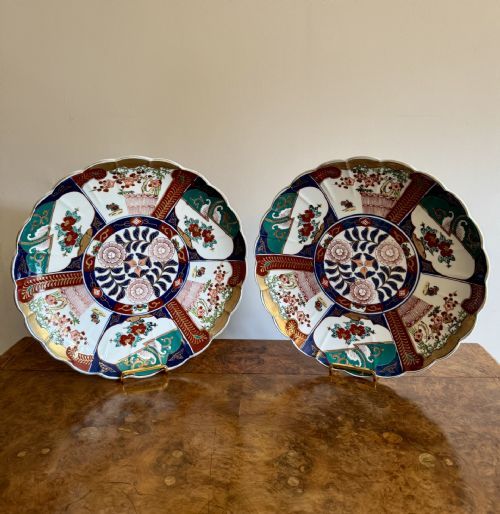
Forms vary widely from standard round chargers and plates to unusual shapes including square plates, fan shapes, fish forms, and oval dishes. These serve both as decorative chargers and functional serving vessels, defined primarily by their characteristic palette and porcelain or ceramic body.
Production materials and techniques
Potters utilised porcelain, ceramic, ironstone, and stoneware as bodies for these pieces, applying cobalt underglaze for the deep blue elements. Enamel colours and gold leaf or gilding were then added over the glaze to build up the intricate surface patterns.
Techniques ranged from standard wheel-throwing and moulding for plates and chargers to specialised hand-painting executed during the Meiji and Edo periods, as well as European adaptations in English kilns.
Some potters chose to render their platters in the exact likeness of a swimming fish or an open clam shell.
Judging quality in imari ceramics
The standard of execution in the hand-painted detailing separates basic domestic wares from exceptional display pieces. Precision in the application of cobalt underglaze alongside rich enamel and gold leaf defines the upper tier of production.
The crispness of moulded or shaped edges - such as scalloped profiles, clam shell contours, or fish forms - indicates the care taken by the maker. Intricacy of narrative scenes, such as depictions of the Seven Lucky Gods or koi carp, also elevates certain pieces above standard floral designs.
Royal Crown Derby·Hicks & Meigh·John Davenport of Longport·John Ridgway
The Antique Imari Dished Platter Glossary
- Imari palette
- A distinctive decorative scheme originating in Japan that relies primarily on cobalt blue and iron-red, frequently accented with gold.
- Charger
- A large decorative plate or platter traditionally utilised for display or heavy service on a dining table.
- Meiji Period
- The era in Japanese history spanning from 1868 to 1912, noted in these listings for detailed porcelain and ceramic production.
- Cobalt Underglaze
- A blue pigment applied to ceramic bodies before glazing and firing, ensuring permanence beneath the glassy surface layer.
- Edo Period
- The period in Japanese history from 1603 to 1868, represented here by early hand-painted porcelain dishes and chargers.
Antique Imari Dished Platter: Frequently Asked Questions
What periods do these platters come from?
The listings span from the late seventeenth century through the eighteenth and nineteenth centuries into the early twentieth century. This includes pieces from both the Japanese Edo and Meiji periods alongside English nineteenth-century productions.
European examples often mirror the aesthetic of imported Asian wares, showing how domestic potteries reinterpreted traditional palettes during the Georgian and Victorian eras.
How were these large platters used?
Many of these items functioned as chargers, designed to sit beneath smaller service plates or to present food directly at a dining table. Larger examples were frequently displayed upright on sideboards or hung on walls.
Their robust porcelain and ceramic construction allowed them to handle both heavy culinary service and long-term decorative display.
How do I distinguish Japanese from English imari?
Japanese examples, particularly from the Edo and Meiji periods, typically utilise fine porcelain bodies with traditional motifs like koi carp or deities. English pieces from firms like John Davenport or Hicks & Meigh often employ ironstone or stoneware.
Examining the foot ring, body weight, and potting style generally reveals whether a piece originated in Arita or an English factory in Staffordshire.
What shapes are available besides round plates?
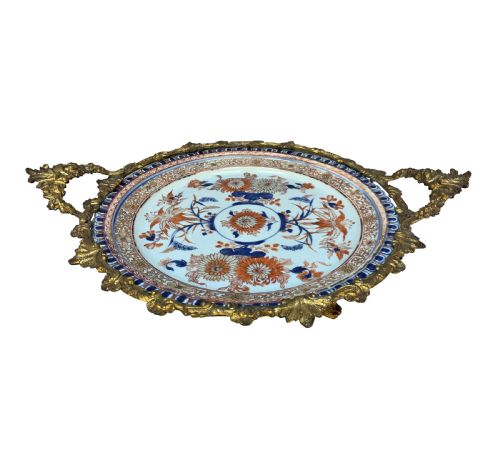
Beyond standard circular chargers, the evidence includes square plates, scalloped edges, oval dishes, and pierced serving trays. Potters also created specialised forms such as fish-shaped plates, fan-shaped pieces, and clam shell dishes.
These varied silhouettes demonstrate the versatility of potters working within the imari tradition across different centuries.