





Porcelain Display Charger
These porcelain display charger pieces bring intricate hand-painted design and substantial presence to a room, drawing the eye instantly.
Porcelain Display Charger
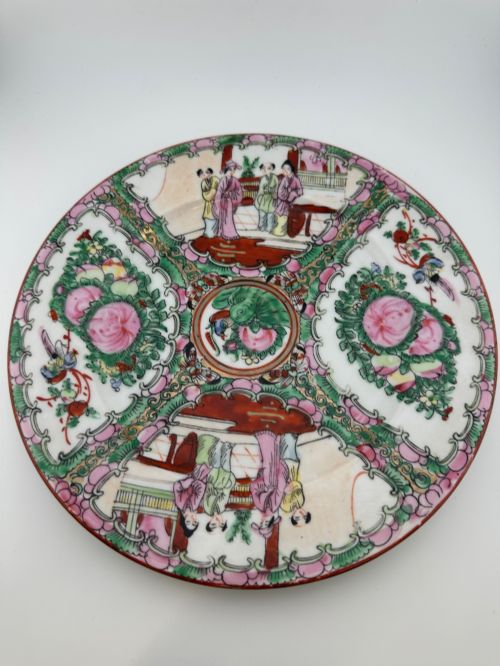
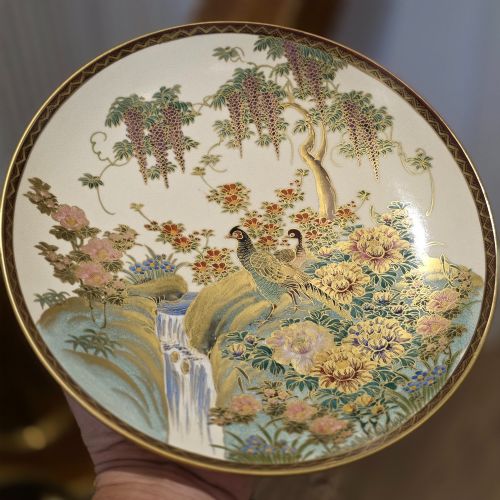
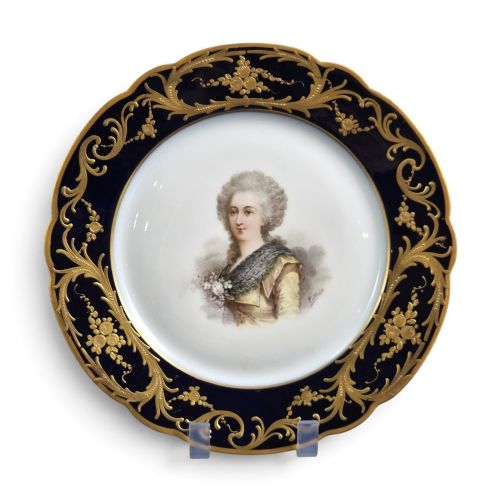
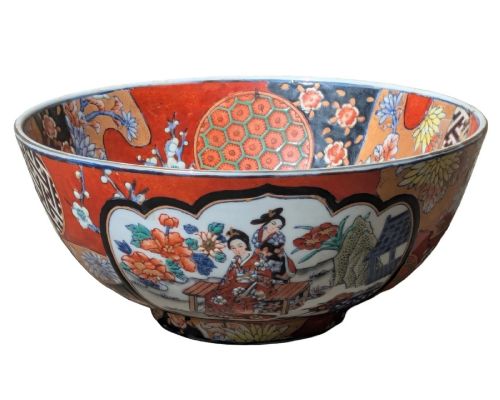
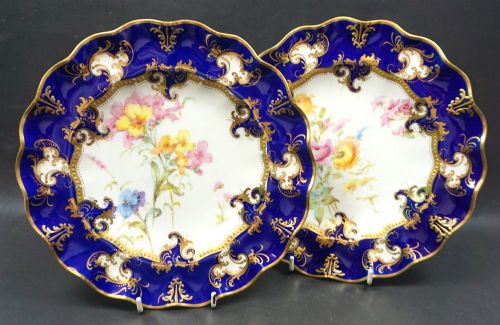
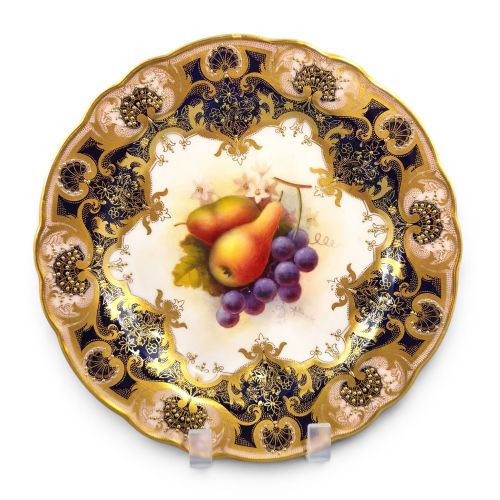
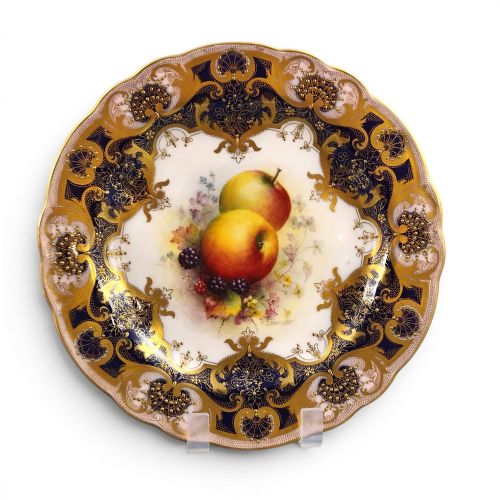
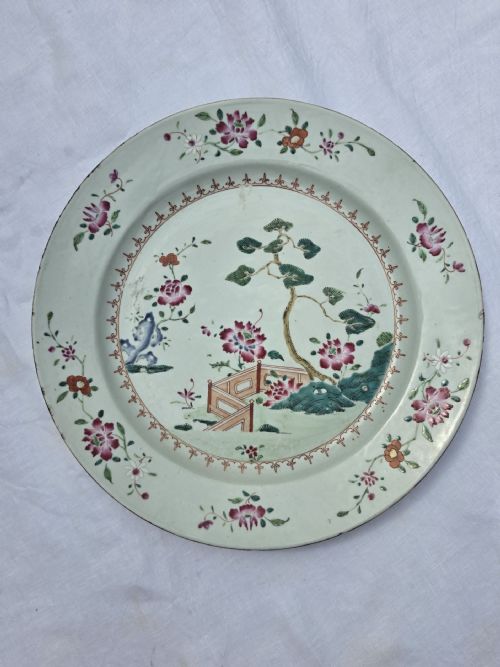
A porcelain display charger is a large decorative plate or platter created primarily for visual impact rather than dining use. When searching for a porcelain display charger, you encounter items spanning the eighteenth, nineteenth and early twentieth centuries from diverse global traditions. Japanese Imari pieces from the Meiji period and Chinese Qing dynasty wares dominate the selections available. European factories also contributed significant examples, including Dutch Delft earthenware, French Sèvres-style works and English Royal Worcester cabinet plates.
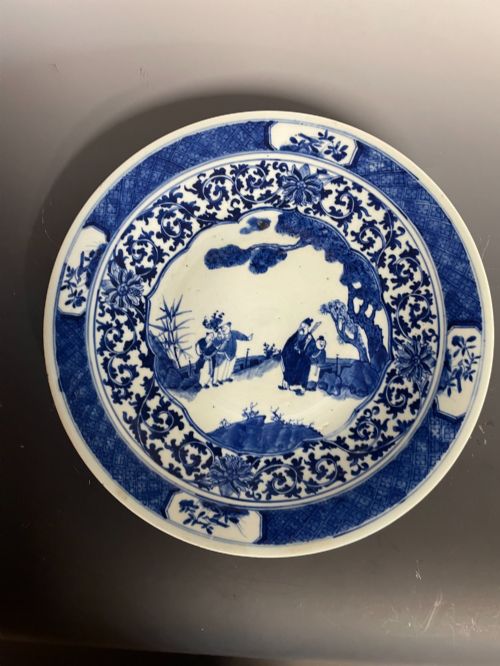
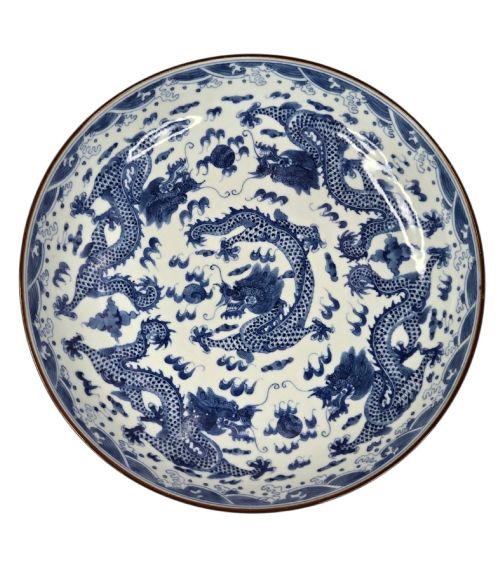
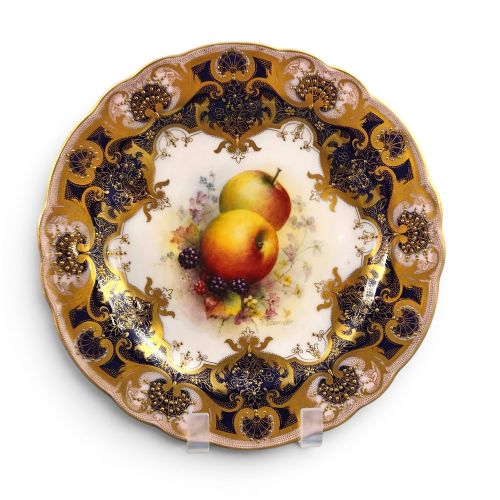
The assortment includes large round chargers alongside scalloped, square and hexagonal variations, plus related decorative bowls and cabinet plates. Pieces often display intricate floral, bird and dragon motifs rendered in cobalt underglaze, enamel and gilding. The forms range from heavy nineteenth-century Japanese chargers to delicate early twentieth-century hand-painted fruit plates.
Materials and methods behind the surface
Makers shaped refined ceramic clay into large plates and fired it at high temperatures to create the hard white porcelain body. Cobalt pigment was frequently applied directly beneath a clear glaze to produce deep blue underglaze decoration before the final firing.
Overglaze enamels, gold leaf and gilt detailing were often added during subsequent low-temperature firings to build up rich polychrome patterns. Skilled artisans utilised hand-painted techniques to apply detailed floral, avian and figurative scenes across the broad surfaces.
Listings feature porcelain display charger pieces spanning from the eighteenth century through the art deco era of the 1930s.
Distinctions across the range
Quality rests in the precision and complexity of the hand-painted decoration, where crisp lines and nuanced colour application separate standard wares from superior examples. The density and harmony of motifs, whether dense Imari florals or finely executed portrait and fruit studies, dictate artistic success.
The condition of the delicate gilding and enamel work after more than a century of handling plays a major role in the standing of a piece. Clean, undisturbed glaze surfaces and well-preserved underglaze cobalt pigments indicate superior manufacturing and careful preservation over time.
Royal Worcester·Royal Crown Derby·Koshida·Pucher Deroche·Meissen·Copeland
The Porcelain Display Charger Glossary
- Charger
- A large decorative plate traditionally used for ceremonial display rather than serving food. These substantial pieces provide a wide canvas for elaborate painted scenes.
- Imari
- A style of Japanese porcelain featuring a distinctive palette of underglaze blue, iron red and gilt highlights. Originating from the Arita area, these designs gained immense popularity in Europe.
- Cabinet plate
- A smaller decorative porcelain dish created specifically for display in a glass-fronted cabinet or on a wall. They frequently showcase meticulous hand-painted artwork by notable artists.
- Cobalt underglaze
- A pigment applied to the unfired ceramic body beneath a transparent glaze to withstand high-temperature kilns. This technique produces deep, permanent blue designs.
- Qing Dynasty
- The final imperial dynasty of China, spanning from the seventeenth to the early twentieth century. Wares from this period often display sophisticated five-clawed dragon motifs and Famille Rose enamels.
Porcelain Display Charger: Frequently Asked Questions
How were porcelain display chargers used?
These large plates were designed for visual display on sideboards, walls or tables rather than everyday dining. Wealthy households used them to showcase artistic craftsmanship and status.
Over time, smaller versions such as cabinet plates moved into enclosed display cases to protect delicate hand-painted surfaces and gilded details.
What is Japanese Imari porcelain?
Japanese Imari refers to wares exported from the port of Imari during the Edo and Meiji periods. They typically feature a striking combination of underglaze cobalt blue, iron red and gold leaf.
These patterns often incorporate floral arrangements, exotic birds and intricate geometric borders executed with high precision.
How do I distinguish eighteenth and nineteenth-century pieces?
Eighteenth-century examples often exhibit specific export styles such as Qianlong Famille Rose or early Chinese blue and white designs. The weight of the porcelain and the composition of the glazes provide clues to the era of production.
Nineteenth-century pieces frequently lean into dense Meiji period Imari decoration or European revival styles influenced by earlier historical periods.
How should I display a charger safely?
Displaying a large charger requires a secure wall mount or a sturdy plate stand designed to bear the substantial weight of the porcelain. Placing them away from direct sunlight protects enamel colours and gold leaf from fading.
Stability is essential because these decorative items are heavy and vulnerable to accidental knocks if placed near busy walkways.