



Japanese Decorative Art
Japanese decorative art brings together intricate enamel work, patinated metals and painted ceramics from the late nineteenth and early twentieth centuries.
Japanese Decorative Art
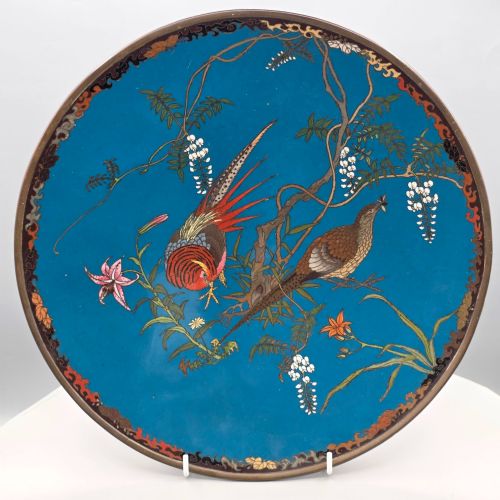
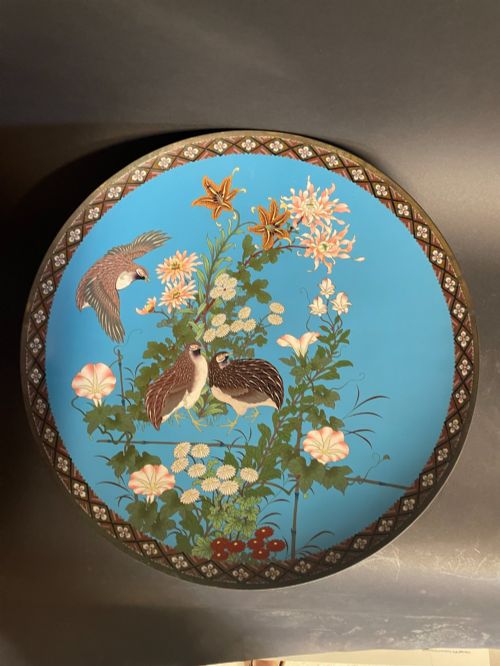
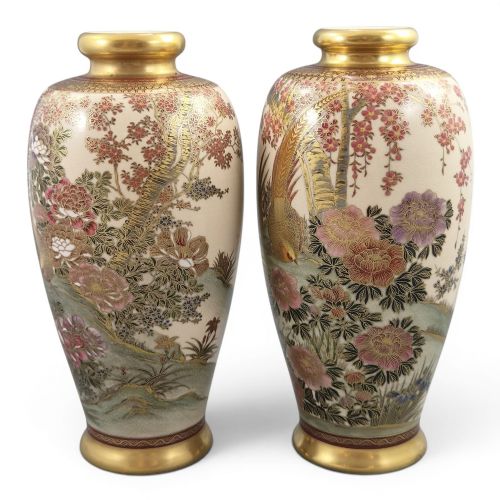
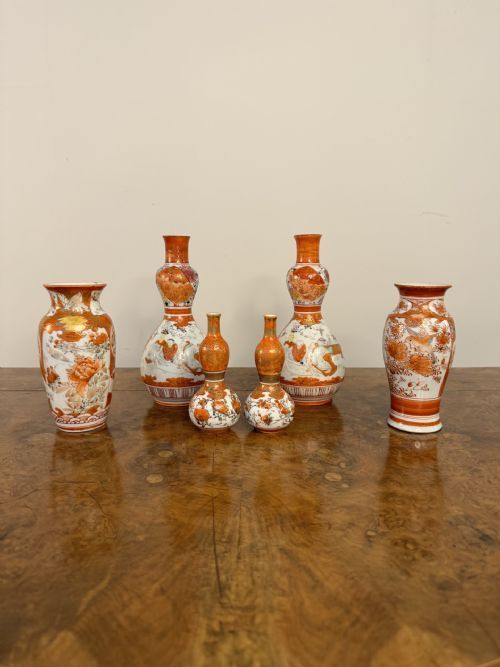
When you search for Japanese decorative art, you encounter a diverse range of objects created primarily during the Meiji and Taisho periods. These pieces include elaborate cloisonné chargers, Satsuma vases, Imari plates, bronze vessels and lacquered figures.
The items most frequently met on this page span the 1860s through to the 1920s, showcasing traditional craftsmanship in porcelain, earthenware and metalwork. Buyers seek these items for their detailed depictions of birds, flora, samurai and auspicious symbols.
The selection ranges from large decorative plaques and lidded gourd pots to delicate okimono and intricate baskets. Each form reflects the specific artistic traditions and firing or manufacturing techniques of Japanese workshops from the period.
Materials and construction methods
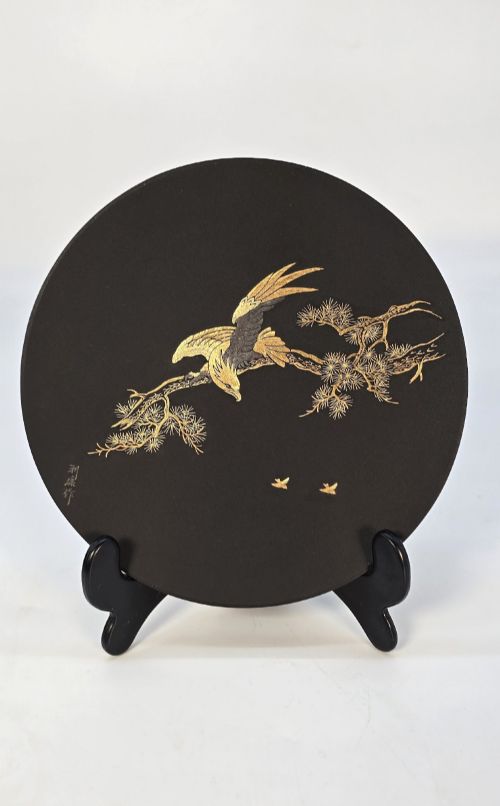
The creation of these works relies heavily on metals such as bronze, copper and brass, often enhanced with silver wire, gold leaf and patinated iron inlay. Cloisonné pieces utilise delicate metal wires soldered to a base to form cells which are then filled with coloured enamel.
Ceramic forms, including porcelain and earthenware, are shaped and painted using techniques seen in Imari, Kutani and Satsuma wares, often featuring cobalt blue, gilt and detailed hand-painted scenes. Lacquerware pieces involve the meticulous application of natural resins to build up deep, durable surfaces that receive carved or inlaid details.
The listings on this page span the 1850s to the 1930s, encompassing bronze, copper, porcelain, earthenware and silver wire cloisonné.
Distinctions in standard and execution
Quality in these objects is determined by the precision of the workmanship and the complexity of the design. Fine cloisonné demonstrates perfectly uniform wire cells and smooth, unblemished enamel surfaces without pitting or distortion.
In painted ceramics and lacquer, excellence is evident in the sharpness of the detail, the richness of the gilding and the balance of the composition. Signed pieces by recognised makers or workshops generally exhibit a superior level of artistic control and finish.
Manpei Kobe·Ando Jubei·Kinkozan Kyoto·Hododa Yokohama·Haruyama Shunzan
The Japanese Decorative Art Glossary
- Cloisonné
- A metalwork technique where thin wires are soldered to a body to create compartments filled with enamel paste and fired. This method allows for intricate multi-coloured patterns and pictorial designs.
- Imari
- A style of Japanese porcelain featuring a distinct palette of underglaze blue and iron red, frequently augmented with gold. These wares were widely produced for both domestic and export markets.
- Satsuma
- A type of earthenware with a characteristic ivory-coloured, crackled glaze that is typically decorated with polychrome enamels and gilding. Major production centres included Kyoto and Satsuma province.
- Okimono
- A small Japanese freestanding carving or sculpture intended for display on a tokonoma or shelf. They depict figures, deities, animals and natural subjects carved from ivory, wood, lacquer or metal.
- Basse-Taille
- A translucent enamel technique where the metal background is carved or engraved so that the enamel applied over it varies in depth, creating shifting patterns of light and shade.
Japanese Decorative Art: Frequently Asked Questions
What periods do these pieces date from?
The items originate mainly from the Meiji, Taisho and early Showa periods, stretching from the mid-nineteenth century into the early twentieth century.
Production methods during these eras shifted as traditional craft guilds adapted to international demand while retaining classical Japanese motifs.
How do I identify Satsuma ware?
Satsuma ware is recognised by its distinctive cream-coloured earthenware body covered in a fine, characteristic network of glaze crackles.
Painted decoration on these pieces typically incorporates rich enamels and detailed gilt work depicting figures, deities or natural scenes.
What is ginbari enamel?
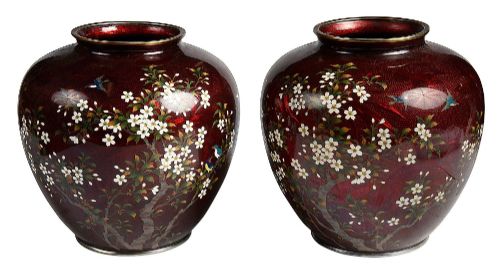
Ginbari enamel involves applying embossed silver foil beneath translucent coloured enamel to create textured patterns that catch the light.
This technique is frequently seen on Meiji period cloisonné vases, giving the surface a distinct shimmering depth.
How should I care for antique lacquerware?
Antique lacquer items require gentle handling and protection from direct sunlight and extremes of humidity which can cause the material to dry or crack.
Dusting should be done lightly with a soft, dry cloth without the use of chemical polishes or modern cleaning agents.