





Jacobean Carved Box
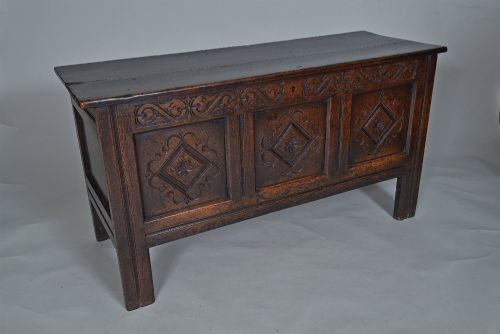
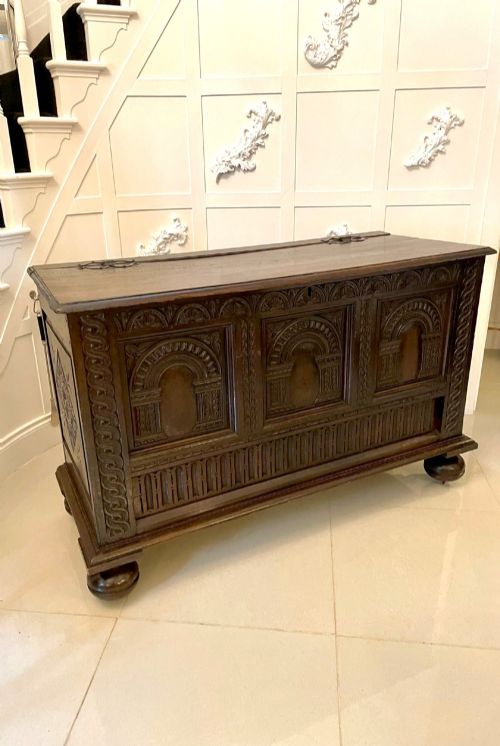
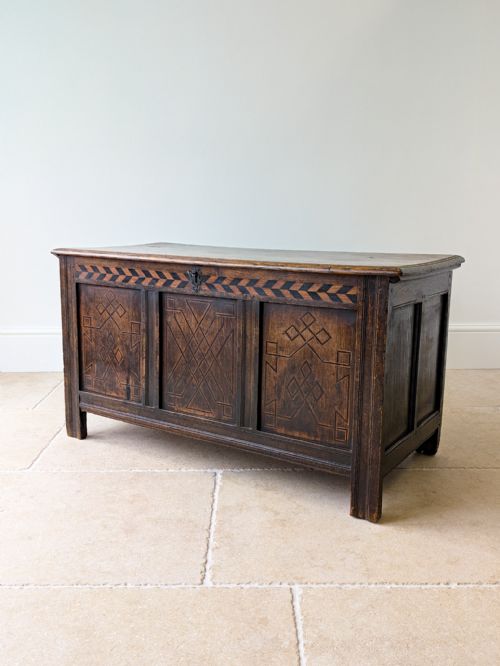
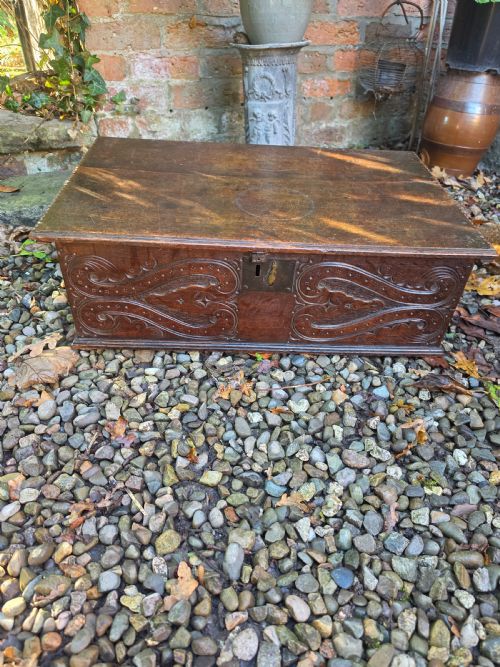
A jacobean carved box brings heavy timber and formal geometric panelling into a room, serving as a sturdy storage container or small chest.
Jacobean Carved Box
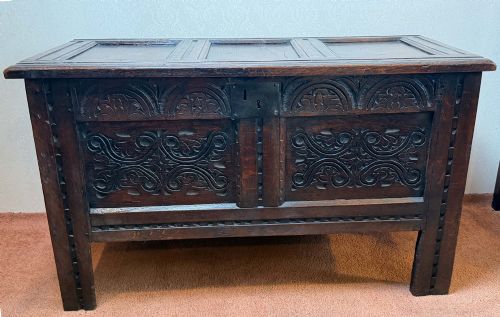
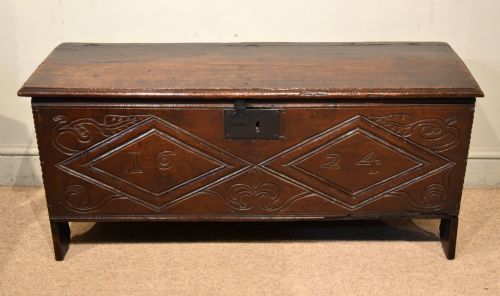
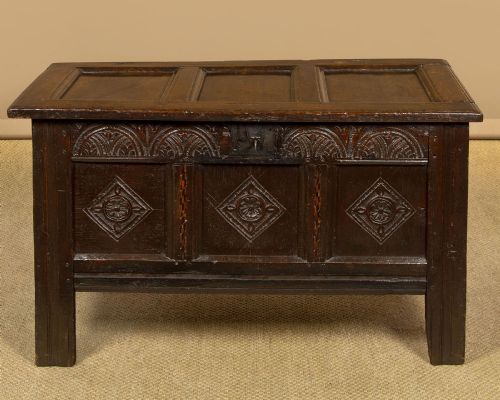
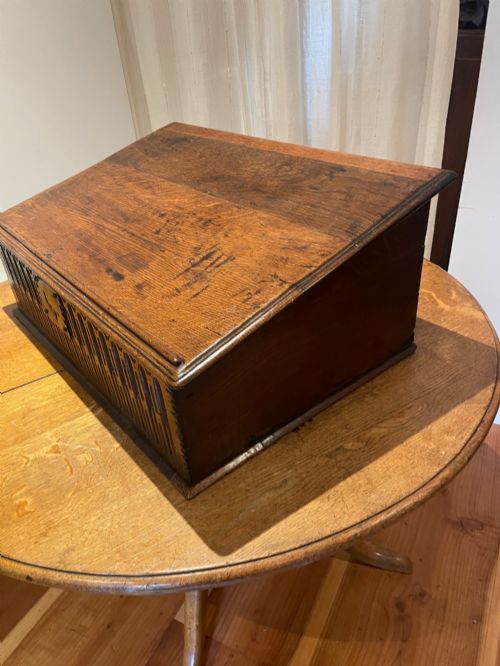
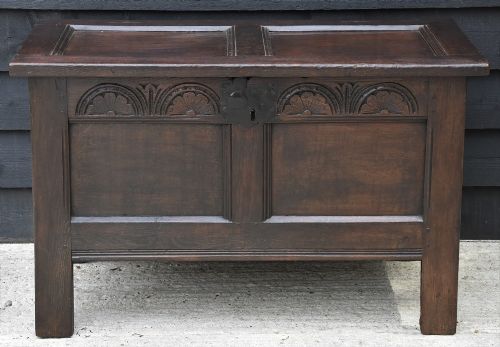
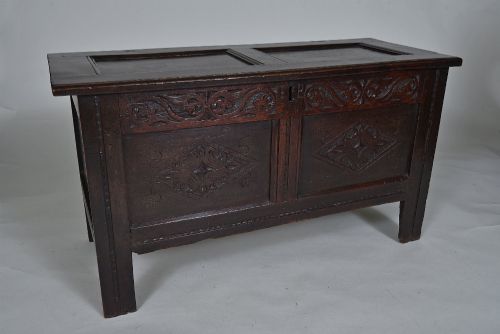
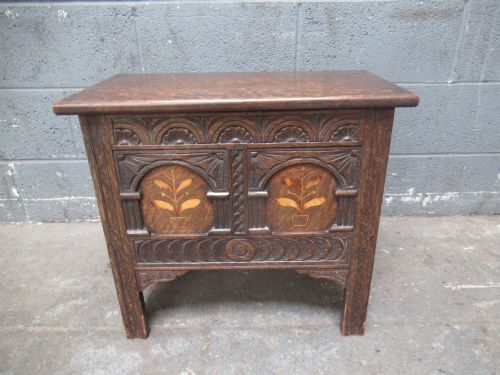
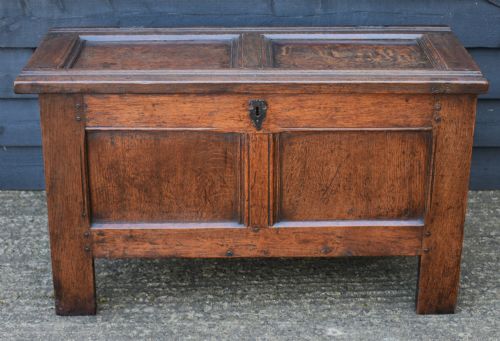
A jacobean carved box encompasses solid timber containers designed for storage, writing, or domestic use, spanning genuine seventeenth-century examples and later revival pieces from the Victorian, Edwardian, and twentieth-century periods. Buyers searching this phrase most frequently encounter oak coffers, blanket chests, document and Bible boxes, table boxes, and small wall-hanging cupboards.
The physical forms range from small desk boxes with slant fronts or internal drawers to large panelled coffers, mule chests, and box seats. Many items exhibit styles linked directly to seventeenth-century English craftsmanship, alongside revival interpretations produced in the nineteenth and twentieth centuries.
How They Were Made
Construction relies heavily on solid oak, joined using traditional framing techniques and pegged joints that accommodate the natural movement of timber over centuries. Surfaces are enriched with hand-carved decoration, occasionally complemented by marquetry inlay, mixed inlay woods, or ebonised wood details.
Hardware such as iron hinges, latches, and brass fittings provide structural reinforcement and functional closure, reflecting the utilitarian origins of these wooden containers alongside their decorative carving.
Jacobean Carved Box Retail Price Guide 2026
Typical asking prices for jacobean carved box among the pieces listed under this phrase on Sellingantiques today, from the lower quarter to the upper quarter. They describe what is for sale here now, not the wider market.
Listings feature oak material extensively, alongside iron and brass hardware, spanning periods from the seventeenth century through the 1930s.
What Varies In Quality
The standard of a jacobean carved box rests on the depth and crispness of the hand-carving, the integrity of the joined oak structure, and the proportion of the panels. Early seventeenth-century examples display distinct tool marks and patination that mark genuine age compared to later revival items.
Proportions also dictate distinction, with smaller scaled boxes and panelled coffers retaining a tighter visual balance than larger or heavily restored chests.
The Jacobean Carved Box Glossary
- Coffer
- A large wooden chest used historically for storage and travel. These sturdy containers often feature panelled construction and hinged lids.
- Bible Box
- A small desk or tabletop box designed to hold sacred texts and writing materials. Many feature sloping lids and fitted interior compartments.
- Joined Oak
- Furniture constructed from frames and panels secured with wooden pegs rather than glue or modern fasteners. This method accommodates seasonal wood expansion.
- Marquetry Inlay
- Decorative patterns created by fitting contrasting wood veneers into prepared recesses on the furniture surface. It adds geometric or floral richness to the timber.
- Revival
- A later period style that copies historical designs, such as seventeenth-century motifs reinterpreted during the Victorian and Edwardian eras.
Jacobean Carved Box: Frequently Asked Questions
What was a jacobean carved box used for?
These boxes served multiple domestic functions, including storing valuable documents, textiles, household linens, and bibles safely away from damp floors.
Smaller table boxes functioned as portable desks for writing letters, while larger coffers acted as general storage trunks and impromptu seating.
How do I tell seventeenth century from revival pieces?
Authentic seventeenth-century pieces display deep patination, hand-cut tool marks, and traditional joined oak construction methods unique to early workshops.
Revival items from later centuries often feature machine-cut components or timber treatments that lack the wear patterns of genuine early use.
Where should I place a box in my home?
Small Bible boxes and table pieces sit comfortably on side tables, desks, or chest tops to hold everyday items.
Larger coffers and mule chests work well at the foot of a bed, in hallways as seating, or against living room walls as statement storage.
What is a mule chest?
A mule chest is a storage coffer that incorporates one or more drawers beneath the main lift-up compartment.
This hybrid form bridges the gap between traditional trunk storage and modern drawer chests.