


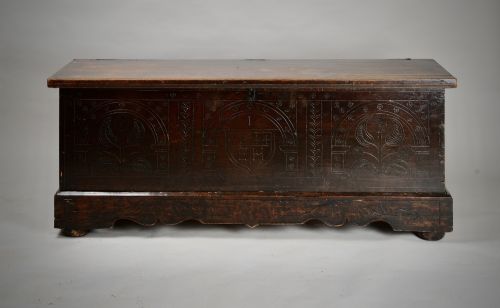
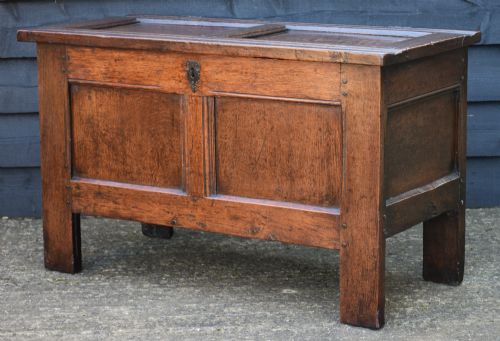
Dark Brown Oak Chest
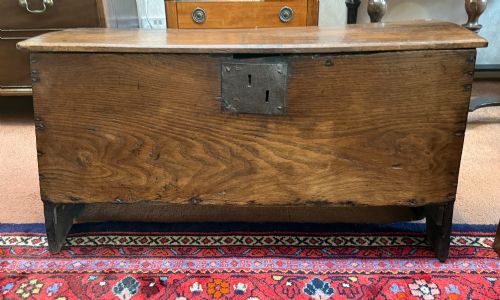
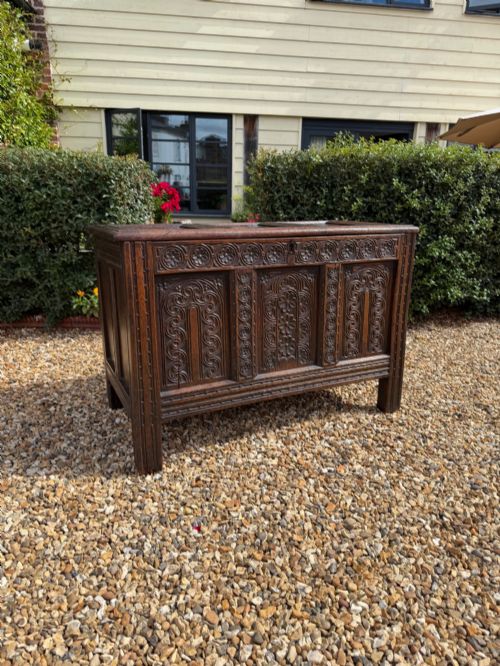
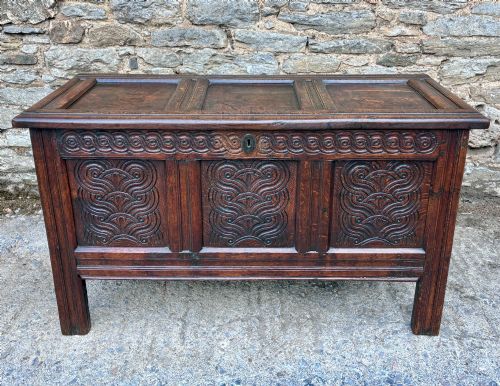
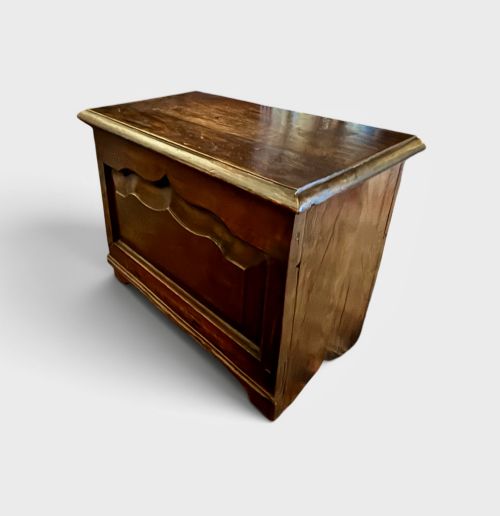
A dark brown oak chest carries the weight of centuries, offering robust storage shaped by early carpenters.
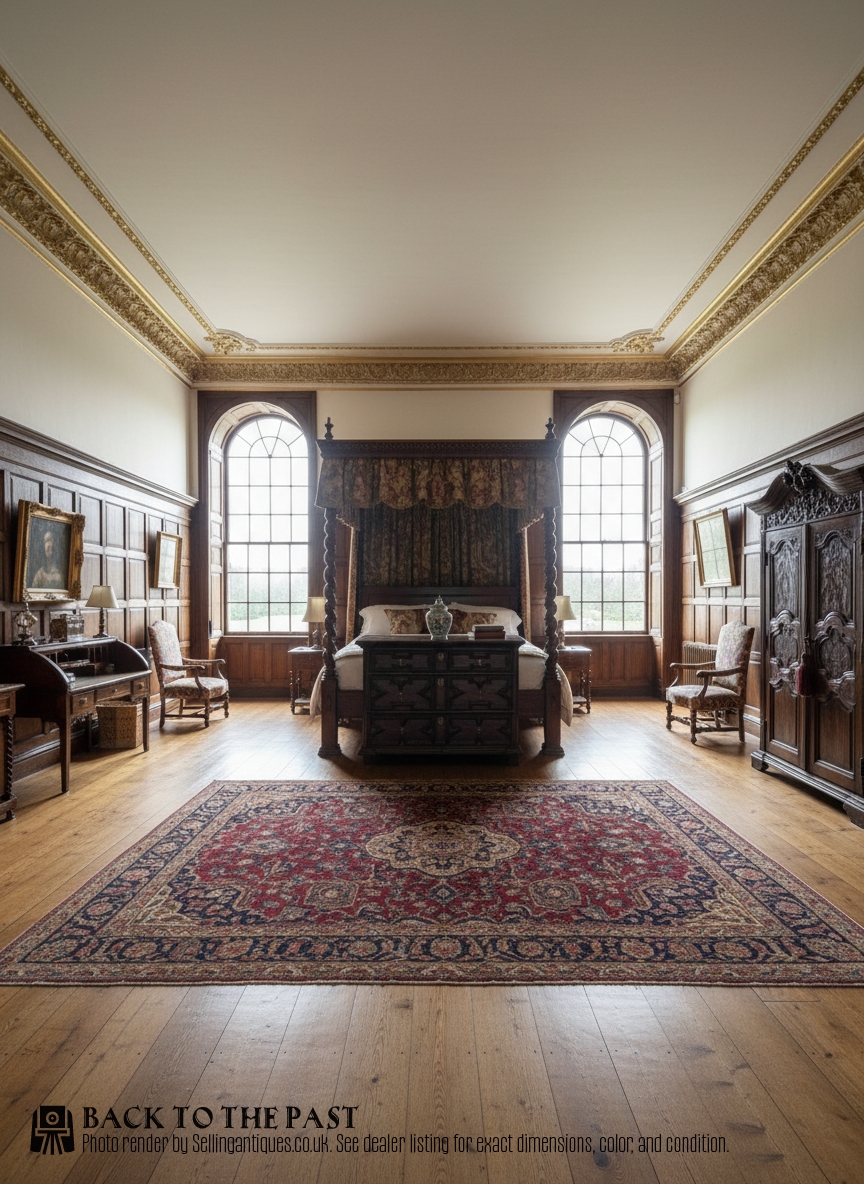
Dark Brown Oak Chest
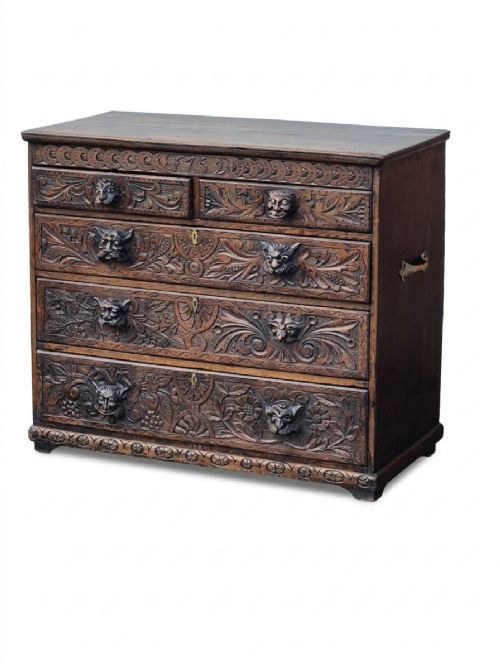
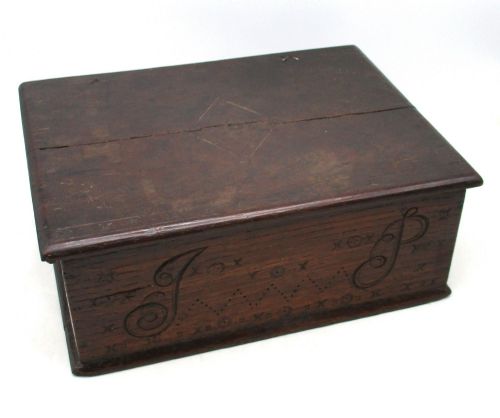
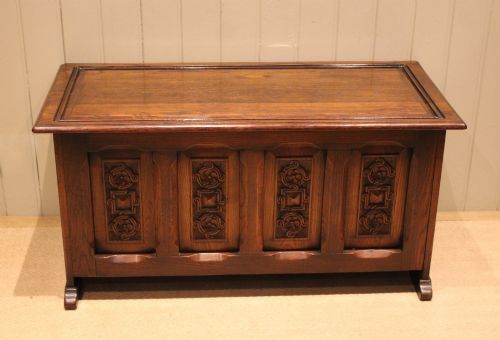
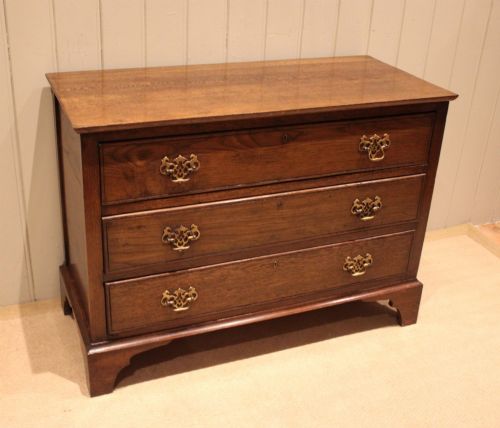
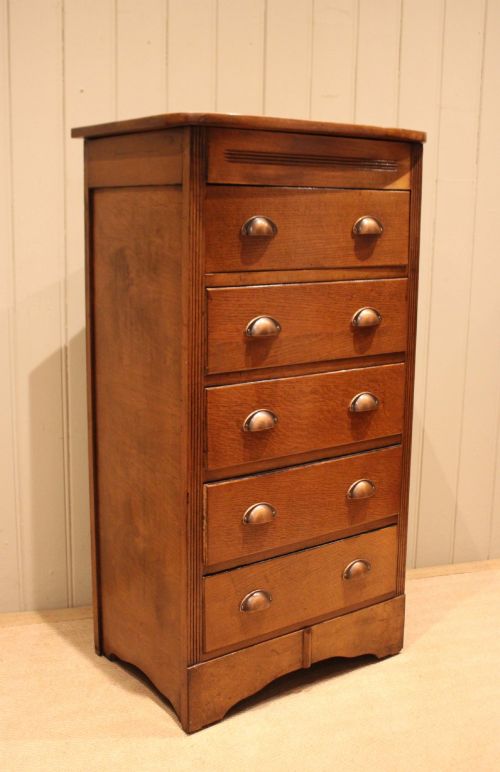
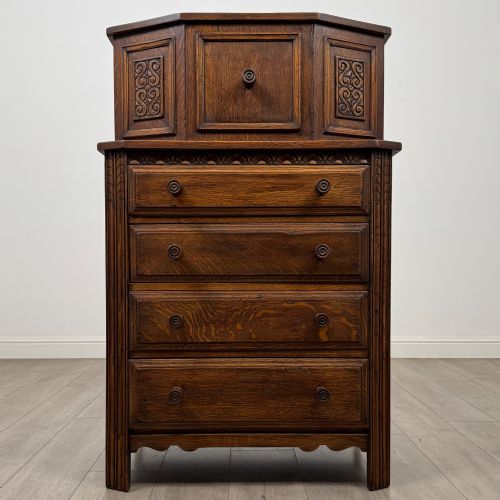
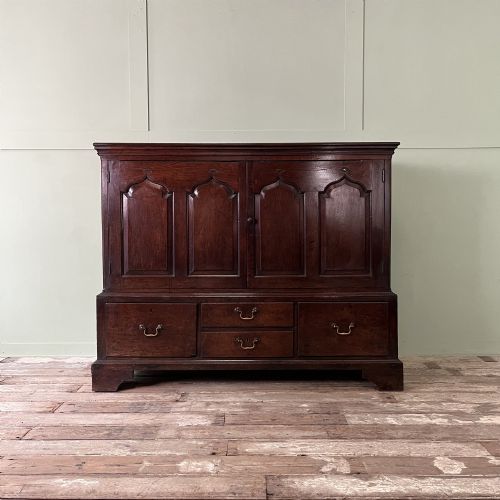
A dark brown oak chest brings centuries of practical storage into a room, ranging from early panelled coffers to later multi-drawer chests of drawers. These pieces emerge from periods spanning the sixteenth century through to the Edwardian era, reflecting shifting domestic needs.
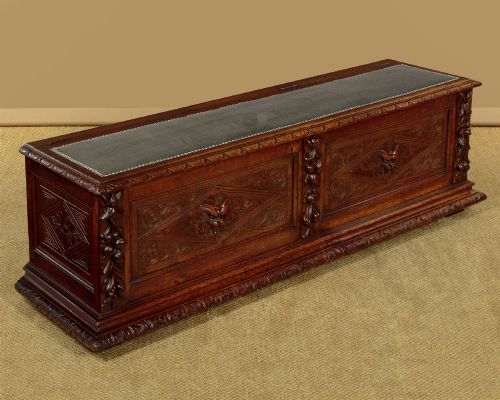
The most common forms on this page include sturdy seventeenth-century coffers and eighteenth-century geometric moulded chests. Buyers encounter robust oak construction coupled with brass or iron hardware.
Origins stretch across English workshops and continental makers, uniting utilitarian design with enduring timber. Each dark brown oak chest serves as a tangible record of historical joinery.

Materials and Construction
Makers relied on solid oak timbers, chosen for strength and rich grain, joined by pegged mortise and tenon joints in early pieces. Surfaces gained their deep colour through age, wax finishes, and sometimes ebonised wood details.
Hardware played a functional role, utilising forged iron hinges, locks, and brass drop handles or escutcheons. Wood inlay and geometric mouldings added decorative depth without compromising structural integrity.
Dark Brown Oak Chest Retail Price Guide 2026
Typical asking prices for dark brown oak chest among the pieces listed under this phrase on Sellingantiques today, from the lower quarter to the upper quarter. They describe what is for sale here now, not the wider market.
Listings feature solid oak across centuries, incorporating brass hardware, iron fittings, leather accents, and ebonised wood details.
Assessing Quality
Quality rests upon the integrity of the timber and the crispness of hand-carved details like geometric mouldings or panel work. Pieces retaining original hardware and untouched surface patination stand apart from heavily restored examples.
Proportions and balance dictate the sophistication of a piece, separating utilitarian storage from finer cabinet work. Early boarded construction and well-executed dovetailing reveal the skill of the original maker.
The Dark Brown Oak Chest Glossary
- Coffer
- A heavy wooden chest traditionally used for storing valuables or documents. These storage pieces often feature hinged lids and panelled construction.
- Geometric moulding
- Raised wooden profiling applied in repetitive patterns to drawer fronts and panels. This technique defined many seventeenth-century cabinet pieces.
- Linenfold
- A style of carved wooden panelling that resembles folded fabric. It appears frequently on Tudor and Jacobean furniture.
- Patina
- The surface sheen and deep colour developed by timber over years of handling and polishing. A rich patina indicates age and regular care.
- Spice cupboard
- A small, diminutive wall or table cabinet fitted with internal drawers. These compartments held valuable spices and medicinal ingredients.
Dark Brown Oak Chest: Frequently Asked Questions
What is a dark brown oak chest used for?
These pieces serve primarily as functional storage furniture for blankets, linens, and household goods. Their sturdy construction allows them to double as occasional surface tables or seating benches.
Historically, larger coffers secured valuable possessions against theft and dampness in domestic spaces. Today, they integrate easily into living rooms and hallways as practical storage solutions with historic character.
How do I date an oak chest?
Dating relies on observing construction methods, hardware types, and decorative styles like geometric mouldings or linenfold panelling. Early pieces utilise hand-rived oak boards joined with wooden pegs rather than machine-cut nails.
Changes in drawer construction, lock plates, and hinge designs also offer clear chronological markers. Comparing these elements against documented examples helps narrow down the period of manufacture.
How do I care for antique oak furniture?
Maintain the timber by applying traditional beeswax periodically to nourish the dry wood and preserve the surface patina. Avoid placing pieces near direct heat sources or strong sunlight to prevent splitting.
Dust regularly with a soft, dry cloth rather than using modern chemical sprays. Gentle care protects the historic finish and natural grain of the oak.
What is the difference between a coffer and a chest?
A coffer typically describes a heavy storage box with a hinged lid, often constructed using six-board or framed-panel techniques. These represent some of the earliest forms of domestic furniture.
A chest of drawers incorporates sliding compartments stacked vertically, a development that gained popularity during the seventeenth century. Both forms utilise solid oak, but serve different organisational needs within a room.