


Italian Grand Tour Bronze
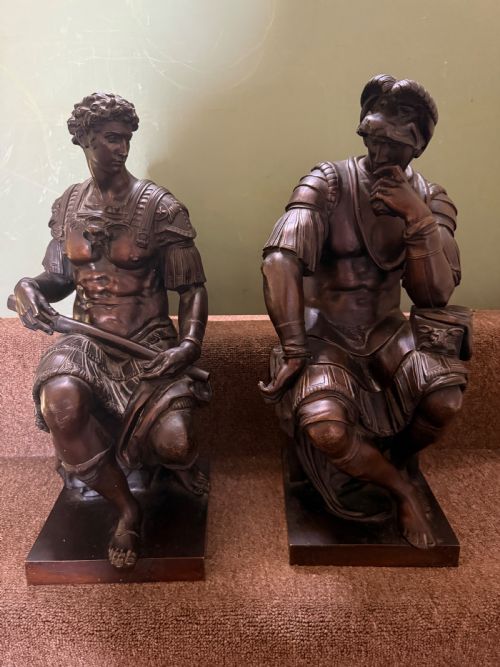
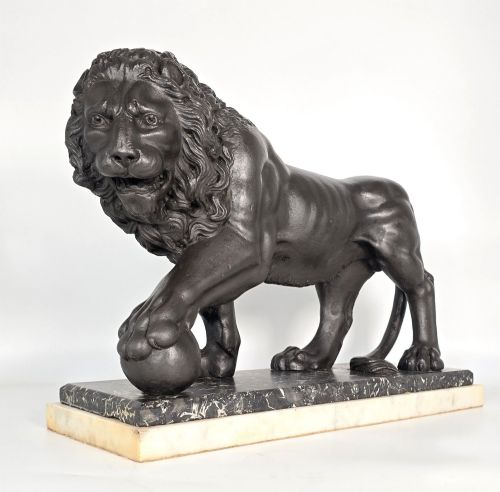
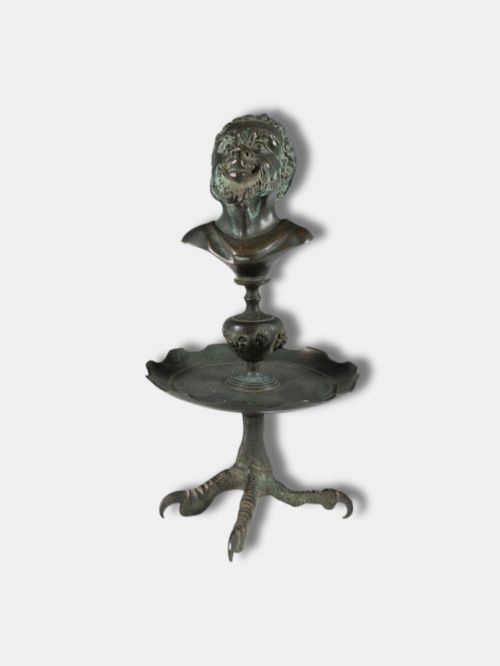
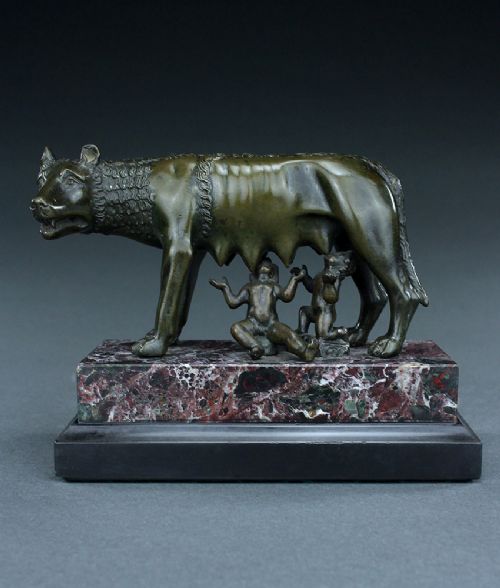
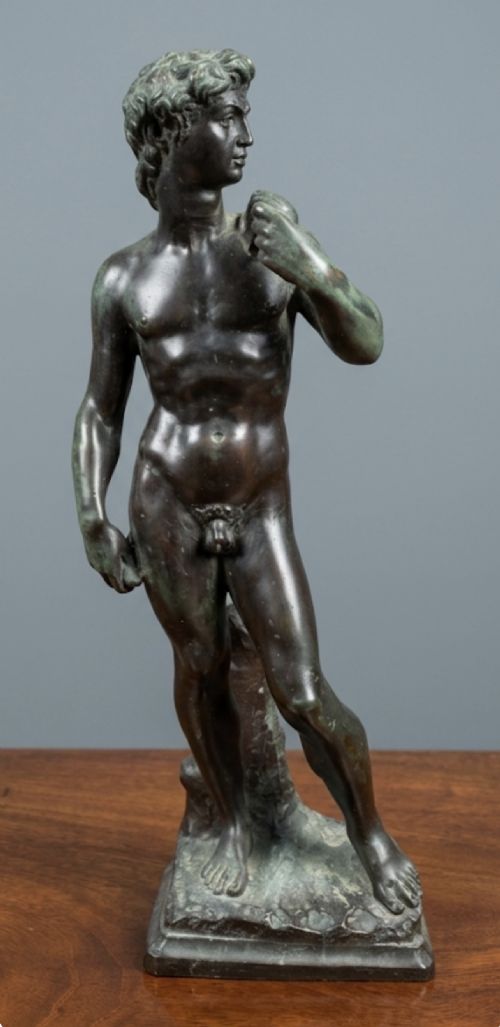
These heavy, finely cast metal reductions bring the sculpture and architecture of classical antiquity into the nineteenth-century study.

Italian Grand Tour Bronze
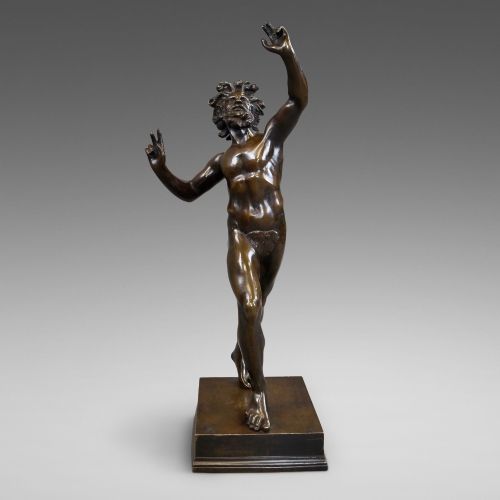
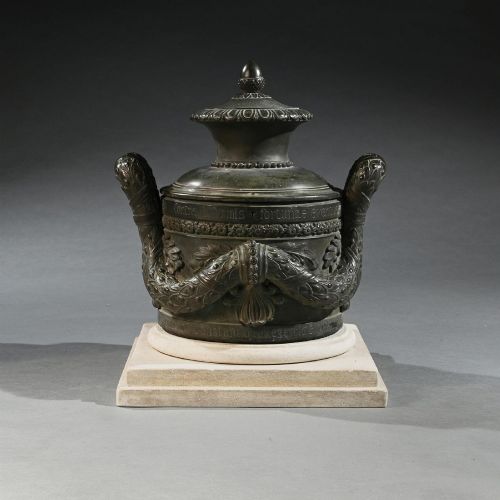
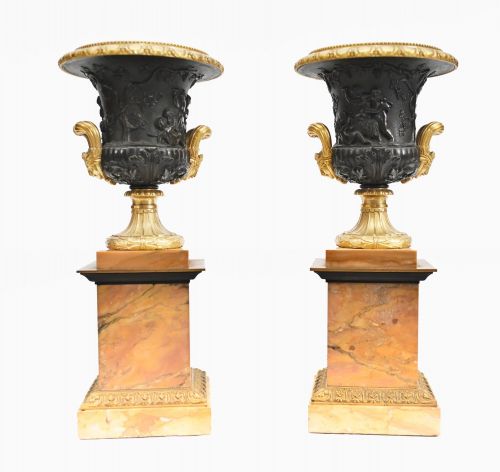
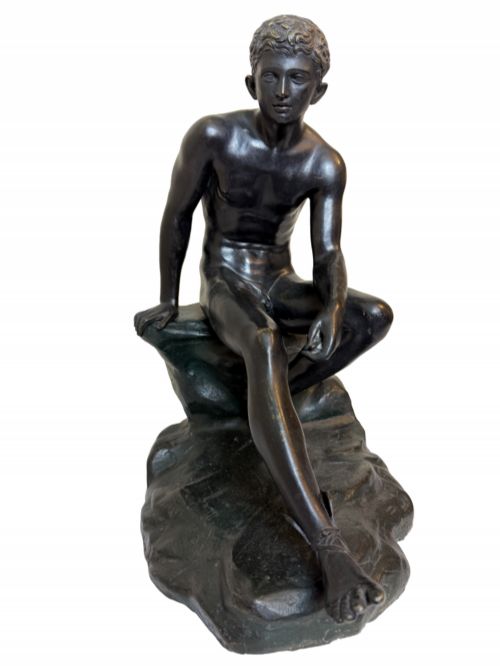
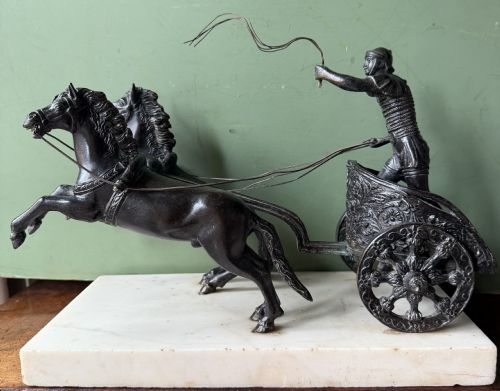
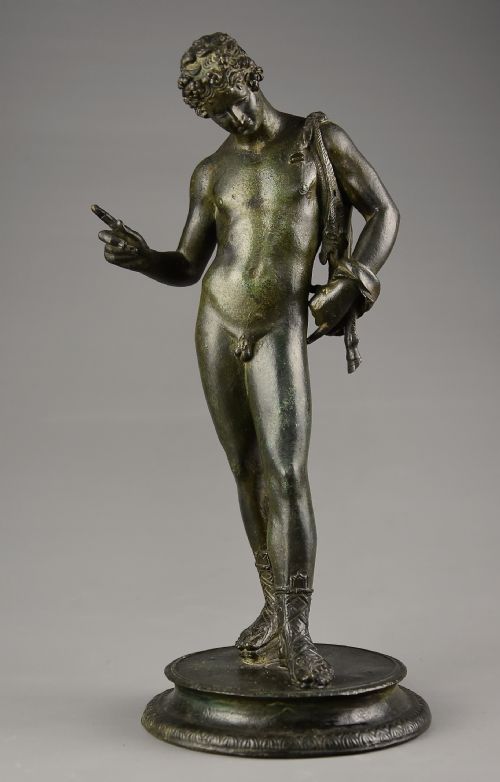
These pieces comprise desk-size reductions of classical statuary, architectural ruin models, and decorative vessels gathered by travellers in Italy. The buyer examines reductions of famous antiquities such as the Dancing Faun, the Borghese Vase, and the Farnese Hercules. Most examples date from the nineteenth century, produced by Neapolitan and Roman founders for the European travelling elite.
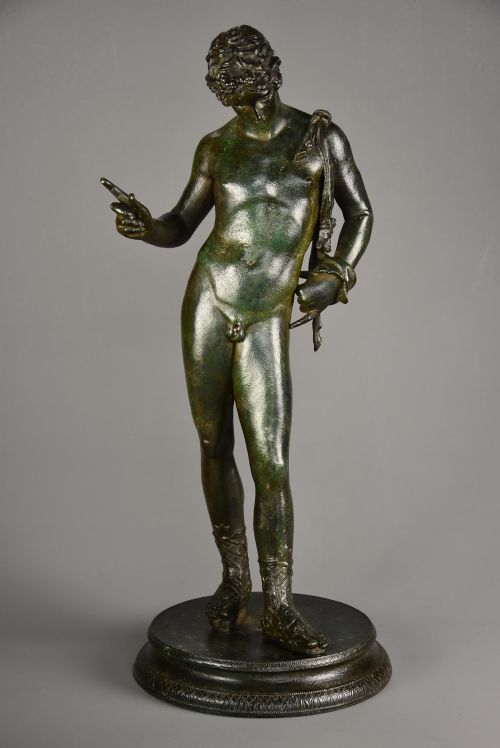
The subjects draw directly from excavations at Pompeii and Herculaneum or major museum collections in Rome and Florence. Figures of mythological subjects, Roman emperors, and animals appear frequently alongside Campana urns and oil lamps. Architectural models recreate ancient temples and columns in miniature form, usually mounted on polished marble or slate plinths.

Materials and casting methods
Foundries utilised the lost-wax casting method or sand casting to achieve crisp detail on small-scale reductions. The resulting metalwork received chemical treatments to produce patinas ranging from dark brown to deep green, mimicking the appearance of buried antiquities. Gilt bronze and silvered bronze also occur on decorative vessels and select figural casts.
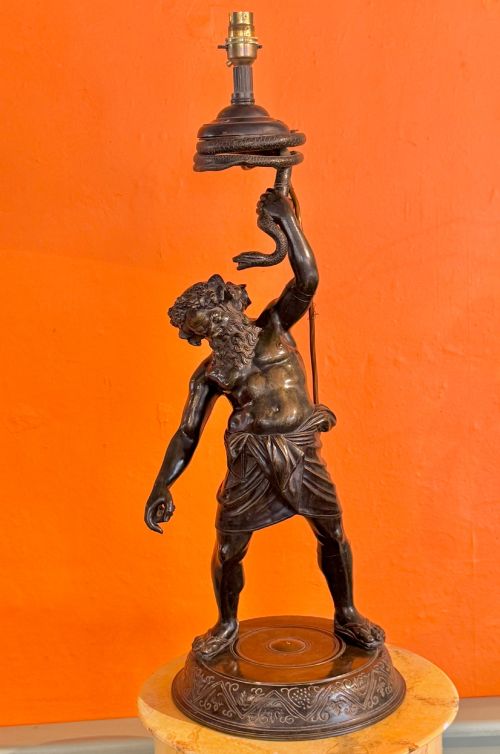
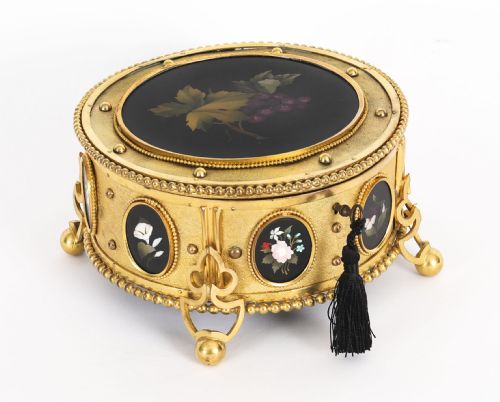
Many sculptures incorporate integral or added bases of white, siena, or black marble, frequently secured with threaded pins. Bases and plinths often match the stone types found in Italian quarries visited during the tour. Secondary elements like cast brass or ormolu mounts appear on lamps, caskets, and candelabra.
Italian Grand Tour Bronze Retail Price Guide 2026
Typical asking prices for italian grand tour bronze among the pieces listed under this phrase on Sellingantiques today, from the lower quarter to the upper quarter. They describe what is for sale here now, not the wider market.
Materials across the inventory include patinated bronze, white and siena marble, ormolu, and cast brass elements on architectural temple models.
Factors determining quality
The sharpness of the chasing separates superior reductions from commercial souvenirs. Master founders hand-tooled the bronze after casting to define musculature, hair texture, and facial expressions, whereas weaker examples retain soft edges and casting seams. The weight of the metal and the fidelity of proportion to the original monument indicate workshop skill.
The quality of the patination and the selection of the marble base contribute significantly to the piece. Rich, stable patinas applied with chemical nuance outlast poorly bonded finishes that flake over time. Denser, unblemished marble plinths signify higher production standards intended for wealthy patrons.
G. Amodio Naples·Augusto Rivalta
The Italian Grand Tour Bronze Glossary
- Reduction
- A scaled-down copy of a larger monumental sculpture or architectural structure. Founders created these smaller versions so travellers could transport them home.
- Patina
- The surface coloration of the metal resulting from chemical treatment or natural oxidation. Foundries produced shades from dark chocolate brown to antique green.
- Campana
- A classical vase shape with a flared lip and a deep bowl resembling an inverted bell. These decorative vessels derive from ancient pottery forms.
- Lost-wax
- A casting technique where a wax model is melted from a mould and replaced with molten bronze. This method allows for intricate undercut details.
- Ormolu
- Gilt bronze decoration applied to furniture, clocks, and vessels. The technique involves fusing an amalgam of mercury and gold to the bronze surface.
Italian Grand Tour Bronze: Frequently Asked Questions
What is an Italian Grand Tour bronze?
These objects are nineteenth-century souvenir metal casts of classical statues, architectural ruins, and antique vases. Travellers collected them as portable reminders of their educational journeys through Rome, Florence, and Naples.
Foundries in Italy produced these pieces using traditional metalcasting techniques, often mounting the figures on marble bases. They served as decorative desk accessories and cabinet displays in British and European homes.
How were these bronzes used originally?
Wealthy collectors displayed these reductions in libraries, studies, and drawing rooms to signal their classical education and travel experience. Larger sculptures stood on pedestals or tables, while miniature urns and lamps functioned as decorative ornaments.
Some items, such as the lucerna oil lamps and inkwells, retained functional elements alongside their aesthetic appeal. Others simply served as conversation pieces that demonstrated familiarity with ancient art.
How do I care for a bronze sculpture?
Dust the surface regularly with a soft, dry brush to prevent particulate accumulation. Avoid using water, household cleaners, or polishes, which can strip the historical patina from the metal.
Keep the piece away from direct sunlight and damp environments to protect both the bronze and its marble plinth. Occasional application of microcrystalline wax by a professional helps preserve exposed metal surfaces.
How can I tell the age of these pieces?
Examine the quality of the chasing, the composition of the patination, and the wear on the underside of the base. Nineteenth-century founders used specific casting methods and stone types that differ from modern reproductions.
Signatures or foundry marks stamped into the bronze can help identify the workshop of origin. The oxidation patterns and dust settled into crevices over generations also indicate age.