


Italian Baroque Sculpture
These italian baroque sculpture pieces bring dramatic carved wood, marble and gilt surfaces into a room.
Italian Baroque Sculpture
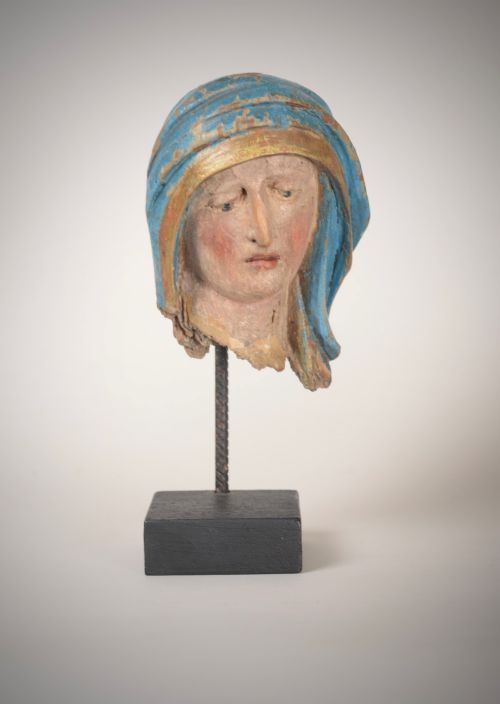
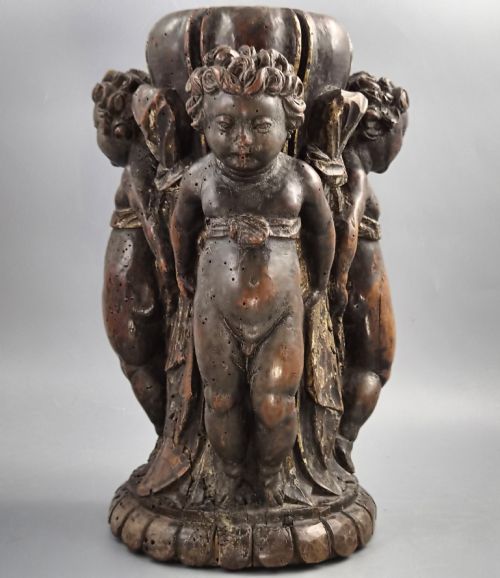
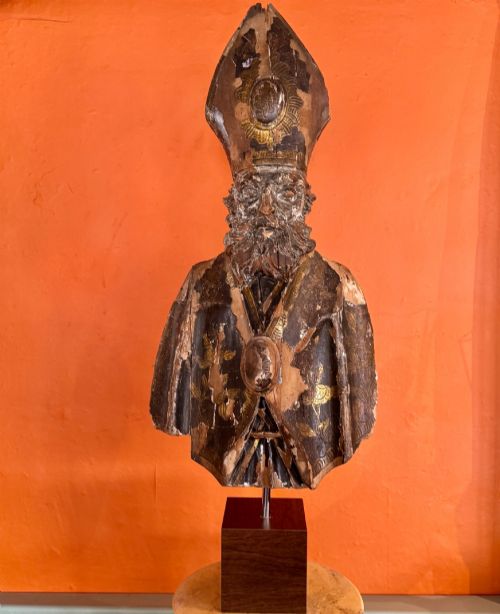
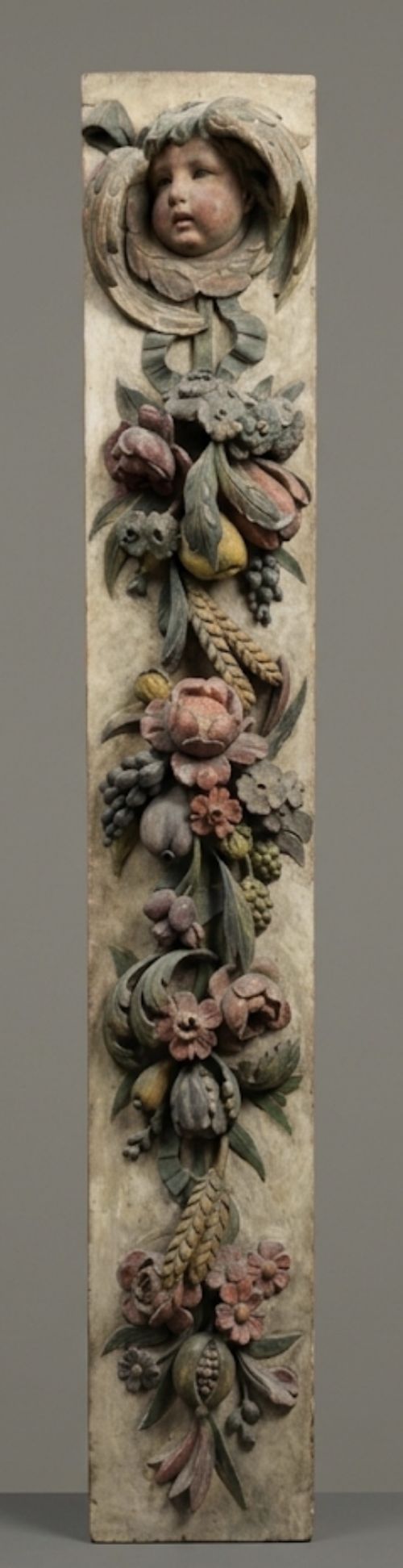
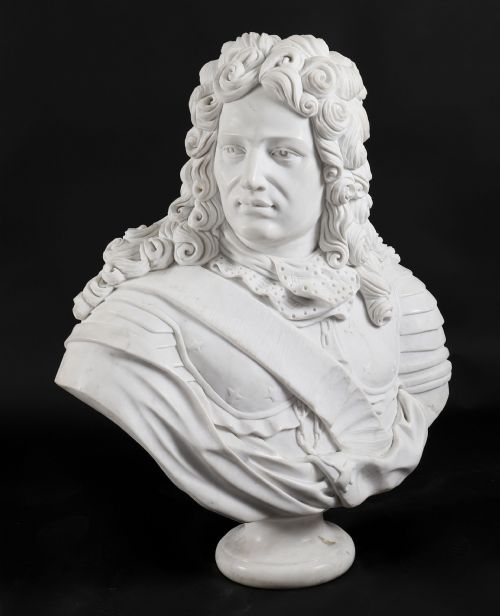
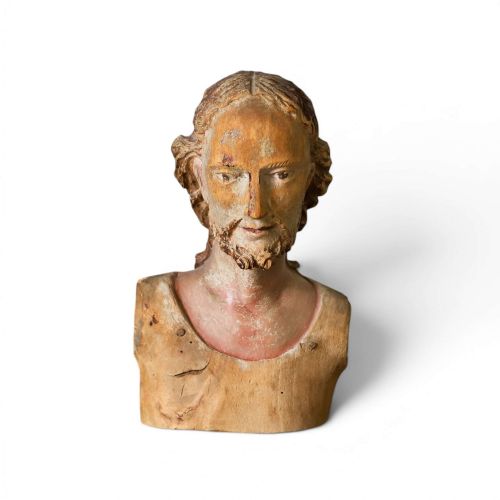
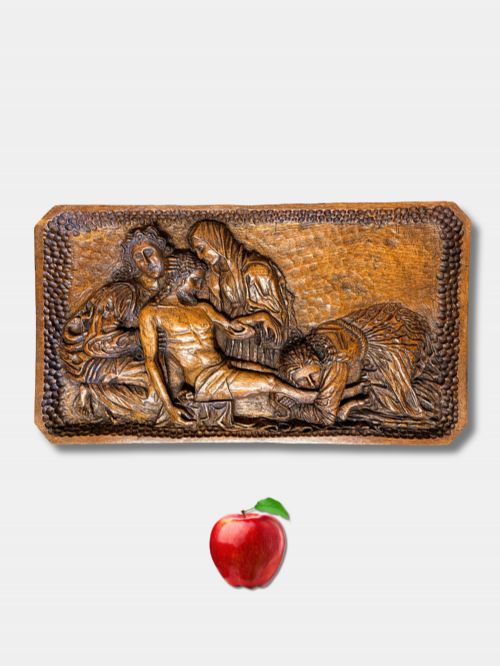
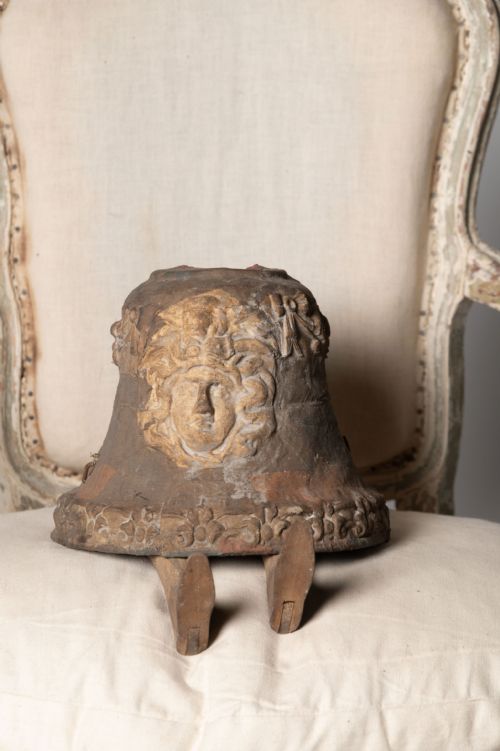
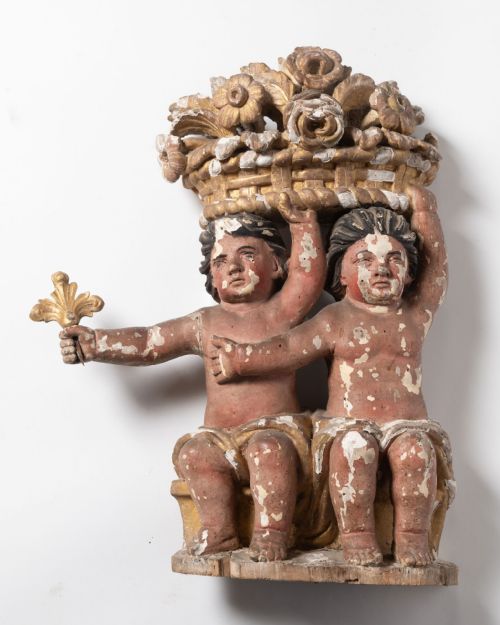
When you search for italian baroque sculpture, you encounter ecclesiastical busts, walnut torchiere bases, and carved wooden panels representing religious figures and putti. The pieces range from seventeenth-century fragments to nineteenth-century revival works in marble and polychrome wood.
You are most likely to meet carved wooden putti, ecclesiastical busts of bishops, and wall relief carvings originating from regional workshops in Venice, Naples, and Sicily. These items reflect the dramatic movement and rich ornamentation associated with southern European ecclesiastical and domestic decoration.
How they were made
Makers shaped walnut, chestnut, and olive wood using chisel and gouge techniques, often applying gesso grounds before laying down gold leaf and polychrome paint. Marble pieces required extensive hand-carving and polishing to achieve the muscular forms and flowing drapery characteristic of the period.
Workshops combined structural timber work with intricate surface decoration, utilising silvering and pigment layers to create depth on figures of cherubs and saints. Many items formed part of larger church furnishings, theatrical settings, or architectural pedestals.
Materials in this selection include carved walnut, olive wood, chestnut, gesso, gold leaf, and marble.
What varies in quality
The standard of carving defines the upper tier of these works, where facial expressions and drapery folds show anatomical understanding rather than mechanical repetition. Dynamic posture and confident chisel work separate master carvers from provincial copyists.
The survival of original polychrome paint, gilding, and gesso surfaces influences the integrity of each piece. Later overpainting or stripped surfaces alter the visual depth intended by the original workshop.
The Italian Baroque Sculpture Glossary
- Polychrome
- Decoration executed in multiple colours, often found on carved wooden saints and putti. This surface treatment adds realism and depth to religious figures.
- Gesso
- A plaster mixture applied to wood surfaces to prepare them for gilding or painting. It provides a smooth ground for delicate surface carving.
- Putto
- A representation of a naked cherubic child, frequently depicted with wings in baroque ecclesiastical art. These figures often appear in pairs supporting altars or cloud bases.
- Torchiere
- A tall stand designed to support a light or candle, often carved from walnut with sculptural figures. They formed part of grand interior decorative schemes.
- Ecclesiastical
- Relating to the Christian Church, describing items originally made for church interiors such as bishop busts and altar figures.
Italian Baroque Sculpture: Frequently Asked Questions
Where were these sculptures placed originally?
Many of these pieces originated in churches, private chapels, and grand domestic interiors across Italy. They functioned as altarpieces, architectural ornaments, and decorative supports for lighting.
Over time, surviving fragments and figures transitioned into domestic collections as freestanding decorative objects or wall reliefs.
How do I care for wooden polychrome figures?
Polychrome and gilded wood requires stable environmental conditions away from direct sunlight and strong heat sources. Rapid humidity changes can cause the underlying gesso and wood to crack.
Dusting should be done gently with a dry, soft brush without using liquid cleaners or chemical polishes that might damage fragile paint layers.
How do I distinguish seventeenth-century work from nineteenth-century revival pieces?
Seventeenth-century originals display tool marks, timber shrinkage, and wear patterns consistent with age and ecclesiastical use. The carving tends to show fluid anatomical understanding and organic integration with the material.
Revival pieces from the nineteenth and twentieth centuries often exhibit different surface patination and standardised tool techniques associated with historicist production.