


17th Century Statue
A 17th century statue brings tangible history into a room through carved wood, cast bronze or carved marble.
17th Century Statue
When searching for a 17th century statue, collectors encounter devotional figures, classical deities and scholar's objects from across Europe and Asia. These works span religious carvings of saints and angels alongside classical marble busts and bronze mythological figures.
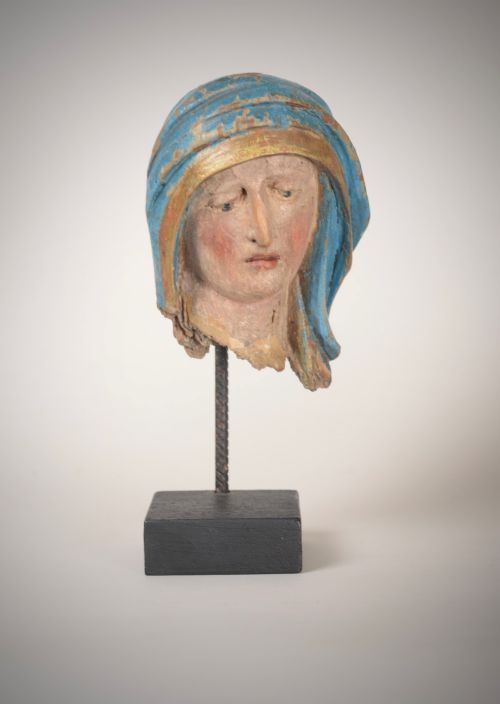
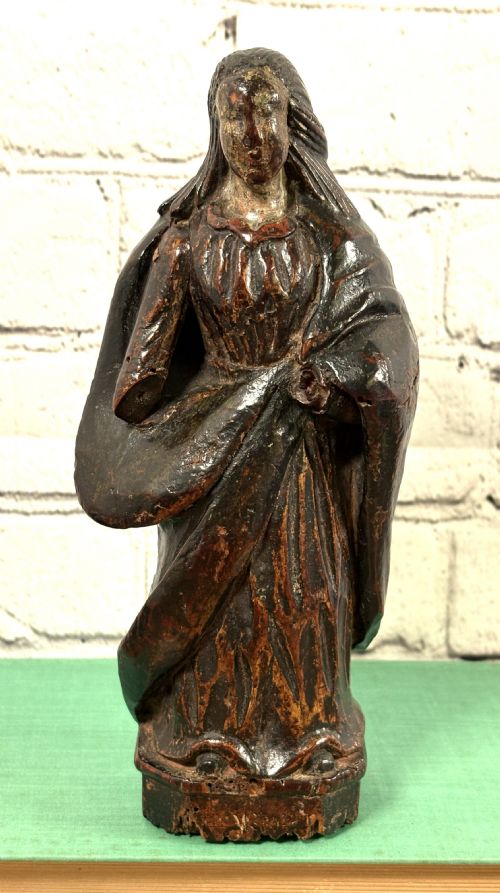
The versions most frequently found on this page are carved wood figures and bronze statuettes created during the 17th century. Oak, limewood, applewood and walnut dominate the wooden pieces, while bronze and marble form the durable mediums of the sculptural works.
Materials and construction methods
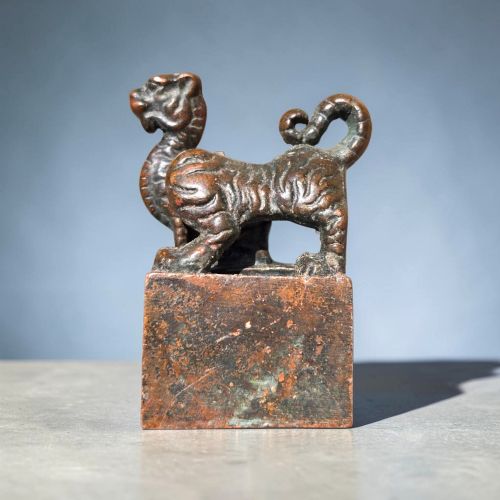
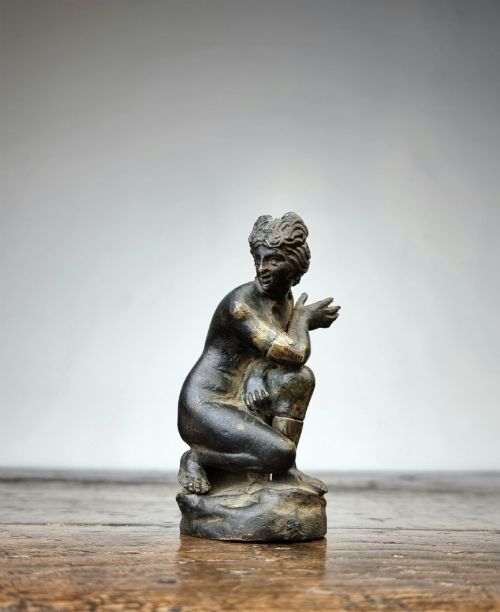
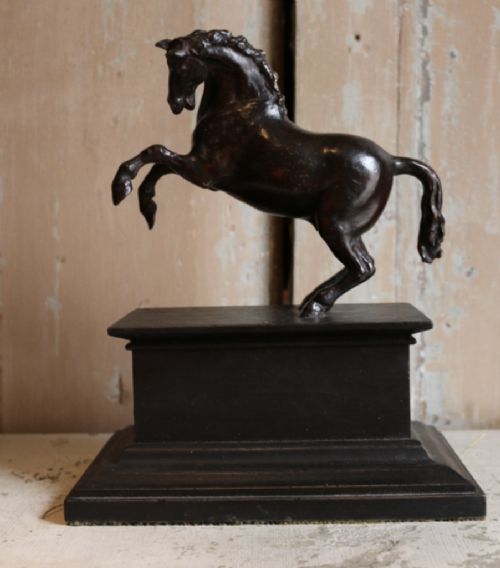
Sculptors of this era shaped figures through direct carving of hardwoods like oak, limewood and applewood, often applying gesso, pigment and gilding to wooden saints. Bronze sculptures took shape via lost-wax casting, producing detailed statuettes and ritual objects.
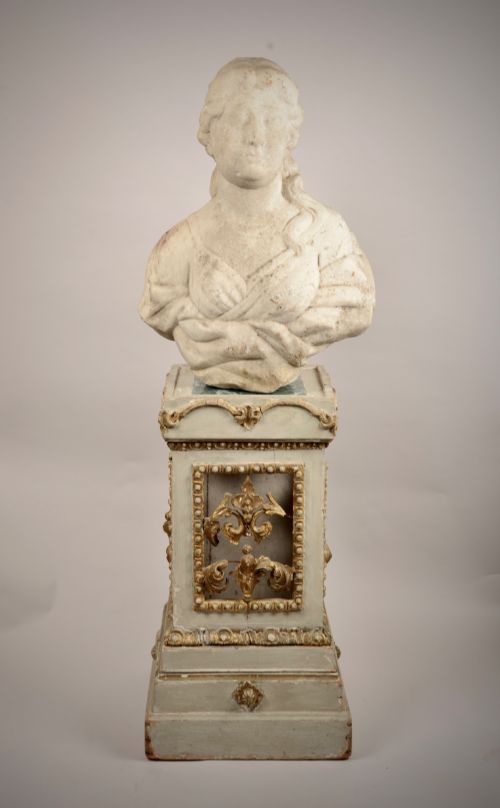
Marble carving required precision chisel work to fashion busts, lions and classical figures. Artisans also combined media, mounting carved wooden figures in walnut frames or painting polychrome surfaces over wood and gesso.
A solemn 17th century saint shares shelf space with a theatrical Pulcinella figure from a much later century.
Distinctions in craftsmanship
The preservation of original polychrome surfaces and gilding significantly elevates a piece, as does the subtlety of detail in marble heads and wooden saints. Stronger sculptural presence distinguishes masterworks from standard workshop output.
The 17th Century Statue Glossary
- Polychrome
- Painted in several colours, frequently applied over gesso on wooden religious figures. This surface treatment brings depth and realism to carved devotional art.
- Giltwood
- Wood that has been decorated with gold leaf or thin gold powder. It appears on ornate frames and ecclesiastical statues from the period.
- Caryatid
- A sculpted female figure serving as an architectural support in place of a column. They appear carved in oak within this selection.
- Lost-wax casting
- A metalworking method where a molten metal is poured into a mould that has been created by means of a wax model. This technique produced detailed bronze statuettes and ritual objects.
- Gesso
- A plaster mixture used as a smooth base for paint on wood carvings. It prepares the wooden surface for fine polychrome decoration.
17th Century Statue: Frequently Asked Questions
How should I clean a wooden statue?
Dust wooden carvings gently with a soft, dry brush to prevent accumulation. Avoid using water or chemical cleaners that might damage aged wood and original polychrome surfaces.
Keep the piece away from direct sunlight and dramatic humidity shifts. Stable indoor conditions protect the wood from splitting and preserve the finish.
How do I spot a replacement base?
Examine the wood grain or stone texture where the figure meets the base for inconsistencies in age and wear. Mismatched patination often indicates later repairs or alterations.
Original mounts generally show uniform ageing consistent with the main body of the sculpture. Professional assessment can confirm whether structural elements have been replaced.
Where were these figures originally displayed?
Many wooden and marble saints adorned churches, domestic shrines or private chapels as objects of contemplation. Others served as architectural elements in larger interior schemes.
Smaller bronze statuettes and scholar's objects belonged in libraries, studies and private cabinets. Their scale allowed them to be handled and closely examined by owners.