
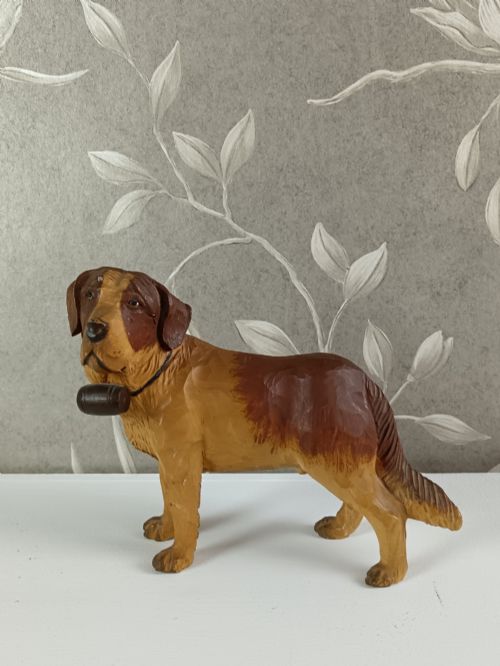


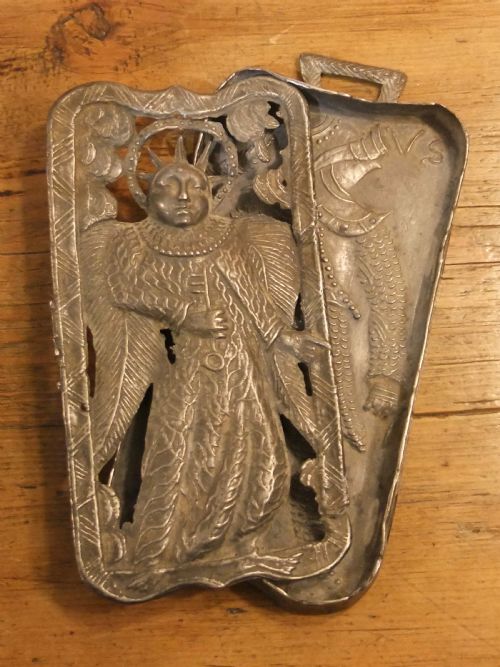
Antique Saint Figurine
These antique saint figurine examples bring centuries of devotion into the room, spanning carved wood to sterling silver.
Antique Saint Figurine
An antique saint figurine encompasses devotional sculptures, home altars, and religious statues created in a variety of regional traditions. Buyers searching for an antique saint figurine often encounter folk art interpretations alongside formal ecclesiastical works.
The selections on this page draw from periods ranging from the seventeenth century through to the mid-twentieth century. Forms vary from single apostle figures and Marian statues to complete home altars and architectural fragments.
Regional diversity shapes these pieces, with Italian, Spanish, and Alpine folk art sitting alongside French soft-paste ceramic groups and English silver figures. Each piece reflects the specific devotional requirements and artistic vernacular of its origin.
Materials and construction
Carved wood forms the foundation of many pieces, utilising native timbers such as oak rendered with hand tools. Polychrome paint and gold leaf often finish these wooden surfaces, adding colour and theological significance.
Metalwork pieces utilise bronze and sterling silver, cast through traditional foundry methods and finished with fine chased detail. Ceramic works employ soft-paste compositions shaped into figurative groups.
The listings span from the 17th century to 1940, incorporating wood, bronze, sterling silver, and gold leaf.
Distinctions in quality
The quality of an antique saint figurine rests in the expressive power of the carving and the fidelity of the regional style. Artisans working within Alpine and Spanish folk art traditions achieved distinct character through direct, unpretentious tool marks.
Rouillard Angers·Shadwell Bros.
The Antique Saint Figurine Glossary
- Polychrome paint
- Decoration applied in several colours to the surface of wood or plaster sculpture. This technique enlivens devotional figures with realistic flesh tones and vibrant garments.
- Home altar
- A small devotional structure designed for private prayer within a domestic setting. These often incorporate miniature architectural elements and fitted figures.
- Soft-paste
- A type of porcelain ceramic composition used in eighteenth-century figure groups. It fires at lower temperatures than hard-paste porcelain, yielding a warm glaze.
- Gothic Revival
- An architectural and decorative style drawing inspiration from medieval forms. Pieces in this idiom often echo fourteenth-century church stonework and timber framing.
- Grand Tour
- A cultural journey undertaken by wealthy young Europeans to view continental antiquities. Figures acquired during these travels frequently include Venetian bronzes.
Antique Saint Figurine: Frequently Asked Questions
What materials are used for these figures?
Makers relied primarily on carved wood, bronze, and sterling silver. Many wooden pieces received finishes of polychrome paint and gold leaf.
Softer materials like soft-paste ceramic also appear among the sculptural groups.
How do I date an antique saint figurine?
Dating relies upon tool marks, wood shrinkage, and the wear patterns of surface finishes such as paint and gilding. Stylistic indicators like Folk Art or Gothic Revival idioms provide further chronological clues.
Assay marks on silver elements offer precise calendar years for specific metal pieces.
Where were these devotional objects placed?
Many served in private homes as the focus of daily prayer, housed within dedicated home altars or wall brackets. Others originated in regional churches or private chapels before entering collections.
Grand Tour pieces were displayed in secular libraries and cabinets of curiosity.
How do I care for wooden religious statues?
Keep wooden pieces away from direct heat sources and dramatic humidity swings to prevent timber splitting. Dust gently with a dry, soft brush without applying liquid polishes.
Protect fragile polychrome surfaces from friction and direct sunlight.