

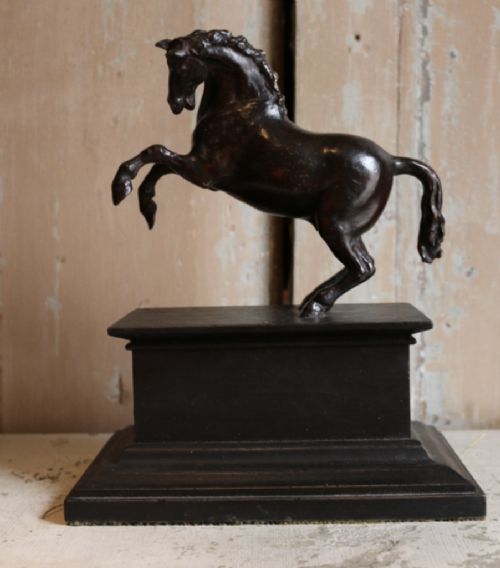


Bronze Statuette on Plinth
A bronze statuette on plinth brings classical sculpture into domestic spaces, prized for tactile metalwork and steady stone bases.
Bronze Statuette on Plinth
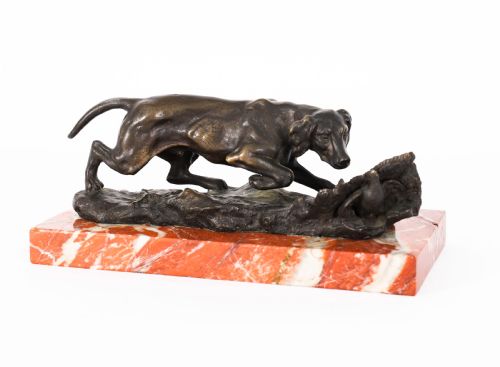
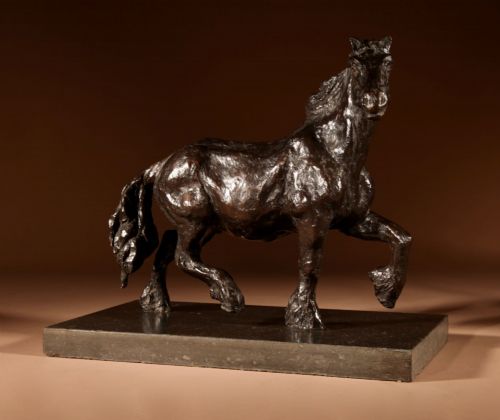
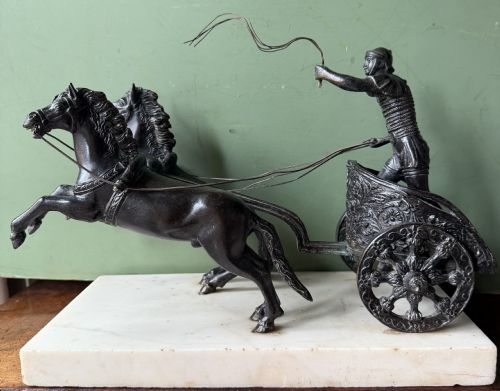
A bronze statuette on plinth comprises a cast metal figure secured directly to a foundational base, most commonly formed from marble, stone, or wood. These works range from seventeenth-century classical studies and Grand Tour souvenirs to Art Deco animalier figures and figural groups.
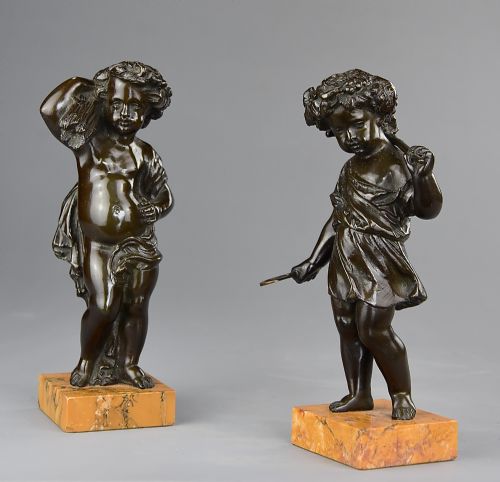
The nineteenth century yields a high proportion of these sculptures, including allegorical putti, literary characters, and historical portraits cast in continental European workshops. Buyers encounter everything from grand Neapolitan dancers to small library bronzes intended for intimate study.
Materials and casting methods
Makers utilised traditional foundry techniques to cast bronze, occasionally applying cold-painted polychromy or gilt finishes to enhance the metal surface. These figures are fixed onto heavy supports of black marble, white marble, malachite, olive wood, or plain stone to anchor the composition.
The juxtaposition of cast metal against polished mineral bases creates a deliberate contrast in texture and weight. Surviving examples demonstrate varying patination, from deep brown oxidation to bright gilded highlights.
Listings feature bronze statuette on plinth examples spanning from the 17th century through to the 1930s, utilising marble, wood, and stone bases.
Evaluating the craftsmanship
The selection and mounting of the plinth also separate standard items from exceptional works. Fine pieces feature dense stones, such as malachite or sculpted marble, fitted precisely to the base of the sculpture.
Carl Kauba·Josef Lorenzl·Giambologna
The Bronze Statuette on Plinth Glossary
- Plinth
- The solid block or base upon which a statuette stands. It provides structural stability and visual completion to the sculpture.
- Patina
- The surface coloration and sheen developed naturally over time or applied chemically by the foundry. It protects the metal and defines the visual depth of the bronze.
- Grand Tour
- A nineteenth-century tradition of travelling through Europe collecting souvenirs. Souvenirs included miniature bronze copies of classical antiquities.
- Cold-painted bronze
- A technique where paint is applied to cold metal without subsequent firing. This finish is delicate and easily worn by handling.
Bronze Statuette on Plinth: Frequently Asked Questions
What is a bronze statuette on plinth?
A bronze statuette on plinth is a small cast metal sculpture permanently attached to a supporting base of stone, marble, or wood. These pieces range from classical figures to decorative nineteenth-century subjects.
The base serves both a structural purpose, keeping the sculpture upright, and an aesthetic one by framing the bronze work.
How do I care for my bronze?
Bronze requires minimal maintenance, needing only gentle dusting with a soft, dry cloth to prevent grime accumulation. Avoid using chemical polishes, which can strip the historic patina from the metal surface.
Keep the sculpture away from direct heat sources and excessive moisture to protect both the bronze and its marble or wooden plinth.
How are periods identified?
Periods are determined through stylistic cues, casting techniques, and the materials used for both the figure and the plinth base. Seventeenth-century casts often display distinct classical modelling, while nineteenth-century works frequently reflect revivalist movements.
Material choices, such as black marble or specific wood types, also help narrow down the date of manufacture.
Where were these sculptures made?
Many of these pieces originate from continental European foundries, particularly in France, Italy, and Austria. Grand Tour souvenirs were commonly produced in workshops around Naples and Rome for travelling collectors.
Other examples reflect the output of individual artists and commercial foundries operating during the nineteenth and early twentieth centuries.