



Antique Religious Metalwork
Antique religious metalwork brings together centuries of devotion through objects crafted in bronze, silver, brass, and copper.
Antique Religious Metalwork
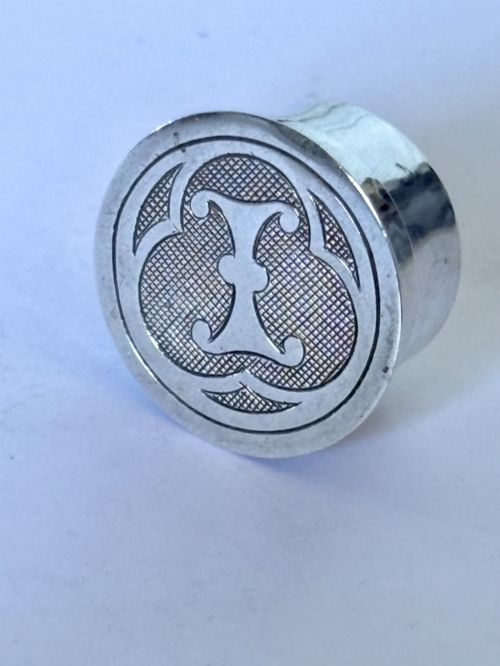
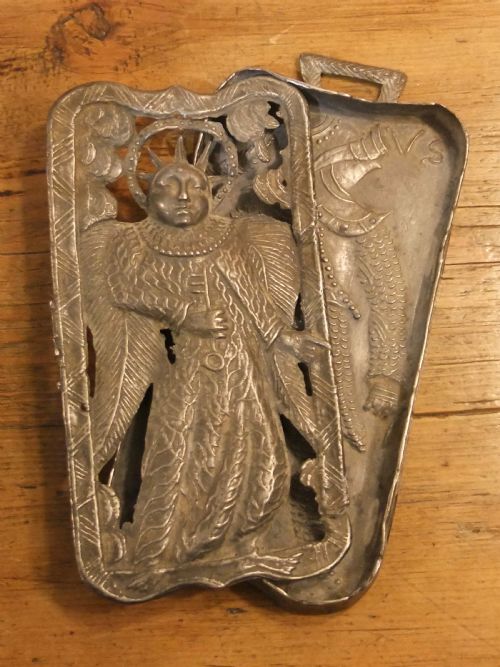
Antique religious metalwork encompasses a diverse range of sacred objects, from processional crosses and communion chalices to intricate pyx boxes and devotional sculptures.
The selections span from the fifteenth century through the Victorian era and into the twentieth century, reflecting both European ecclesiastical traditions and South and Southeast Asian sacred arts.
Pieces frequently emerge in styles such as Gothic Revival, Arts and Crafts, and Rococo Revival, alongside regional Asian forms featuring deities like Shiva and Ganesh.
Materials and construction
Items are fashioned from metals including sterling silver, bronze, brass, and copper, often enriched with gilding and detailed engraving.
Certain objects combine metals with wood or oak mounts, while others incorporate silver plating or cast copper alloys to achieve their distinctive forms.
Antique Religious Metalwork Retail Price Guide 2026
Typical asking prices for religious metalwork among the pieces listed under this phrase on Sellingantiques today, from the lower quarter to the upper quarter. They describe what is for sale here now, not the wider market.
Distinctions in quality
The standard of an item rests upon the crispness of its chased or engraved details and the finesse of its casting, particularly on figures and relief panels.
Superior examples demonstrate an integrity of material and proportion, where the weight of the metal and the precision of the surface decoration elevate the piece beyond standard devotional production.
FA BARRETT·Shadwell Bros.
The Antique Religious Metalwork Glossary
- Pyx box
- A small round container used in Christian tradition to carry the consecrated host. These vessels often feature tight-fitting lids and engraved sacred iconography.
- Communion chalice
- A consecrated cup used during the celebration of the Eucharist. They are typically fashioned from precious metals or silver-plated alloys.
- Processional cross
- A crucifix mounted on a long shaft, carried at the head of church processions. They frequently date from the nineteenth century or earlier Gothic revivals.
- Gilt
- A thin layer of gold applied to the surface of copper, silver, or bronze objects. This technique protects the underlying metal while providing a rich golden sheen.
Antique Religious Metalwork: Frequently Asked Questions
How do I care for antique silver chalices?
Silver chalices require minimal intervention to preserve their historic surface and patina. Avoid harsh chemical polishes that strip away age and character.
Instead, use a soft, dry cloth for gentle dusting and store them in stable environmental conditions away from direct sunlight.
What defines Gothic Revival metalwork?
Gothic Revival metalwork draws inspiration from medieval ecclesiastical design, incorporating pointed arches, trefoils, and heavy tracery. This style saw a major resurgence during the nineteenth century.
Objects from this movement often display meticulous cast ornament and rich surface gilding.
Are Asian bronzes considered religious metalwork?
Asian bronzes depicting deities such as Shiva and Ganesh fall squarely within the category of sacred metalwork. These sculptures served devotional purposes in temples and domestic shrines.
They demonstrate sophisticated lost-wax casting techniques spanning multiple centuries.