



Antique Hindu Statue
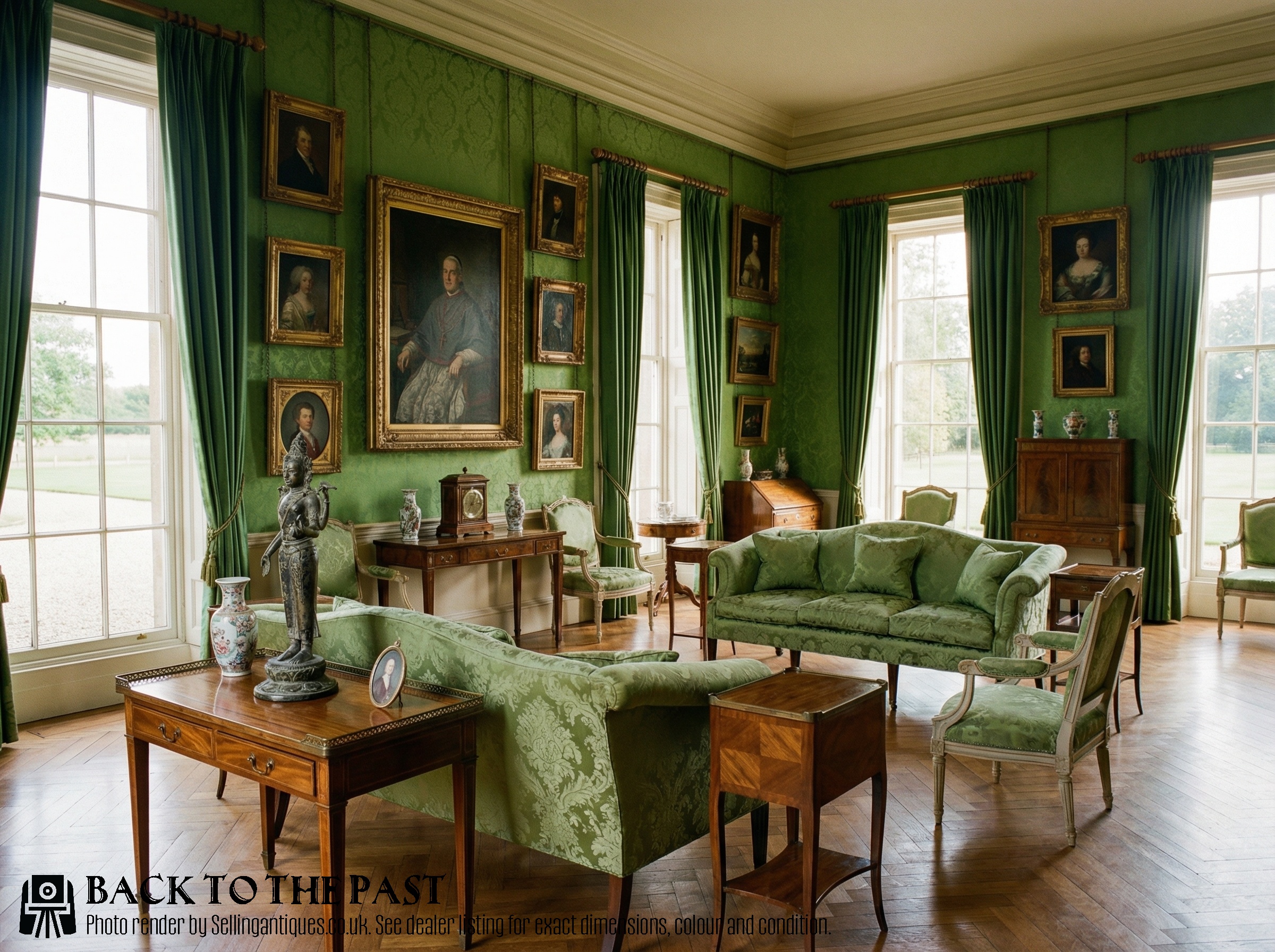
These antique hindu statue carvings and metal sculptures bring centuries of ritual art and mythological figures directly into your interior.
Antique Hindu Statue
When you search for an antique hindu statue, you encounter a range of devotional forms spanning centuries of South and Southeast Asian craftsmanship. The selection encompasses bronze and copper alloy deities alongside hardwood and marble carvings representing major mythological figures.
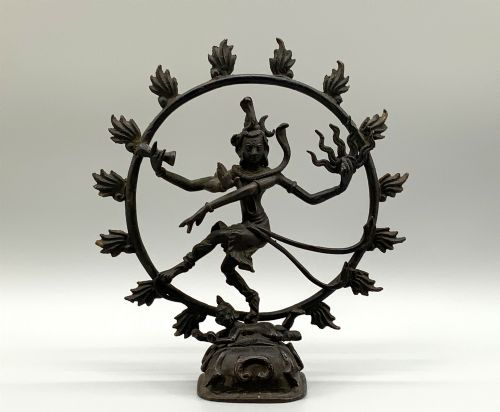
You are most likely to meet nineteenth-century Indian bronzes depicting deities such as Shiva, Vishnu, and Ganesha. Alongside these metal castings appear regional interpretations from Java, Bali, and Tibet, including architectural elements and hardwood depictions of epic characters.
The objects serve as representations of divine power, celestial beings, and sacred animals like the Nandi bull. Each figure carries specific iconography denoting particular gods, cosmic dances, or philosophical narratives from ancient traditions.
How They Were Made
Metal sculptures rely heavily on the lost-wax casting technique utilising copper alloy, bronze, and brass. Artisans often enhanced these cast figures with gold leaf, gilt finishes, or silver detailing to accentuate divine attributes.
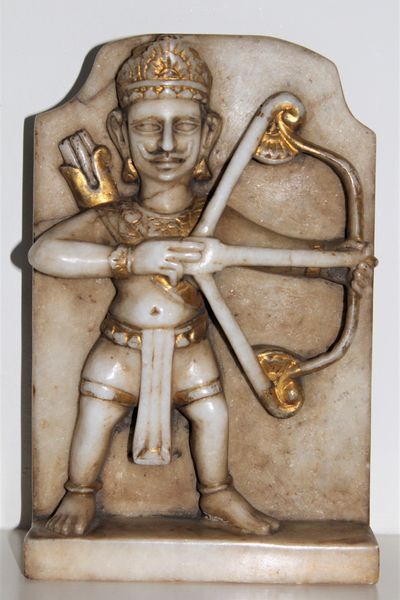
Carved pieces utilise dense hardwoods, alabaster, marble, and stone. Master carvers worked the grain to define flowing drapery, ornate jewellery, and intricate facial expressions on figures ranging from small figurines to large architectural elements.
Materials represented include copper alloy, bronze, brass, gold leaf, marble, alabaster, and various regional hardwoods.
What Varies in Quality
Quality rests upon the crispness of the casting or the depth of the carving. Superior bronze figures exhibit sharp definition in fingers, jewellery, and lotus bases, whereas lesser examples lose detail through worn moulds or repetitive casting.
The handling of anatomical proportion and traditional iconography distinguishes masterwork pieces from decorative provincial output. Materials also dictate distinction, with heavy copper alloys and gold leaf carrying greater sculptural presence than stained or softer woods.
The Antique Hindu Statue Glossary
- Lost-wax casting
- A metalworking method in which a molten metal is poured into a mould that has been created by means of a wax model. This technique allowed artisans to achieve intricate details in bronze and copper alloy statues.
- Iconography
- The traditional or conventional images or symbols associated with a subject and packed into a work of art. In these pieces, specific gestures, weapons, and mounts identify particular deities.
- Copper alloy
- A mixture of metals where copper is the chief component, commonly used alongside bronze for South Asian statuary. It provides a distinct metallic tone and patination over centuries.
- Hardwood
- Dense, durable timber derived from angiosperm trees, utilised across regional carving traditions for figures and architectural panels. It resists heavy wear and holds fine chisel work.
- Gilt bronze
- Bronze objects that have been covered with a thin layer or leaf of gold. This treatment imparts a radiant surface to sacred figures.
Antique Hindu Statue: Frequently Asked Questions
How do I identify different Hindu deities?
Deities are recognised by their specific attributes, mounts, and hand gestures. Shiva often appears dancing within a fiery arch or taking the form of the Nandi bull, while Ganesha is identified by his elephant head.
Other figures carry distinct weapons or symbols such as conch shells and lotuses. Studying the traditional iconography associated with each god helps clarify who is represented.
What is the difference between Indian and Javanese bronzes?
Indian bronzes, particularly from the South, frequently emphasise fluid movement and traditional lost-wax casting of figures like Nataraja. Javanese and Balinese works often display distinct regional styling influenced by classical periods.
These Southeast Asian pieces incorporate unique facial structures, crown designs, and pedestals. The specific material alloy can also vary between workshops across these regions.
How should I care for wooden Hindu carvings?
Wooden sculptures require stable indoor humidity to prevent the timber from splitting or warping over time. Keep them away from direct heat sources and strong sunlight that might fade the finish.
Dust the carvings gently with a soft, dry brush rather than using liquid polishes. Maintaining a consistent environment protects both the wood and any polychrome or stained surfaces.
What periods do these statues date from?
The available pieces span multiple centuries, ranging from pre-sixteenth-century temple figures to nineteenth-century domestic bronzes. Earlier works often originate from Southeast Asian classical periods, while later items frequently date from the colonial era.
Each period reflects the prevailing artistic standards and metalworking techniques of its time of origin. Documentation and stylistic analysis assist in narrowing down the date of creation.
Where were these architectural carvings placed?
Architectural carvings originated as structural or decorative elements on temples and sacred buildings. Craftsmen shaped these wooden or stone panels to depict deities, mythical beasts, and floral motifs.
They formed integral parts of sacred spaces before being separated from their original buildings. Today they function as standalone wall art or sculptural focal points.