


Antique Asian Brass Figure
An antique asian brass figure brings the rich metalwork traditions of the East into a room, offering both quiet contemplation and historical presence.
Antique Asian Brass Figure
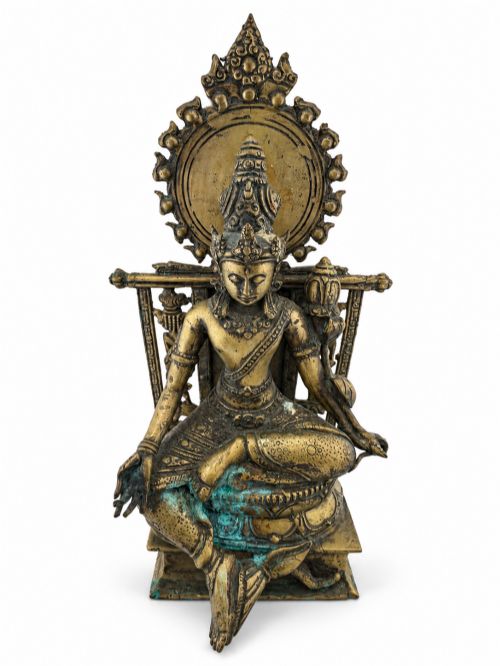
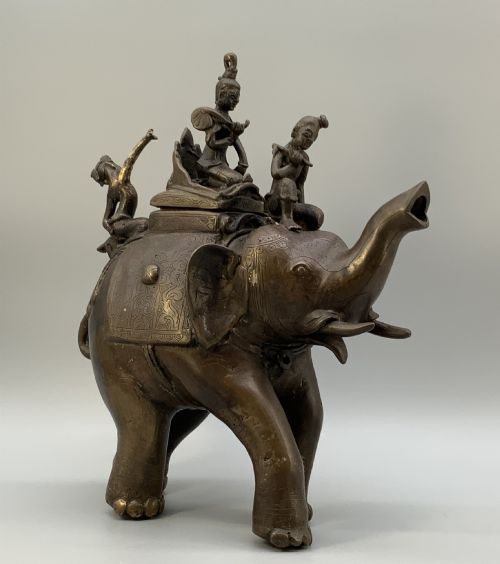
An antique asian brass figure encompasses a diverse range of cast metal sculptures, statues, and figurines originating from regions such as Tibet, China, India, and Southeast Asia. Buyers searching this phrase encounter forms spanning deity representations, temple guardians, animals, and ritual objects cast across the eighteenth, nineteenth, and early twentieth centuries. The pieces on this page lean heavily towards Tibetan Buddhist shrines, Chinese decorative figures, and Indian animal sculptures.
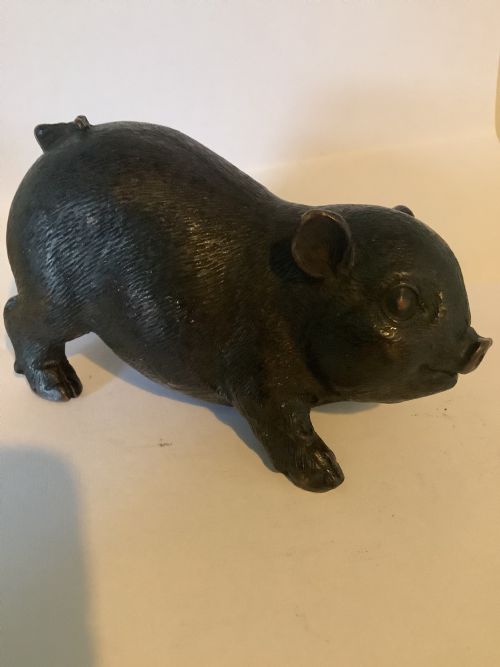
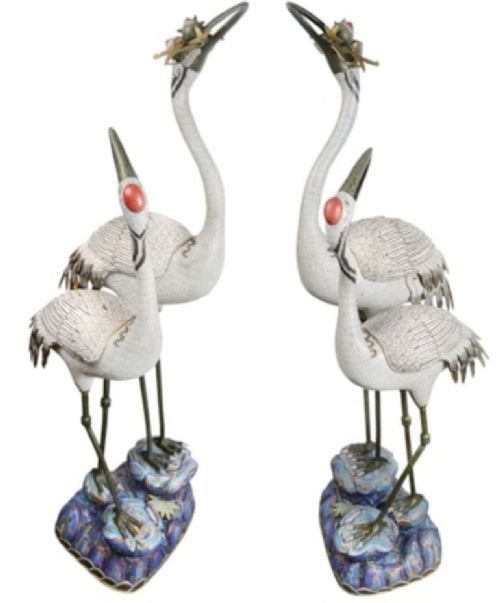
Forms vary widely from seated and standing Buddhas to temple lions, dragons, horses, elephants, and playful figures like pigs or quails. Alongside traditional brass, the category frequently embraces bronze, gilt bronze, copper alloy, and cloisonné enamel works. Whether you seek a devotional deity or a decorative pair of temple lions, these metalwork items carry the distinct aesthetic of their regional origins.
How they were made
The majority of these pieces rely on traditional metal casting techniques, primarily utilising copper alloys, brass, and bronze. Molten metal was poured into moulds, capturing intricate details of drapery, expression, and anatomy. Artisans frequently employed engraving to add fine surface patterns, particularly evident in larger animal sculptures and temple vessels.
Surface finish defines much of the visual character across these listings, incorporating gilt metal, gold gilding, and cloisonné enamel work. Mineral inlays occasionally appear to accent eyes, ornaments, or garments. Some regional examples showcase polished solid bronze, highlighting the natural warmth and grain of the metal.
Listings feature items spanning the nineteenth century alongside pieces from nineteen-ten, nineteen-twenty, and pre-sixteenth century Javanese examples.
What varies in quality
The integrity of the material and any applied finish further distinguishes the work. Intact gilding, precise cloisonné enamel application, and securely set mineral inlays elevate a piece significantly. Conversely, crude repairs or careless cleaning obscure the original texture and diminish the historical honesty of the metalwork.
The Antique Asian Brass Figure Glossary
- Cloisonne enamel
- A technique where thin metal wires are soldered to a metal base to create compartments filled with enamel paste, then fired. This process produces vibrant, patterned surfaces often seen on decorative Chinese pieces.
- Gilt bronze
- Metal cast in bronze and coated with a thin layer of gold or gold leaf to impart a rich, reflective finish. It was frequently used for significant religious figures and temple items.
- Copper alloy
- A broad metallurgical term covering mixtures containing copper, including brass and bronze. These alloys form the primary structural body of most Asian metal sculptures.
- Mineral inlay
- Small stones or minerals embedded into the surface of a sculpture to highlight details such as eyes or adornments. This meticulous addition enhances the visual depth of the piece.
- Sino-Tibetan
- A stylistic classification reflecting the artistic intersection between Chinese manufacturing techniques and Tibetan Buddhist iconographies. These works often combine elaborate imperial Chinese decoration with traditional Tibetan religious forms.
Antique Asian Brass Figure: Frequently Asked Questions
How do I identify a Tibetan shrine statue?
Tibetan shrine statues typically depict Buddhist deities such as Tara or Buddha in traditional meditative or standing postures. They frequently exhibit distinct regional iconographies, including specific hand mudras and lotus thrones.
Material choices like gilt bronze or heavy copper alloy, sometimes accompanied by mineral inlays, further point toward Himalayan monastic origins.
What is the difference between brass and bronze?
Brass is primarily an alloy of copper and zinc, yielding a brighter, more golden hue when unpolished. Bronze consists mainly of copper combined with tin, resulting in a deeper, more reddish-brown tone.
Historical casting often blurred these boundaries, and many antique pieces utilise various copper alloys that have developed rich patinas over time.
Where should I place a temple lion figure?
Temple lions, traditionally cast in pairs, served as protective guardians flanking doorways or sacred shrines. In a domestic setting, they make strong focal points on heavy wooden furniture, mantelpieces, or dedicated display ledges.
Placing them where natural light can catch the cast details and patination enhances their sculptural presence.
How should I clean antique brass and bronze?
Antique metalwork benefits most from gentle dusting with a soft, dry cloth to preserve the accumulated surface patina. Avoid abrasive polishes or chemical cleaners that strip away historical character and leave the metal unnaturally bright.
Leaving the natural oxidation intact maintains both the visual depth and the integrity of the piece.