
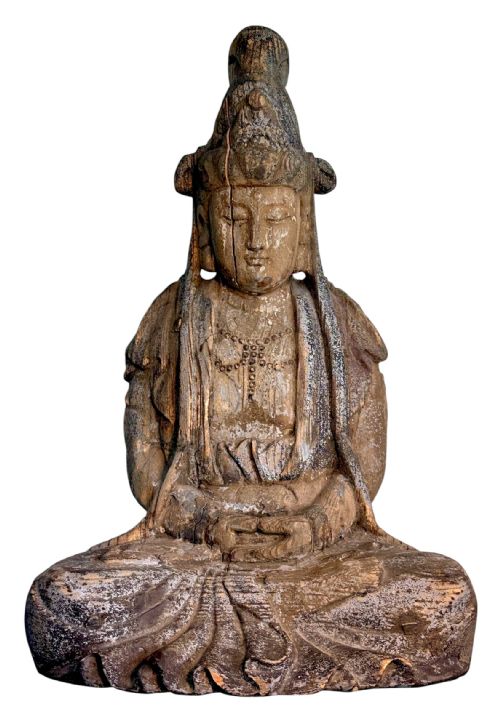


Buddhist Deity Sculpture
A buddhist deity sculpture brings centuries of devotion into a room, rendered in cast metals and carved timber.
Buddhist Deity Sculpture
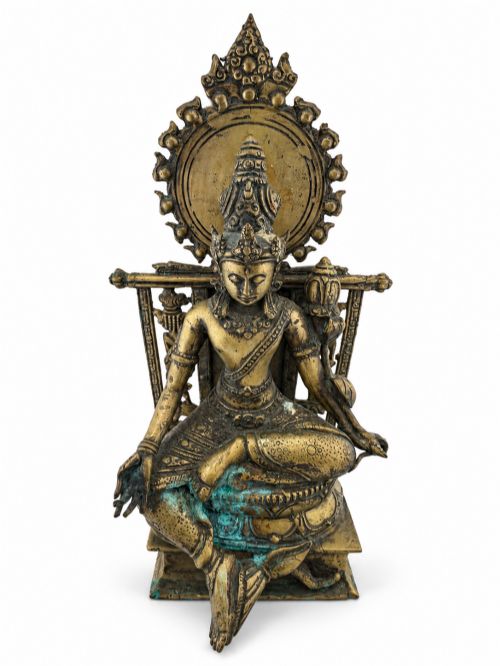
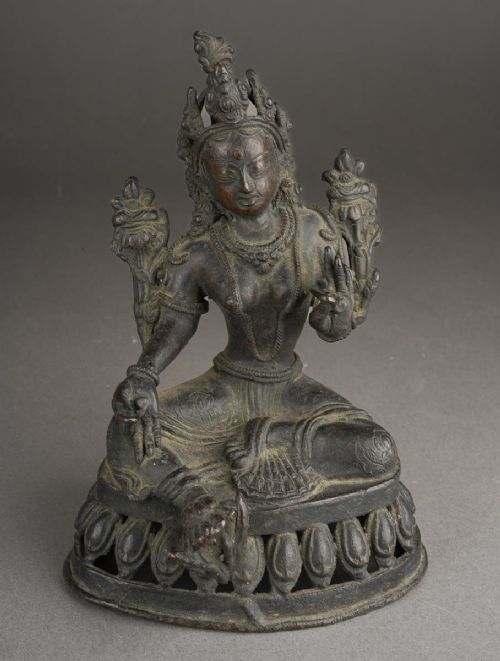
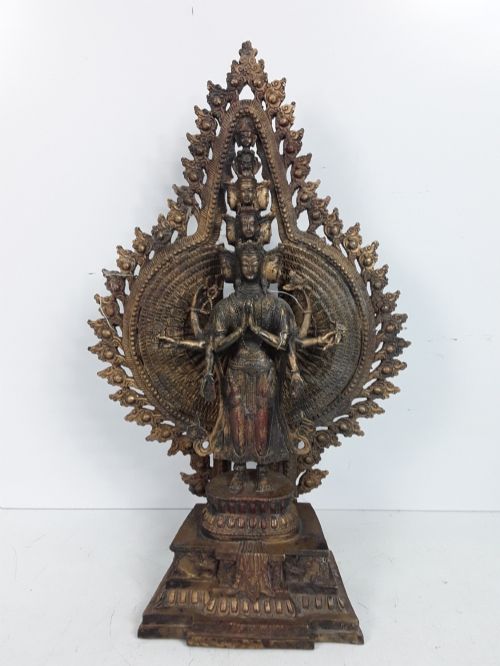
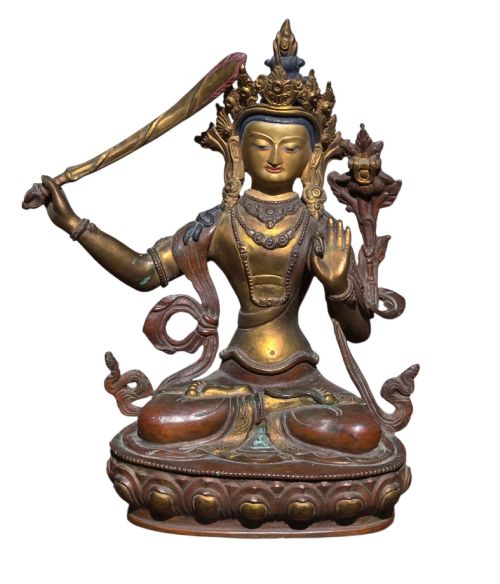
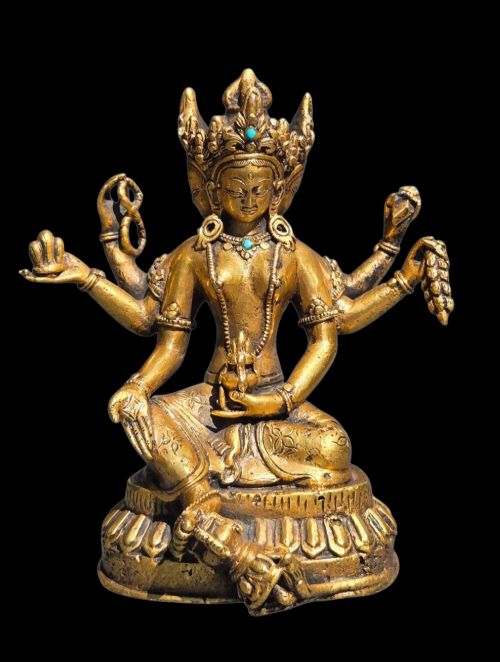
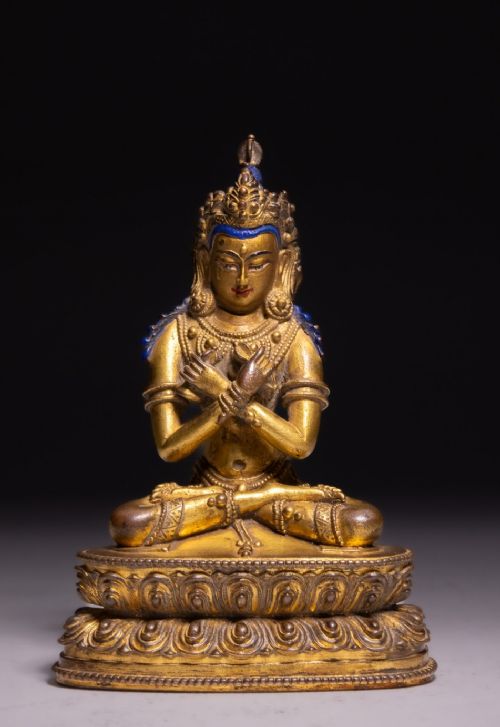
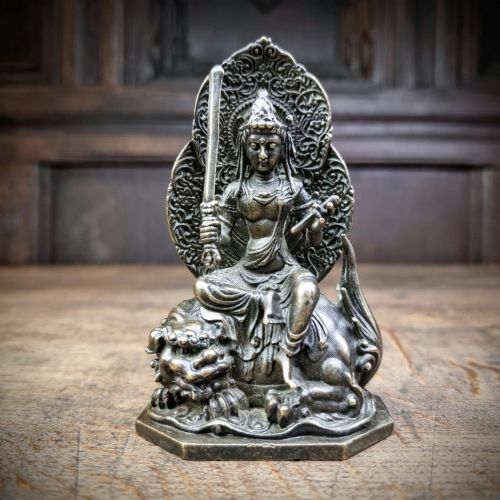
A buddhist deity sculpture represents figures such as Tara, Avalokiteshvara, and various manifestations of the Buddha across diverse Asian traditions. These works emerge most frequently from Tibetan, Sino-Tibetan, and Southeast Asian workshops spanning several centuries.
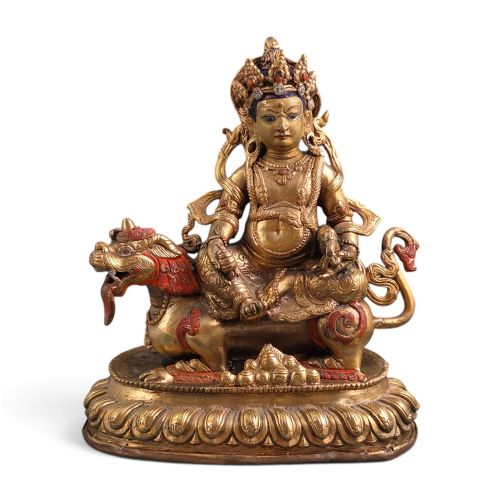
Buyers encounter standing and seated figures, ranging from small shrine statuettes to substantial altar pieces. Bronze and gilt bronze dominate the selection, accompanied by carved wood and copper alloy examples.
The regional styles vary distinctly, incorporating characteristics from Tibetan monasteries, Burmese Mandalay traditions, and Javanese foundries. Each piece captures specific iconography tied to meditation, protection, and spiritual attainment.
Materials and construction
Foundries utilised lost-wax casting for bronze, copper alloy, and brass figures, allowing intricate detail in the robes and ornamentation. Artisans frequently applied fire gilding to the metal surface, creating a rich golden finish that endures across generations.
Carvers shaped timber figures from native woods, often finishing the surfaces with pigment, lacquer, or gold leaf. Stonework and metal sculptures occasionally incorporate turquoise inlays to accent jewellery and sacred crowns.
The inventory spans multiple centuries of Asian artistry, ranging from pre-sixteenth century Javanese figures to twentieth-century shrine statues.
Assessing craftsmanship
The precision of the casting and the depth of the chased details distinguish superior pieces from standard workshop output. Facial expressions remain sharp and serene in finer examples, with well-defined fingers, toes, and drapery folds.
The integrity of the original surface finish, whether gilt, patinated bronze, or polychrome wood, dictates the visual impact of the sculpture. Wear patterns should appear natural and consistent with age rather than obscuring the primary forms.
Unno Shomin
The Buddhist Deity Sculpture Glossary
- Bodhisattva
- An enlightened being who defers nirvana to help others achieve salvation. These figures appear frequently in ornate garments and jewellery.
- Gilt bronze
- Metal cast with a layer of gold applied via a mercury amalgamation process. This technique creates a durable, luminous surface.
- Lost-wax casting
- A method where a model is encased in wax, melted out, and replaced with molten metal. It permits complex, singular forms.
- Polychrome
- Painted in several colours. This term describes wooden and metal sculptures retaining remnants of original pigments.
- Copper alloy
- A metal mixture predominantly containing copper, commonly utilised for early statues across Asian traditions.
Buddhist Deity Sculpture: Frequently Asked Questions
How do I date a bronze sculpture?
Dating relies on stylistic markers, casting techniques, and the composition of the metal alloys used in the foundry.
Examining wear patterns and residual gilding also helps place the piece within a specific century.
Where should I place a statue?
These pieces require stable surfaces away from direct heat sources and dramatic humidity fluctuations to protect wood and metal.
Displaying them at eye level or slightly below allows proper appreciation of the facial expressions and hand gestures.
What is Sino-Tibetan style?
Sino-Tibetan describes works produced under the artistic influence of both Chinese imperial workshops and Tibetan religious traditions.
These pieces often combine robust casting with elaborate lotus bases and distinct facial proportions.
How do I clean antique bronze?
Maintenance requires only gentle dusting with a soft, dry brush to prevent the accumulation of particles in recessed areas.
Moisture and chemical polishes must be avoided to preserve the historical patina and surface integrity.