


Southeast Asian Metal Sculpture
Southeast asian metal sculpture brings temple figures and court dancers into your room, cast in bronze and copper alloy through centuries of regional artistry.
Southeast Asian Metal Sculpture
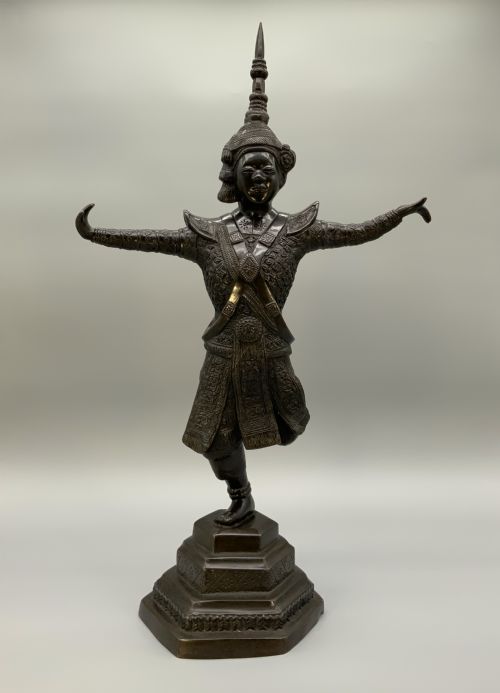
When you search for southeast asian metal sculpture, you enter a domain of cast figures rooted in Buddhist and Hindu traditions. The pieces range from temple lions and court dancers to deities such as Buddha, Shiva, Vishnu, and Dewi Tara.
You are most likely to meet bronze and copper alloy castings originating from Java, Thailand, Burma, and Indochina. These works span periods from pre-sixteenth century examples to twentieth-century creations from the Applied Arts School Bien Hoa.
The regional styles vary distinctly, encompassing Javanese classical, Majapahit, Ayutthaya, Rattanakosin, and Khmer traditions. Each sculpture carries the specific iconography and posture prescribed by its religious and cultural context.
How they were made
The makers of southeast asian metal sculpture relied on casting metals such as bronze, copper alloy, and brass, often finishing surfaces with gilding, gold leaf, or silver alloy. Solid bronze casting required considerable skill in managing molten metal and complex moulds.
Patination played a significant role in the final appearance, resulting in deep brown tones and polished surfaces on temple figures and animal statues. Certain pieces incorporate secondary materials like hardwood bases or mirrored elements.
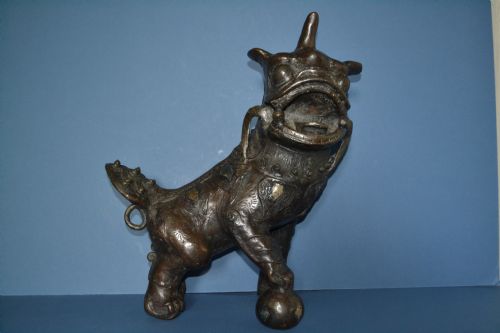
Temple lions keep a watchful eye over domestic spaces, holding their ground centuries after leaving their sanctuaries.
What varies in quality
The preservation of the original surface, whether gilt bronze, gold leaf, or patinated brown bronze, shapes the integrity of the object. Weight, proportion, and the balance of the casting separate accomplished temple bronzes from simpler decorative works.
The Southeast Asian Metal Sculpture Glossary
- Copper alloy
- A metal mixture containing copper combined with other elements such as tin or zinc, frequently utilised for casting historical figures.
- Gilt bronze
- Bronze coated with a thin layer of gold, providing a brilliant surface finish seen on significant Buddhist and Hindu statues.
- Ayutthaya style
- An artistic tradition originating from the Thai kingdom of Ayutthaya, characterised by specific facial structures and royal adornments on figures.
- Bodhisattwa
- An enlightened being destined for Buddhahood, frequently depicted in temple sculptures with elaborate jewellery and serene expressions.
- Javanese classical
- A refined sculptural tradition from Java that emphasises harmonious proportions, naturalistic drapery, and spiritual calm.
Southeast Asian Metal Sculpture: Frequently Asked Questions
What materials make up these sculptures?
Castings rely primarily on bronze and copper alloy, sometimes enhanced with silver alloy, brass, or gold leaf. Artisans also occasionally mounted figures on hardwood bases.
These varied metallic compositions determine the weight, colour, and surface texture of each sculpture.
Where were these metal figures displayed originally?
Many figures served devotional purposes within Buddhist and Hindu temples across Southeast Asia, acting as objects of veneration. Others represented court dancers and temple guardians placed in ritual spaces.
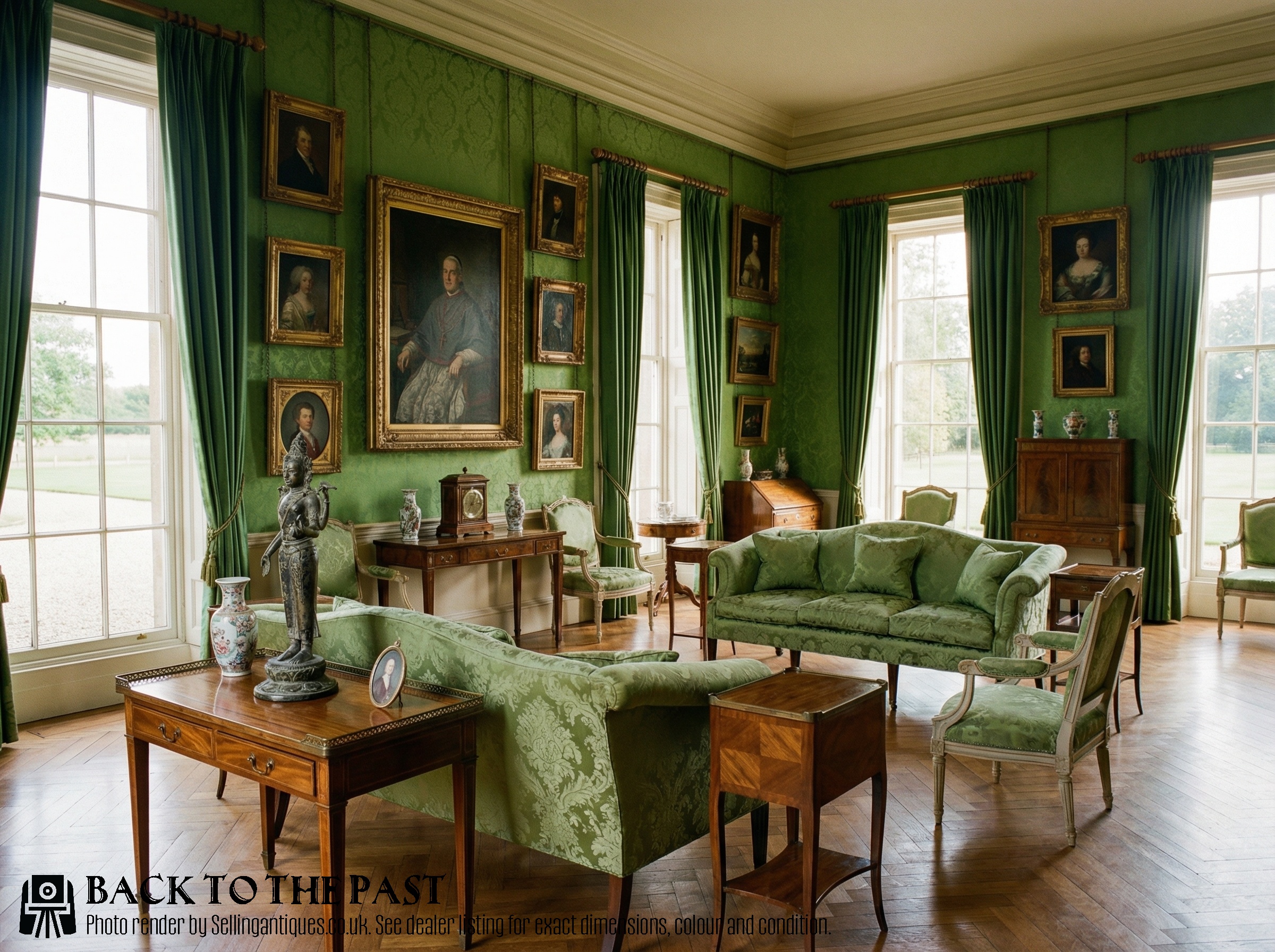
Over time, these sacred and ceremonial objects transitioned into collections and domestic interiors.
How should I care for a bronze sculpture?
Bronze and copper alloy pieces require minimal intervention beyond dusting with a soft, dry cloth. Avoid using liquid cleaners or polishes that might damage historic patination or gilding.
Keeping the sculpture in a stable environment away from excessive moisture preserves the metal surface.