



Vintage Religious Cross
These vintage religious cross pieces combine devotion with fine goldsmithing, offering meaningful history and enduring craftsmanship.
Vintage Religious Cross
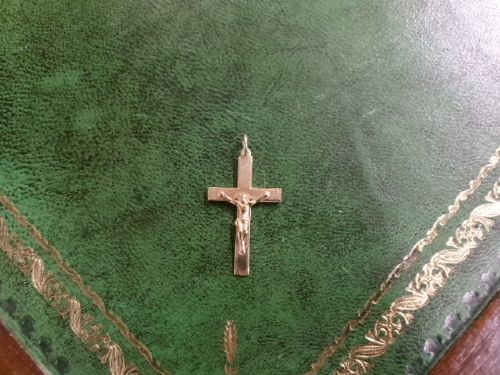
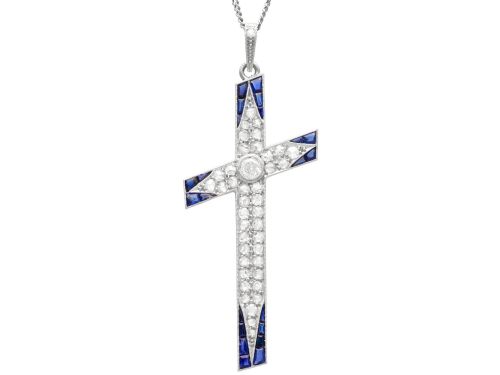
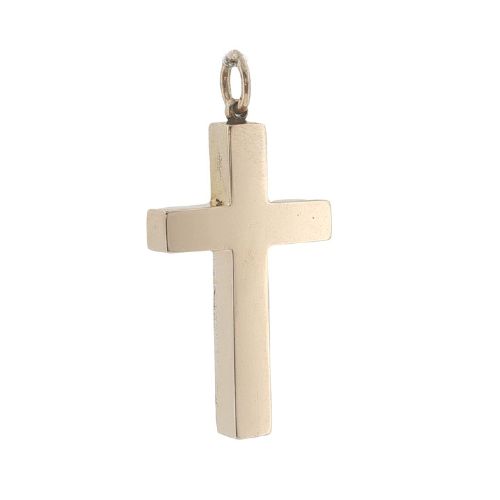
When you search for a vintage religious cross, you encounter a diverse collection spanning altar crosses, pendants, and devotional artefacts. These items range from simple wood and cast iron objects to elaborate pieces set in gold and silver.
The selections here extend across multiple centuries, featuring Victorian and Edwardian examples alongside mid-century interpretations. You will find personal jewellery such as pendants and charms, as well as larger ecclesiastical objects.
Originating from British, French, and continental workshops, these pieces reflect distinct periods of faith and design. The assortment captures both quiet personal devotion and grand liturgical tradition.
How they were made
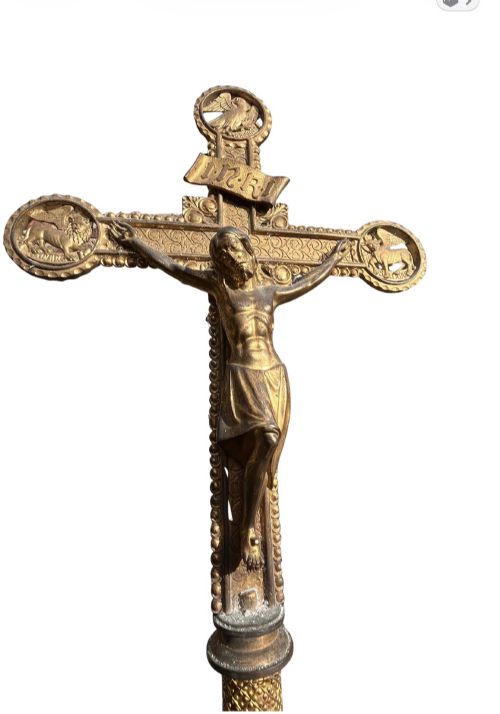
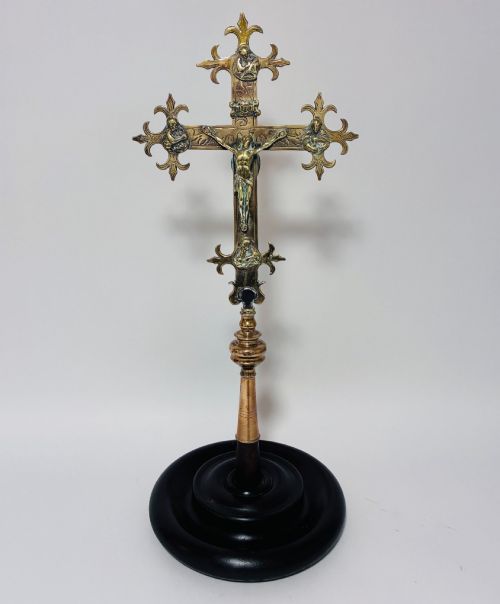
Metals form the structural foundation of these pieces, utilising solid sterling silver, silver gilt, and various purities of gold. Brass and cast iron appear frequently in larger altar crosses and processional objects.
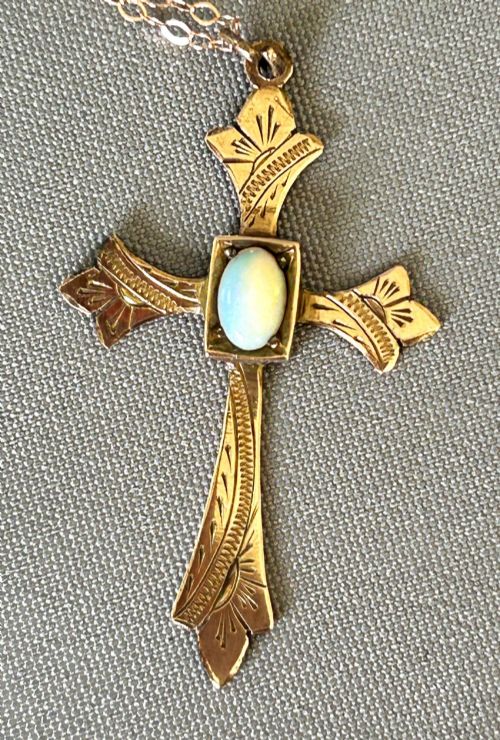
Gemstones and decorative elements elevate the work, incorporating diamonds, sapphires, rubies, amethysts, moonstones, and marcasite. Enamel and carved wood details add texture and colour to pendants and larger crucifixes.
Vintage Religious Cross Retail Price Guide 2026
Typical asking prices for vintage religious cross among the pieces listed under this phrase on Sellingantiques today, from the lower quarter to the upper quarter. They describe what is for sale here now, not the wider market.
The listings combine precious gemstones like sapphires and diamonds with traditional brass and ebonised wood forms.
What varies in quality
The standard of a vintage religious cross rests upon the precision of the metalwork and the selection of materials. Fine examples exhibit crisp engraving, secure stone settings, and balanced proportions.
Maker marks and hallmarking provide clear indicators of origin and metal purity, distinguishing standard production from exceptional goldsmithing. The depth of hand-carving in wood and metal further separates standard items from finer works.
F OSBOURNE & CO LONDON
The Vintage Religious Cross Glossary
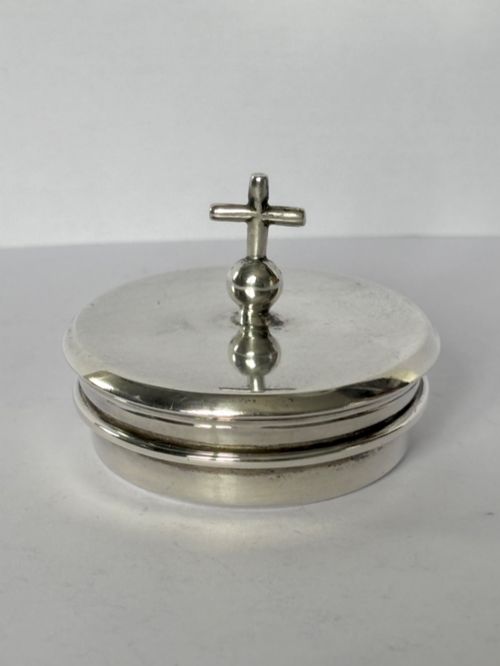
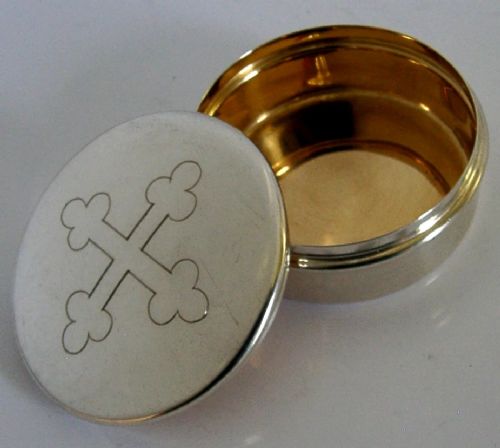
- Pyx
- A small round box used in the Catholic and other Christian churches to carry the Eucharist. These vessels are typically fashioned from sterling silver or silver gilt.
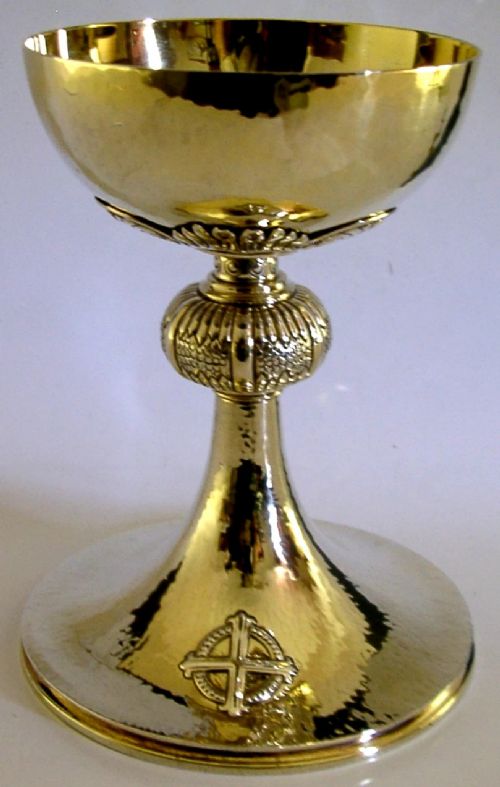
- Chalice
- A consecrated cup used to hold sacramental wine during religious services. They appear in heavy silver gilt formations.
- Marcasite
- Pyrite cut and polished into small facets, then set into silver to resemble diamonds. It provides a distinct dark sparkle on vintage jewellery.
- Processional Cross
- A crucifix mounted on a long staff and carried at the front of religious processions. These are often rendered in brass or heavy metals.
- Prie Dieu
- A type of prayer desk or chair designed for kneeling while praying. They often feature upholstered velvet pads and ebonised wood frames.
Vintage Religious Cross: Frequently Asked Questions
What is a vintage religious cross pendant made of?
These pendants utilise precious metals including sterling silver, silver gilt, and yellow, white, or rose gold in various purities.
Many examples feature added embellishments such as diamonds, sapphires, rubies, pearls, or marcasite stones.
How do I date an antique crucifix?
Dating relies on hallmarks, metal testing, and stylistic markers associated with periods like the Victorian era, Edwardian period, or mid-century.
Maker marks and regional assay office stamps provide precise chronological clues.
What is the difference between a cross and a crucifix?
A cross is typically plain or decorated with gemstones and floral motifs, representing the symbol of faith.
A crucifix specifically includes the corpus, which is the figure of Christ upon the cross.
How were larger altar crosses used?
Altar crosses stood as focal points on church altars during liturgical services, marking sacred spaces.
Processional variants were designed to be lifted on poles and carried during religious ceremonies.