








Iron Red Floral Plate
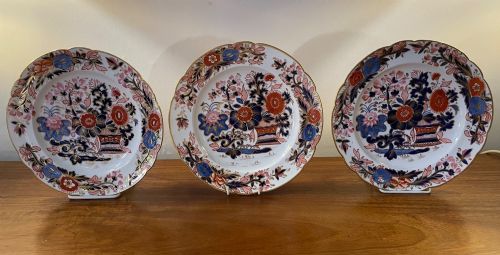
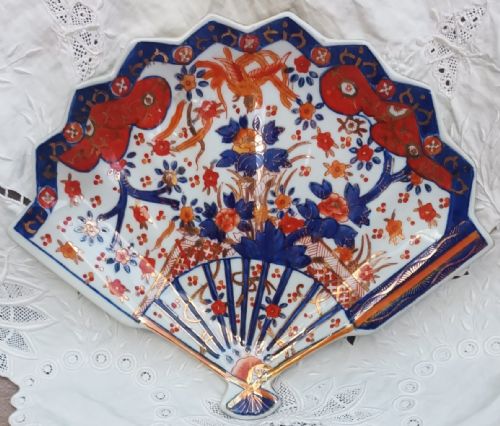
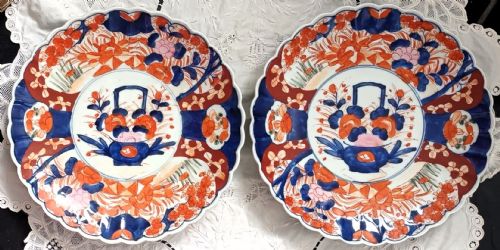
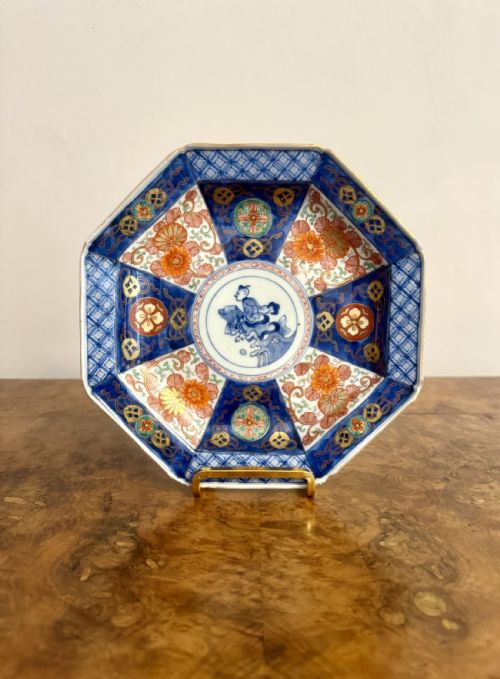
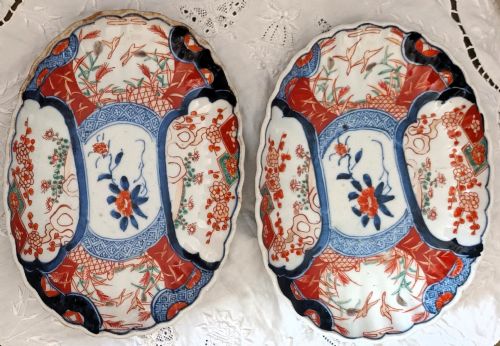
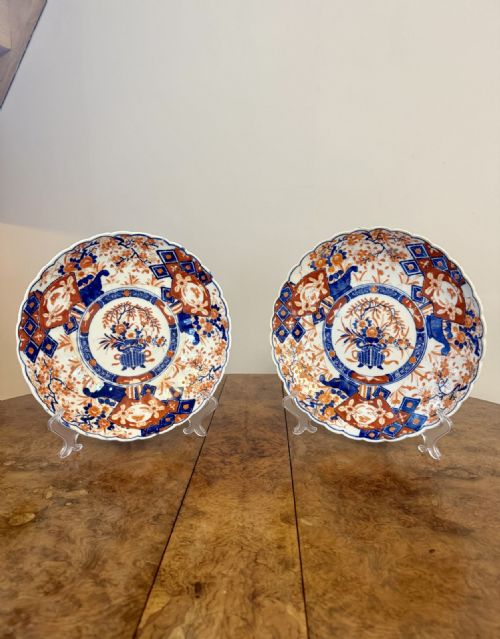
An iron red floral plate brings rich Japanese Imari and Staffordshire pottery into a room, offering bold colour and intricate hand-painted detail for display.
Iron Red Floral Plate
An iron red floral plate combines traditional ceramic forms with distinctive cobalt underglaze, enamel, and gilt decoration. When searching for an iron red floral plate, buyers encounter pieces originating primarily from Japanese Imari production alongside nineteenth-century Staffordshire examples.
The selection ranges from standard dinner plates to large decorative chargers, hexagonal dishes, and square plates. Most examples date from the nineteenth century and the Meiji period, reflecting a rich history of international export and cross-cultural design inspiration.
These items serve primarily as decorative display dishes, often featuring scalloped edges and intricate bird and floral motifs. Collectors find both single decorative plates and matched pairs or larger collections ready for wall mounting or cabinet display.
Materials and methods of production
Artisans formed these pieces from ceramic and porcelain, shaping them into standard rounds, squares, and complex scalloped configurations. Potters then applied cobalt underglaze to the body before the initial firing.
Painters added detailed enamel work, incorporating prominent iron red pigment alongside gold leaf and gilding highlights. This layered technique required precise temperature control in the kiln to fuse the metallic and mineral colours to the glaze.
Listings feature ceramics from the eighteenth, nineteenth, and early twentieth centuries, spanning the Meiji period and the Regency era in porcelain, ceramic, and enamel.
Distinctions in quality and execution
The sophistication of the hand-painted brushwork dictates the visual impact of each piece, with superior examples showing remarkable precision in floral and bird motifs. The depth and clarity of the cobalt underglaze combined with rich enamel and gold leaf application separate standard decorative items from exceptional ones.
Form complexity also influences standing, as hexagonal and square plates require greater skill from the potter than simple round dishes. Furthermore, the vibrancy of the iron red pigment and the preservation of the gilt detailing over centuries determine the desirability of individual items.
The Iron Red Floral Plate Glossary
- Imari
- A style of Japanese porcelain decorated in underglaze blue, iron red, and gold, named after the port from which it was shipped.
- Charger
- A large decorative plate used historically for display on a sideboard or wall rather than for dining.
- Meiji Period
- The era in Japanese history spanning from 1868 to 1912, known for prolific ceramic production for export.
- Cobalt Underglaze
- A blue pigment applied to ceramic pieces before glazing and firing, creating a permanent design beneath the glossy surface.
- Gilding
- The application of gold leaf or gold powder to the surface of porcelain to highlight specific decorative elements.
Iron Red Floral Plate: Frequently Asked Questions
How were antique chargers displayed originally?
Large chargers were traditionally stood upright on sideboards or hung on walls to showcase their complex painted designs.
Today, they remain popular for interior display using sturdy plate stands or wall brackets.
Are these plates suitable for daily dining?
These decorative items feature delicate enamels and gold leaf that can wear down with regular use and washing.
Collectors generally treat them as display pieces rather than functional tableware.
How do I identify Meiji period plates?
Meiji period ceramics typically date between 1868 and 1912, corresponding to the reign of Emperor Meiji.
They often exhibit vibrant Imari palettes with detailed floral and bird compositions.
What is the difference between a plate and a charger?
Chargers are significantly larger in diameter than standard dining or cabinet plates, often exceeding twelve inches.
Their substantial size allows for more elaborate and densely packed floral or pictorial compositions.