





Gilded Ceramic Charger Plate
A gilded ceramic charger plate brings rich metallic lustre and intricate hand-painted detail to any wall or cabinet display.
Gilded Ceramic Charger Plate
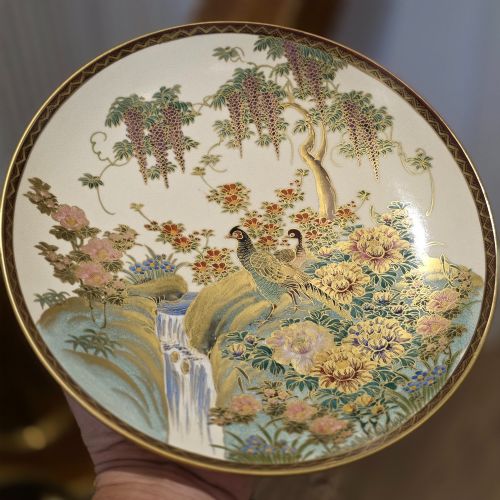
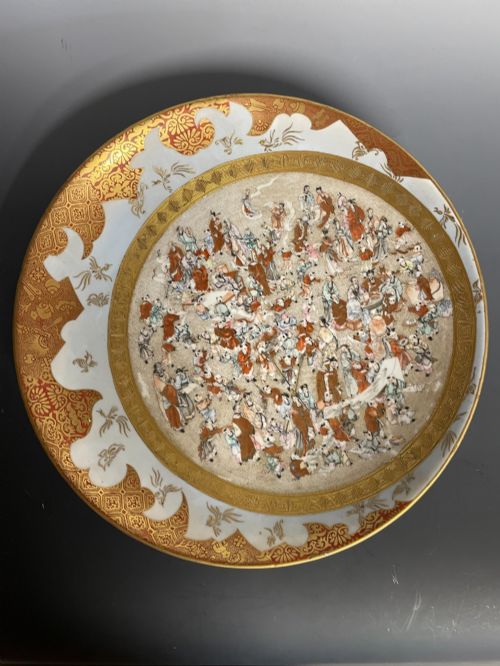
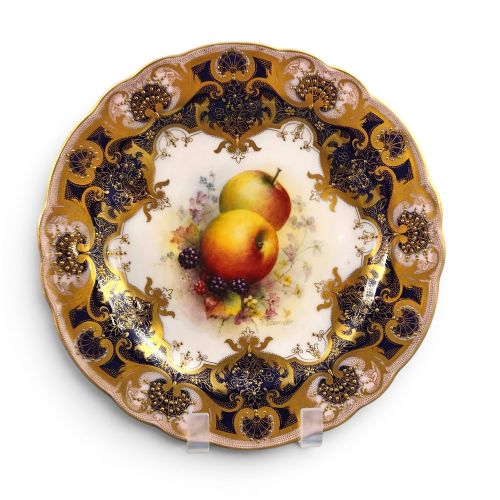
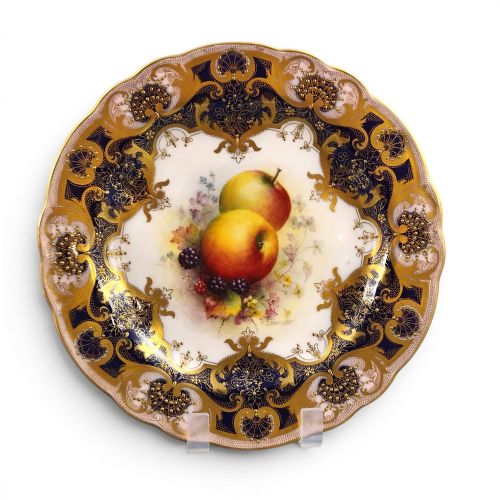
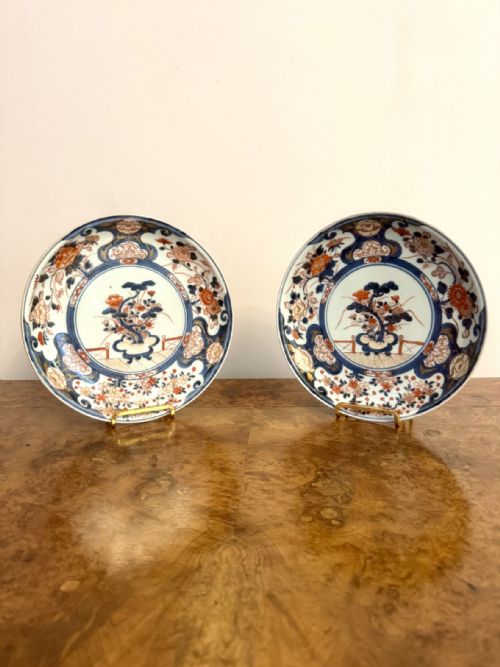
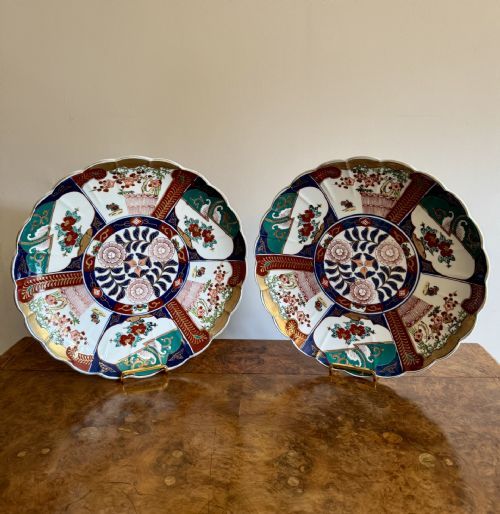
A gilded ceramic charger plate encompasses large decorative dishes, cabinet plates, and wall chargers produced across the nineteenth and early twentieth centuries. These substantial ceramic pieces range from European porcelain and earthenware to traditional Japanese Imari and Satsuma wares, frequently embellished with gold leaf, gilt, and enamel highlights.
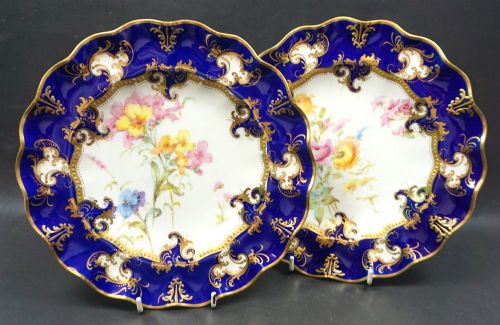
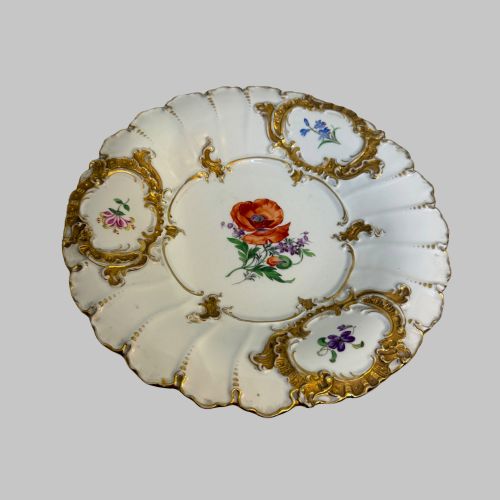
The selections available here lean heavily toward Japanese Imari and Satsuma chargers from the Meiji period, alongside European porcelain works from makers such as Meissen, Royal Worcester, and Paris factories. Buyers will encounter both scalloped or square shapes and traditional large round presentation formats designed for display.
These items served primarily as decorative table centrepieces, cabinet showpieces, or wall-hung plates rather than everyday tableware. Their surviving forms reflect the global taste for ornate hand-painted floral, bird, and figural compositions during the Victorian and Edwardian eras.
How they were made
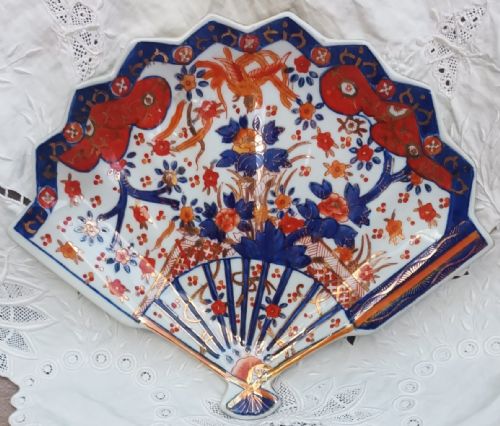
Potters formed these charger plates using porcelain or earthenware clay bodies, often shaping them into standard round formats or alternative scalloped, octagonal, and fan contours. Artisans applied cobalt blue, iron-red, and polychrome enamel colours beneath or over the glaze before subjecting the ceramic to high-temperature kiln firings.
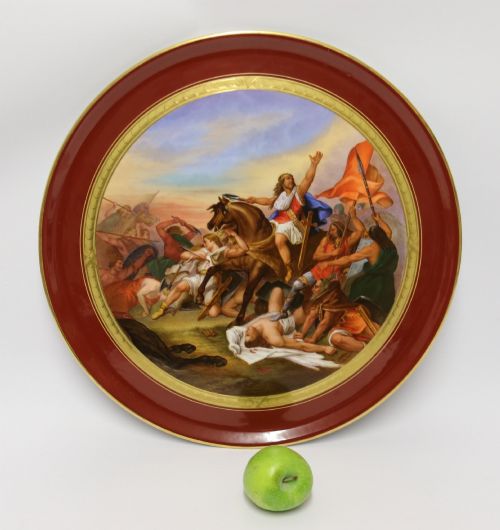
Gilding was subsequently added using gold leaf, gilt, or gold paint to accentuate borders, motifs, and focal points. Skilled painters then executed detailed hand-painted scenes, ranging from botanical studies and exotic birds to complex Japanese landscapes and historical battle depictions.
Materials recorded across the inventory include gold leaf, enamel, and traditional glaze.
What varies in quality
Quality rests significantly on the precision and artistry of the hand-painted execution, distinguishing standard decorative output from superior factory commissions or master-signed Satsuma works. The clarity of the enamel work and the richness of the applied gilding dictate the overall visual depth of the plate.
The sophistication of the ceramic body and the complexity of the moulding, such as reticulated borders or unusual geometric shapes, separate ordinary production pieces from exceptional cabinet plates. Preservation of the original gilding and painted surface without extensive rubbing remains a primary indicator of high standing.
Koshida·Royal Crown Derby·Royal Worcester·Meissen·Pucher Deroche
The Gilded Ceramic Charger Plate Glossary
- Charger plate
- A large decorative plate or dish utilised traditionally for formal display rather than serving food. These pieces frequently feature prominent hand-painted scenes and gilded rims.
- Imari
- A traditional Japanese style of porcelain exported widely from the port of Imari, typically characterised by a palette of underglaze blue, iron-red, and abundant gilt highlights.
- Satsuma
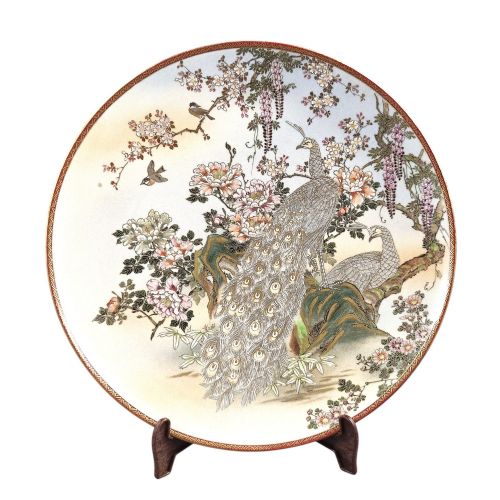
- A type of Japanese earthenware featuring an ivory-coloured, crackle-glazed body decorated with finely detailed polychrome enamels and raised gold gilding known as moriage.
- Cabinet plate
- A fine ceramic plate intended for display inside a glass cabinet or on a wall rather than functional dining use. These pieces often showcase intricate artistic painting.
- Gilding
- The application of gold leaf, gold paint, or powdered gold onto the surface of a ceramic object to impart metallic lustre. This technique elevates the decorative richness of the piece.
Gilded Ceramic Charger Plate: Frequently Asked Questions
What is a charger plate used for?
A charger plate acts as a decorative centrepiece, wall hanging, or cabinet display item rather than an active dining dish. Their generous size and elaborate hand-painted surfaces were intended to showcase wealth and artistic taste.
Historically, larger charger plates sat upon sideboards or tables to anchor a room's decorative scheme. Today, collectors mount them on walls or display them securely within glass cabinets.
How do I identify a Meiji period Japanese charger?
Meiji period Japanese chargers, particularly Imari and Satsuma wares, date from the late nineteenth to the early twentieth century. They typically exhibit dense hand-painted motifs featuring flora, fauna, or traditional figures combined with extensive gilding.
Satsuma pieces generally display a characteristic ivory crackle glaze with raised enamel work, whilst Imari pieces rely on a contrasting palette of cobalt blue and iron-red enriched with gold.
Are these plates meant for daily dining?
These pieces are strictly decorative cabinet plates, chargers, and display dishes rather than functional tableware. Utilising them for food service risks damaging the delicate overglaze enamels and historic gilding.
Careful handling and secure display methods ensure the hand-painted surfaces remain preserved. Gentle dusting with a soft cloth is sufficient for ongoing maintenance.
What distinguishes European porcelain from Japanese wares here?
European porcelain plates from factories like Meissen or Royal Worcester often feature neoclassical scenes, botanical studies, or romantic figures after artists like Boucher. Their aesthetic follows Western decorative traditions of the Victorian and Edwardian periods.
In contrast, Japanese pieces emphasise traditional Eastern motifs such as wisteria, peonies, and birds rendered in distinct regional palettes like Imari or Satsuma. Both traditions make extensive use of gold leaf and gilt.