







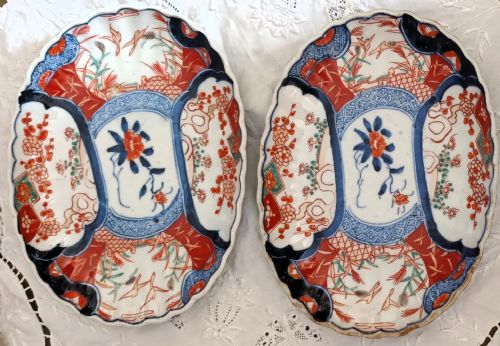
Iron Red Cobalt Porcelain
Iron red cobalt porcelain brings together rich iron red pigments and deep cobalt blue on fine ceramic bodies, offering striking contrast and traditional patterns.

Iron Red Cobalt Porcelain
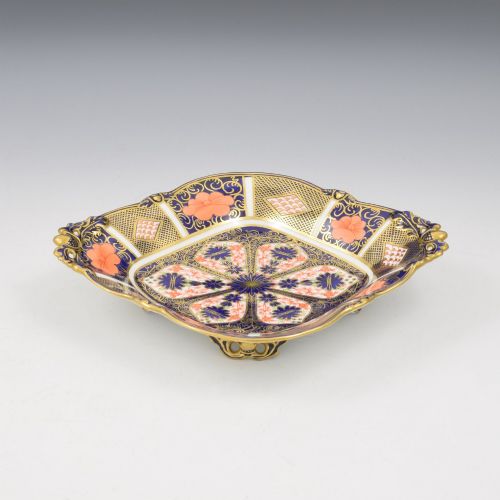
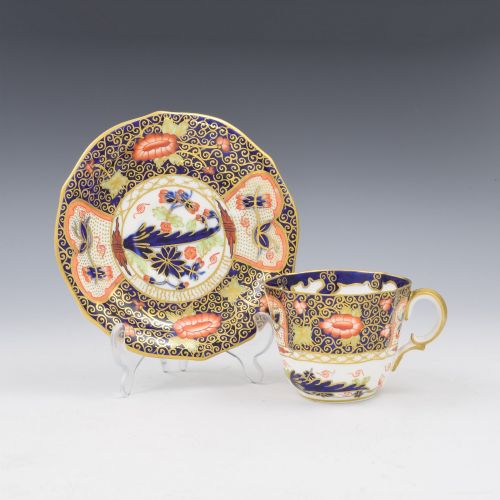
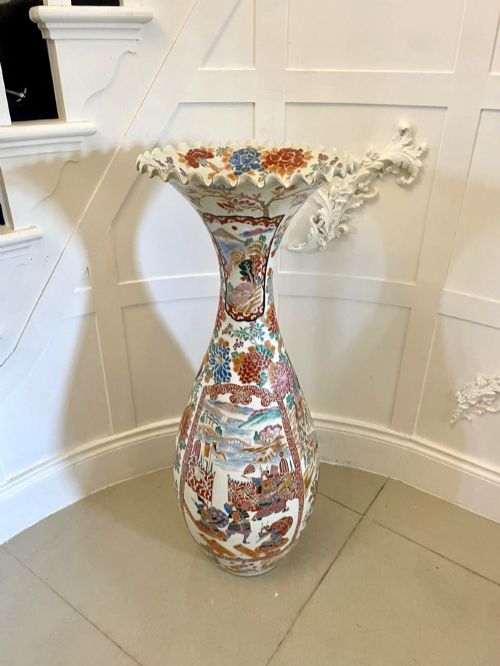
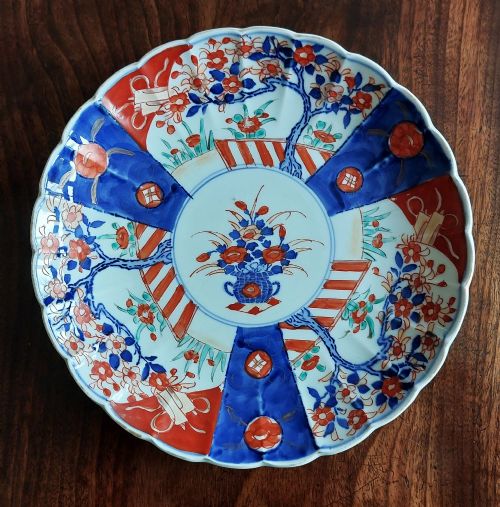
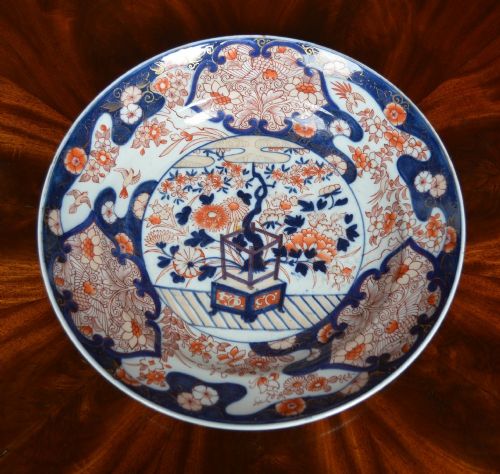
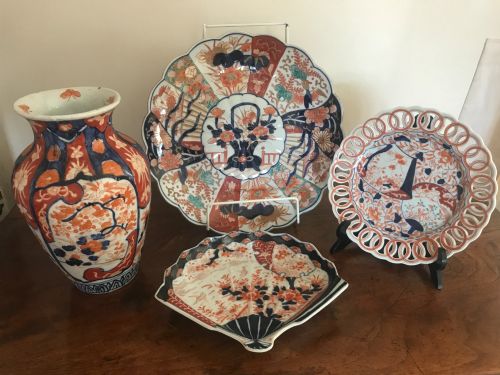
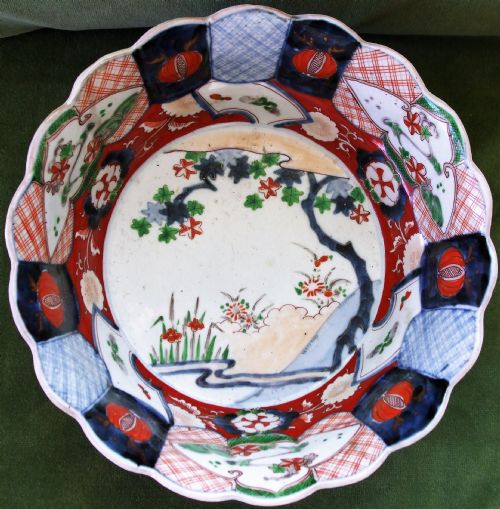
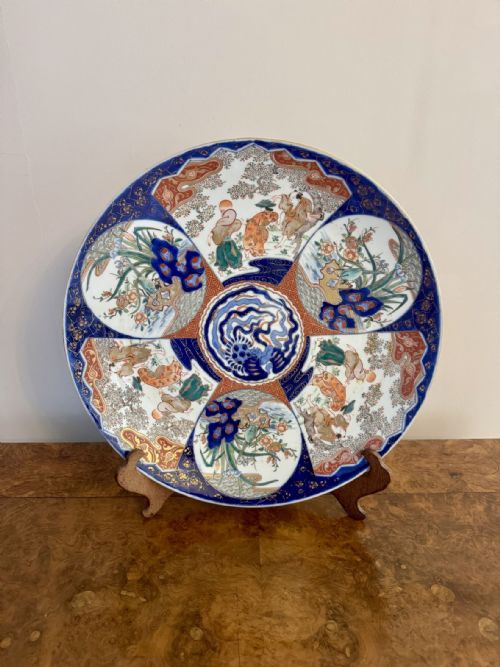
When you examine iron red cobalt porcelain, you encounter pieces shaped largely by Japanese Imari styles and English interpretations of the palette, spanning the nineteenth and early twentieth centuries. The selection on this page consists predominantly of decorative plates, chargers, bowls, and vases originating from Japanese Meiji workshops alongside English factories such as Royal Crown Derby and Stevenson and Hancock.
Forms range from small teacups and saucers to large floor-standing vases and wide chargers depicting subjects like exotic birds and the Seven Lucky Gods. Scalloped edges, hexagonal shapes, and square plates appear frequently among the Japanese items, reflecting traditional potting methods.
English pieces often adopt the Imari palette on bone china or porcelain bodies, demonstrated by patterned serving dishes and coffee cups. The grouping balances larger display items with smaller functional tablewares from the Victorian, Edwardian, and later periods.
How they were made
Potters shaped ceramic, porcelain, and bone china bodies before applying underglaze cobalt blue and iron red enamel pigments, often accented with gold leaf, gilt, or standard glaze. The pieces required careful firing in kilns to fix the intricate painted designs onto the surface.
Hand painting is evident across the pieces, with artisans filling scalloped edges and shaped surfaces with detailed motifs. Artisans combined cobalt pigments with iron red and gold gilding to achieve the traditional palette seen on both Japanese and English wares.
Several plates depict the Seven Lucky Gods, ensuring your tea table benefits from a full mythological committee.
What varies in quality
Quality rests in the crispness of the hand-painted cobalt and iron red brushwork, the precision of gilt highlights, and the neatness of the ceramic moulding, particularly on scalloped or hexagonal edges. Superior examples display sharply defined motifs and even glaze application without blurring.
The density and clarity of the colours distinguish finer pieces, where the red enamel and cobalt blue retain their vibrancy and contrast clearly against the white porcelain ground.
Royal Crown Derby·Stevenson and Hancock
The Iron Red Cobalt Porcelain Glossary
- Imari
- A style of ceramic decoration originating in Japan, characterised by a palette of underglaze blue, iron red, and gold. English potteries later adopted this distinct colour scheme on bone china and porcelain.
- Charger
- A large decorative plate intended for display rather than for serving food at the table. These wide pieces often feature detailed pictorial scenes.
- Gilt
- A thin layer of gold applied to the surface of porcelain or ceramic as a decorative accent. This technique highlights rims, handles, and painted borders.
- Meiji Period
- A Japanese historical era spanning from 1868 to 1912, noted for significant production of porcelain and decorative arts for export. Pieces from this time frequently display detailed hand-painted birds and traditional figures.
Iron Red Cobalt Porcelain: Frequently Asked Questions
What is iron red cobalt porcelain?
Iron red cobalt porcelain refers to ceramics decorated with a combination of deep cobalt blue underglaze and iron red enamel, often associated with Imari traditions.
These pieces span Japanese export wares and English bone china adaptations from the nineteenth and early twentieth centuries.
How were these pieces used?
Many items, such as large chargers and floor-standing vases, served as decorative display objects in period interiors. Smaller bowls, plates, and teacups saw use in formal dining and tea service.
Scalloped dishes and square plates were often arranged on sideboards or tables to showcase the vibrant palette.
How do I date these ceramics?
Dating relies on stylistic markers, such as Meiji period Japanese design traits or Victorian and Edwardian English factory marks. Form, weight, and the application of gold leaf and enamel also provide clues to the era of production.
Pieces from the late nineteenth century often exhibit characteristic hand-painted motifs and specific potting shapes.
How do I care for antique porcelain?
Antique porcelain and bone china require gentle handling and should be washed by hand in lukewarm water using mild soap. Avoid harsh scrubbers to protect the delicate iron red enamel and gold gilt details.
Display pieces should be placed on stable surfaces away from direct sunlight to preserve the richness of the painted colours.