
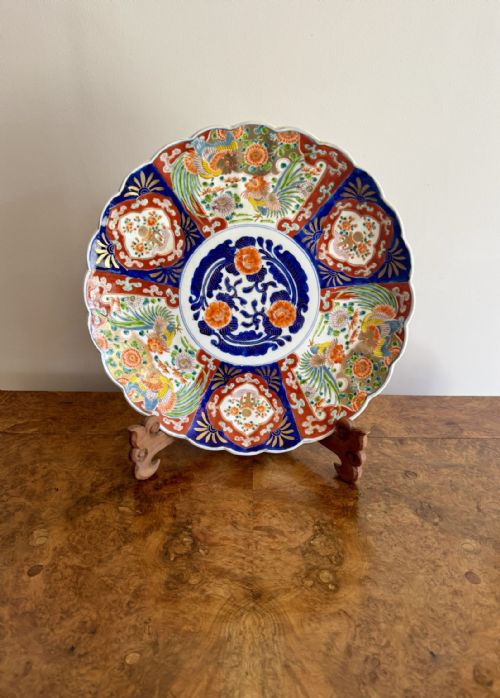

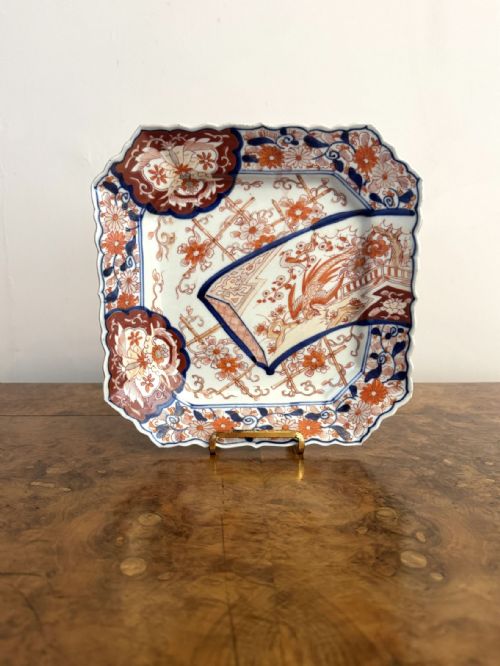


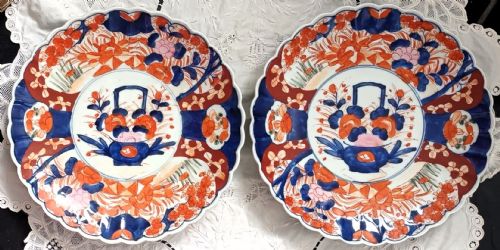
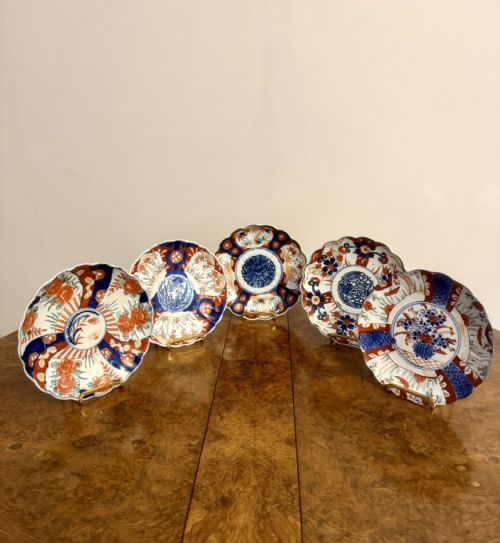


Scalloped Imari Decorative Plate
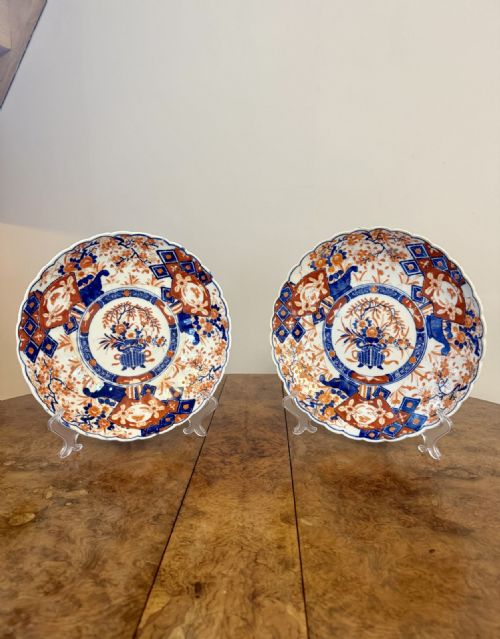
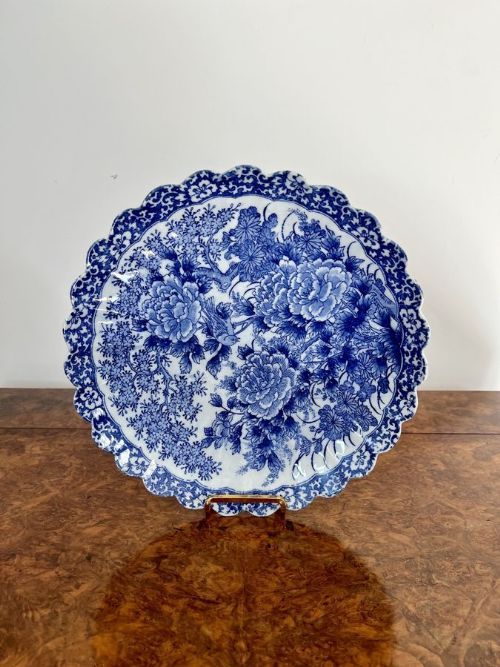
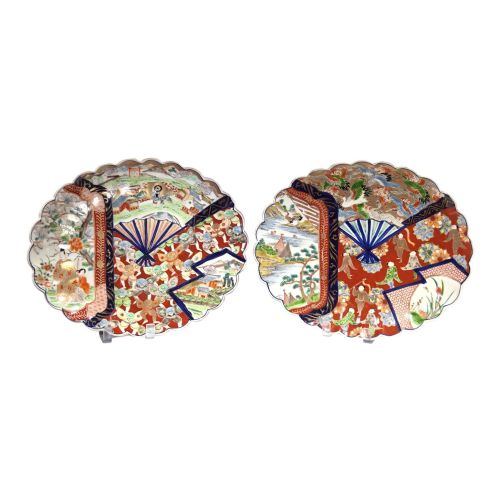
These scalloped imari decorative plates bring rich cobalt underglaze and vibrant enamel palettes to any display, offering a distinct focal point for collectors.
Scalloped Imari Decorative Plate
When you search for a scalloped imari decorative plate, you encounter items designed primarily for display rather than dining. These pieces arrive mostly from the nineteenth and early twentieth centuries, spanning periods such as Victorian, Edwardian, and the Japanese Meiji era.
The objects take various forms on this page, including large chargers, square shapes, hexagonal formats, and shell-edged dishes. Most examples originate from Japanese workshops, though nineteenth century ironstone variations also appear.
Buyers frequently select these items for their strong visual impact on walls or cabinets. The combination of intricate painted motifs and shaped edges defines the category across single pieces and matched pairs.
Materials and technique
Makers utilised porcelain and ceramic as the primary base materials for these items. Potters shaped the clay by hand or mould before applying cobalt underglaze pigments directly to the surface.
Artisans layered enamel colours alongside gold leaf and gilt highlights to complete the distinctive decoration. Firing fixed the mineral colours into the glaze, creating a durable finish that retains its vibrancy across decades.
Certain chargers depict the Seven Lucky Gods sailing together, ensuring your wall display comes fully stocked with mythological good fortune.
Assessing quality and execution
Quality rests upon the precision of the hand painted details and the clarity of the cobalt underglaze. Superior examples display crisp botanical or figural scenes without blurring in the pigment.
The application of gilding and enamel work separates standard production from finer output. Better pieces maintain rich gold leaf accents and balanced compositions across the entire surface of the plate.
The Scalloped Imari Decorative Plate Glossary
- Imari
- A style of Japanese porcelain featuring a distinct palette of cobalt blue, iron red, and gilt. It originated in the town of Arita and became widely exported to Europe.
- Charger
- A large decorative plate or platter used traditionally for display on tables or sideboards rather than for serving food. These pieces measure significantly larger than standard dining plates.
- Underglaze
- A method of decorating pottery beneath a transparent glaze layer using pigments that withstand high firing temperatures. Cobalt is the most common mineral used for this technique.
- Gilt
- A thin layer of gold applied to the surface of porcelain or ceramic to highlight specific decorative elements. This finish adds reflective depth to the painted design.
- Scalloped
- An edge shaped into a series of continuous curves resembling the outline of a scallop shell. This decorative contour appears frequently on display plates and chargers.
Scalloped Imari Decorative Plate: Frequently Asked Questions
How do I display a charger safely?
Large chargers require sturdy wall mounts designed to support the full diameter and weight of porcelain without damaging the rim. Alternatively, heavy iron display stands hold them securely upright inside cabinets or on tabletops.
Ensure the display location avoids direct sunlight and heavy foot traffic to protect the enamel and gilt surfaces from accidental impact.
Are these plates meant for dining?
These pieces function primarily as decorative items rather than practical tableware. The delicate enamel work and gold leaf details are vulnerable to cutlery marks and frequent washing.
Historical examples with significant wear are best preserved through careful handling and dry maintenance.
How do I date a Meiji piece?
Dating relies on stylistic markers, potting techniques, and historical context rather than explicit stamps. The Meiji period spans from eighteen sixty-eight to nineteen twelve, aligning with specific shifts in Japanese export porcelain.
Comparing the density of the ceramic body and the complexity of the enamel palette helps narrow the manufacturing era.
What causes the blue colour variation?
Cobalt underglaze produces different shades of blue depending on the mineral purity and the kiln temperature during firing. Thicker application yields deep navy tones, while lighter washes create softer indigo effects.
These natural variations reflect the hand painted nature of nineteenth century production.