




Meiji Period Ceramic Platter
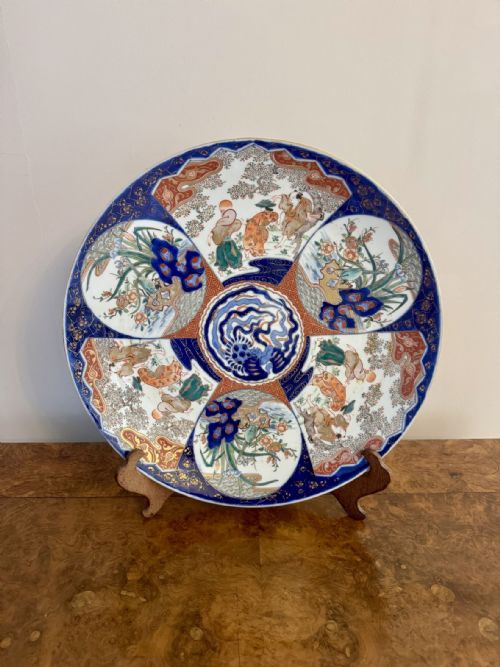
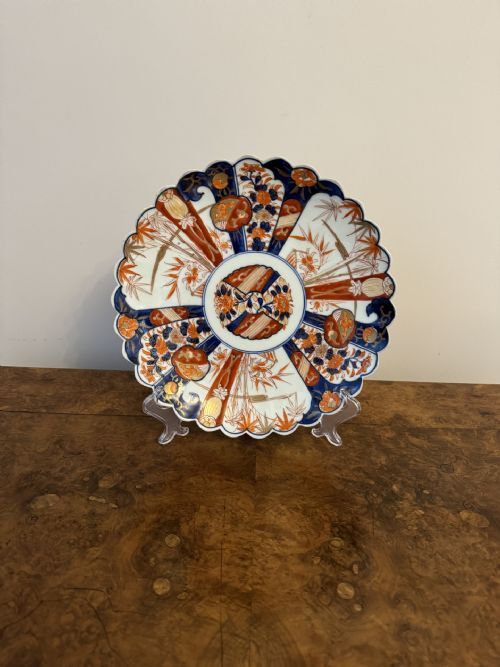
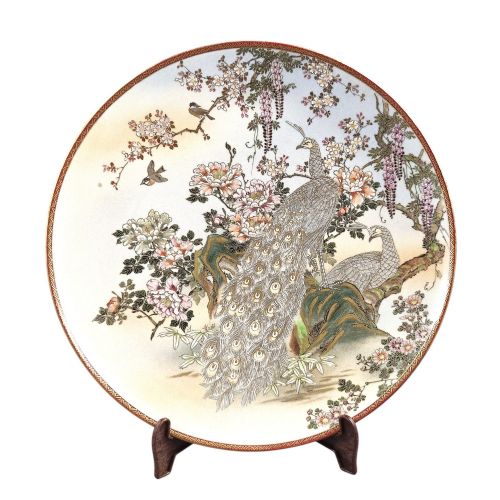
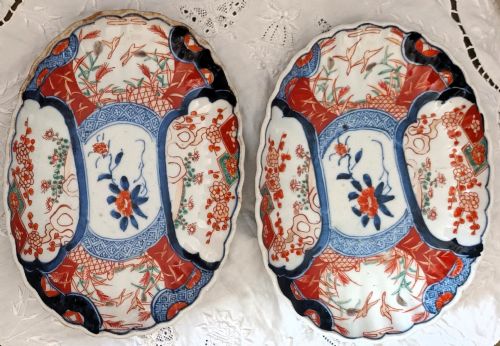
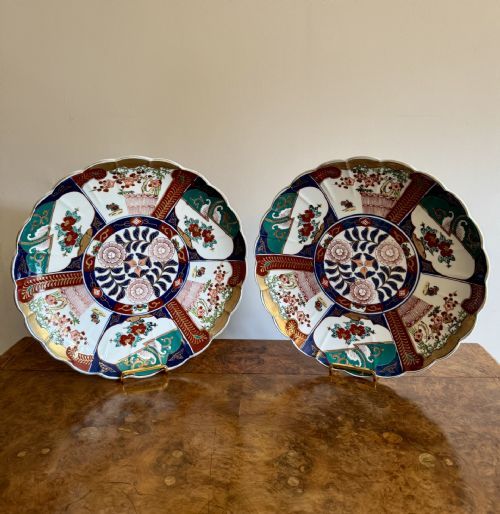
These meiji period ceramic platter options bring together hand-painted Satsuma, Kutani and Imari works designed to command any room.
Meiji Period Ceramic Platter
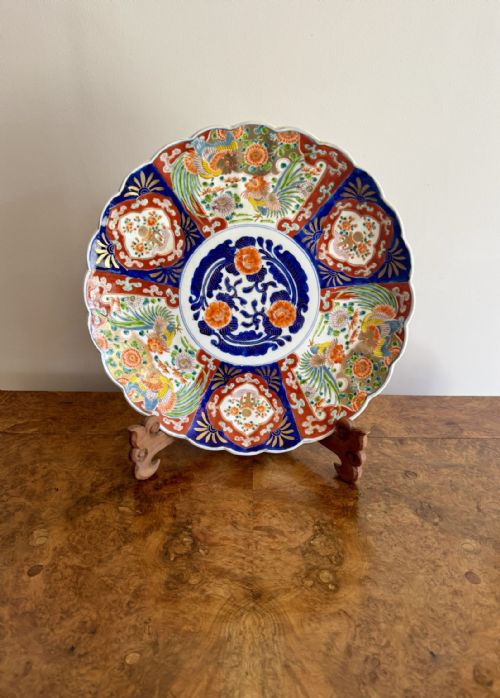
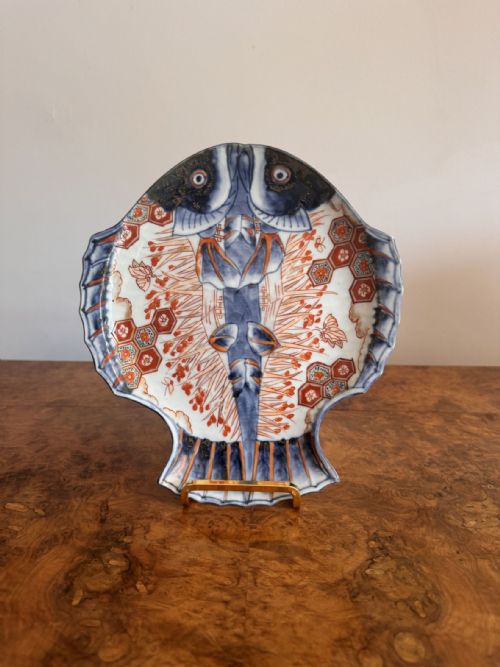
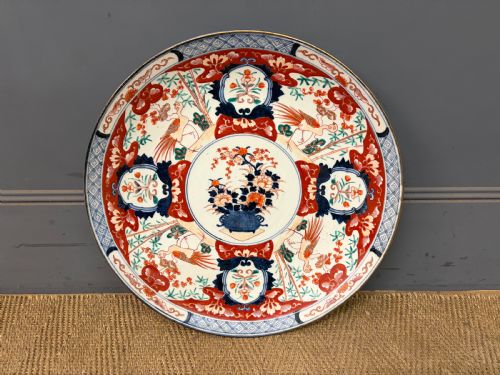
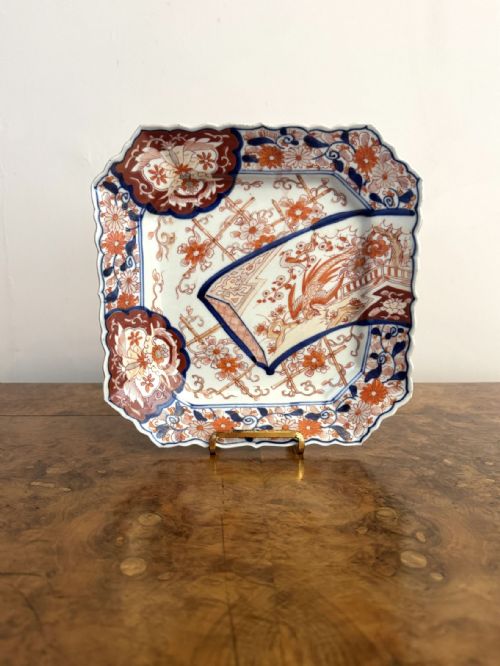
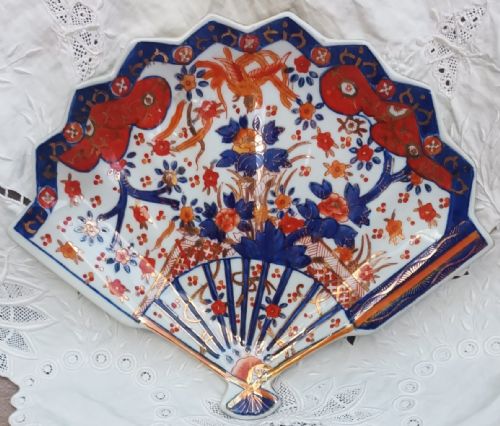
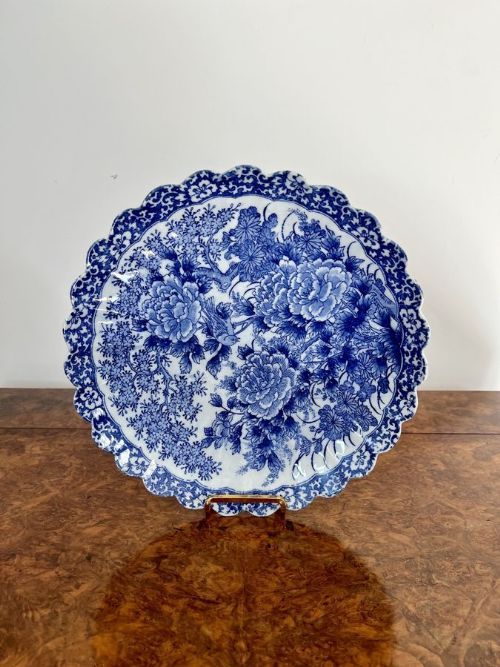
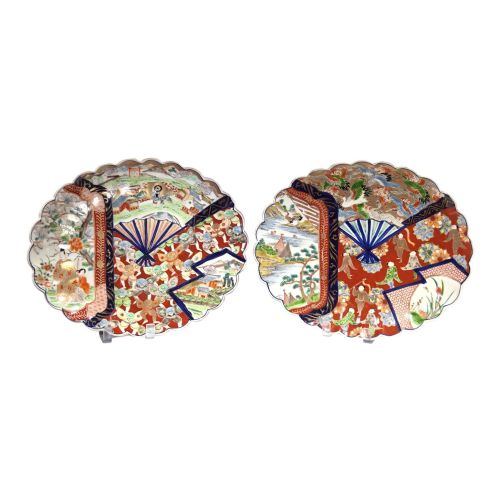
A meiji period ceramic platter typically takes the form of a large decorative charger, plate or dish shaped for display rather than dining. The pieces available here span standard circular formats alongside square, scalloped, fan-shaped and fish-shaped variations.
Most items originate from the late nineteenth and early twentieth centuries, capturing the distinct output of Japanese kilns during the Meiji era and adjacent periods. Buyers will find substantial porcelain chargers decorated with floral motifs, birds, carp and figural scenes.
How they were made
Potters shaped porcelain clay into wide plates and chargers, often utilising moulds for square, fan or scalloped edges. Artisans then applied cobalt underglaze details before firing the ceramic body.
Painters layered enamels and gold leaf by hand over the glaze to create intricate floral, avian and deity designs. Certain specialised pieces incorporate cloisonne tree bark techniques known as Totai Shippo over porcelain bases.
Listings feature periods spanning from 1870 through to 1920, with the 1890 and 1900 decades dominating the inventory.
What varies in quality
The precision and density of the hand-painted brushwork dictate the visual weight of a piece. Finer examples display meticulous control in polychrome enamels and cobalt underglaze, whilst simpler items rely on broader, repetitive motifs.
The ambition of the form itself separates standard plates from exceptional chargers. Unusual shapes like fish bodies or fan outlines, alongside complex Moriage relief work and substantial gilt application, denote higher workshop output.
The Meiji Period Ceramic Platter Glossary
- Imari
- A style of Japanese porcelain decorated in underglaze blue, iron red, gold and additional colours. It became immensely popular for export during the Meiji period.
- Kutani
- A distinct style of Japanese coloured porcelain known for bold palettes, often featuring extensive gold leaf and pictorial scenes.
- Satsuma
- Earthenware pottery with a crackled ivory glaze, frequently decorated with detailed polychrome enamels and gilding. Pieces often depict figures, peonies and wisteria.
- Charger
- A large decorative plate intended for display on a wall or sideboard rather than practical table service. These form the bulk of large format Meiji ceramics.
- Moriage
- A decorative ceramic technique using raised slips of clay to create textured, dimensional patterns on the surface before glazing and painting.
- Totai Shippo
- Cloisonne enamel applied directly over a ceramic or porcelain body rather than metal. Wire partitions hold the enamel powders in place.
Meiji Period Ceramic Platter: Frequently Asked Questions
How do I hang a heavy charger?
Large chargers require robust wall-mounting hardware designed specifically to support heavy porcelain without slipping. Professional framing shops supply adjustable spring-loaded plate hangers suited for these dimensions.
Ensure the wall anchor fixes securely into a stud rather than drywall alone. Position the display away from high-traffic corridors to prevent accidental knocks.
What is the difference between Imari and Kutani?
Imari porcelain relies on a characteristic palette of cobalt blue underglaze combined with iron red and gold overglaze. The patterns typically balance geometric borders with floral and avian motifs.
Kutani wares emphasise heavier pictorial scenes, often incorporating rich gold leaf and vibrant green or purple enamels. The style focuses heavily on narrative illustrations rather than symmetrical pattern work.
Can I use these plates for serving food?
Antique Meiji ceramic platters function primarily as decorative art objects rather than functional tableware. Over a century of age leaves surface enamels and gold leaf vulnerable to acidic foods and modern detergents.
Hand-washing is mandatory if cleaning becomes necessary, though dry dusting with a soft brush suits display pieces best. Avoid soaking items with exposed gilt or delicate Moriage relief.
How do I identify a Meiji period piece?
Meiji period ceramics date from the reign of Emperor Meiji, spanning the late nineteenth to early twentieth century. Listings frequently cite this era alongside Victorian or Edwardian stylistic overlap in Britain.
Inspect the foot ring and unglazed clay body for signs of age, alongside hand-painted signatures where present. Stylistic indicators include dense export-oriented decoration and traditional Japanese motifs.