






Iron Red Cobalt Blue Porcelain
Iron red cobalt blue porcelain brings together striking palette contrasts across plates, chargers, bowls, and vases spanning the nineteenth and early twentieth centuries.

Iron Red Cobalt Blue Porcelain
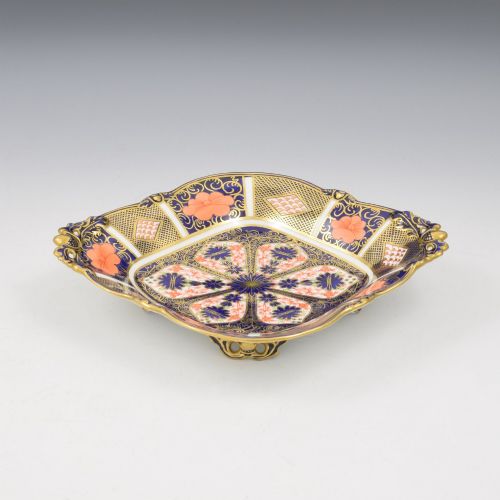
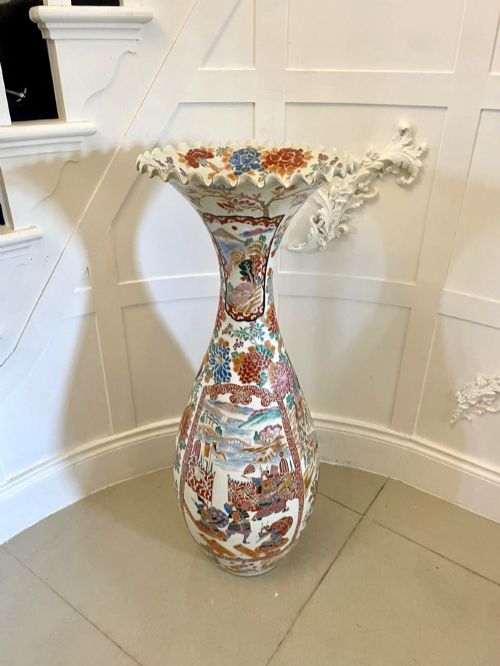
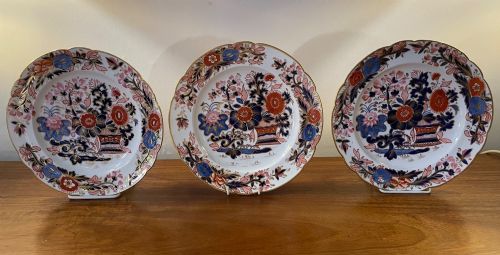
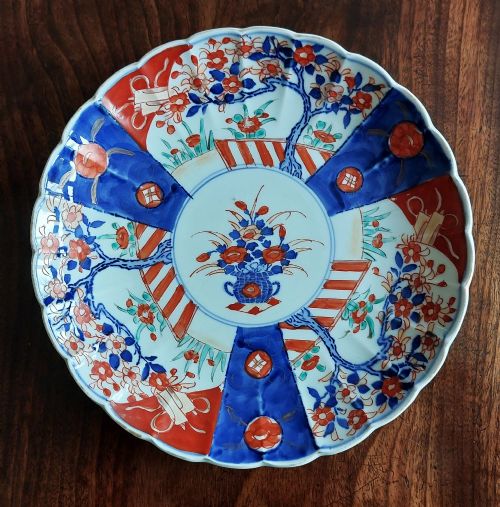
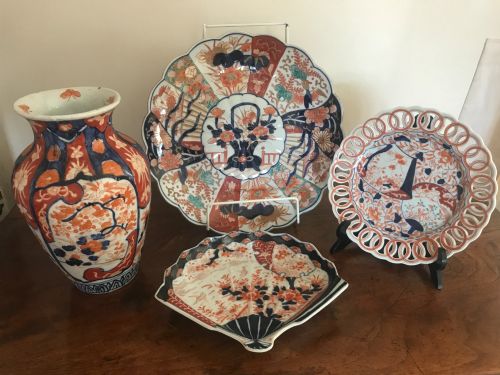
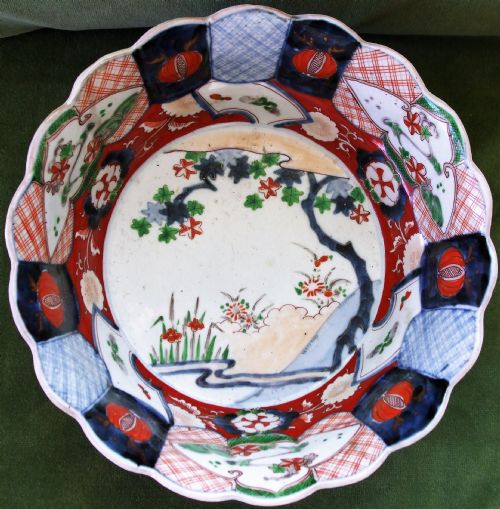
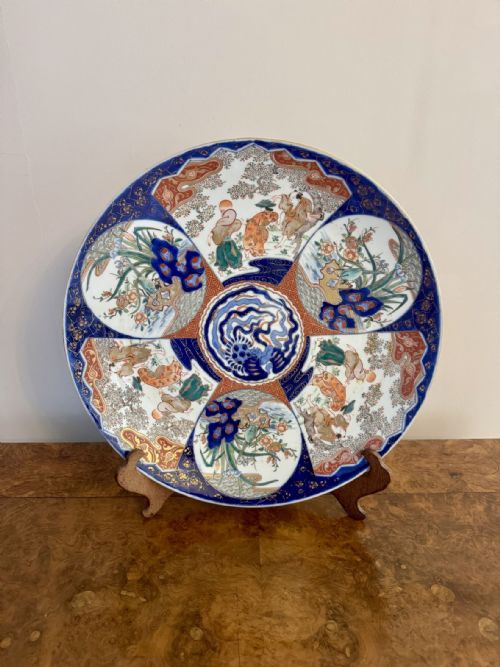
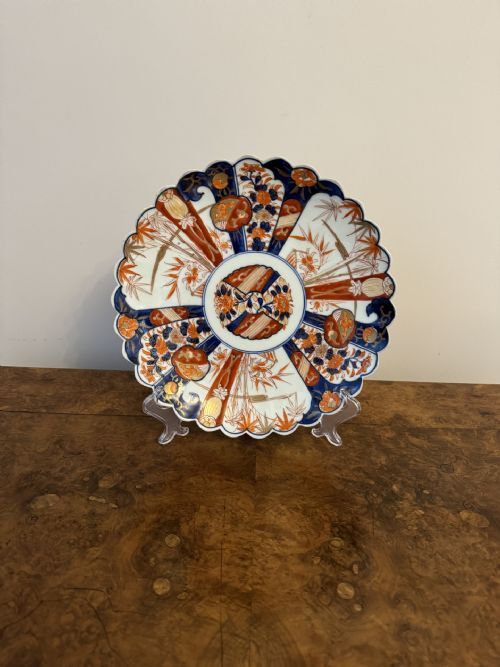
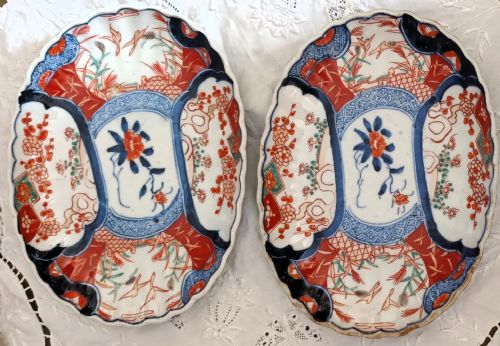
When searching for iron red cobalt blue porcelain, buyers encounter Japanese export works from the Meiji period alongside English adaptations produced during the Victorian and Edwardian eras. These pieces typically take the form of decorative chargers, scalloped plates, bowls, and floor-standing or shaped vases.
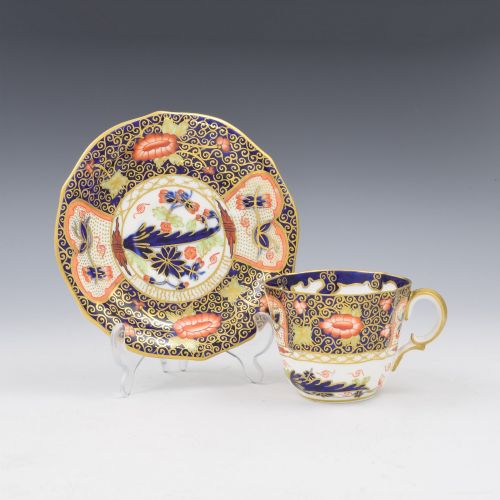
Japanese Imari examples dominate the selection, showcasing traditional patterns featuring exotic birds, floral motifs, and figures such as the Seven Lucky Gods. English counterparts from makers like Royal Crown Derby and Staffordshire translate the palette into domestic tea services, coffee cups, and serving trays.
Materials and construction methods
Makers utilised ceramic, bone china, and porcelain bodies as the foundation for these items, applying underglaze blue pigments alongside iron red enamel details. Additional decorative layers frequently incorporated gilt, gold leaf, and gold gilt highlights to accentuate the painted surfaces.
The firing process bonded the cobalt blue beneath the glaze while the iron red and gold details were fixed during subsequent lower-temperature enamel firings. Skilled hands shaped plates with scalloped edges, hexagonal profiles, and large square forms before final glazing.
Listings span the nineteenth and early twentieth centuries, featuring the Meiji period, Victorian era, and Edwardian period.
Assessing quality in iron red cobalt blue porcelain
The standard of painting defines the upper tiers of these ceramics, separating rapid production ware from meticulously detailed hand-painted compositions. Crispness in the cobalt blue underglaze and precision in the iron red and gilt application indicate superior craftsmanship.
Form and balance also divide the collection, with unusual shapes like hexagonal plates, large floor-standing vases, and matching garniture sets demonstrating higher ambition from the kiln. The clarity of the porcelain body and the preservation of the enamel surface complete the distinction.
The Iron Red Cobalt Blue Porcelain Glossary
- Imari
- A style of Japanese porcelain originating from Arita and exported through the port of Imari, traditionally defined by a palette of cobalt blue, iron red, and gold.
- Meiji Period
- The era in Japanese history spanning from 1868 to 1912, characterised by prolific ceramic production for Western export markets.
- Charger
- A large decorative plate or platter intended primarily for display on a wall, cabinet, or sideboard rather than dining use.
- Garniture
- A matching set of three or more vases designed to be displayed together on a mantelpiece or shelf.
Iron Red Cobalt Blue Porcelain: Frequently Asked Questions
What is iron red cobalt blue porcelain?
It refers to ceramics decorated with a distinctive palette combining underglaze blue and iron red enamel, often enhanced with gold.
Most examples on this page stem from Japanese Imari traditions or English nineteenth-century revivals.
How do I date Meiji period Imari?
Meiji period pieces date between 1868 and 1912, aligning with the reign of Emperor Meiji in Japan.
Listings often attribute these items using stylistic indicators and export marks typical of late nineteenth-century production.
Were chargers used for dining?
Large chargers served mainly as decorative display items on tables or walls rather than functional tableware.
Their substantial diameters and intricate surface designs suited visual appreciation in nineteenth-century interiors.
How do English Imari pieces differ from Japanese originals?
English factories like Royal Crown Derby adapted the Japanese Imari palette for bone china tea services and plates.
These domestic versions combine traditional pattern layouts with European forms such as coffee cups and saucers.
How should I display large vases?
Large vases and floor-standing pieces require stable placement away from high-traffic areas to protect their glazed surfaces.
Garniture sets look best arranged together on sturdy mantelpieces or dedicated display furniture.