
Inlaid Wood Side Cabinet
An inlaid wood side cabinet brings rich contrasting tones and decorative motifs into a room while offering practical enclosed storage.
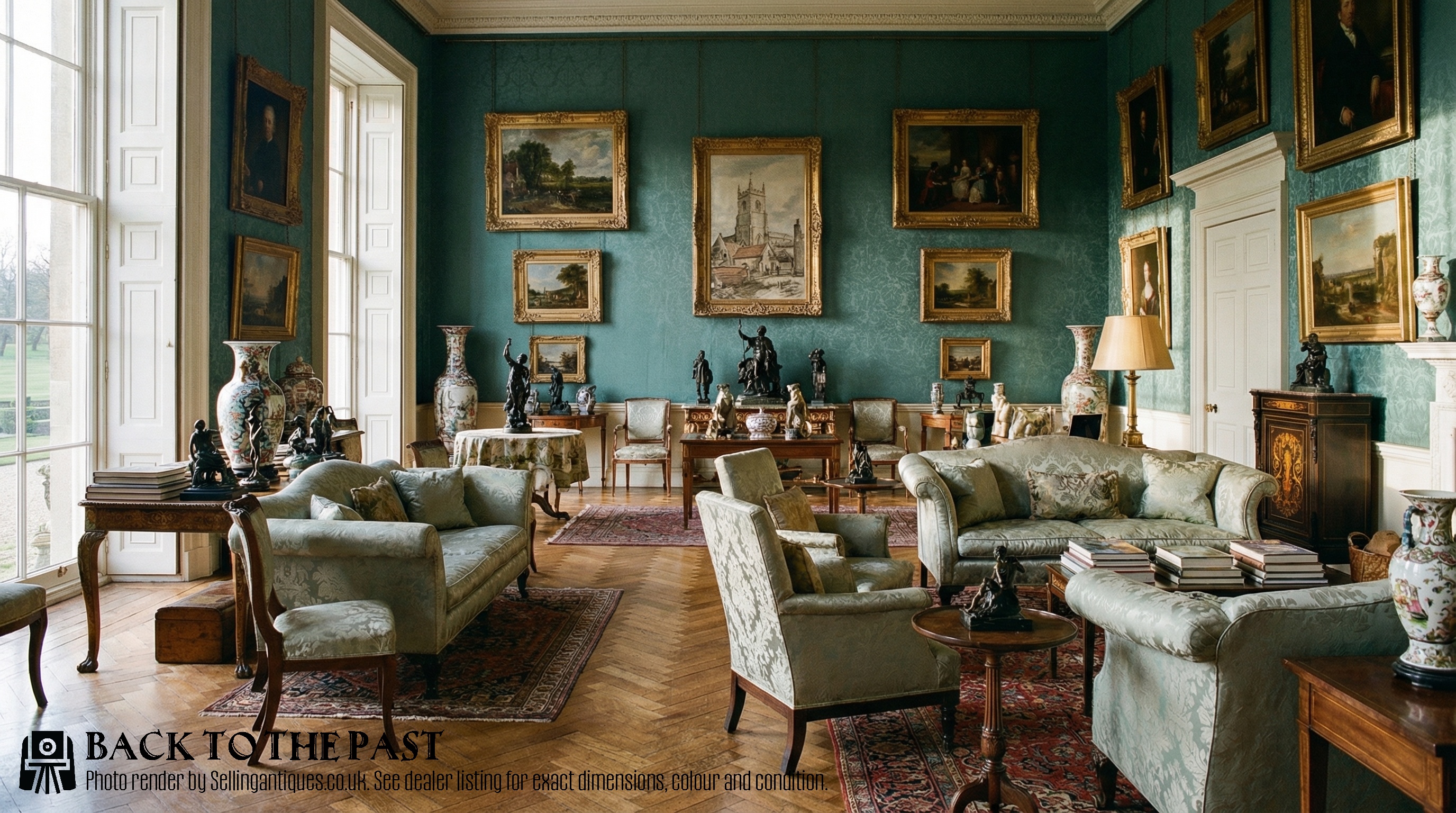
Inlaid Wood Side Cabinet
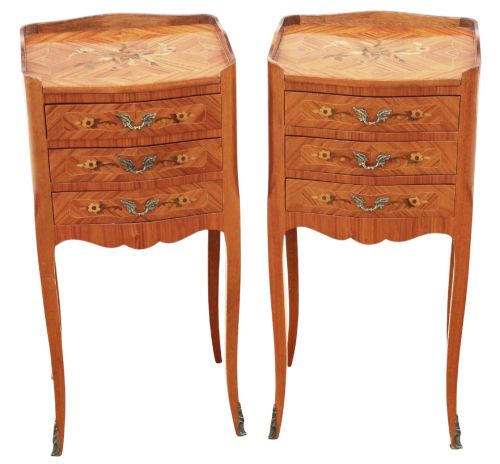
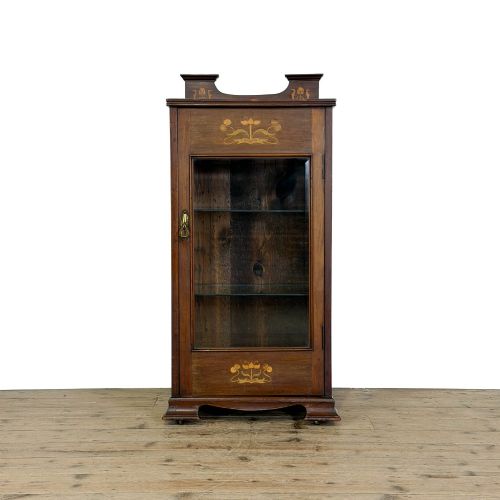
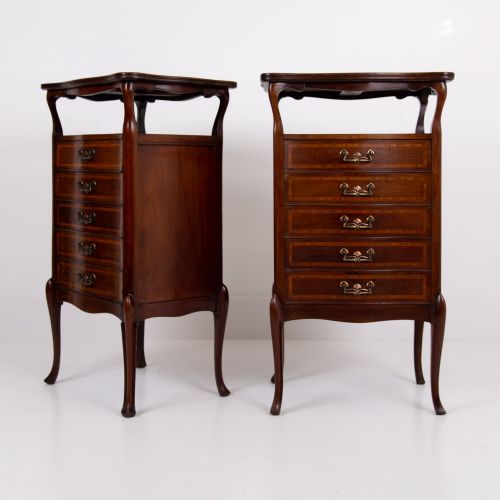
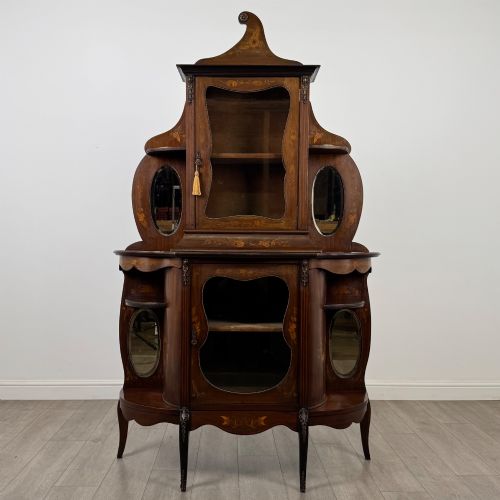
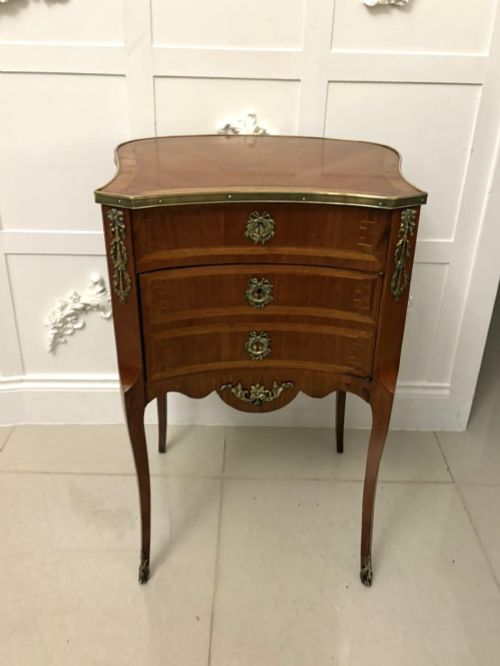
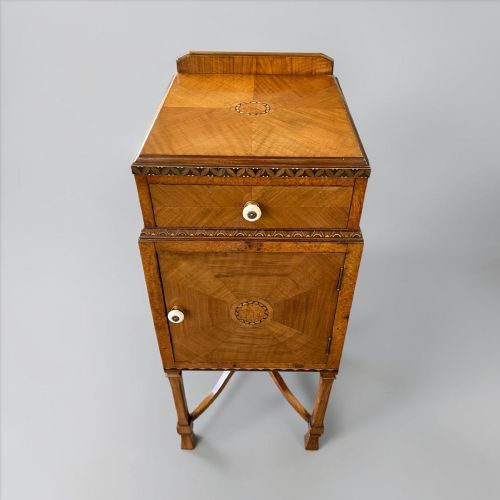
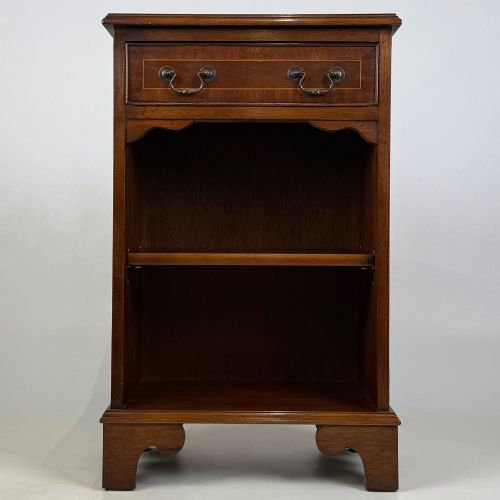
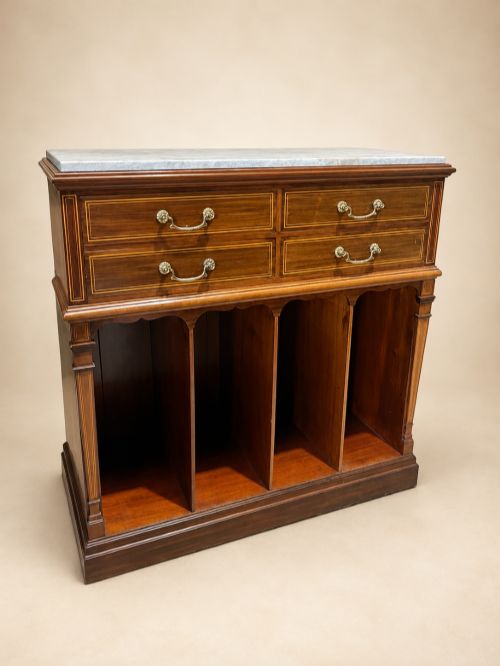
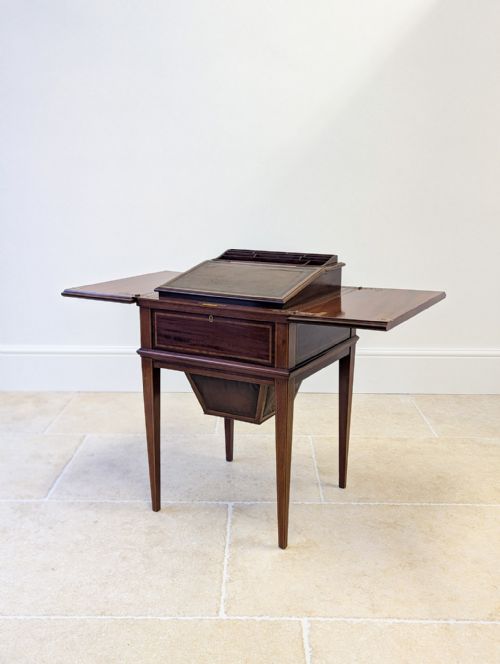
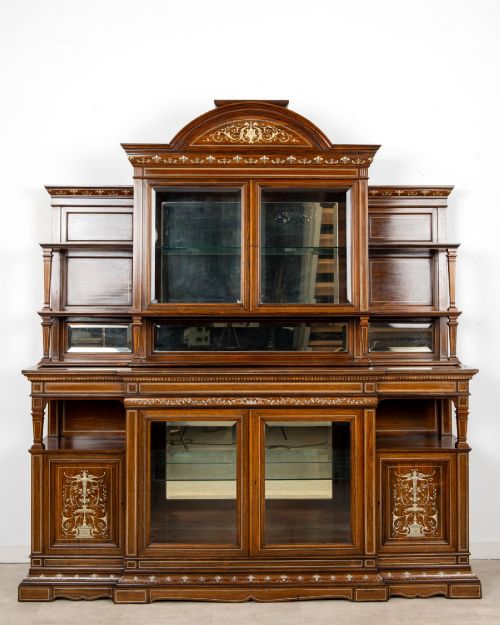
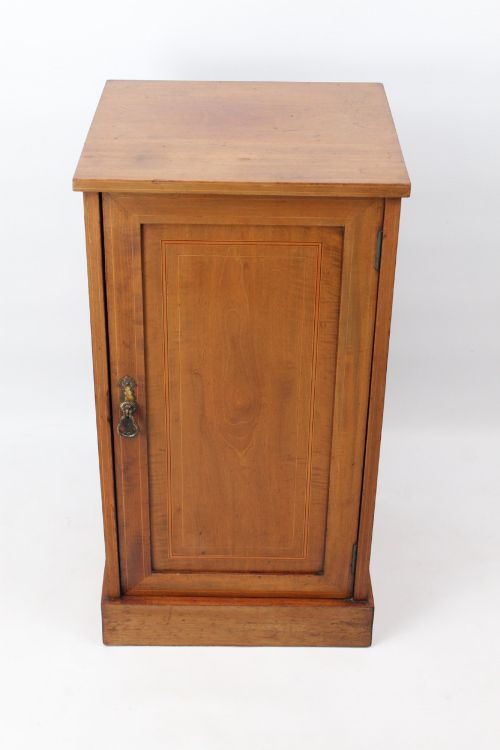
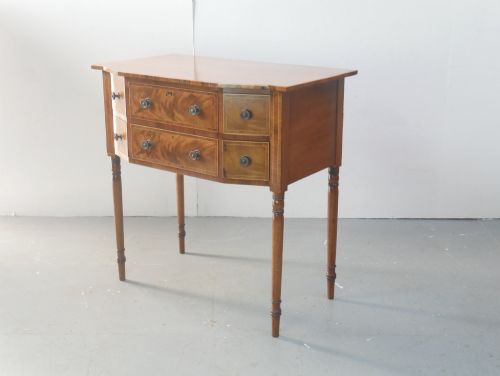
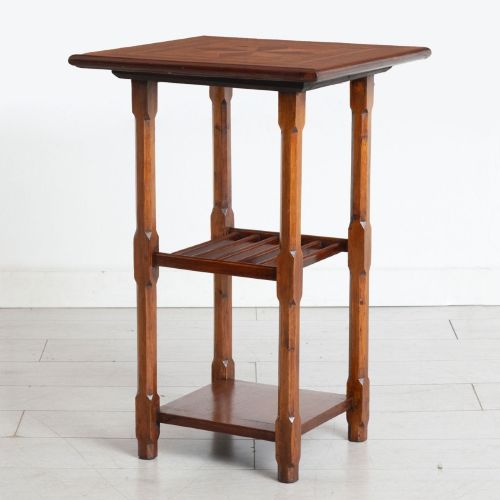
An inlaid wood side cabinet is a compact storage piece designed to sit against a wall in a drawing room, bedroom or hallway. The selection spans periods from the Georgian era through the Victorian and Edwardian decades into the early twentieth century. Common formats include bedside cupboards, display cabinets with glass doors, and smaller freestanding tables with lower shelving.
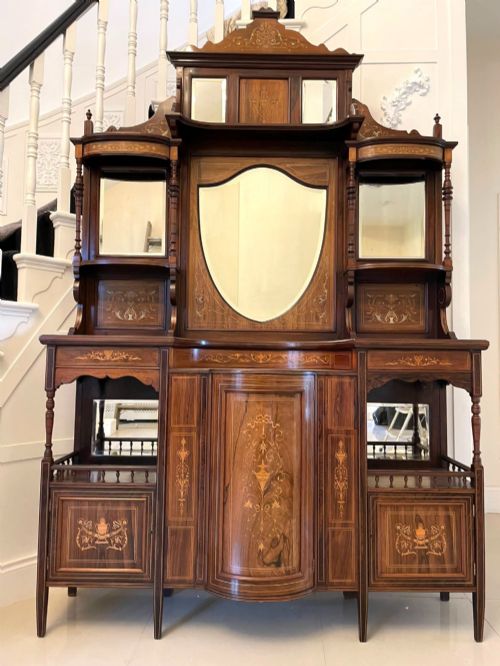
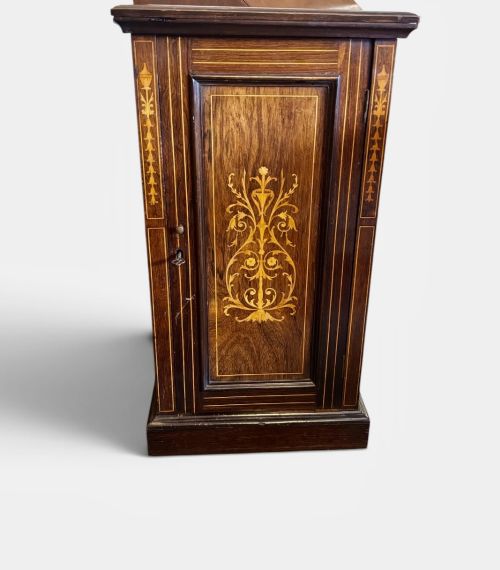
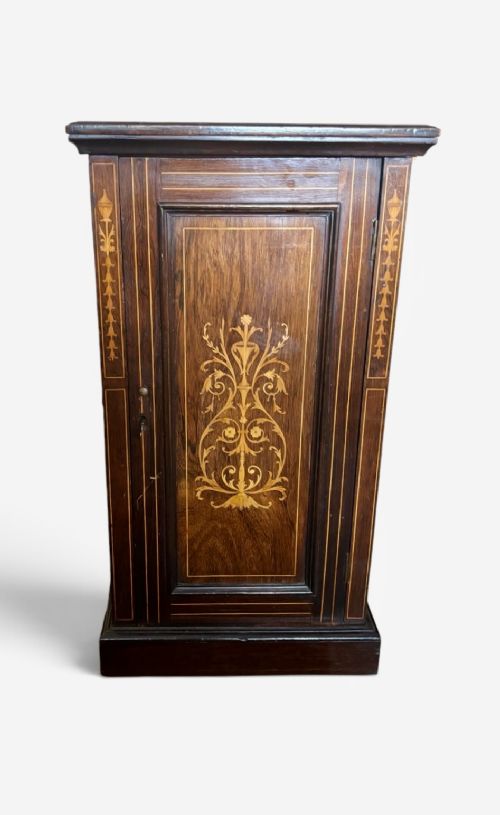
Victorian and Edwardian iterations dominate the selection, often utilising rich dark timbers enriched with lighter contrasting veneers. French influences appear frequently alongside domestic Sheraton Revival styles, incorporating delicate floral motifs or geometric bandings into the primary surfaces.
What Varies in Quality
The standard of an inlaid wood side cabinet rests upon the crispness of the timber selection and the precision of the marquetry work. Finer examples display tight, natural grain patterns in the primary wood alongside cleanly fitted contrasting veneers that show no gaps along the edges.
Attention to secondary details also distinguishes finer pieces, such as original brass handles, well-fitted internal shelving and smoothly operating drawer mechanics. The depth of the hand-finished polish further indicates the original workshop tier, with superior pieces retaining a mellow, translucent sheen over the wood.
Several miniature bedside tables include hidden compartments designed for midnight reading lamps.
Collinson & Lock·Louis Constantin Le Gaigneur·Maple & Co
The Inlaid Wood Side Cabinet Glossary
- Marquetry
- Decorative patterns formed by fitting together small pieces of tinted wood, shell or ivory veneer onto a structural panel. This technique allows intricate pictorial or geometric designs to adorn flat cabinet surfaces.
- Credenza
- A low dining room or drawing room sideboard used for serving food or displaying decorative objects. Victorian examples often feature enclosed central cupboards flanked by curved glass display sections.
- Ormolu
- Gilt bronze mounts cast and chased by hand to ornament the corners, feet or aprons of finer furniture. The technique adds a gleaming metallic contrast to dark polished timbers.
- Pier cabinet
- A tall, narrow display unit designed specifically to fit the wall space between windows. These pieces frequently feature glass doors and velvet-lined interior shelves for porcelain or curiosities.
- Stringing
- Thin lines of contrasting timber or light-coloured inlay set into grooves on cabinet doors or tabletops. It creates subtle geometric borders that frame the main wood panels.
Inlaid Wood Side Cabinet: Frequently Asked Questions
Where should I place a side cabinet?
These compact pieces fit well in hallways, beside a sofa in the drawing room, or acting as bedside tables in a bedroom. Their shallow depths mean they rarely obstruct walking routes.
Choose a spot away from direct sunlight and strong heat sources to protect the delicate wood veneers and polished finishes over time.
How do I clean an inlaid wood cabinet?
Dust the surfaces regularly with a soft, dry lint-free cloth to prevent particle buildup. Avoid modern silicone sprays and abrasive liquid polishes.
Apply a traditional beeswax sparingly once or twice a year to nourish the timber and maintain a soft, natural lustre across the marquetry.
How can I tell Edwardian cabinets from Victorian ones?
Victorian examples tend to use heavier timbers like dark rosewood and walnut, often featuring deeper carving and more elaborate brass details. The overall aesthetic leans towards heavy formality and rich, saturated tones.
Edwardian pieces generally favour lighter satinwood and mahogany veneers with airier Sheraton Revival influences. The proportions often feel slender, reflecting a turn-of-the-century preference for brighter interiors.
Can I store heavy books inside them?
Most side cabinets and bedside cupboards were built to hold lighter household objects, linens or small volumes rather than heavy reference libraries. The internal shelving rests on simple wooden supports.
Distribute weight evenly across the shelves and reserve heavier storage for the lower base compartments to maintain structural stability.