
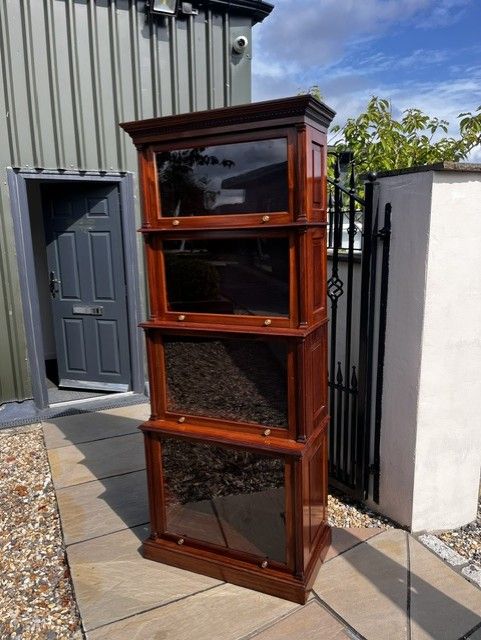
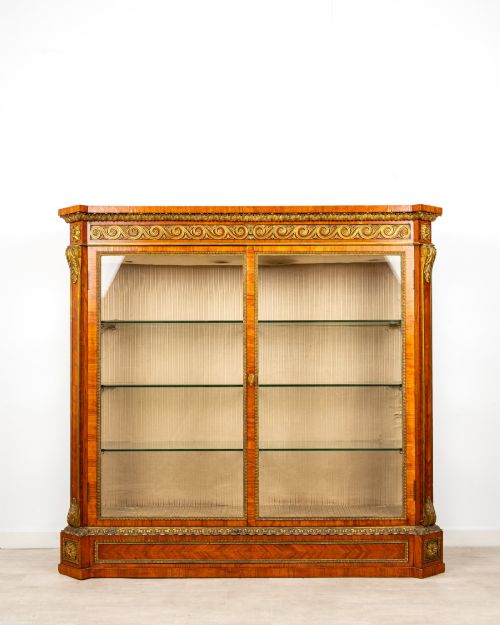
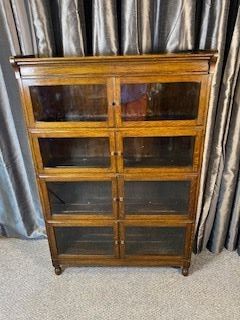
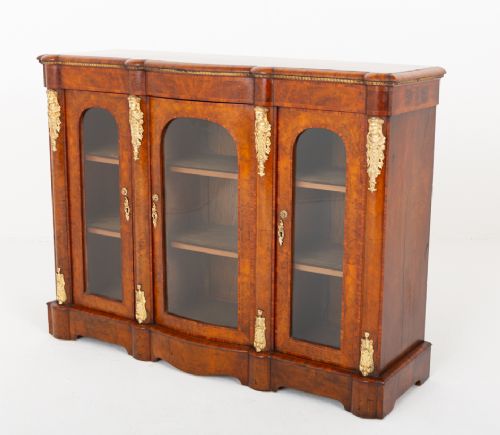
Edwardian Glass Door Cabinet
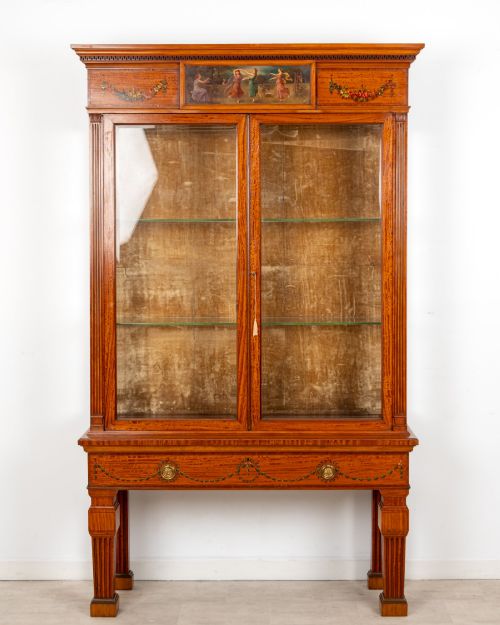
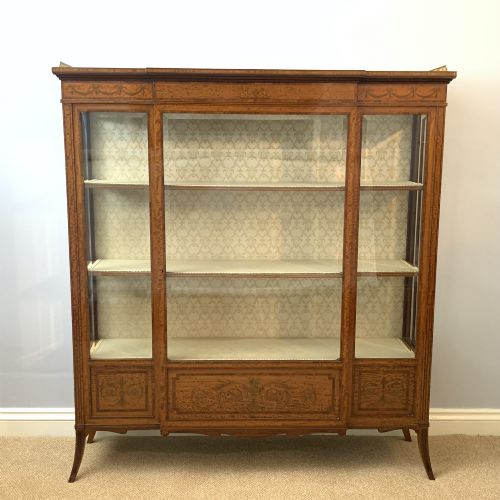
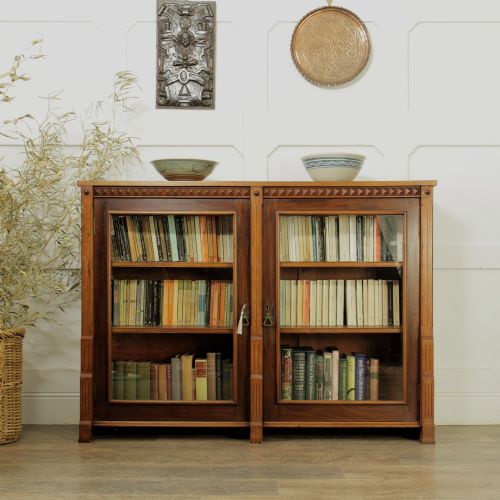
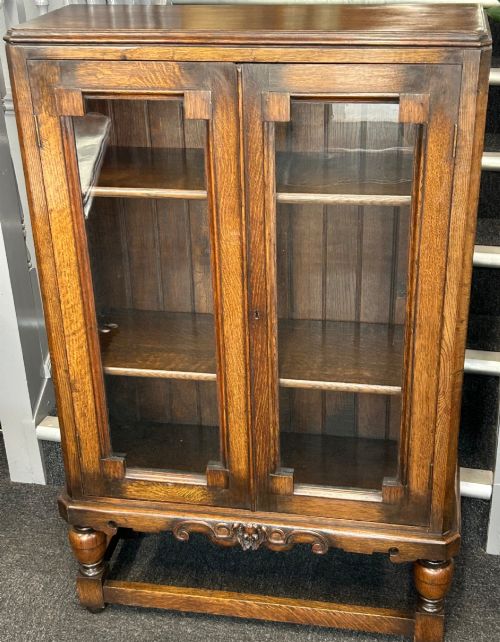
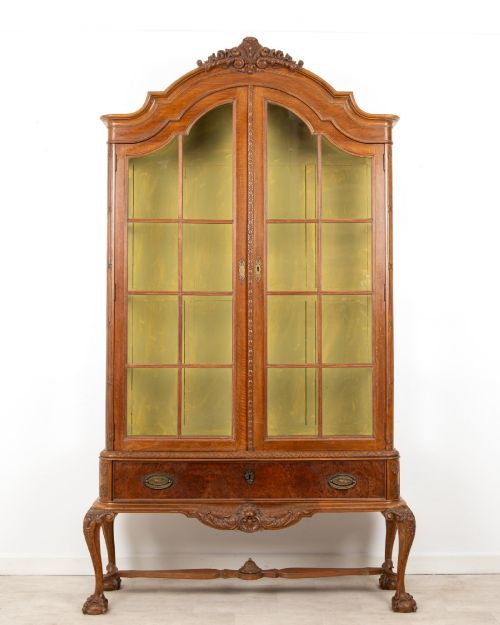
An edwardian glass door cabinet brings lightness and display to a room, holding books or porcelain behind clear glass panes.
Edwardian Glass Door Cabinet
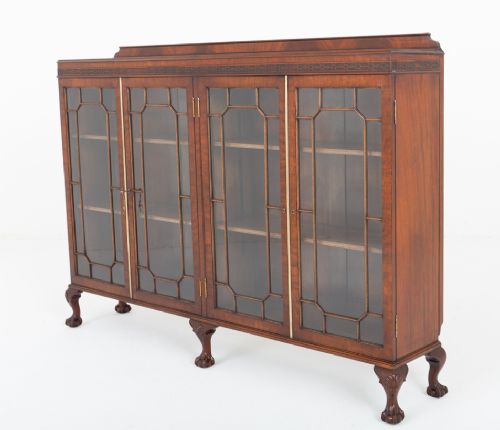
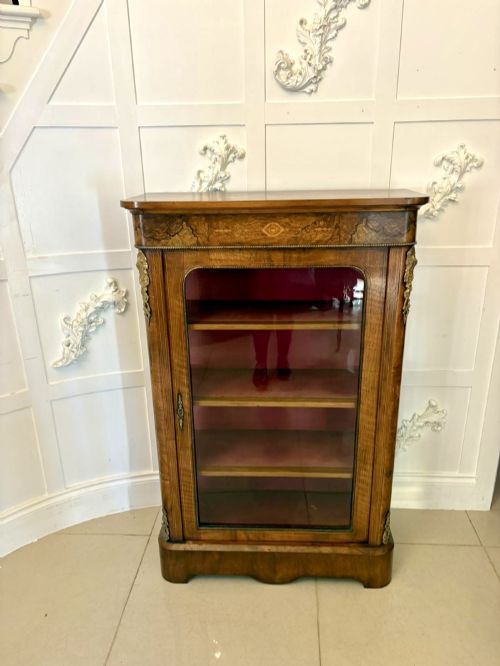
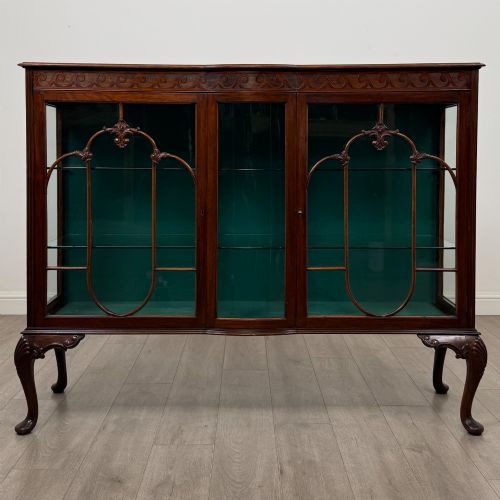
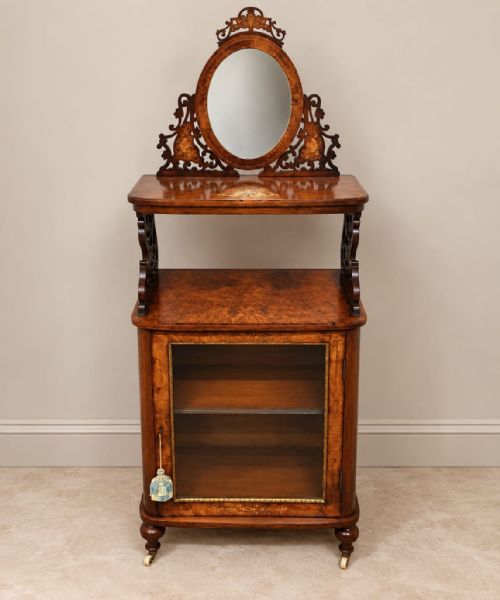
When you search for an edwardian glass door cabinet, you encounter pieces designed to display books, ceramics, and curiosities while protecting them from dust. The inventory draws primarily from the Edwardian period alongside Victorian and later twentieth century examples.
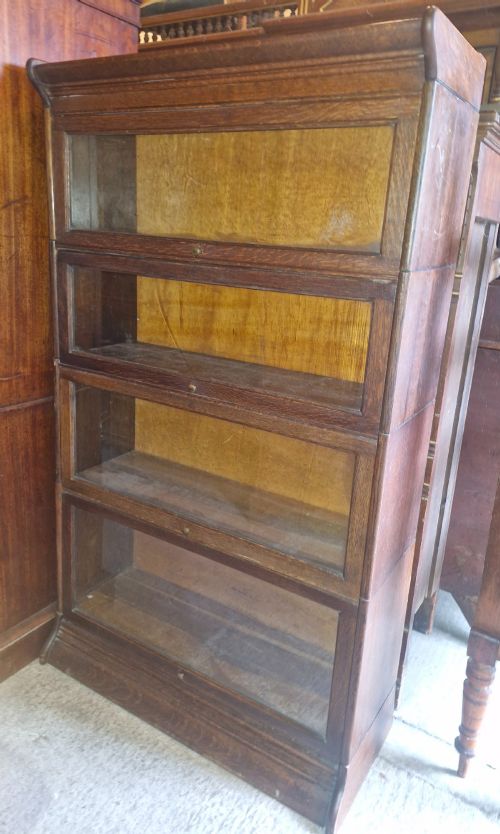
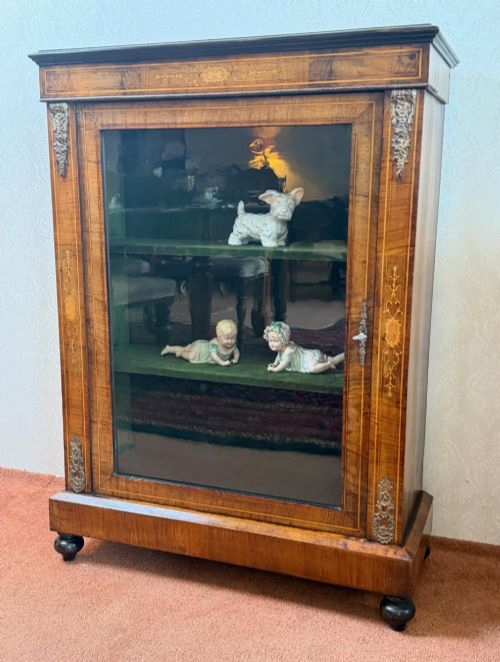
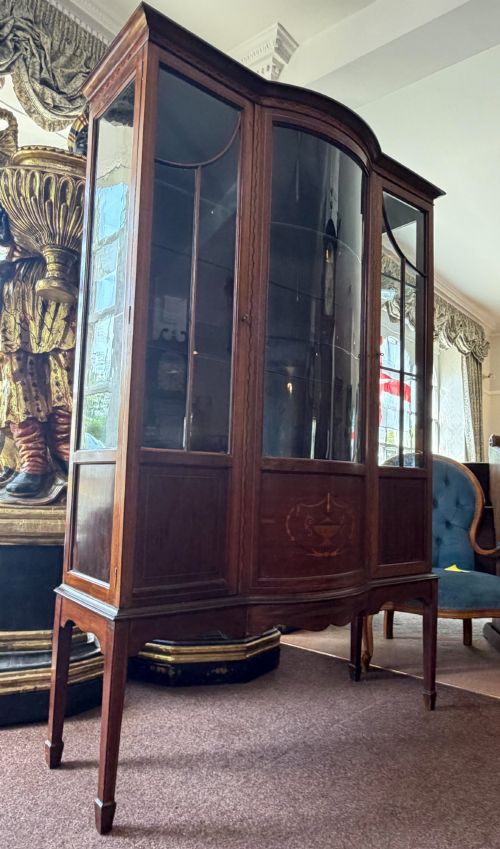
Forms vary from single door corner cabinets and narrow pier cabinets to wide four door side cabinets and sectional stacking bookcases. Mahogany and oak dominate the offerings, frequently enhanced with satinwood inlay or glazed panels.
Revival styles such as Sheraton, Chippendale, and Queen Anne appear frequently, reflecting the Edwardian taste for eighteenth century elegance adapted to domestic display.
Materials and Construction
Cabinet makers utilised dense hardwoods including mahogany, oak, and walnut, often applying finely figured burr walnut or satinwood veneers to prominent surfaces. Brass hardware, gilt bronze mounts, and fabric linings complement the glazed doors.
Joinery methods combine traditional framing for glass doors with inlaid stringing and delicate marquetry. Sectional barrister bookcases employ specialised stacking mechanics with glass panels that lift and slide inward.
Some stacking bookcases let you lift glass panels like miniature garage doors.
Craftsmanship and Proportion
Quality rests in the selection of timber veneers, the crispness of inlaid details, and the balance of proportions. Finer examples display carefully matched grain patterns and precise glazing bar construction.
Workshop origin influences standing, with documented makers commanding attention for superior interior fittings, adjustable shelving, and refined brass furniture.
Hampton & Sons·Edwards & Roberts·H. J. Hatfield & Sons·Wylie and Lochhead·Brady of Edmonton
The Edwardian Glass Door Cabinet Glossary
- Pier cabinet
- A low display cabinet designed to fit against a specific wall space between windows. These pieces frequently feature glazed doors and elaborate veneer work.
- Glazing bar
- A wooden strip that holds individual panes of glass within a door frame. Finer cabinets employ slender bars arranged in geometric or tracery patterns.
- Inlay
- A technique where contrasting woods or metals are inserted into recesses in the primary timber. Satinwood and ebony are common choices for linear stringing.
- Sectional bookcase
- A modular bookcase built in stacked horizontal tiers with glass fronted sections. This design allows individual units to be separated and rearranged.
- Credenza
- A low side cabinet intended for storage and display. Victorian and later iterations often incorporate glass doors alongside enclosed cupboards.
Edwardian Glass Door Cabinet: Frequently Asked Questions
Where should I place a glass door cabinet?
These cabinets suit drawing rooms, dining spaces, and studies where natural light illuminates the contents through the glass doors. Positioning them away from direct sunlight protects both the timber finishes and the objects displayed inside.
Ensure the floor is level so the doors hang true and latch correctly without binding against the frame.
How do I care for mahogany and walnut cabinets?
Dust timber surfaces regularly with a soft, dry cloth to prevent particulate accumulation on polished finishes. Apply periodic coats of quality wax to nourish the wood and maintain a gentle sheen.
Avoid placing furniture near heat sources that cause timber to dry out and veneers to lift from their bases.
Can I adjust the shelves inside?
Many display cabinets and bookcases feature adjustable shelving supported on rack systems or metal pins. This allows you to accommodate books or taller ceramic pieces of varying heights.
Take care when moving shelves to avoid scratching the interior veneer lining.
How do I distinguish Edwardian from Victorian cabinets?
Edwardian cabinets generally exhibit lighter proportions, brighter satinwood inlays, and simpler neoclassical revival motifs. Victorian pieces tend to be heavier in construction, utilising dark burr walnut or deep mahogany with more ornate carving.
Revival styles bridge the eras, borrowing earlier eighteenth century forms but executing them with distinct turn of the century workshop practices.