
Inlaid Wood Chest
An inlaid wood chest brings together fine cabinet-making and intricate surface decoration across centuries of domestic storage.
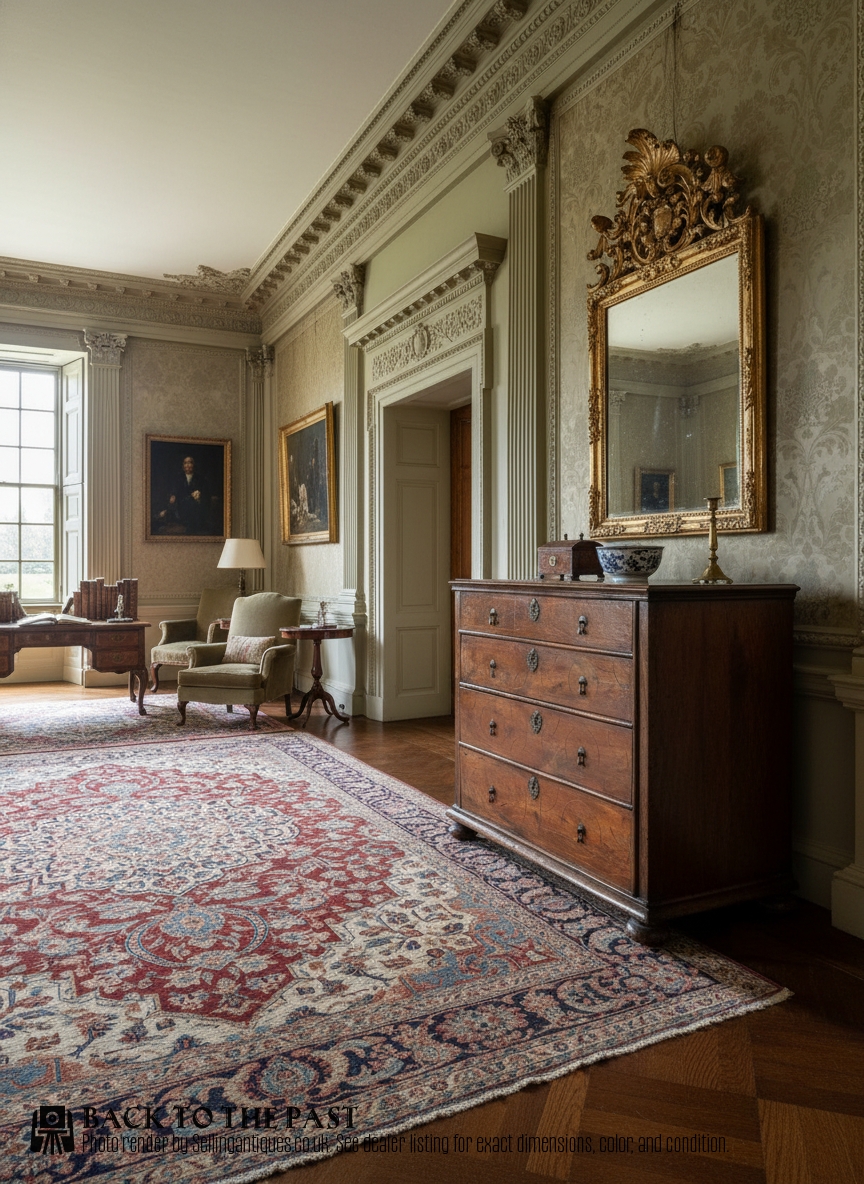
Inlaid Wood Chest
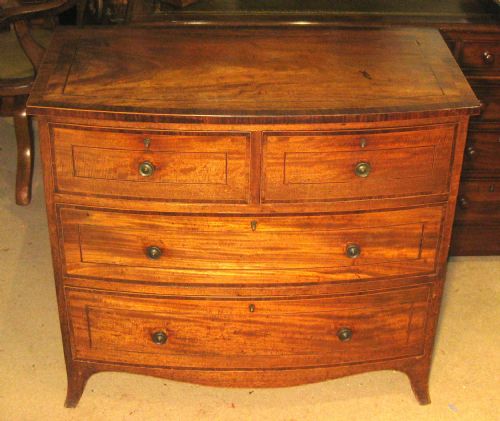
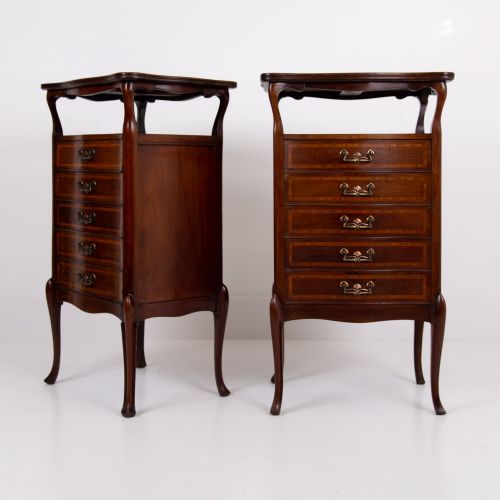
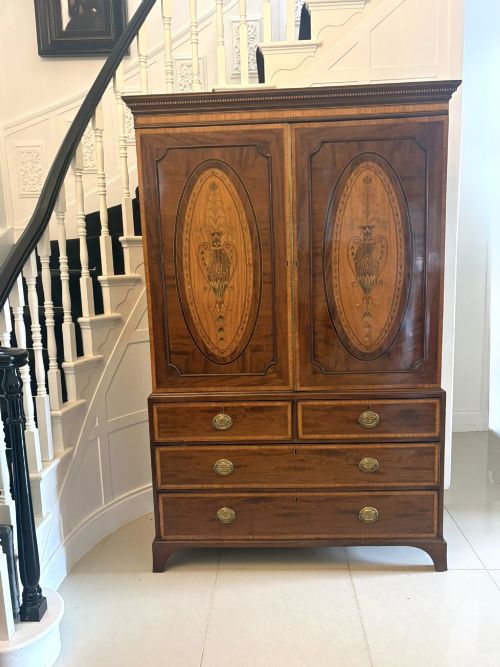
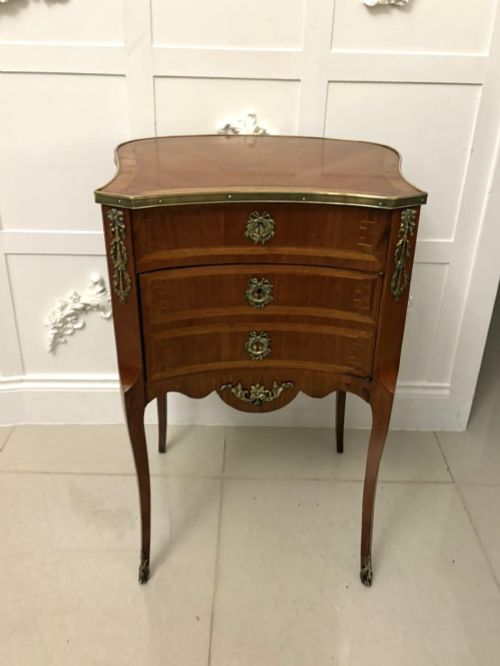
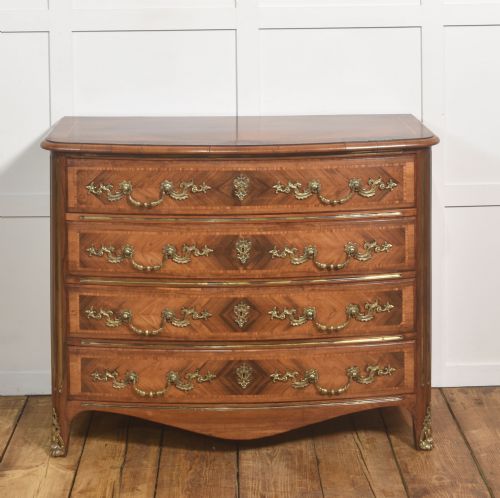
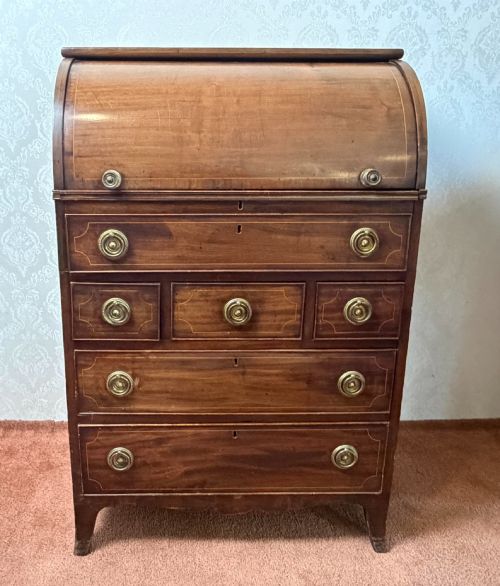
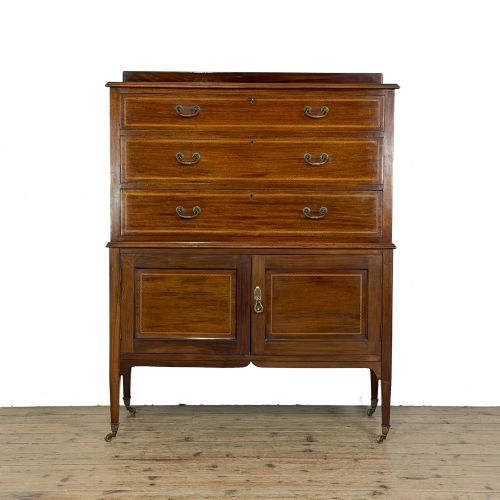
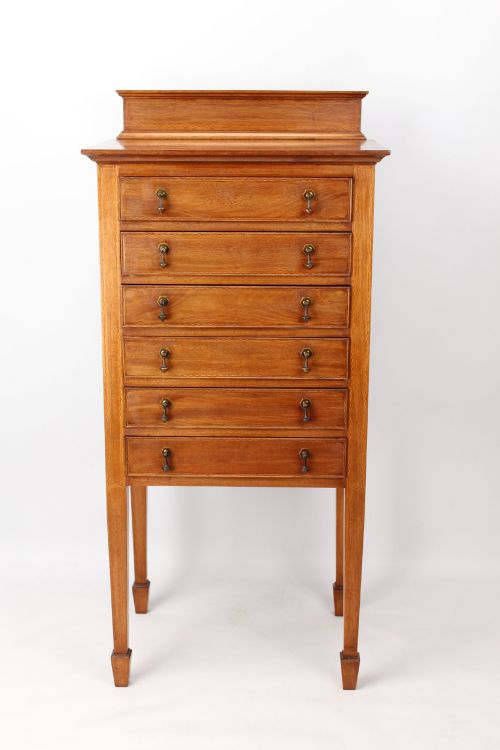
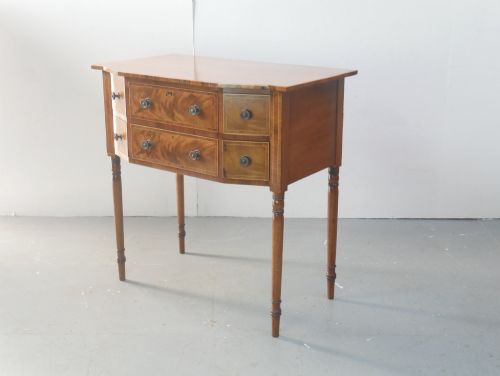
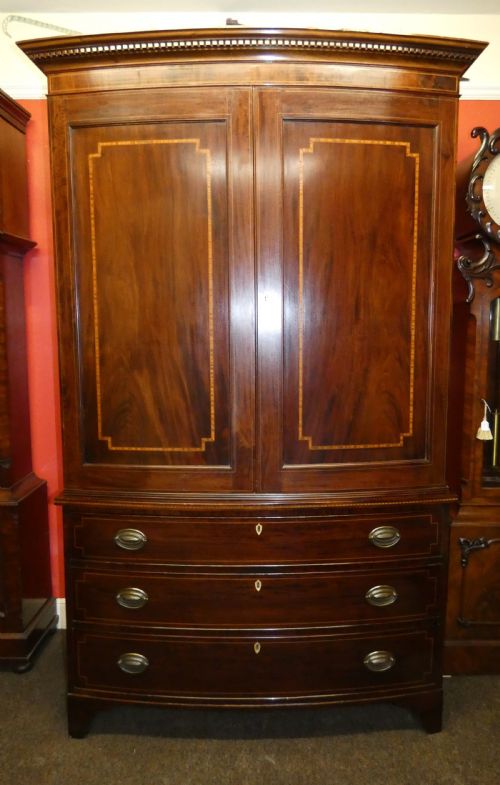
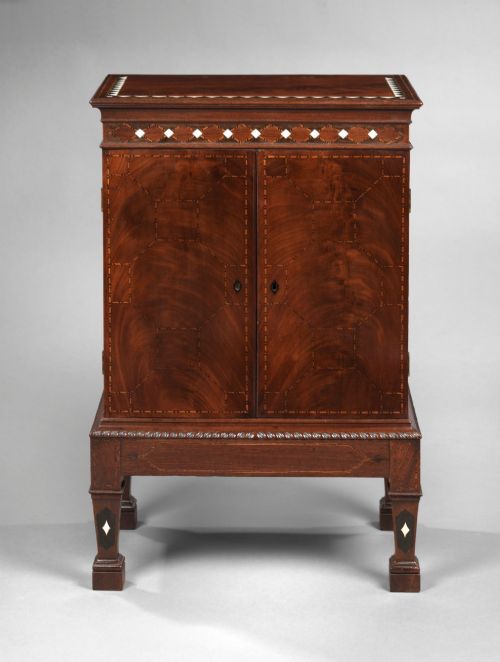
When searching for an inlaid wood chest, a buyer encounters a diverse group of storage furniture ranging from grand linen presses and tallboys to small bedside cabinets, commodes, and tea caddies.
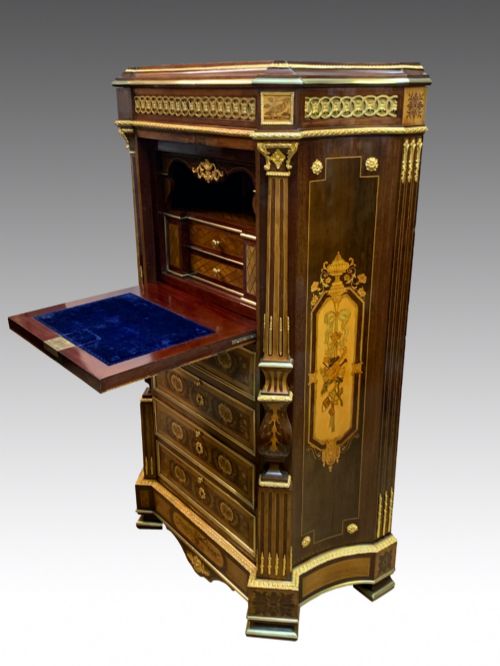
The material record spans centuries from 17th-century oak and burr wood pieces to Georgian mahogany designs and Victorian French-influenced kingwood commodes.
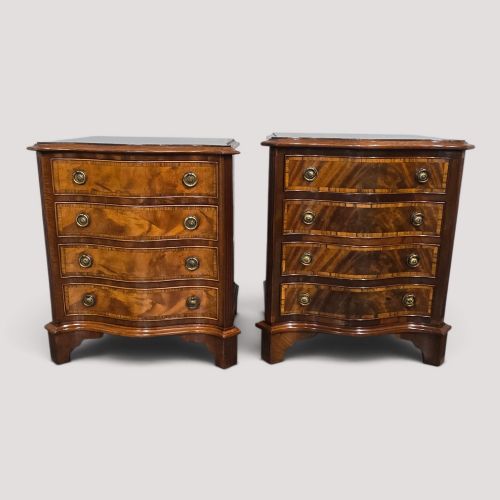
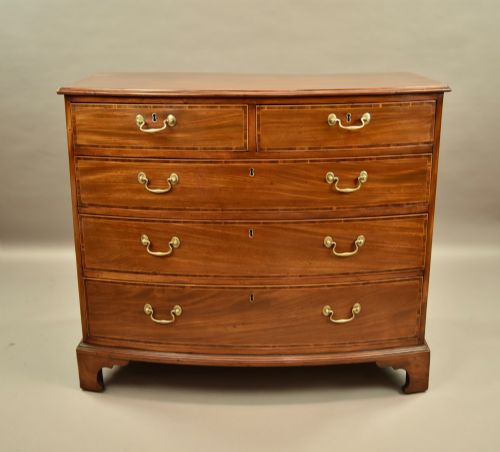
Forms such as serpentine chests, bombe shapes, and side cabinets dominate the available selection, reflecting both English workshop traditions and continental influence.
Materials and Technique
Cabinet-makers utilised dense timbers like mahogany, walnut, rosewood, and satinwood as the primary structural bodies for these pieces.
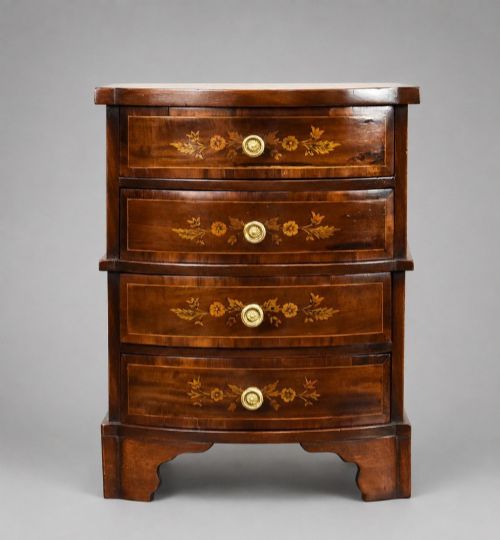
Decorative surfaces relied on contrasting veneers, parquetry, and pictorial marquetry using boxwood, kingwood, and hardwoods.
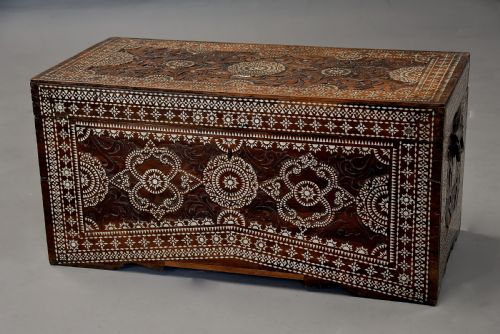
Detailing often incorporated brass stringing, pewter inlay, and mother of pearl to accentuate the geometric and floral patterns.
Materials range from standard British mahogany and oak to exotic kingwood, satinwood, and mother of pearl.
Judging Execution
Quality rests upon the precision of the cabinet-work and the crispness of the fitted joinery within drawers and carcases.
The refinement of the inlaid motifs and the harmony of the contrasting timbers distinguish standard pieces from exceptional examples.
Surface finish and the preservation of original veneers dictate the visual depth of the wood grain.
Edwards and Roberts·Maison Krieger·Henry Hollamby·Holtzapffel and Co·A. F. Lloyd
The Inlaid Wood Chest Glossary
- Marquetry
- Inlay technique forming decorative patterns or pictures using various coloured wood veneers. It requires immense skill to cut and fit the minute pieces together.
- Parquetry
- Geometric mosaic woodwork used for floors or furniture surfaces. The small wooden tiles form repeating angular patterns.
- Satinwood
- A durable exotic hardwood known for its golden yellow sheen and lustrous grain. Cabinet-makers favoured it for light-coloured contrasting details.
- Kingwood
- A rich purple-brown timber with dark streaks utilised extensively for high-end French and Victorian commodes. It accepts a high polish.
- Linen Press
- A tall storage piece comprising upper sliding shelves for textiles above a chest of drawers base. Georgian and Victorian examples frequently feature elaborate panel doors.
Inlaid Wood Chest: Frequently Asked Questions
What is an inlaid wood chest used for?
These pieces primarily served as domestic storage for clothing, linens, or valuables within the bedroom and parlour. Smaller variants functioned as tea caddies or tabletop cabinets for personal items.
Over generations, their decorative surfaces allowed them to double as display furniture in formal reception rooms.
How do I care for an antique wood chest?
Protect the timber and delicate veneers by keeping the piece away from direct heat sources and strong sunlight. Regular dusting with a dry, soft cloth maintains the natural polish.
Avoid liquid cleaners or silicone polishes, which can penetrate old finishes and lift historic veneers.
How do I tell Georgian from Victorian pieces?
Georgian furniture typically displays architectural restraint, rectilinear proportions, and solid mahogany construction with understated brass hardware. Victorian pieces often embrace French revival styles, bombe shaping, and heavy marquetry.
Examining the secondary timbers inside the drawer linings also helps clarify the period of manufacture.
Are bedside cabinets rare?
Pairs of bedside cabinets or lamp chests appear periodically, often dating from the Edwardian era or the late Victorian period. Their survival as matched pairs adds significant interest for collectors.
Single bedside chests also occur in various regional styles, reflecting changing domestic habits.