
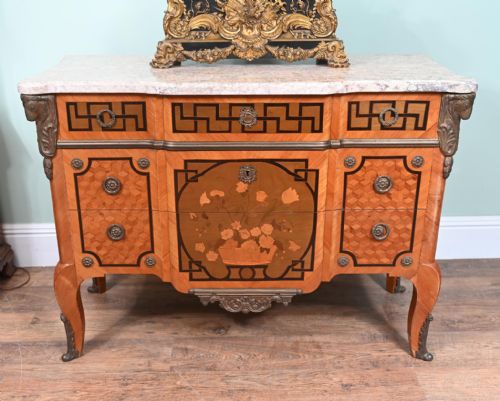
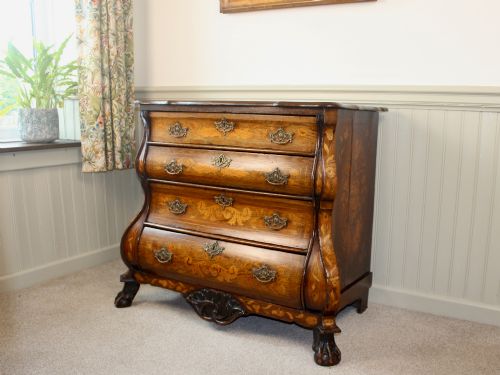
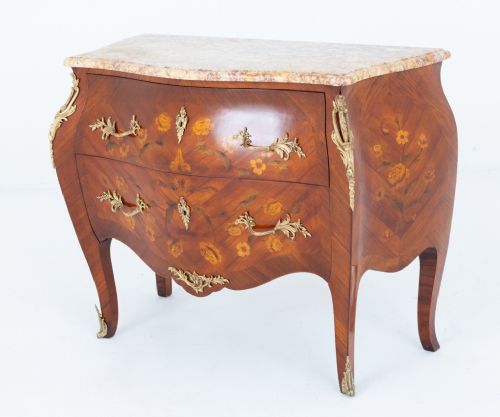


Floral Marquetry Dresser
These floral marquetry dresser pieces combine intricate wood inlay with practical storage, offering a striking centrepiece for any traditional interior.
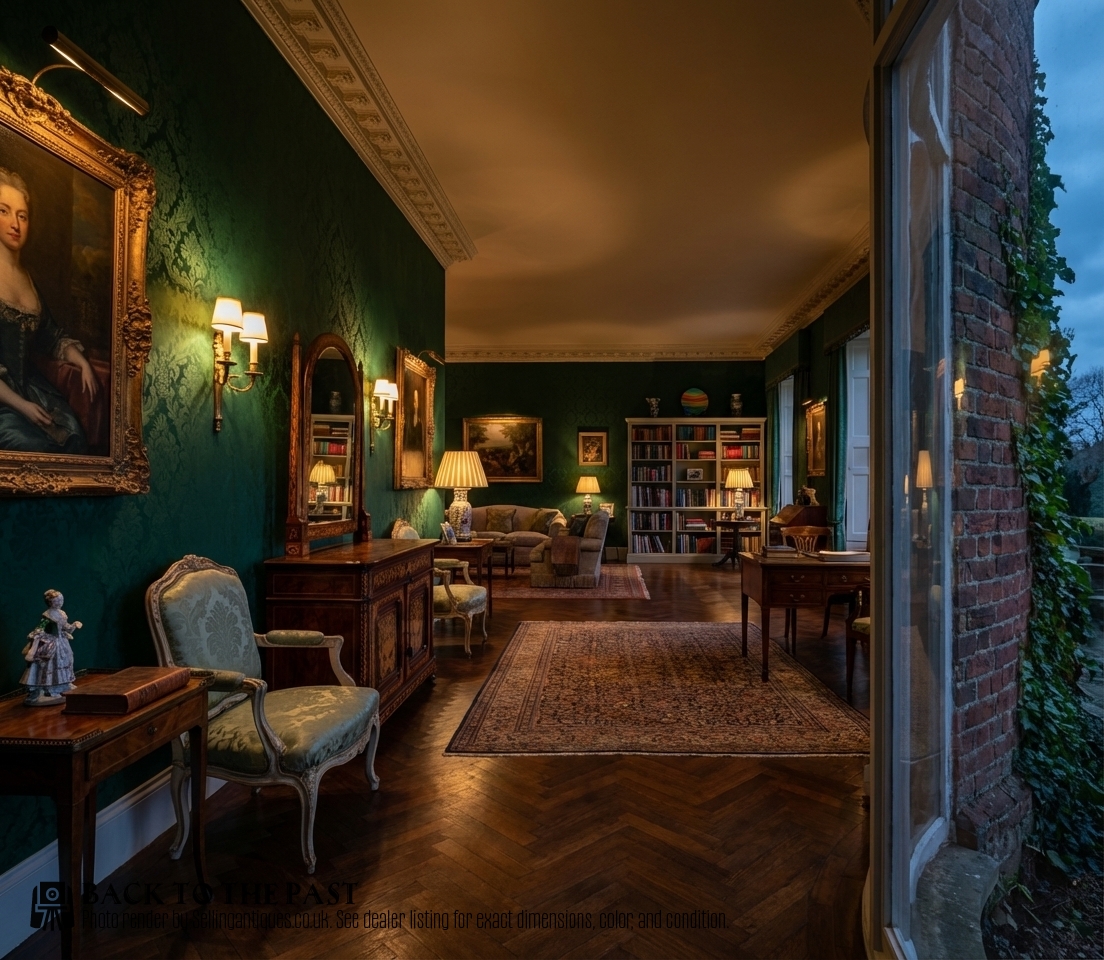
Floral Marquetry Dresser
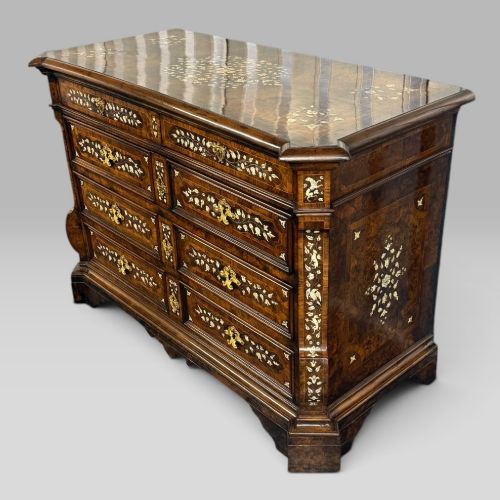
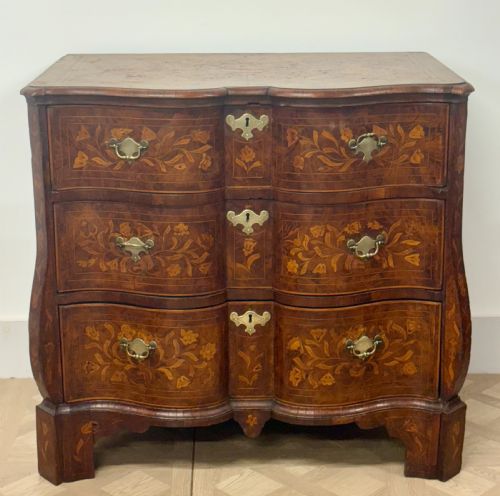
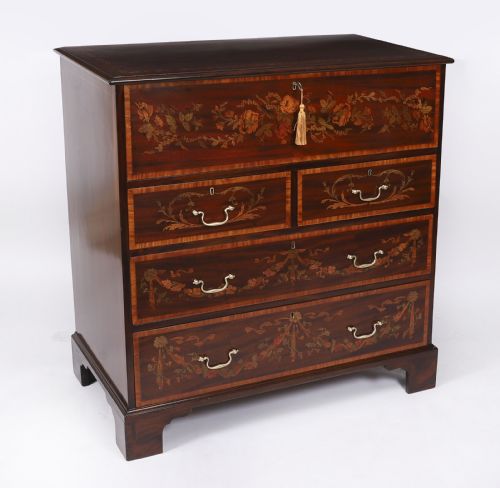
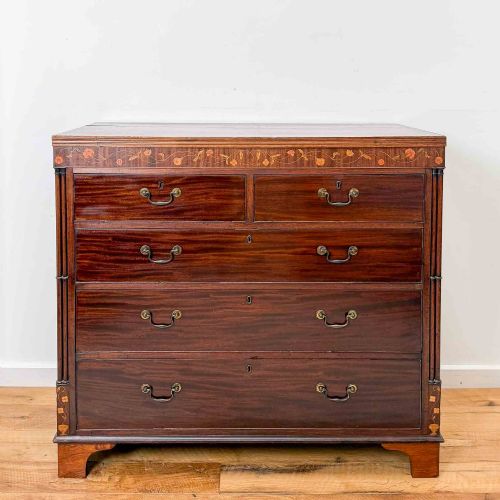
A floral marquetry dresser search reveals storage furniture decorated with detailed botanical wood patterns, spanning periods from the seventeenth century to the twentieth century. The selection here leans heavily towards Dutch walnut and mahogany chests of drawers, alongside commodes and occasional dressing tables.
Makers across England, France, Italy and the Netherlands utilised diverse regional forms, ranging from serpentine fronts to bombé silhouettes. Buyers encounter seventeenth-century William and Mary examples as well as later revival interpretations created in subsequent centuries.
These items primarily function as storage chests or commodes, incorporating drawers framed by elaborate floral and foliage details. The surface designs transform functional household furniture into decorative works of art.
Materials and Construction Techniques
Cabinet makers constructed the foundational carcases using sturdy timbers such as oak, walnut, and mahogany, providing a stable base for decorative work. Drawer linings and secondary woods frequently reflect regional workshop practices of the period.
Artisans applied fruitwood, satinwood, and various contrasting veneers onto the primary surfaces, cutting intricate floral motifs to assemble detailed pictorial panels. Brass hardware, marble tops, and ormolu mounts occasionally complete the construction.
The marquetry process involved hand-cutting thin wood veneers and fitting them tightly together before gluing them to the carcase surface. Craftsmen then engraved fine lines into the wood to define petals and leaves.
Floral Marquetry Dresser Retail Price Guide 2026
Typical asking prices for floral marquetry dresser among the pieces listed under this phrase on Sellingantiques today, from the lower quarter to the upper quarter. They describe what is for sale here now, not the wider market.
Listings feature oak, walnut, mahogany, fruitwood, and marble materials across multiple centuries.
Evaluating Marquetry and Design Standards
The refinement of the floral cutting separates standard production from exceptional examples, dictating how sharply individual leaves and petals are defined. Superior pieces display complex shading achieved through hot sand scorching.
Timber selection heavily influences overall quality, with burr walnut and figured mahogany commanding greater visual depth than plain secondary woods. The integration of the veneer across drawer fronts demonstrates the maker's planning and execution skill.
Proportion and structural integrity define the higher tiers of these furnishings, ensuring that decorative additions complement the primary architectural form without warping or lifting over time.
The Floral Marquetry Dresser Glossary
- Marquetry
- Decorative veneer work where pieces of contrasting wood are assembled to form pictorial patterns. This technique covers the entire front and top surfaces of the furniture.
- Bombe
- A swelling, outward-curved contour found on the sides and fronts of commodes and chests. This curved profile requires advanced woodworking skill.
- Ormolu
- Gilded bronze mounts and handles applied to decorative furniture. These metal accents frequently complement the wooden marquetry panels.
- Serpentine
- A furniture front shape featuring a central convex curve flanked by two concave curves. This undulating line adds movement to the chest design.
- Burr Walnut
- Wood grain taken from walnut tree growths, producing swirling patterns. Cabinet makers prized this timber for high-status furniture.
Floral Marquetry Dresser: Frequently Asked Questions
How do I clean floral marquetry furniture?
Dust surfaces regularly with a soft, dry cloth to prevent dirt accumulation in the veneer crevices. Avoid harsh chemical cleaners that can damage the delicate wood glue and antique polish.
Apply a traditional beeswax polish occasionally to nourish the timber and protect the marquetry inlay. Keep these pieces away from direct sunlight and radiators to prevent the wood from drying and splitting.
Are these chests suitable for daily bedroom use?
These pieces function well for storing clothing, linens, and personal items just as they did centuries ago. The drawer construction provides practical storage capacity within a decorative frame.
Take care not to overload the drawers of older pieces to protect the internal runners. Placing felt pads inside can also help preserve the original wooden bases.
How can I tell a seventeenth-century piece from a later revival?
Examine the construction methods, secondary woods, and nail types visible inside the drawers and at the back. Seventeenth-century pieces typically show hand-cut dovetails and timber characteristics specific to that era.
Later revival items often employ nineteenth-century manufacturing techniques and standardised fixings while imitating earlier styles. Comparing the wood ageing and patina helps clarify the actual period of manufacture.
What is the difference between a commode and a chest of drawers?
A commode generally refers to a low, decorative chest of drawers originating from French and continental European traditions. These pieces frequently feature marble tops and elaborate ormolu mounts.
Chests of drawers often follow British or Dutch forms with taller proportions and simpler structural profiles. Both types utilise extensive floral marquetry across their primary display surfaces.