

Inlaid Wood Chest Drawers
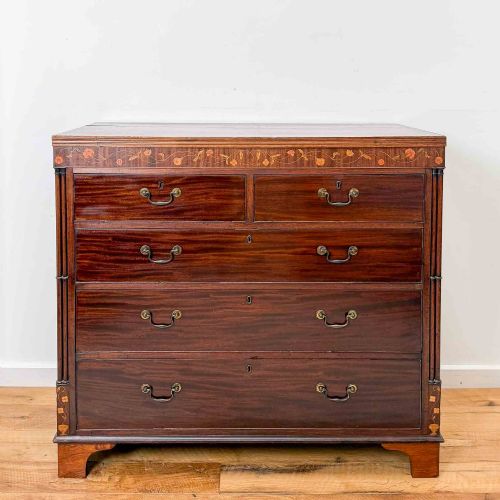
When you search for inlaid wood chest drawers, you encounter centuries of cabinetmaking that blend storage with meticulous surface decoration.
Inlaid Wood Chest Drawers
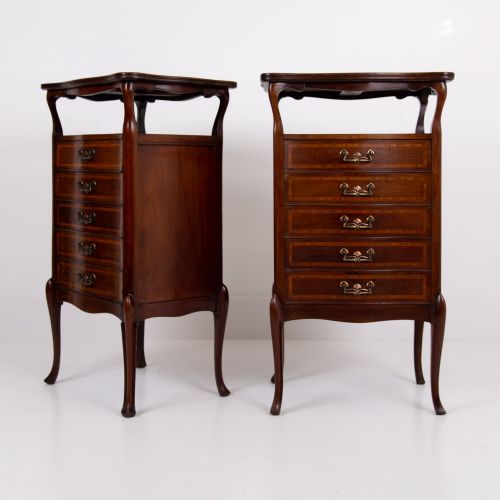
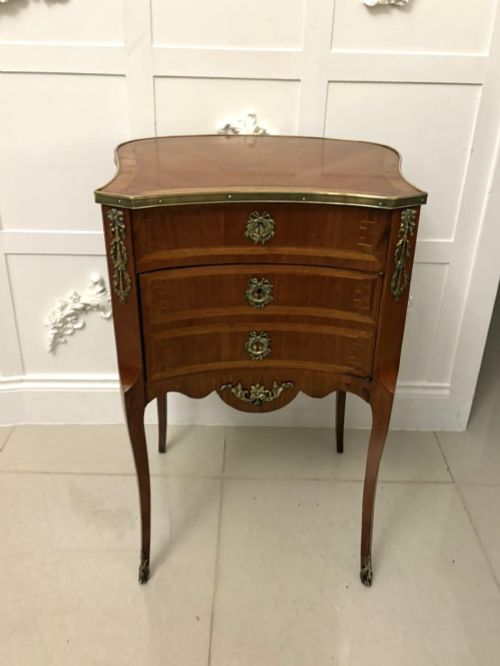
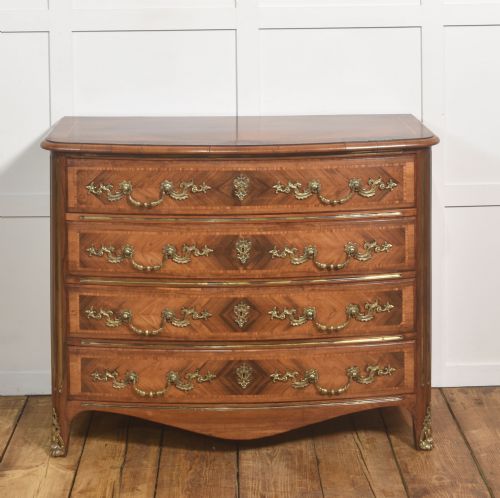
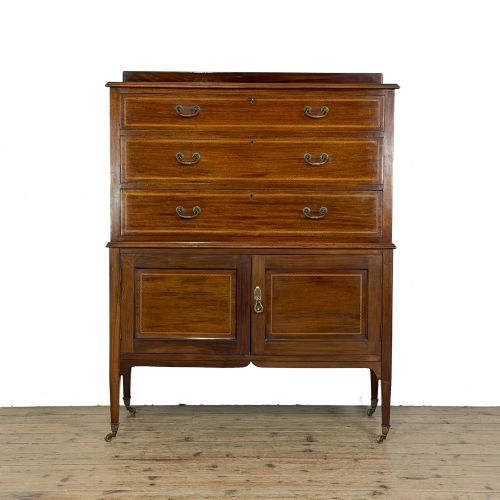
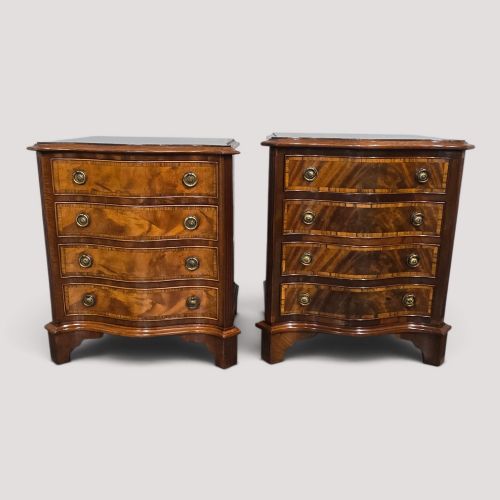
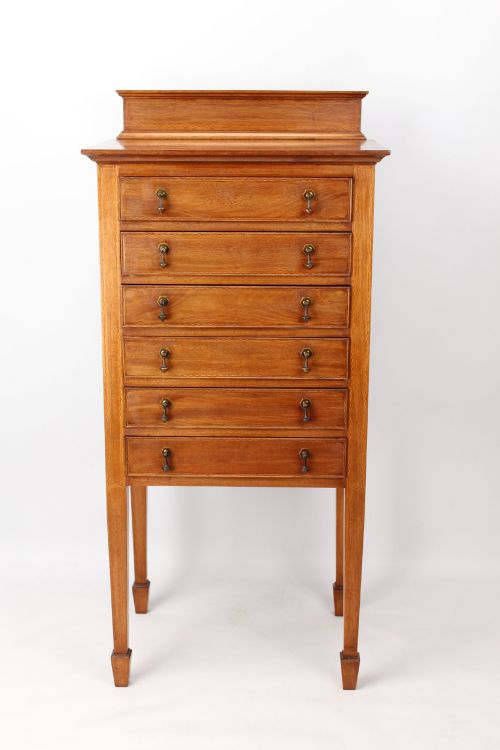
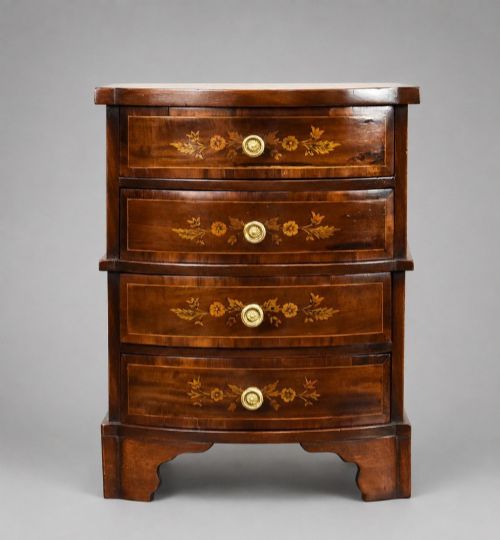
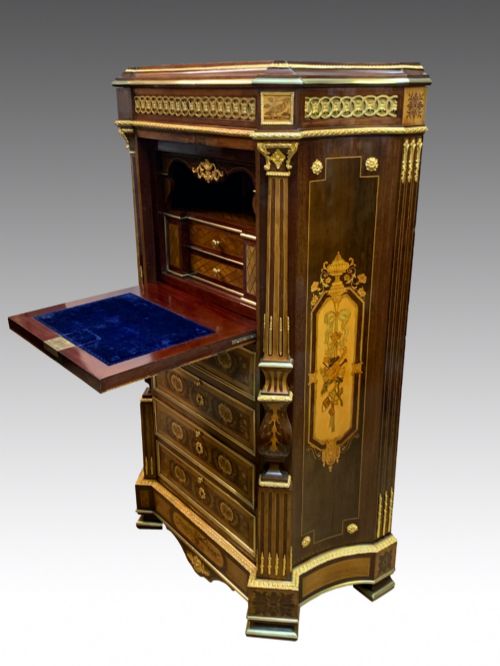
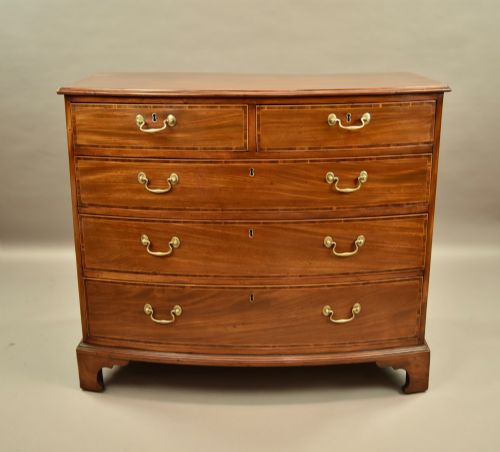
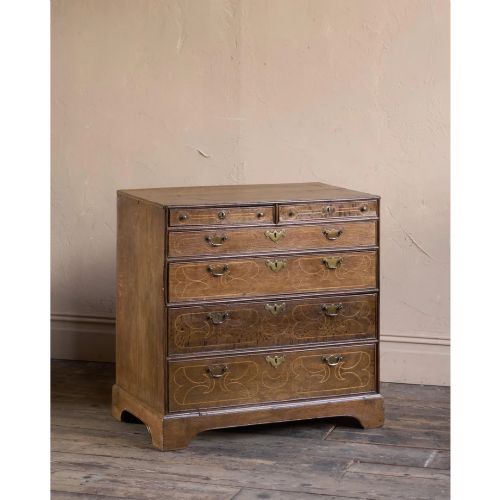
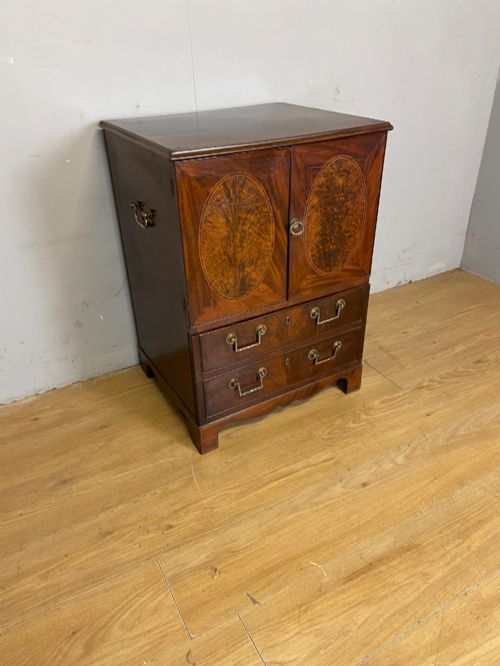
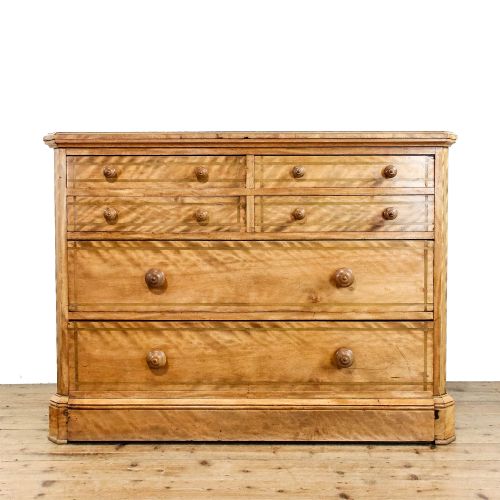
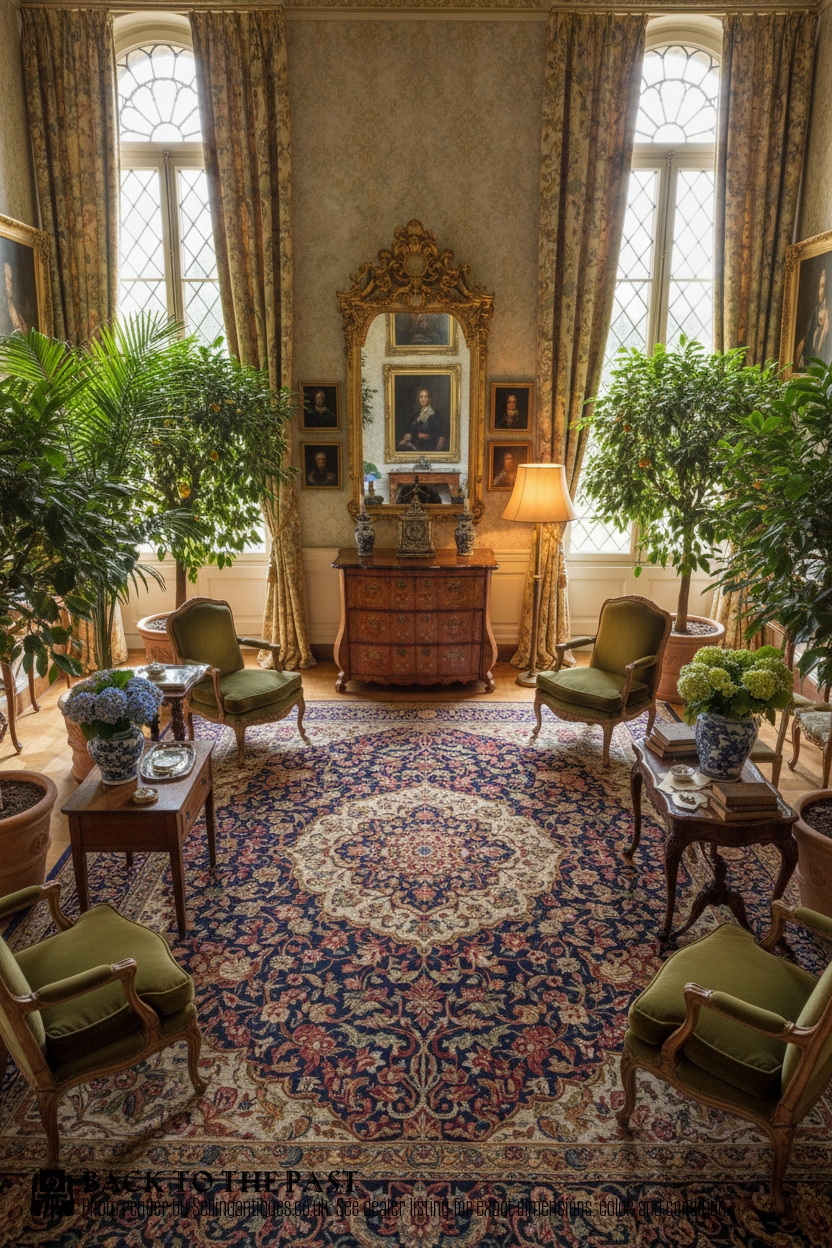
These pieces encompass standard bedroom chests, tallboys, bow-front designs, and smaller bedside cabinets originating from periods ranging from the seventeenth century through to the Edwardian era. Alongside British mahogany and walnut furniture, continental commodes and serpentine chests featuring elaborate marquetry appear frequently across the selection.
Makers and workshops varied greatly, from provincial cabinetmakers producing restrained George III satinwood-banded pieces to metropolitan firms like Edwards and Roberts crafting kingwood and floral marquetry items for demanding domestic interiors.
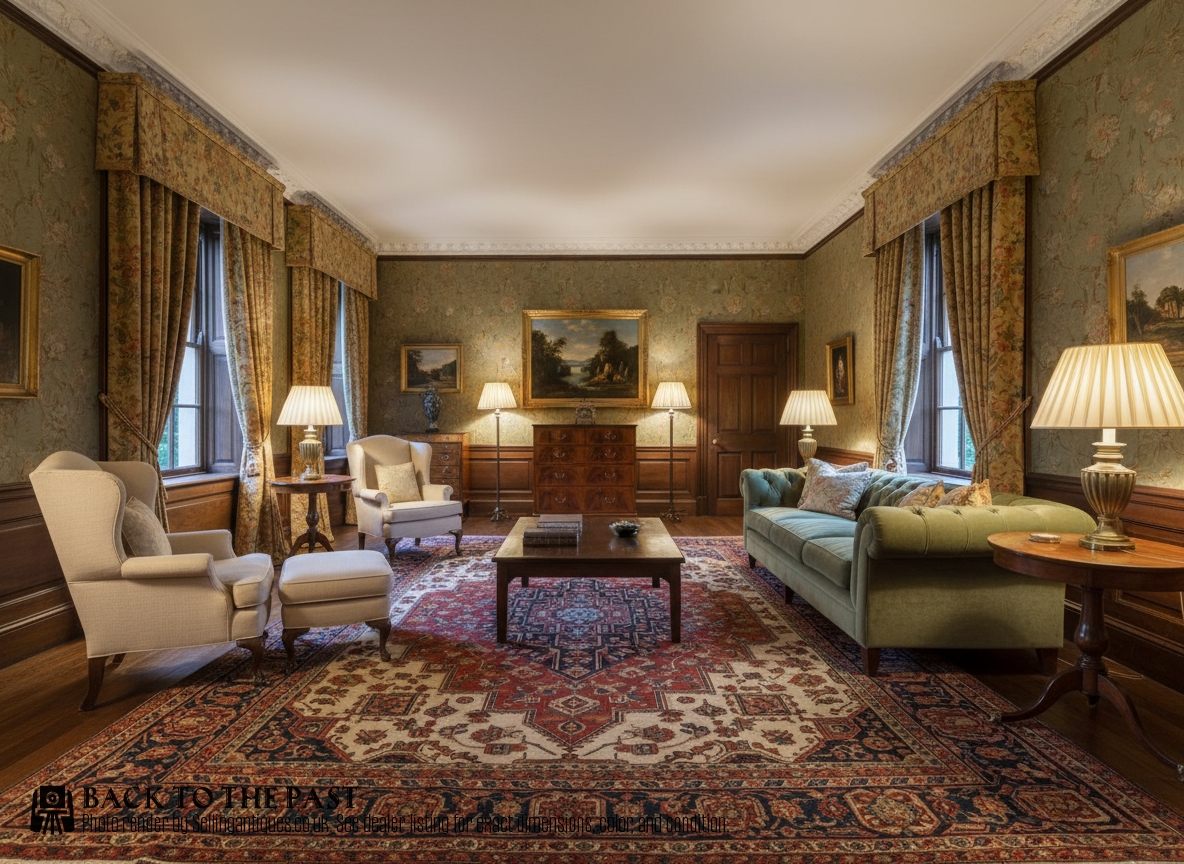
Distinctions in execution and preservation
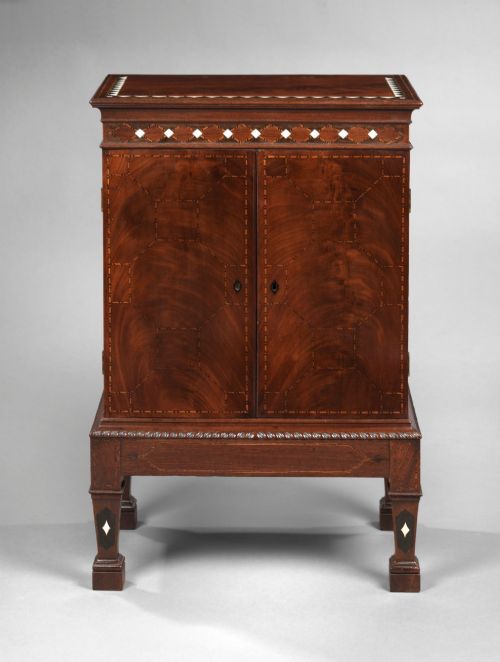
Quality rests upon the crispness of the inlay work, where tight joints between contrasting timbers show no excessive use of black filler. Grain selection in flame mahogany or figured walnut further separates standard utility pieces from high-status commissions.
Original surface patination, intact drawer linings, and minimal restoration to the delicate wood veneer panels dictate the desirability of any given cabinet among collectors.
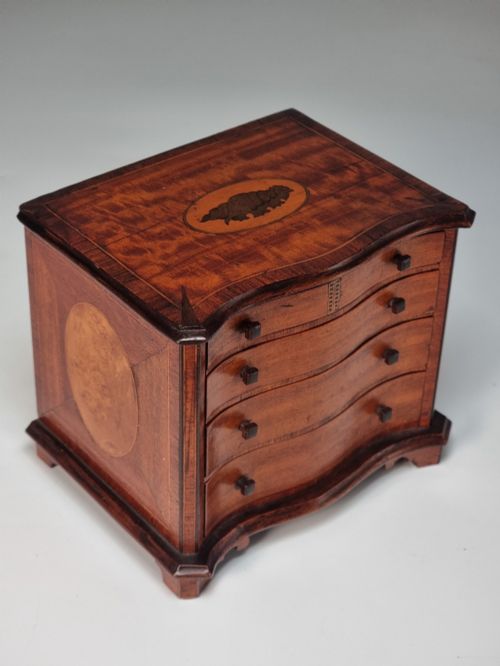
Some miniature chests were built as apprentice showpieces, displaying every advanced joinery trick known to a workshop in a portable footprint.
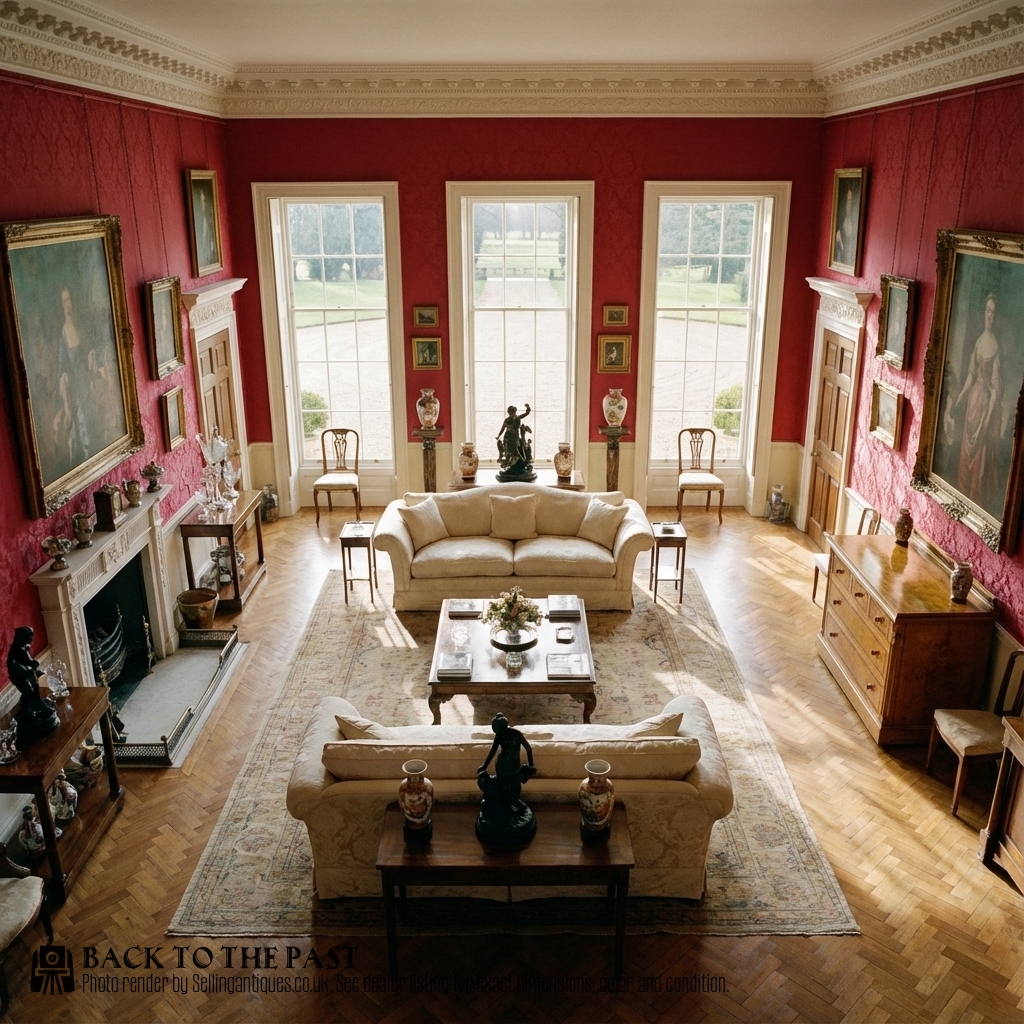
Edwards and Roberts·Maison Krieger·S and H Jewells·A. F. Lloyd·Mawer and Stephenson
The Inlaid Wood Chest Drawers Glossary
- Marquetry
- Elaborate patterns formed by inserting pieces of wood, veneer, or shell into a veneered surface to create pictorial designs.
- Bow-front
- A convex, curved cabinet front that swells outward in the centre, popular during the Georgian and Regency periods.
- Tallboy
- A tall chest of drawers made in two sections, typically stacking a smaller set of drawers atop a larger base unit.
- Commode
- A low French-style chest of drawers, often featuring serpentine or bombe shaping and a marble top.
- Banding
- A narrow strip of contrasting veneer framing the perimeter of drawer fronts or tabletops.
Inlaid Wood Chest Drawers: Frequently Asked Questions
How do I care for antique veneer?
Antique veneer requires stable indoor humidity levels and protection from direct sunlight to prevent the timber from drying out and lifting. Regular dusting with a dry, soft cloth preserves the finish.
Avoid silicone-based polishes and excessive moisture, which can degrade old glue grounds beneath the delicate marquetry patterns.
Are these pieces suitable for modern bedrooms?
These chests offer practical drawer depths and sturdy timber construction suited for everyday storage of clothing and linens. Their varied dimensions allow them to fit spaces ranging from compact bedside areas to expansive master bedrooms.
Placing them away from direct heat sources ensures the antique wood joints remain stable over time.
How do I distinguish Georgian from later revival styles?
Georgian pieces display construction techniques, timber weights, and patination characteristic of eighteenth-century workshop practices. Drawer linings often utilise oak or hand-sawn pine with traditional dovetailing.
Revival pieces from the late nineteenth or early Edwardian periods often employ machine-cut elements and standardised hardware while closely imitating earlier aesthetic models.