



18th Century Dutch Commode
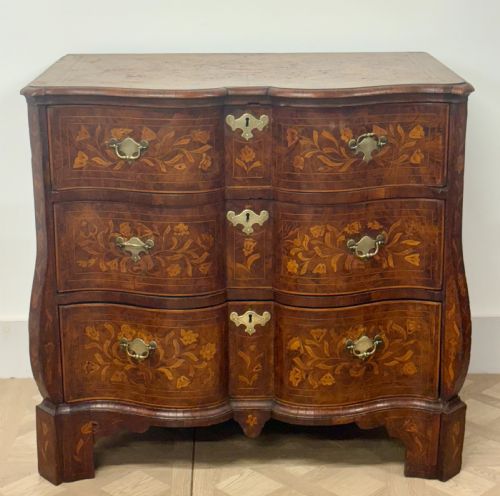
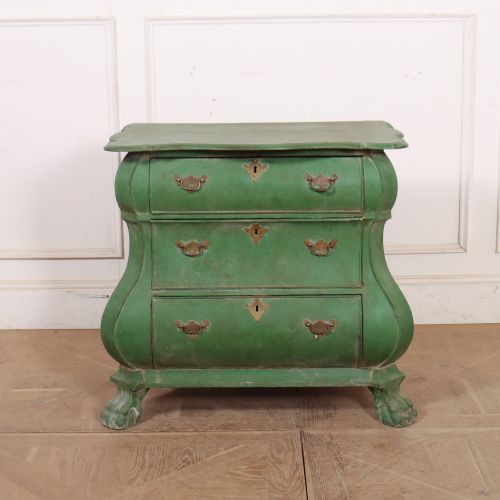
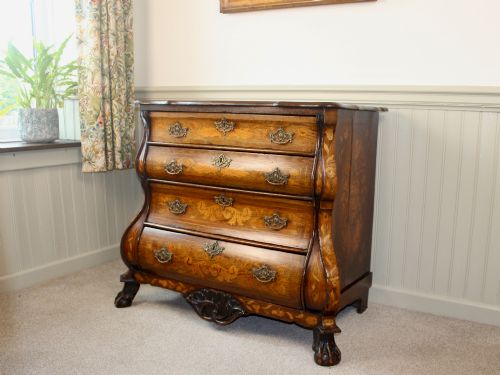
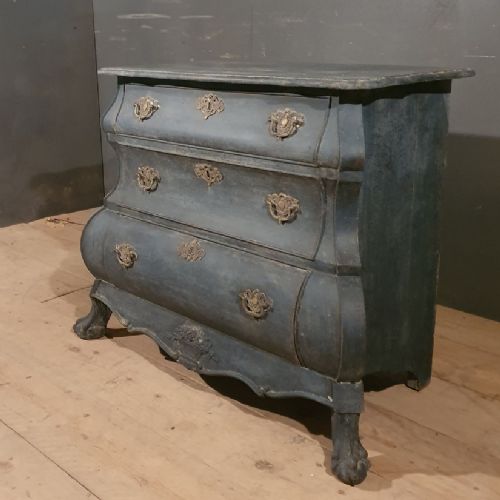
An 18th century dutch commode is a substantial storage chest defined by serpentine, shaped, or bombé silhouettes that anchor a traditional interior.
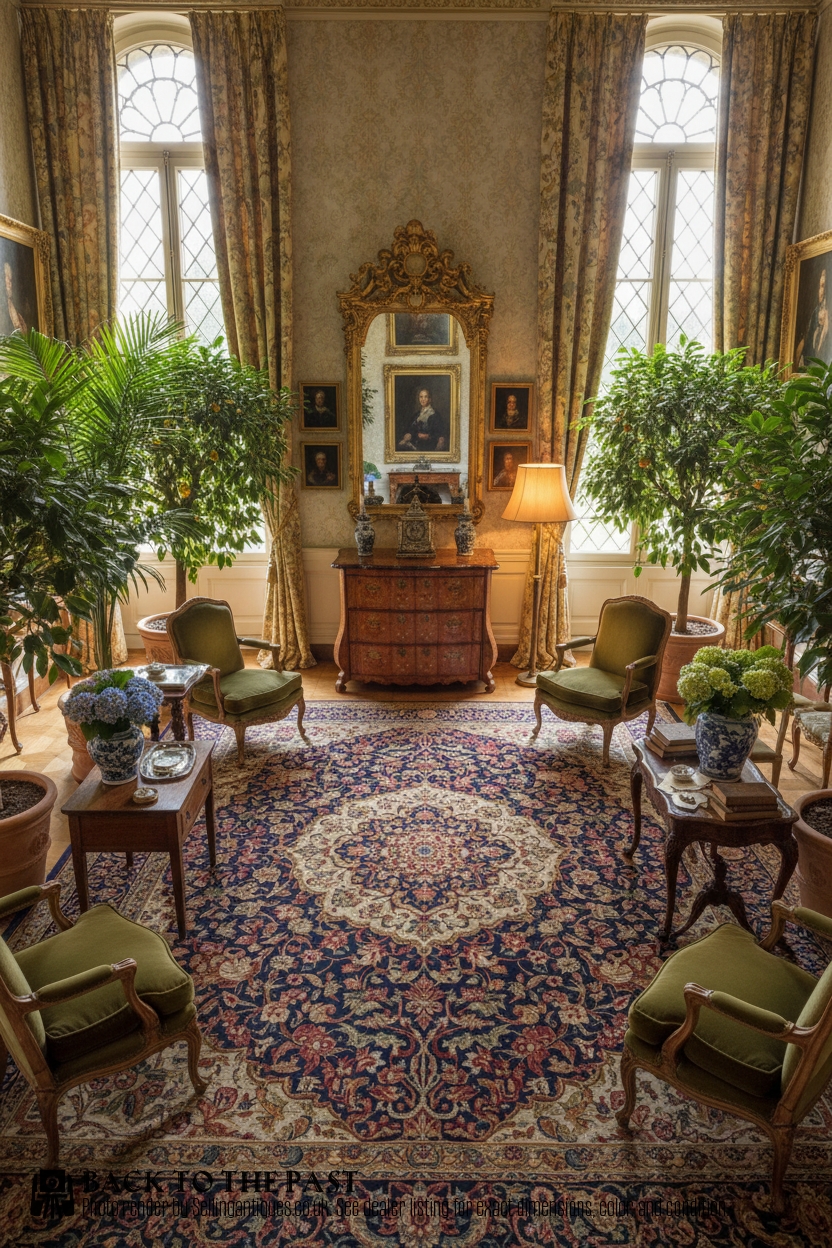
18th Century Dutch Commode
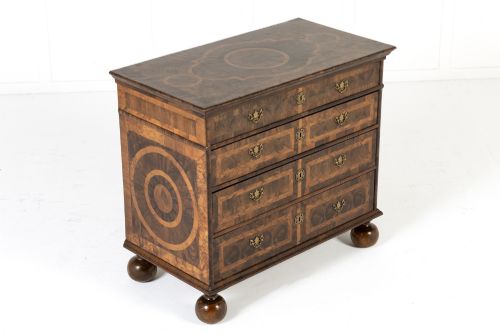
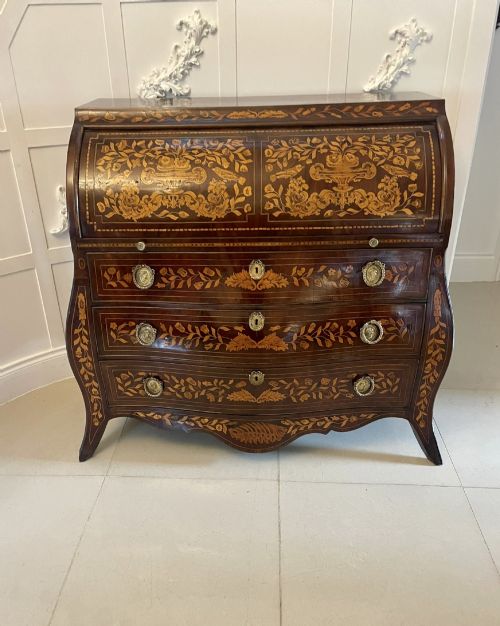
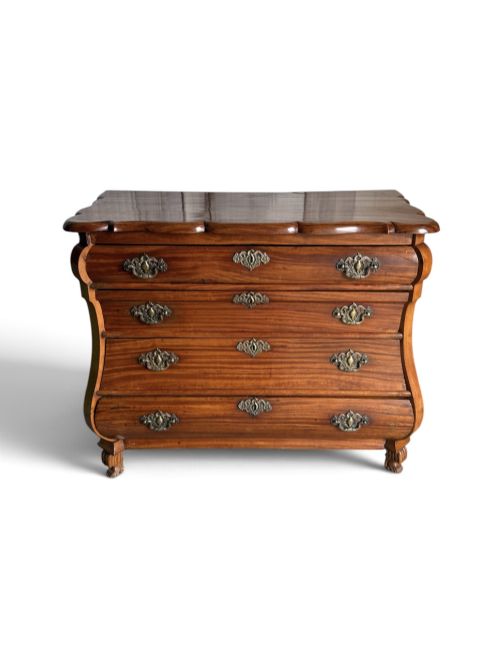
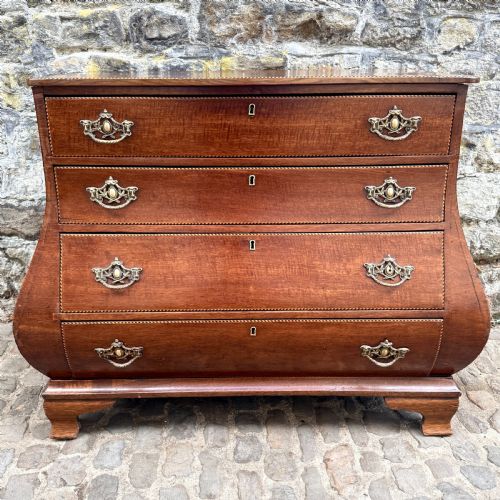
When buyers search for an 18th century dutch commode, they encounter low chests of drawers configured with distinctive swelling bombé profiles or gentle serpentine and shaped fronts. These pieces function primarily as statement storage furniture for principal rooms, offering deep drawer capacity behind sculptural facades.
The versions most frequently met on this page originate from the eighteenth century, alongside occasional nineteenth-century examples and items dated around eighteen hundred. They appear under object types recorded simply as chests of drawers or commodes.
Stylistic variations span Dutch Baroque, Dutch Rococo, Dutch Provincial, and Dutch Neoclassical designs. Makers worked within these regional idioms to produce both architectural facades and fluid, curving forms.
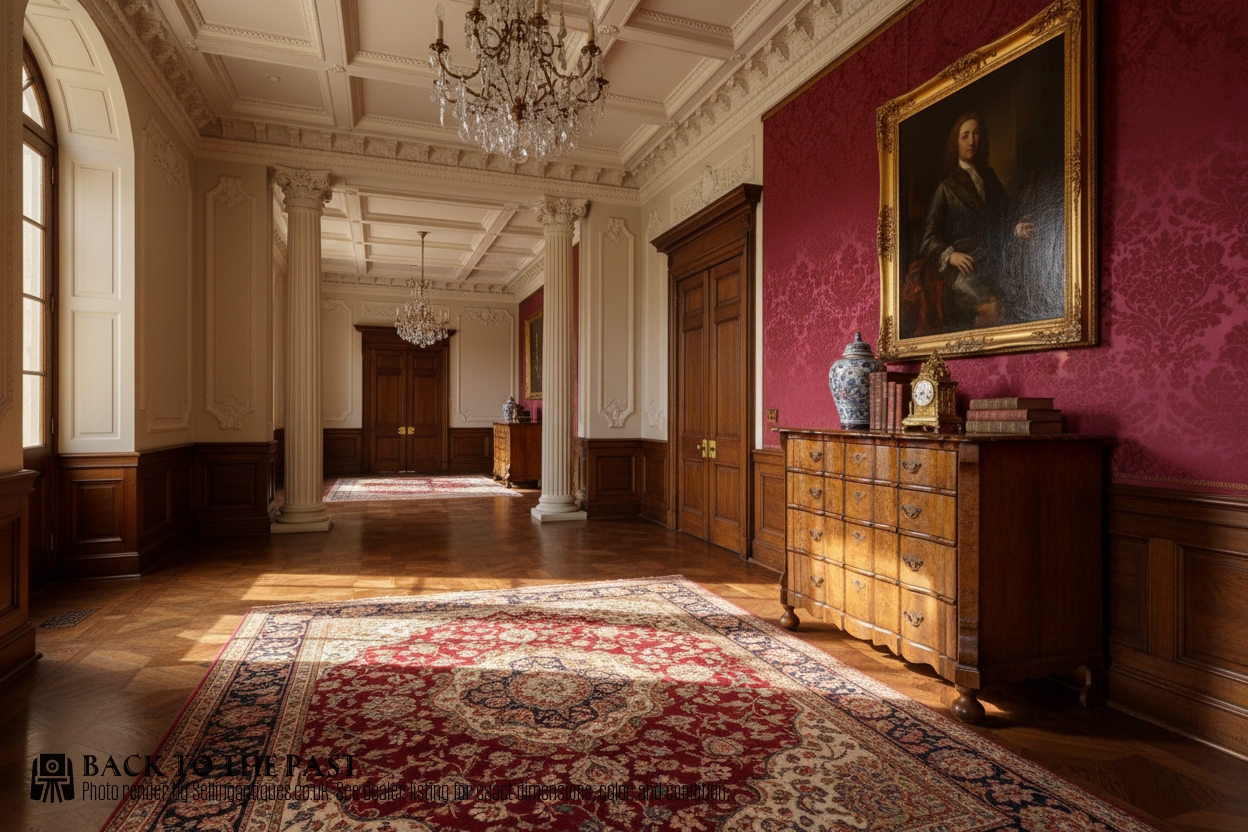
Construction and materials
Carpenters built these carcasses using sturdy primary timbers including oak, walnut, mahogany, chestnut, and painted wood. Interiors and structural supports relied on solid oak framing to sustain the heavy loads of multi-drawer chests.
Surfaces frequently showcase elaborate decorative veneers and marquetry inlay utilising burr elm, fruitwood, and tulip wood. Certain examples incorporate contrasting brass hardware and fitted marble tops.
18th Century Dutch Commode Retail Price Guide 2026
Typical asking prices for 18th century dutch commode among the pieces listed under this phrase on Sellingantiques today, from the lower quarter to the upper quarter. They describe what is for sale here now, not the wider market.
Secret drawers tucked within the carcass offered seventeenth and eighteenth-century owners a private spot for coins and small valuables.
Markers of distinction
Quality separates along the complexity of the timber selection and the precision of the cabinetmaker's shaping. Highly figured burr elm, rich walnut, and intricate fruitwood marquetry elevate a piece above simpler painted or plain oak constructions.
The ambition of the silhouette dictates the level of craftsmanship, moving from straight-lined provincial chests to deeply swelled bombé and serpentine profiles that require advanced joinery.
The 18th Century Dutch Commode Glossary
- Bombé
- A bulging, outward-curving profile that swells on the front and sides of a chest. This pronounced curvature demands advanced woodworking skill to construct.
- Marquetry
- The art of forming decorative patterns using fitted veneers of various timbers. Fruitwood and contrasting woods are common in these designs.
- Serpentine
- A front contour characterised by a concave central section flanked by convex ends, creating an undulating line. This shape appears regularly across regional cabinetwork.
- Burr elm
- Timber harvested from tree growths that produce swirling, highly figured grain patterns. It serves as a decorative veneer on statement furniture.
18th Century Dutch Commode: Frequently Asked Questions
How do I identify Dutch provincial style?
Dutch provincial furniture tends to display simpler lines and sturdier construction than high-style urban pieces.
These items often utilise local timbers such as oak or chestnut with minimal surface ornamentation.
Where were these commodes used?
Historically, these chests served in principal rooms like bedchambers and reception spaces for storing garments and linens.
Today, they function well as anchor pieces in living areas or hallways where surface display space is required.
What woods were commonly used?
Cabinetmakers utilised structural timbers like oak and walnut alongside decorative surface veneers including mahogany, burr elm, and tulip wood.
Fruitwood inlay and painted finishes also appear frequently across regional pieces.