


Antique Maple Dresser
An antique maple dresser brings warmth and distinctive grain to a room, offering practical storage through solid construction and varied figured timbers.
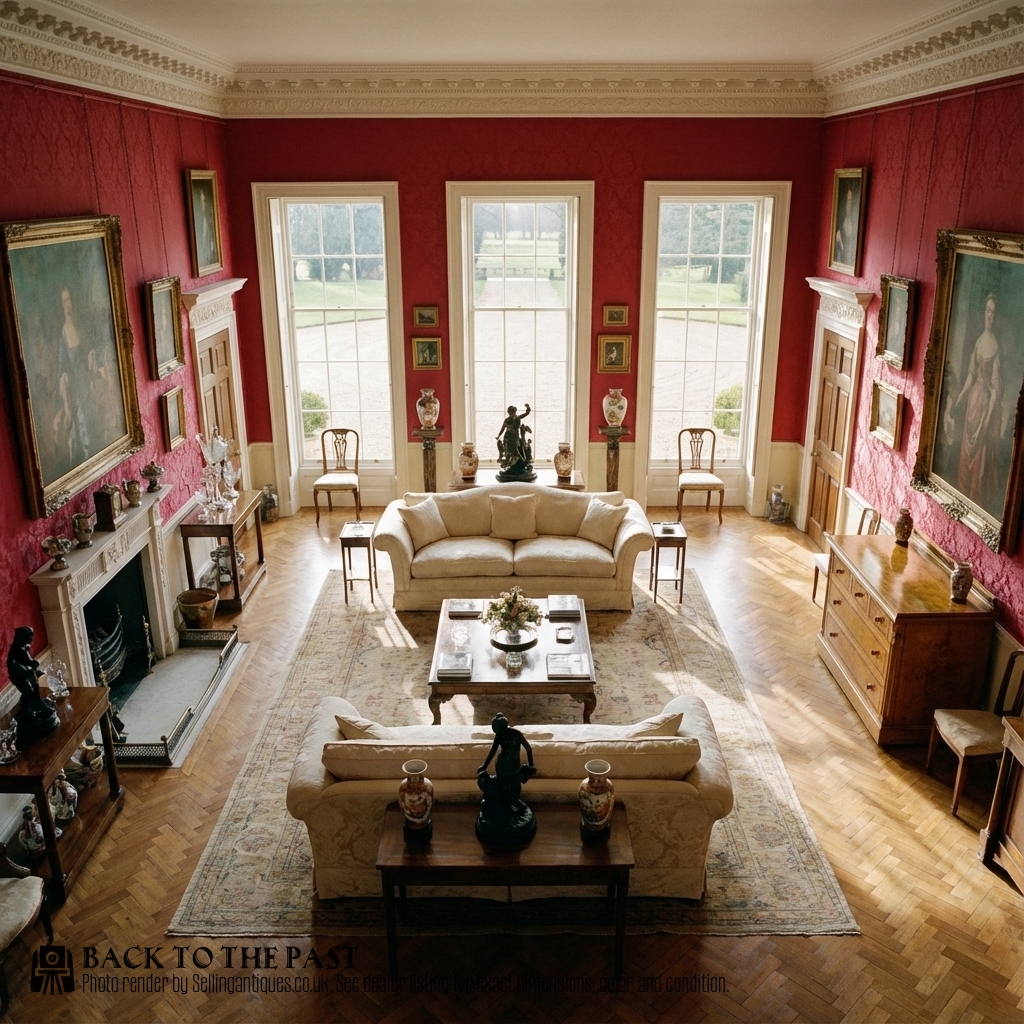
Antique Maple Dresser
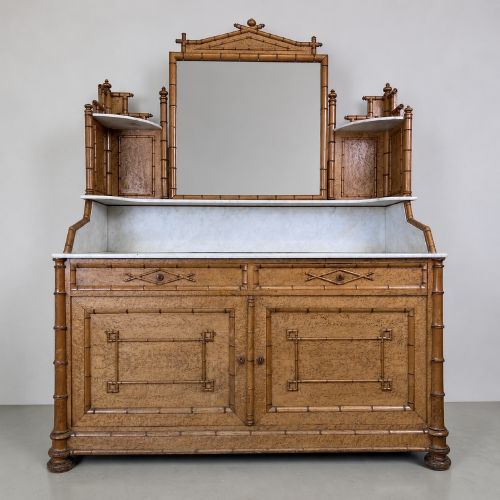
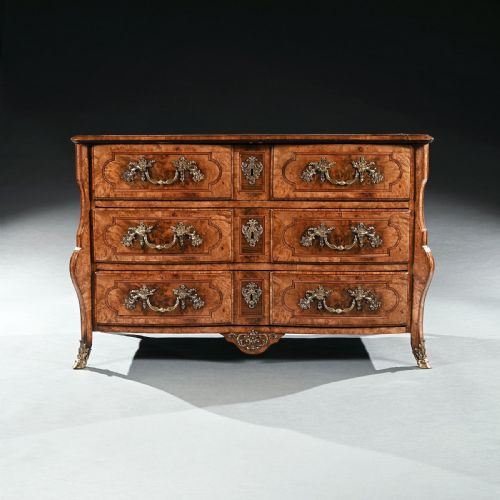
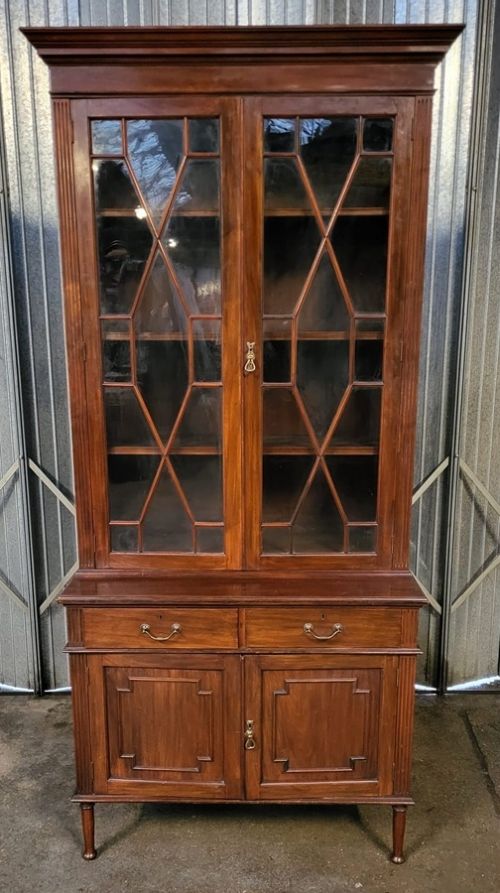
The material selection spans standard maple, birds-eye maple, and burr maple, showcasing the timber's natural patterning across different periods. Surviving examples include work from the 17th century through the early 20th century, displaying styles from William and Mary to Art Deco and Colonial.
Many items listed under this description function primarily as chests of drawers, commodes, or washstands rather than traditional kitchen dressers with plate racks. This variety means buyers must examine the specific form of each piece to ensure it matches their storage and display requirements.
Materials and construction methods
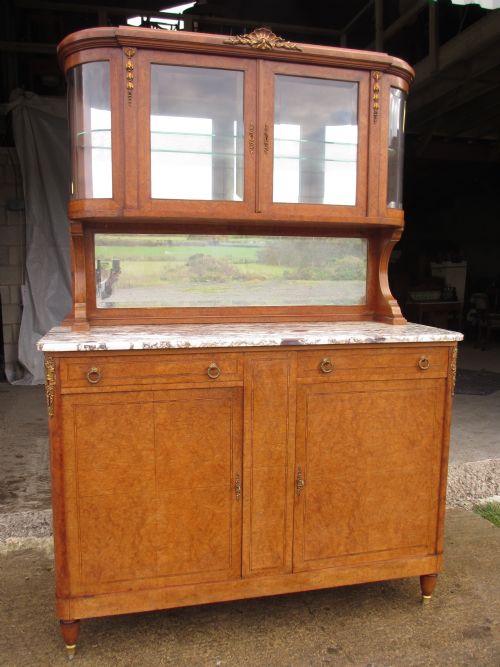
The construction of these pieces relies on solid maple and applied veneers, particularly birds-eye and burr maple veneers selected for their decorative figure. Cabinetmakers often paired maple with secondary timbers like mahogany or oak, integrating brass hardware, glass, and marble tops into washstands and dressing cabinets.
Joinery techniques follow traditional cabinetmaking standards of the period, utilising dovetail joints for drawer construction and sturdy framing to support heavy stone tops. Surface finishes typically consist of traditional polishes that enhance the natural grain patterns without obscuring the wood's inherent character.
Some French washstands include hidden spaces behind faux-bamboo frames, proving that even 19th-century furniture makers enjoyed a touch of theatrical deception.
Assessing quality in maple furniture
Quality in an antique maple dresser depends heavily on the selection and matching of the wood veneer, particularly with birds-eye and burr maple. Pieces featuring symmetrical grain patterns and intact, high-grade marble or brass mounts command greater attention than plain, utility-grade alternatives.
The precision of the cabinetwork, including smoothly operating drawers with tight dovetailing and well-preserved original hardware, distinguishes superior examples from standard production items. Maker attribution also plays a role, with documented pieces from notable firms showing finer decorative carving and superior structural integrity.
Maple and Co·Thomas Hache of Grenoble
The Antique Maple Dresser Glossary
- Birds-eye maple
- A figure in maple wood that resembles tiny, swirling eyes packed together. This pattern results from local stresses in the growing tree which interrupt the regular growth rings.
- Burr maple
- A growth on a maple tree that produces intricate, swirling wood grain when sliced into veneer. Cabinetmakers prize this material for creating highly decorative drawer fronts and panel inserts.
- Commode
- A low piece of furniture with drawers or doors, functioning much like a chest of drawers. French and continental examples often feature elaborate ormolu mounts and marble tops.
- Ormolu
- Gilt bronze ornamentation applied to furniture, popular in French and 19th-century decorative styles. It provides metallic contrast against figured maple and mahogany surfaces.
- Dovetail
- A traditional wood joint formed by interlocking wedge-shaped fingers. It secures drawer corners and side panels against pulling apart.
Antique Maple Dresser: Frequently Asked Questions
What is an antique maple dresser?
An antique maple dresser is a piece of wooden storage furniture, such as a chest of drawers, washstand, or dressing table, made from maple or birds-eye maple.
These items date from various historical periods and reflect styles ranging from early 18th-century European designs to later 19th and 20th-century cabinetmaking.
How do I care for antique maple?
Antique maple furniture requires a stable indoor environment away from direct sunlight and extreme temperature fluctuations to prevent wood splitting.
Regular dusting with a soft, dry cloth and occasional application of appropriate furniture wax helps maintain the surface finish.
Did these pieces always have marble tops?
Marble tops appear primarily on specific forms like washstands, dressing cabinets, and certain buffets designed to resist water and heavy use.
Standard chests of drawers and regular dressers generally feature solid wood or veneered tops rather than stone.