
Indigo Wool Rug
An indigo wool rug brings profound depth and rich history into a room through natural plant dyes and enduring tribal craftsmanship.
Indigo Wool Rug
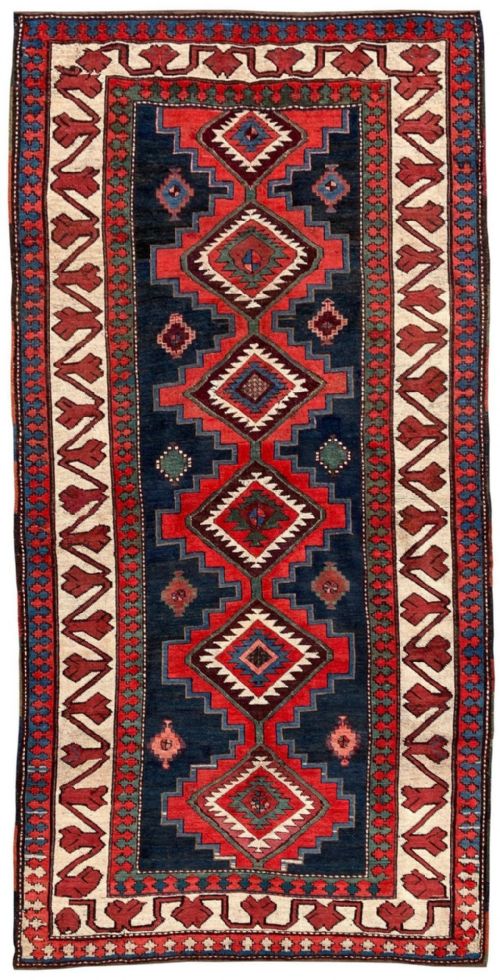
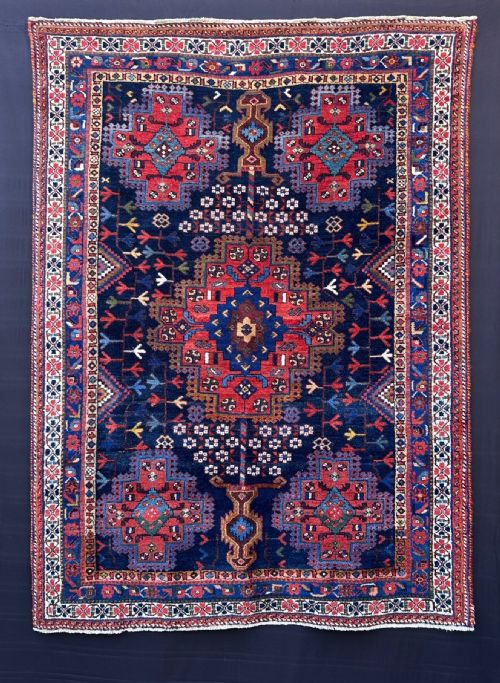
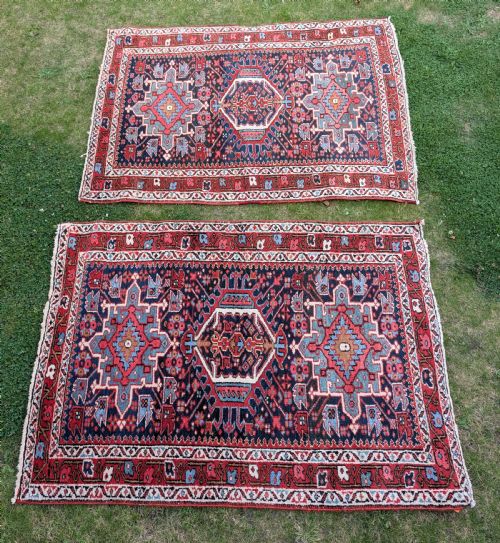
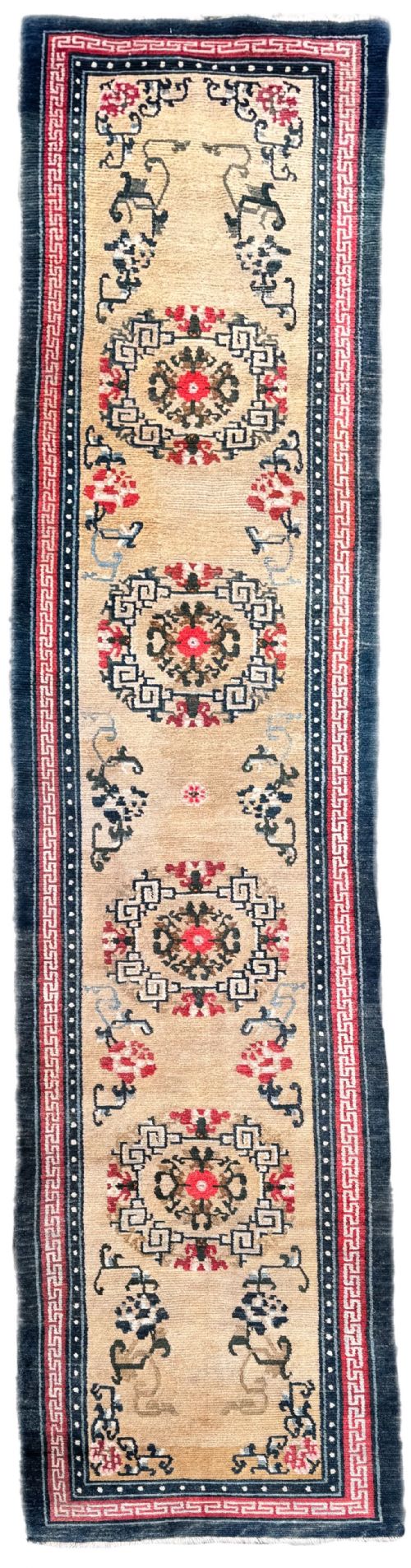
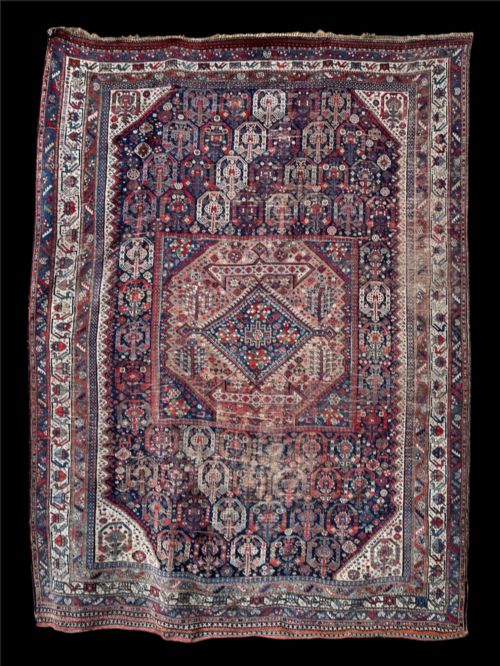
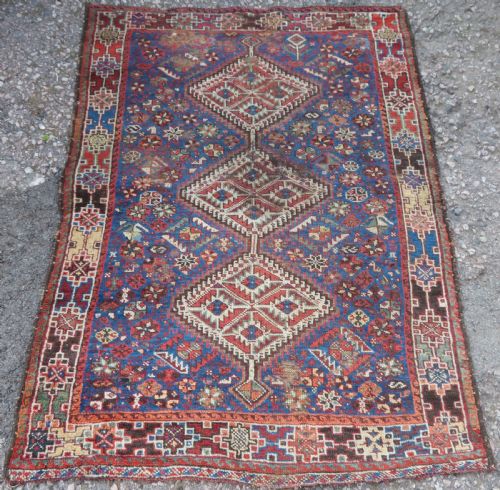
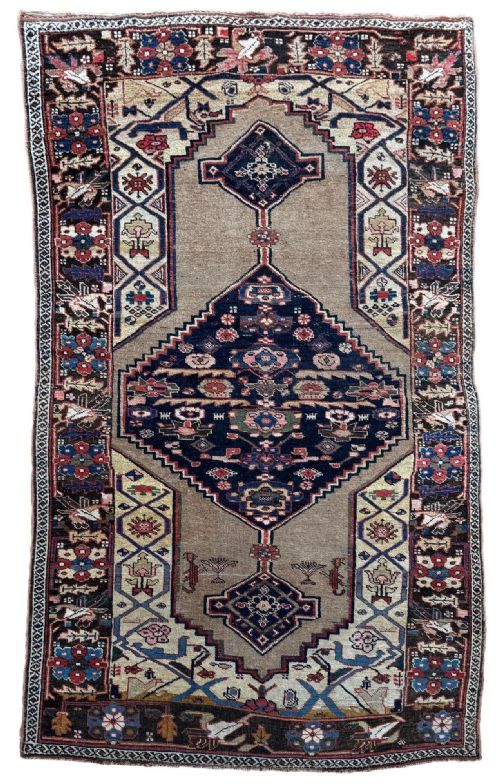
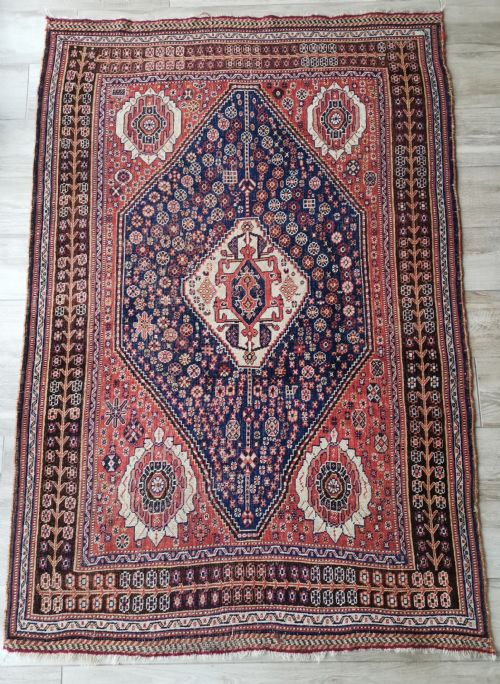
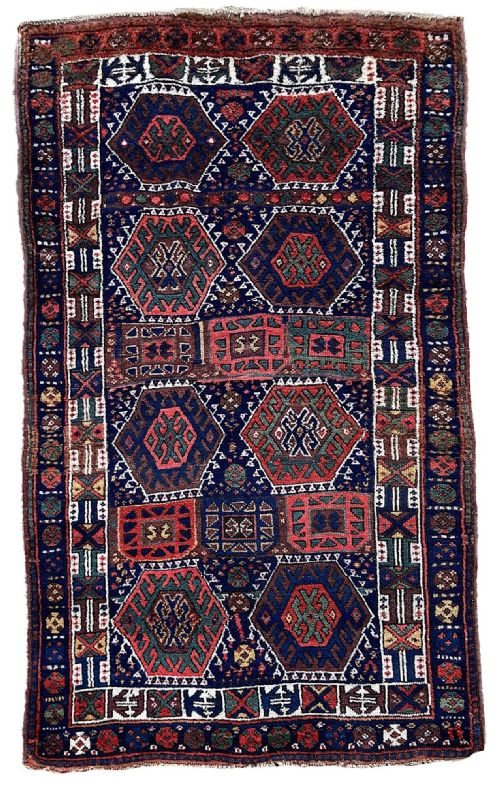
When you search for an indigo wool rug, you encounter hand-knotted and flat-woven floor coverings and textiles originating from Persian, Caucasian, Turkmen, Kurdish, and Tibetan tribal traditions. These pieces date across the nineteenth and early twentieth centuries, spanning periods from the 1850s to the 1940s.
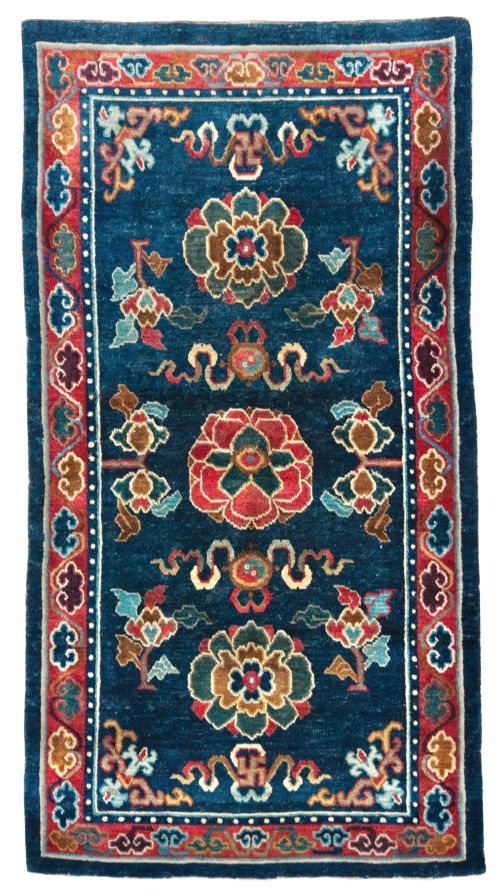
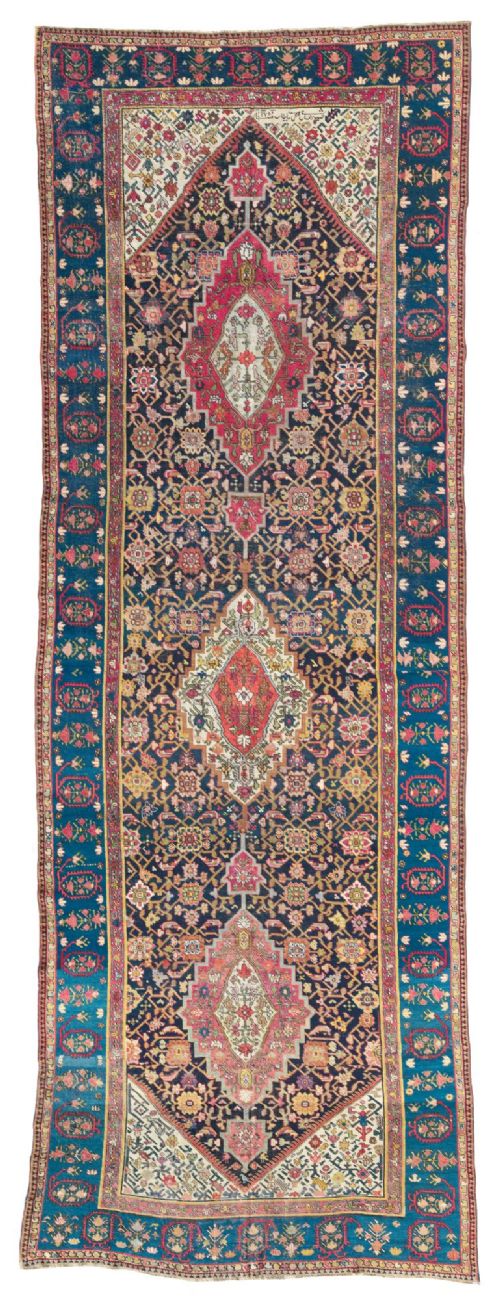
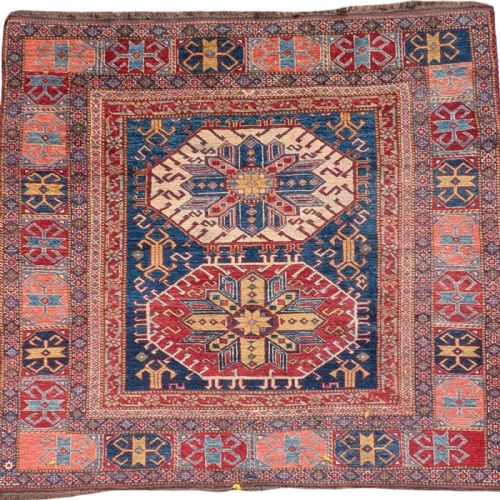
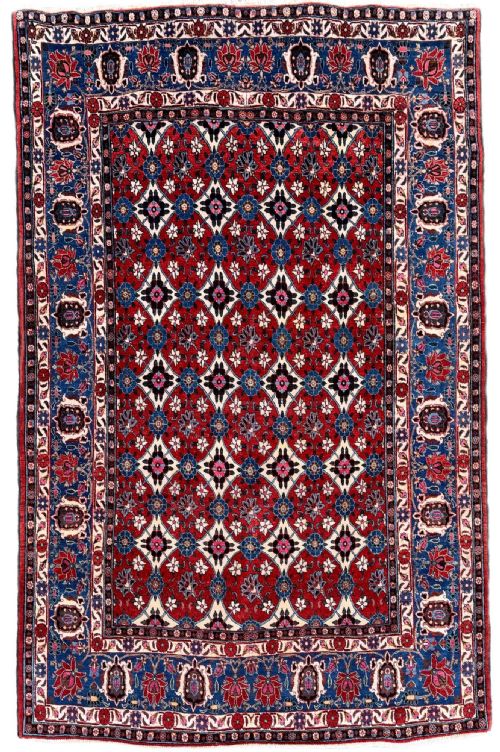
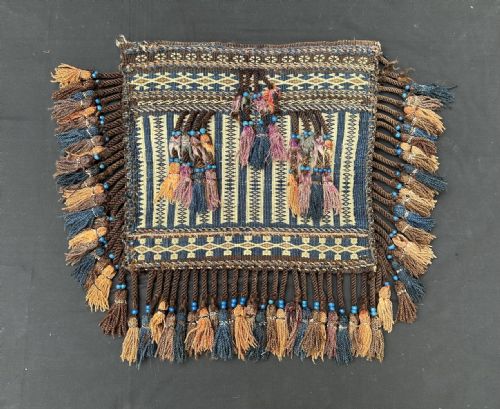
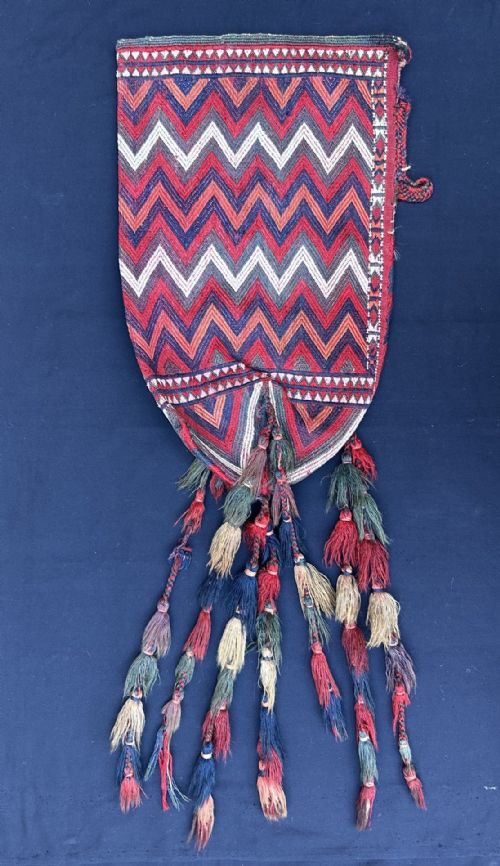
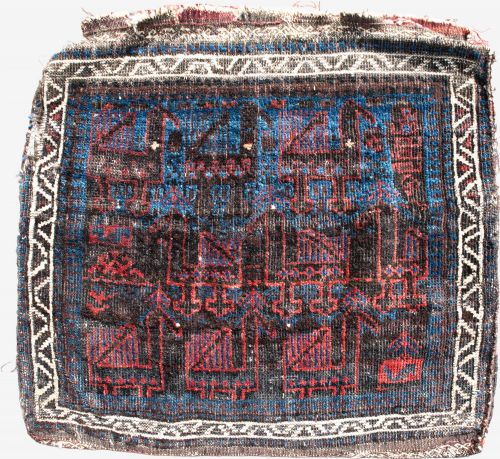
The selections on this page encompass various regional forms, including runners, kelleh carpets, storage bags, pillow faces, and seating mats. Rugs from the Caucasus, Persia, and Central Asia dominate the selection, showcasing distinct tribal patterns and vegetable dye palettes.
Buyers seeking these textiles find floor coverings and decorative wall pieces that display deep blue hues derived from natural sources, often contrasted with madder red, ivory, and brown wool yarns.
How they were made
Weavers constructed these textiles using hand-spun wool foundation yarns and pile, occasionally incorporating cotton or glass beads for specific decorative details. Artisans utilised natural dyes extracted from plants to achieve lasting depths of colour across the fleece.
Production techniques combined knotting for pile carpets with flat-weaving methods for kelims and torba faces. Regional tribes employed distinct structural methods, such as symmetric or asymmetric knots tied onto vertical looms set up in nomadic camps or village workshops.
Indigo Wool Rug Retail Price Guide 2026
Typical asking prices for indigo wool rug among the pieces listed under this phrase on Sellingantiques today, from the lower quarter to the upper quarter. They describe what is for sale here now, not the wider market.
Current listings feature textiles spanning the 1850s to the 1940s, executed in wool, cotton, and natural dyes across Persian, Caucasian, and Turkmen traditions.
What varies in quality
Quality differences stem from the fineness of the wool spin, the complexity and clarity of the tribal motifs, and the depth achieved in the natural dye batch. Tightly packed knots and resilient pile foundations distinguish superior pieces from looser structures.
The integrity of the original weave and the preservation of authentic tribal designs determine the standing of each piece. Variations in wool quality and dye saturation reflect the specific regional environment and the skill of the individual weaver.
The Indigo Wool Rug Glossary
- Kelim
- A flat-woven carpet or rug produced without a pile. These textiles rely on warp and weft interweaving to form geometric patterns.
- Gul
- An octagonal medallion motif repeated across Turkmen and Baluch carpets. This design serves as a tribal emblem for specific nomadic groups.
- Kelleh
- A large rectangular carpet format longer than a standard room rug. These formats were traditionally woven for specific Persian domestic spaces.
- Kazak
- A style of rug woven in the Caucasus region. They are recognised for bold geometric designs and saturated primary colours.
Indigo Wool Rug: Frequently Asked Questions
What is an indigo wool rug?
An indigo wool rug is a hand-woven or hand-knotted textile created by tribal and village weavers using wool dyed with natural plant-based indigo. These pieces hail from nineteenth and early twentieth-century traditions across the Caucasus, Persia, and Central Asia.
Such rugs incorporate regional motifs and durable structures designed for practical daily use in nomadic camps and village homes.
How were these rugs used originally?
Nomadic and village communities utilised these textiles as floor coverings, sleeping mats, tent hangings, and saddle or storage bags. Their dense wool construction provided insulation against cold earthen floors and harsh climates.
Smaller formats like torbas and balisht-faces served as functional storage containers inside traditional dwellings before entering the collector market.
How do I care for an antique wool rug?
Protect antique wool textiles by placing them in low-traffic areas and using breathable underlays to prevent slipping. Regular gentle vacuuming without the beater bar removes trapped dust without damaging the pile.
Professional specialist cleaning is recommended for antique vegetable-dyed wool to preserve the integrity of the natural fibres and historical dyes.
How can I tell different tribal styles apart?
Tribal styles are distinguished by their specific structural foundations, colour palettes, and repeating geometric motifs. Caucasian pieces frequently display sharp octagons and stars, whereas Persian village rugs often feature curved medallions or overall Heriz patterns.
Turkmen and Baluch tribal weavings are identifiable through distinct gul emblems, dark brown grounds, and precise border arrangements unique to each confederacy.