
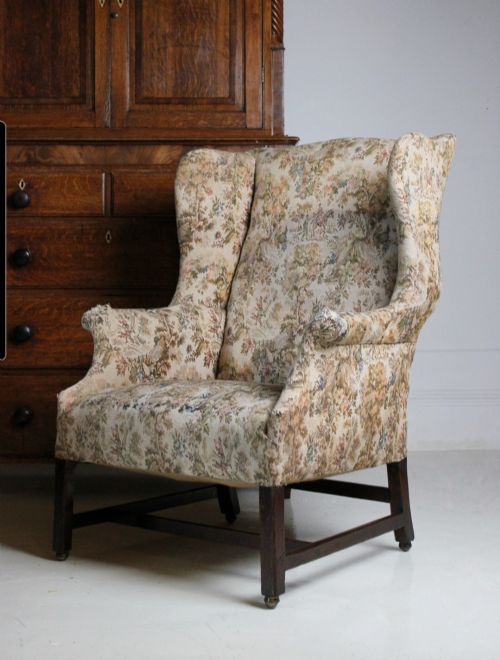
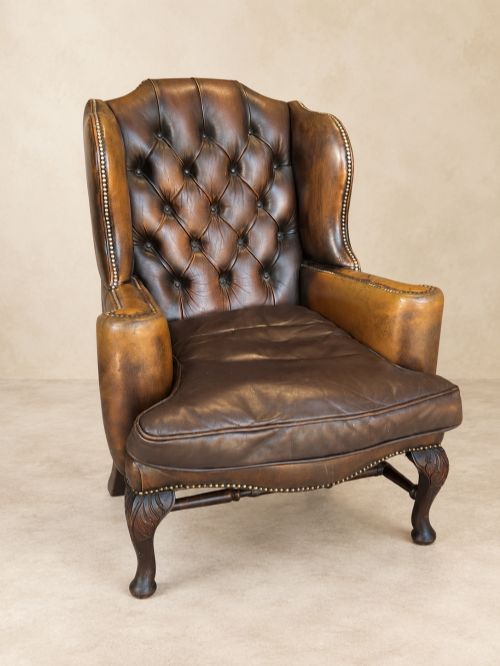
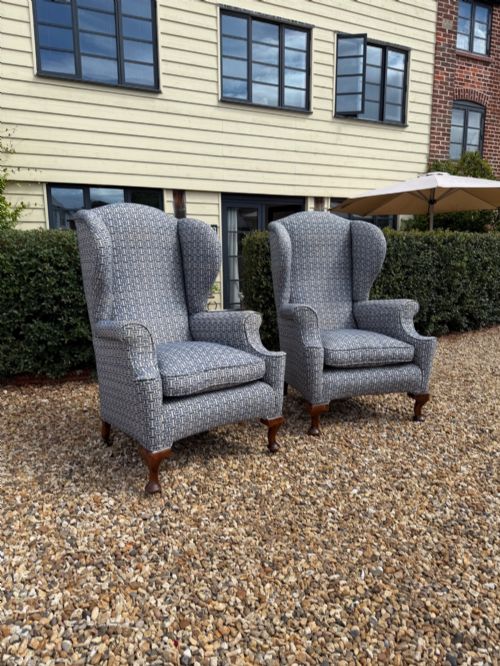
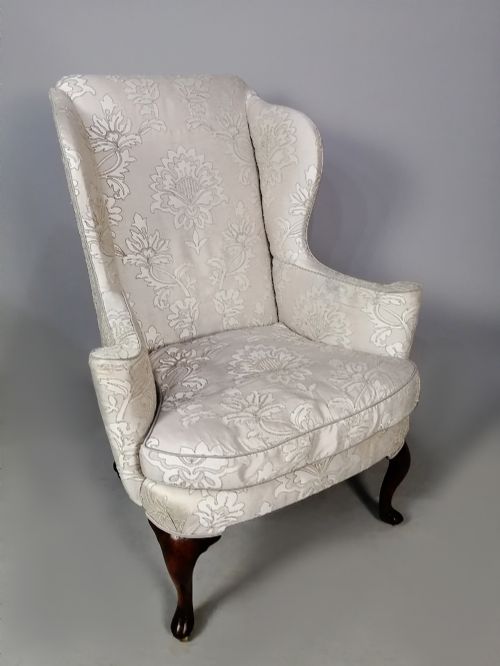
High Back Wingback
A high back wingback brings draft-excluding comfort and traditional presence to a room, offering deep seating wrapped in period character.
High Back Wingback
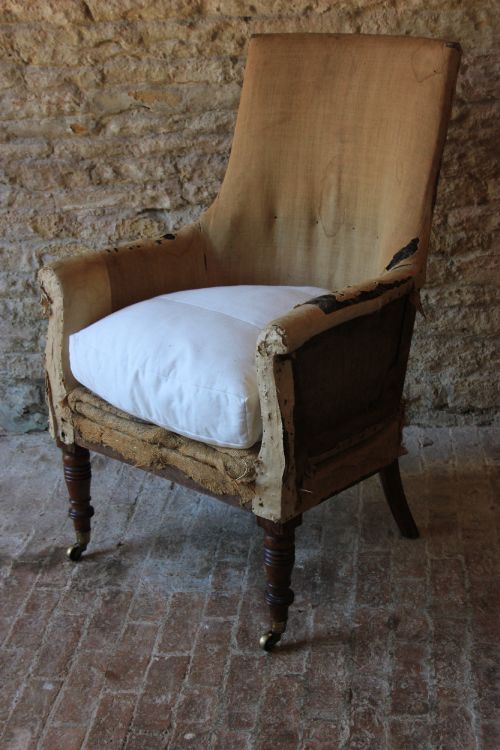
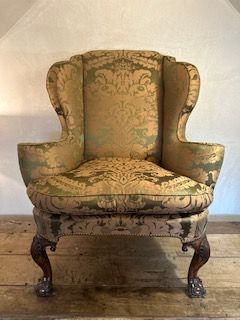
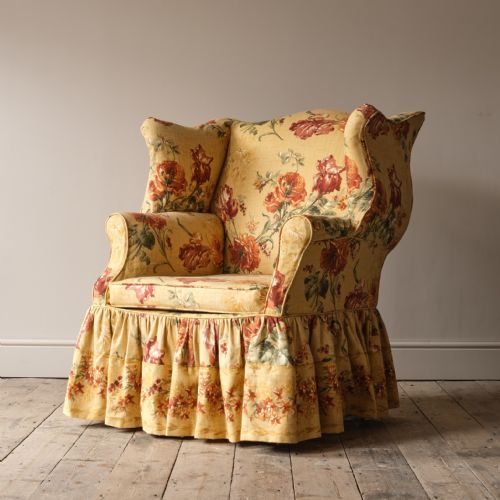
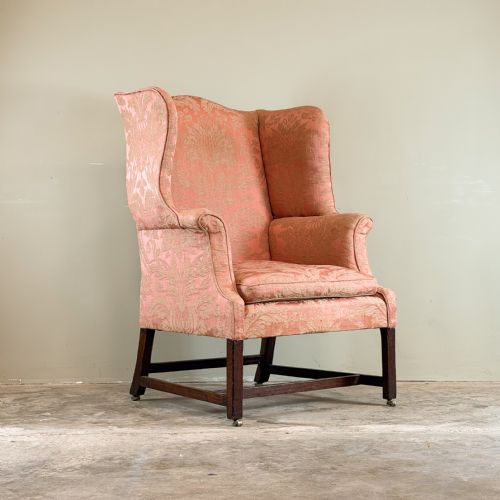
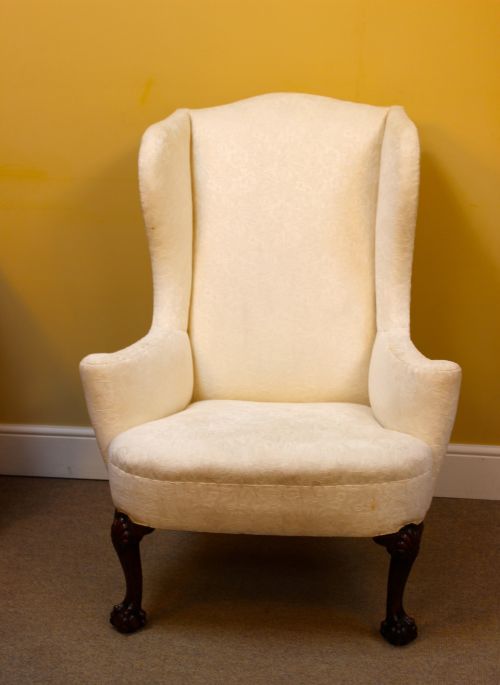
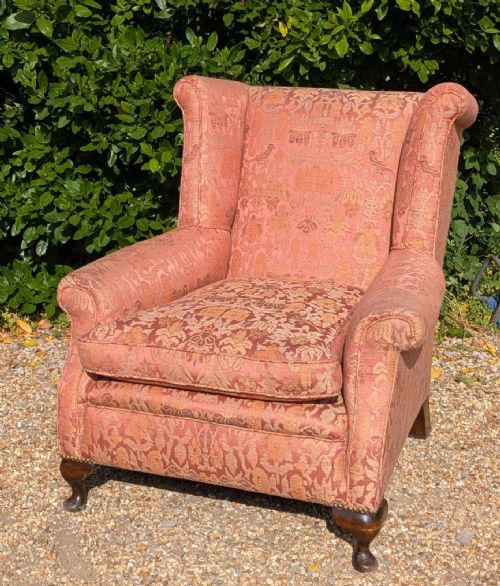
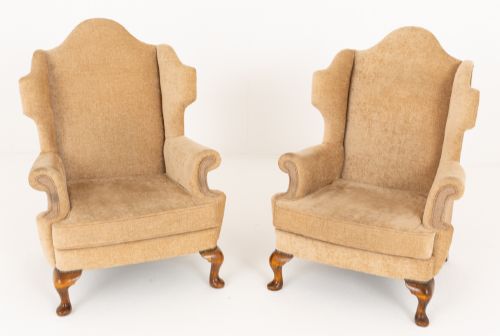
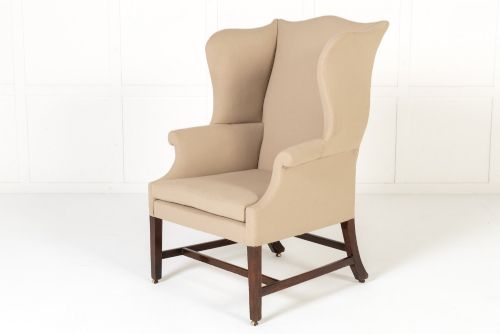
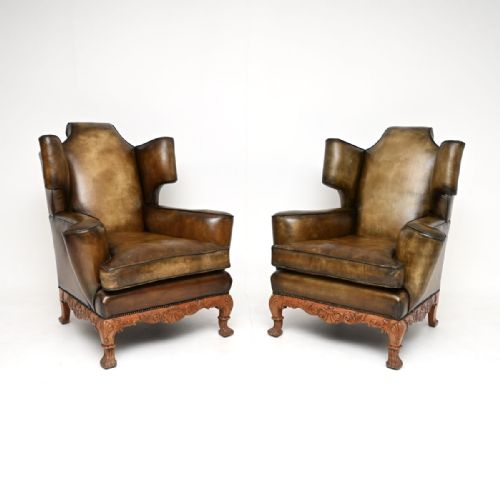
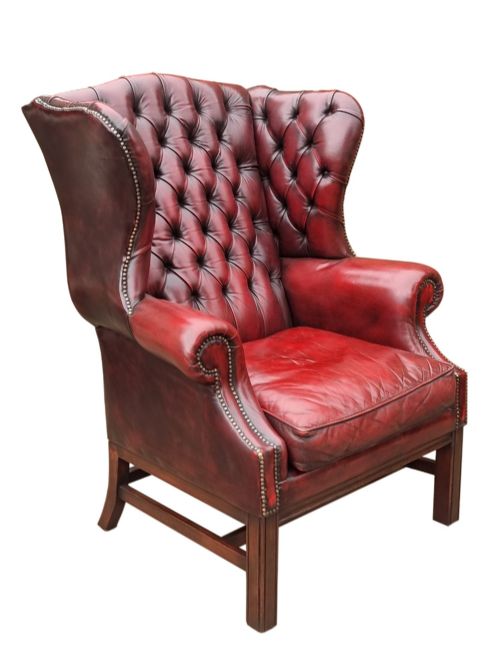
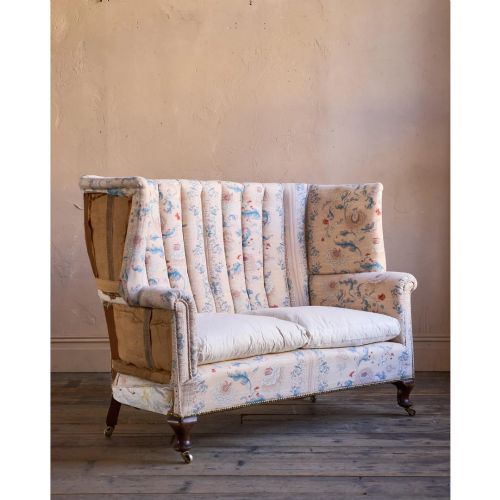
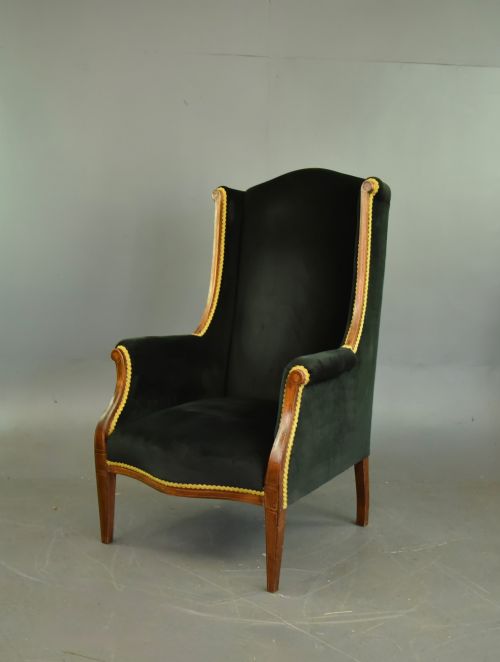
The high back wingback sits firmly within traditional seating, represented heavily by 18th century, Georgian, and 19th century examples designed to shield the sitter from draughts. You will encounter various iterations ranging from substantial George III mahogany forms to later Edwardian country house editions and revival styles.
Materials and construction
Makers built the structural frameworks of these seats using dense hardwoods including mahogany and walnut, ensuring durability beneath the upholstery. Joinery relied on traditional methods to anchor the sweeping wings and high backs securely to the seat base.
Upholstery historically involved horsehair and traditional stuffing, whilst surface treatments embraced exposed polished wood frames and brass detailing. Modern or period textile coverings span leather, velvet, chenille, plaid, and calico fabrics.
Some chairs sport wings wide enough to gossip secretly behind without disturbing the rest of the drawing room.
Judging quality in high back wingback
Quality rests in the harmony of the proportions, particularly the sweep of the wings and the rake of the back, which dictate both the visual balance and the comfort of the seat. Finer examples display confident carving on the exposed woodwork and precise alignment in the upholstery work.
The integrity of the timber frame beneath the fabric defines longevity, alongside the quality of the upholstery stuffing materials. Pieces retaining their original structural lines without sagging or heavy alteration command greater appreciation.
Howard And Sons·Whytock & Reid
The High Back Wingback Glossary
- Wingback
- An armchair featuring projecting side panels designed to shield the face and torso from hearth draughts. These upholstered wings form a signature silhouette.
- Barrel back
- A seating form where the upholstered back curves continuously around to form integrated armrests. This enclosed shape enhances warmth and privacy.
- Carolean style
- A decorative manner reflecting late 17th century English tastes, characterised by richly carved woodwork and scrolled details. It often appears in revival forms on later chairs.
- George III style
- A classical furniture aesthetic originating in the 18th century, noted for architectural restraint and quality mahogany construction. Pieces in this manner follow Georgian design principles.
High Back Wingback: Frequently Asked Questions
How do I style a high back wingback?
Position the piece beside a fireplace or reading corner where its high silhouette creates a natural focal point in the room.
Pair it with low-profile tables and subtle lighting to let the traditional proportions command the surrounding space.
Were these chairs originally used for reading?
The enclosed design provided shelter from cold draughts in large rooms before central heating became common.
Occupants naturally gathered near hearths, using the padded wings to trap heat around the head and shoulders.
How do I distinguish Georgian from later revival styles?
Original 18th century pieces exhibit period timber patination and construction methods particular to their era's workshop practices.
Revival editions from the Victorian or Edwardian periods often mimic these earlier silhouettes whilst utilising later manufacturing techniques.
Are these seats comfortable for daily lounging?
The deep seating and high backrests offer substantial support for upright sitting or relaxed reading sessions.
Internal padding varies depending on whether the piece retains period stuffing or has received later updates.