


Heraldic Wall Plaque
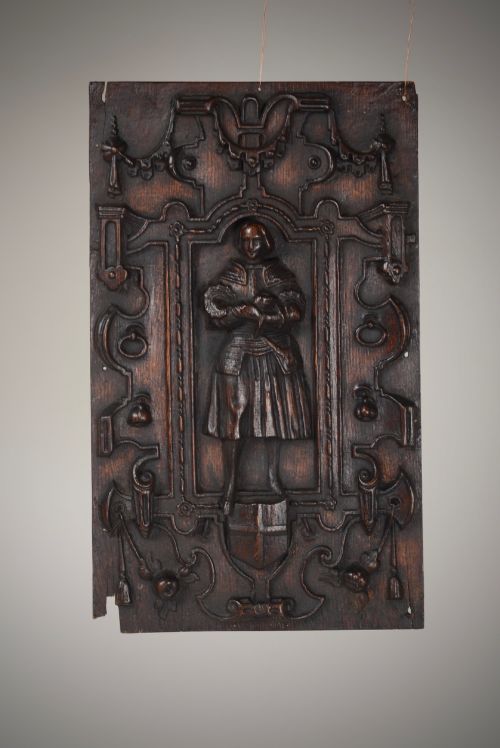
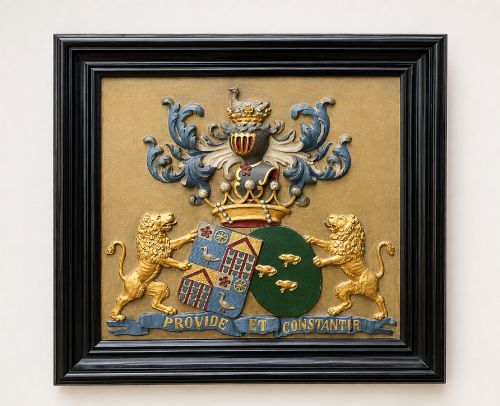
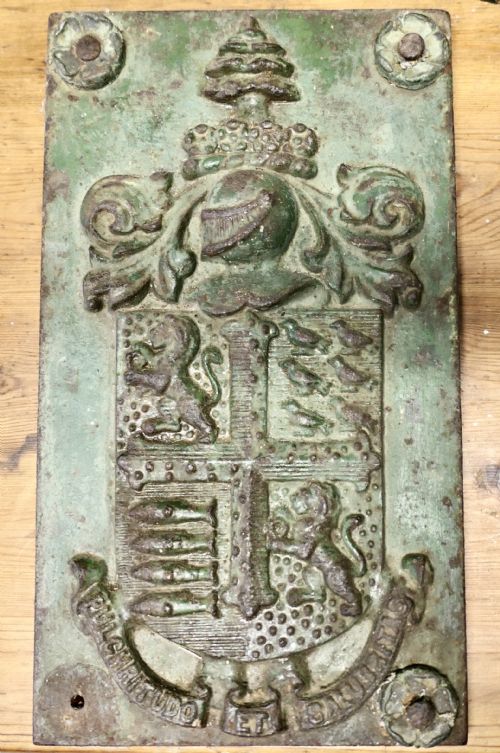
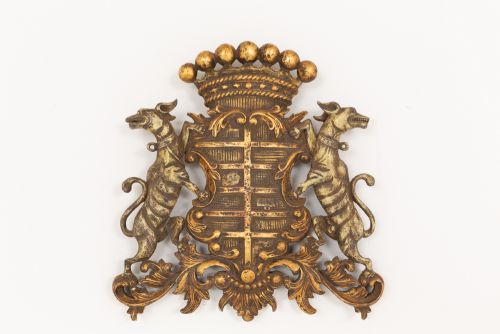
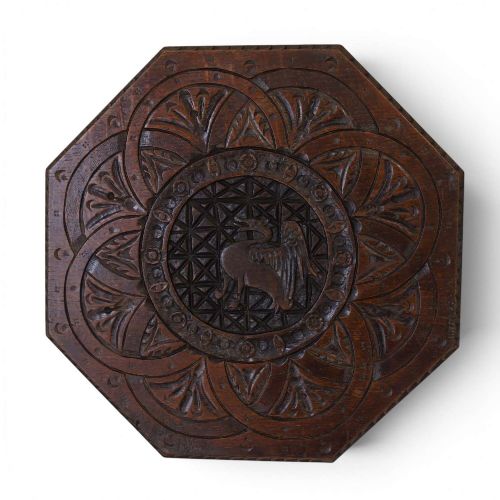
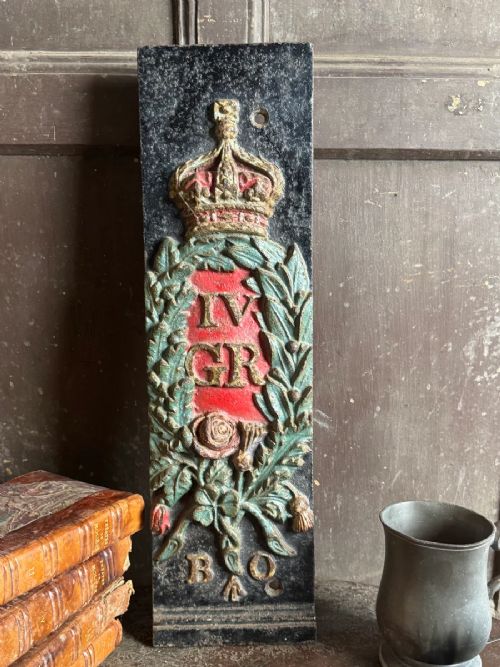
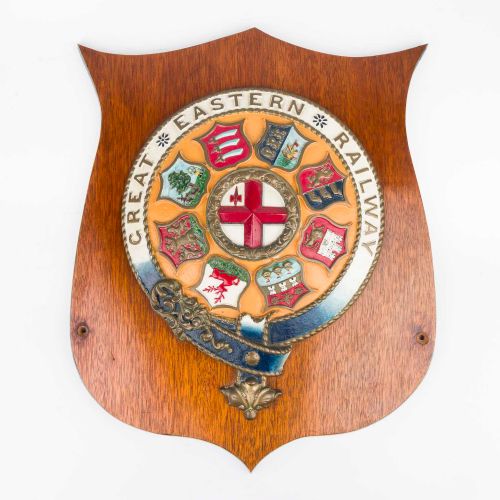
These heraldic wall plaque pieces carry carved coats of arms and armorial crests in cast iron, bronze, and oak.
Heraldic Wall Plaque
A heraldic wall plaque displays a coat of arms, family crest, or armorial bearing designed to be hung upon a wall. When you search for a heraldic wall plaque, you encounter objects spanning from the seventeenth century through to the early twentieth century.
The selections on this page appear in various forms, including carved wooden panels, cast iron architectural plaques, repousse shields, and bronze reliefs. Pieces originating from the nineteenth century predominate, alongside earlier seventeenth-century carved works and twentieth-century railway or military emblems.
Makers utilised these armorial designs for domestic display, public buildings, and institutional spaces. Common subjects include family lineages, royal coats of arms, and municipal crests rendered in solid metals or dense hardwoods.
How they were made
Materials recorded in the evidence centre upon metals and woods, specifically cast iron, bronze, oak, hardwood, and walnut, often finished with gold leaf, paint, or polychrome decoration. Carved wooden panels and shields rely on traditional hand-carving techniques applied to dense timbers such as oak and fruitwood.
Metal versions utilise casting methods for iron and bronze, supplemented by repousse work where metal sheets are hammered into relief from the reverse side. Surface treatments include applied paint, gilt highlights, and brass framing to accent the armorial details.
Listings feature periods spanning from the 17th century through the 1930s, utilising oak, cast iron, bronze, and gold leaf.
What varies in quality
Quality in a heraldic wall plaque rests upon the crispness of the armorial carving or casting and the depth of relief. Sharply defined heraldic charges and legible mottoes distinguish finer examples from softer, worn castings or simpler panel work.
The integrity of the materials and the preservation of original surfaces also dictate standing. Pieces retaining their early polychrome paint, original gold leaf, or patinated bronze surface display greater material authenticity than later repainted or heavily restored items.
Van Rijckevorsel and Verheijen·Sforza Visconti
The Heraldic Wall Plaque Glossary
- Armorial
- Relating to heraldry or a coat of arms. It describes items bearing familial or institutional insignia.
- Repousse
- A metalworking technique where the metal is hammered into relief from the reverse side. This creates raised decorative motifs on shields and plaques.
- Polychrome
- Painted or decorated in several colours. This finish appears on early wooden crests to highlight specific heraldic tinctures.
- Gilt
- Covered thinly with gold leaf or gold paint. It adds a luminous finish to raised portions of carved shields and metal crests.
- Cartouche
- An oval or oblong frame with ornamental scrollwork. It often encloses an emblem or coat of arms on a plaque.
Heraldic Wall Plaque: Frequently Asked Questions
Where were these plaques displayed?
Historically, armorial plaques hung in manor houses, public municipal buildings, and institutional offices to denote allegiance, lineage, or authority. Architectural examples also adorned public structures and railway infrastructure.
Today, collectors place them on interior walls as focal points in studies, hallways, and living spaces.
How do I date a cast iron plaque?
Dating cast iron armorial pieces involves examining the style of the crest, the lettering of any mottoes, and the casting technique itself. Nineteenth-century examples often feature crisp Victorian or Gothic Revival detailing.
Comparison with documented municipal and royal coats of arms from specific reigns further helps narrow the production period.
Are wooden armorial panels carved from single blocks?
Many wooden plaques utilise solid hardwoods such as oak, walnut, or fruitwood carved in relief. Some panels incorporate inset elements, such as brass frames or applied metal crests.
The choice of dense timber allowed carvers to execute intricate heraldic details that survived centuries of interior placement.