

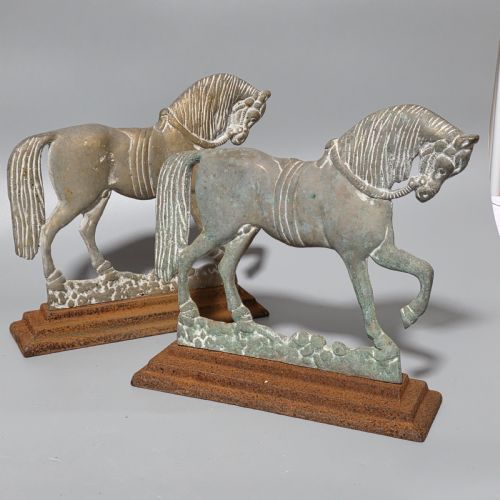


Heavy Brass Porter
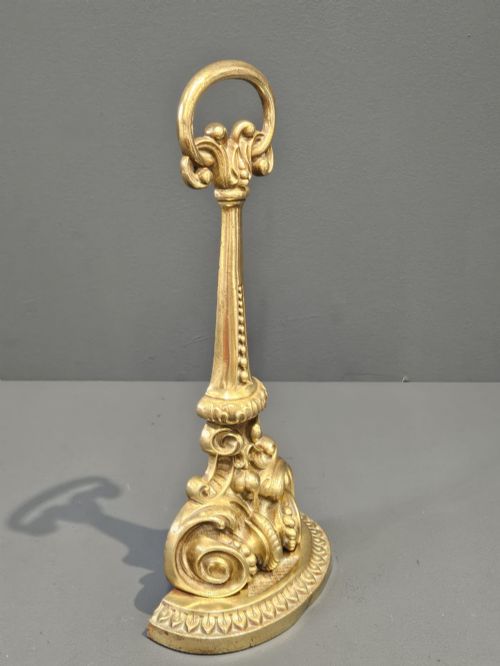
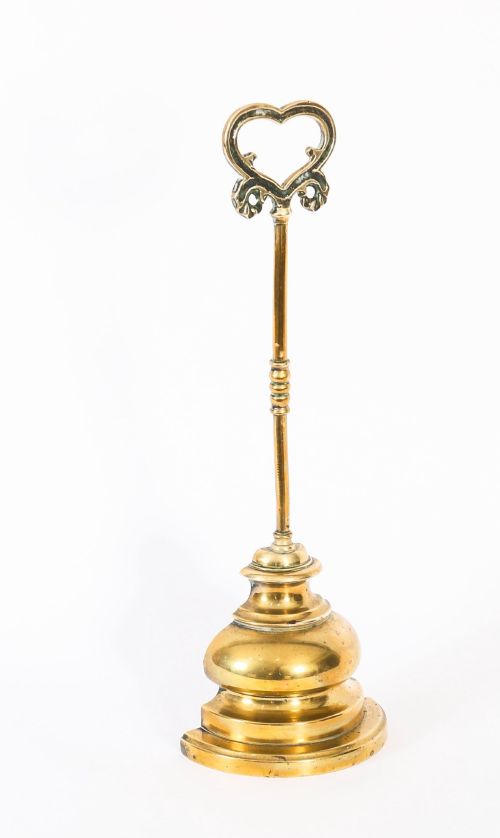
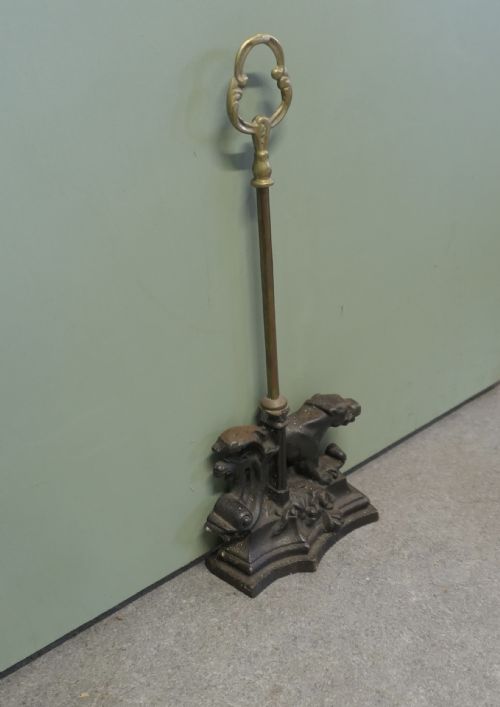
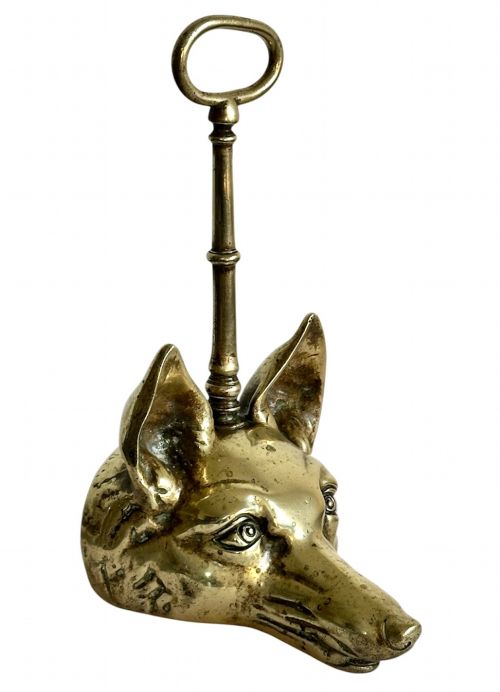
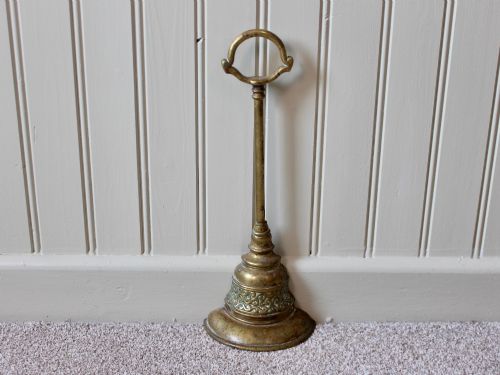
These heavy brass porter pieces are substantial doorstops designed to hold open heavy interior doors with distinct character.
Heavy Brass Porter
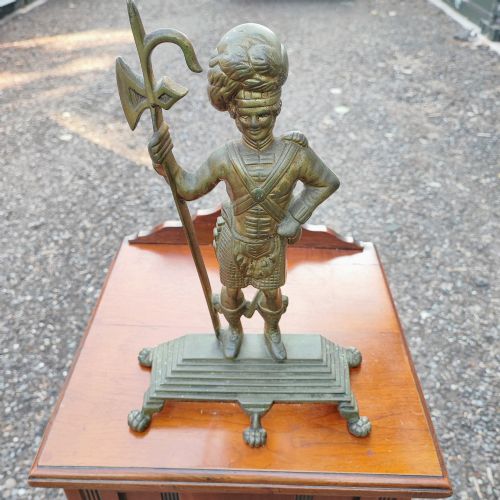
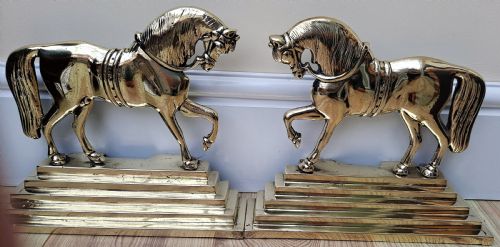
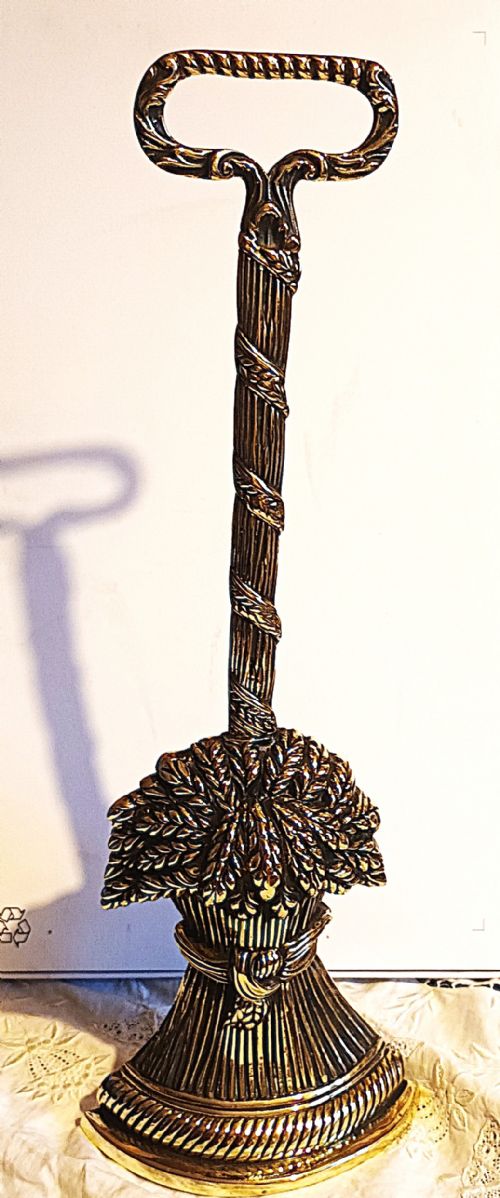
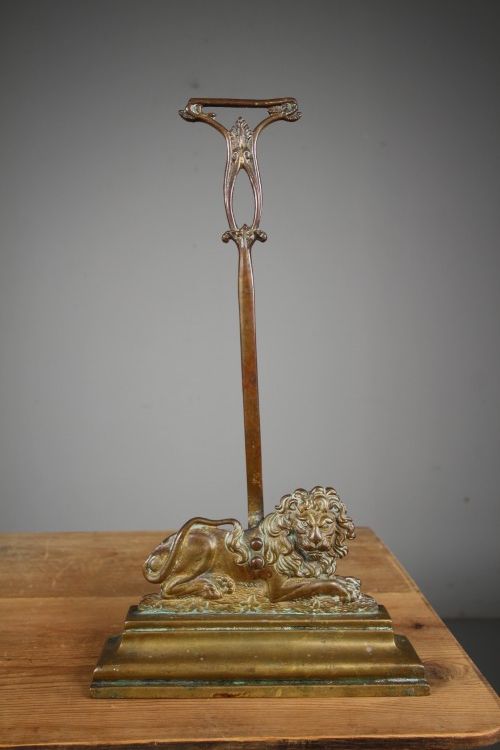
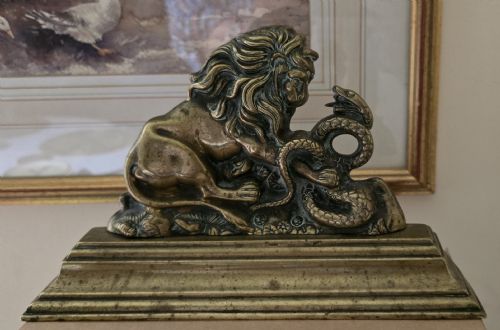
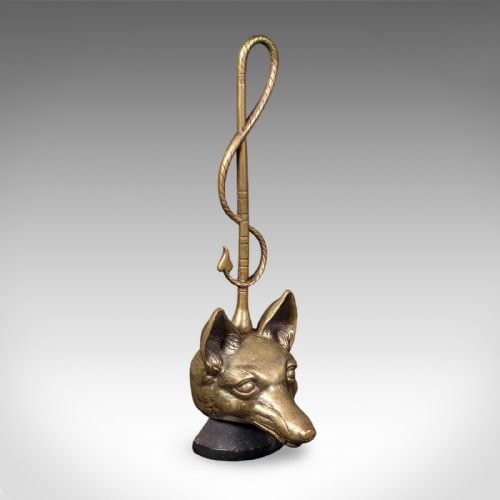
A heavy brass porter is a functional item designed to keep draughty doors open, appearing frequently in Victorian and Georgian domestic spaces. Buyers looking at this selection encounter figurative designs ranging from lions and horses to historical figures and animals, alongside classical motifs.
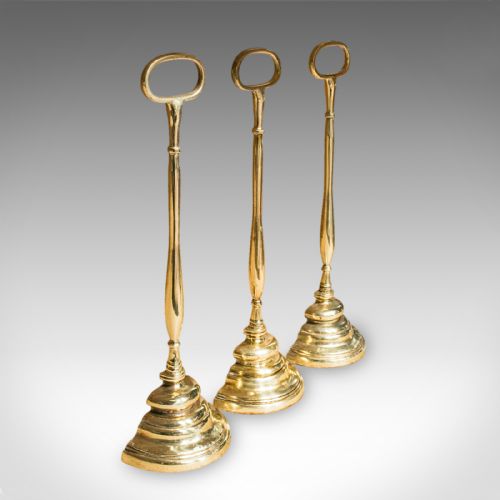
The most common forms on this page include single figures, pairs, and the occasional trio, typically cast in solid metal to provide the necessary weight. These objects function as practical room accessories while carrying decorative sculptural interest from the nineteenth and early twentieth centuries.
Originating largely from English workshops, these items reflect the tastes of country houses and urban residences alike. The forms span stylistic periods from Late Regency and Georgian through to Edwardian interpretations, maintaining utility across eras.
Manufacturing materials and techniques
Materials combined cast brass with iron and lead weighting to ensure the piece remained stable enough to hold a heavy door. Secondary metals or lead inserts provided the necessary heft without sacrificing the polished exterior appearance of the brass.
Listings feature items from the Victorian, Georgian, and Edwardian periods, utilising brass, cast iron, lead, and bronze.
Evaluating craftsmanship and detail
The choice of materials also dictates the standard of the piece, with heavier solid brass and integrated iron elements representing more substantial manufacture. Well-balanced proportions and secure handle fixings distinguish superior door porters from simpler utility items.
Tonks·William Tonks·William Tonks & Sons
The Heavy Brass Porter Glossary
- Door porter
- An alternative term for a heavy doorstop designed to be lifted by an integrated handle. These items sit on the floor rather than attaching to the door itself.
- Cast brass
- Molten alloy poured into a mould to shape decorative objects. This process produces durable items with smooth or textured surfaces.
- Chimney horse
- A specific regional or stylistic form of door porter often shaped like a horse. These items share aesthetic traits with equestrian fireplace ornaments.
- Figural
- Descriptive of items modelled in the likeness of humans, animals, or mythical creatures. Such designs dominate nineteenth-century domestic hardware.
Heavy Brass Porter: Frequently Asked Questions
How do I use a heavy brass porter?
Place the porter on the floor directly in the path of the door swing to hold it open against draughts.
The integrated handle allows you to lift and reposition the heavy mass easily with one hand.
Were these pieces used in specific rooms?
They typically served in principal reception rooms and hallways of substantial houses where heavy interior doors required control.
Their decorative figural designs ensured they contributed to the interior appearance even when not actively holding a door.
How do I date a brass door porter?
Examine the style of the casting, the subject matter, and the composition of any secondary metals like iron or lead.
Victorian and Georgian pieces often display distinct figural motifs and heavier sand-cast construction methods compared to later reproductions.
What maintenance do these brass items need?
Keep the metal clean with a soft cloth to remove dust and prevent the accumulation of grime in recessed cast details.
Avoid abrasive cleaners that can strip away the aged surface character accumulated over generations of use.