


Hand Painted Table Clock
A hand painted table clock brings together delicate painted ceramic panels, gilt metal mounts, and timekeeping in one decorative object.
Hand Painted Table Clock
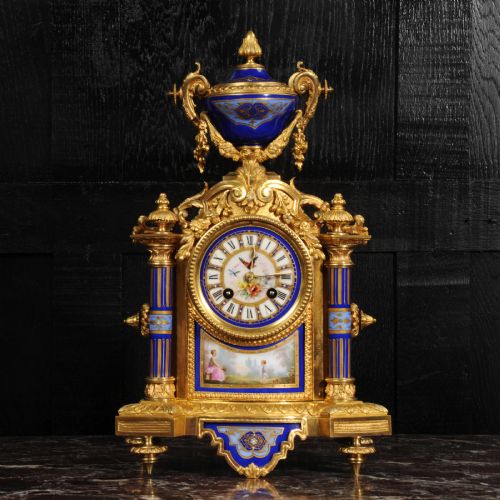
A hand painted table clock is primarily a mantel or carriage clock decorated with painted scenes, floral motifs, or panels on porcelain, ceramic, or enamel surfaces. When searching this phrase, buyers encounter a range of forms, most notably French mantel clocks and smaller boudoir or carriage timepieces.
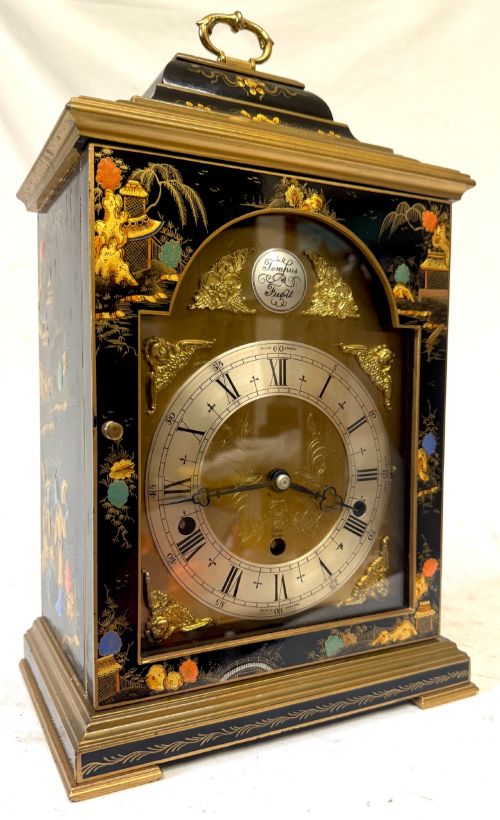
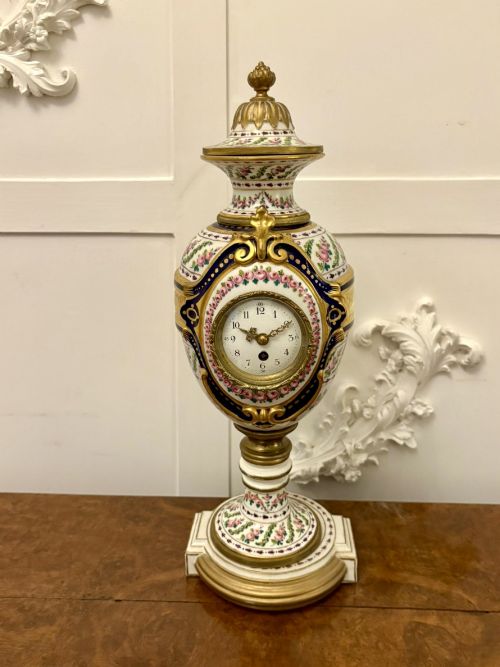
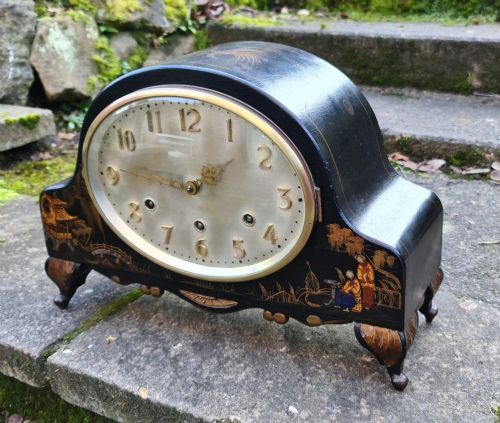
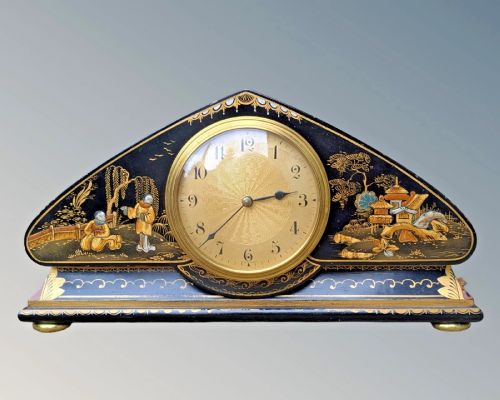
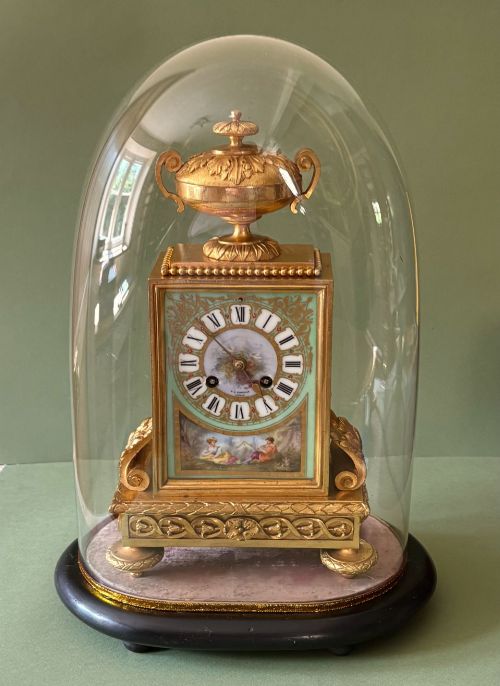
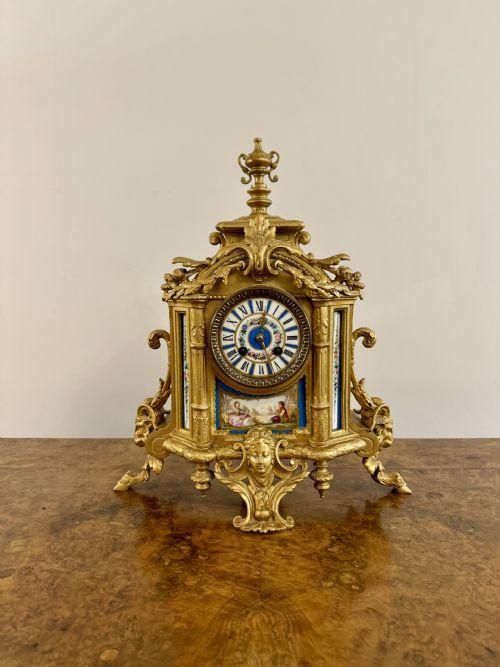
The examples recorded here span periods from the mid-nineteenth century through the early twentieth century, taking shape as urn-shaped bodies, drum heads, and crystal regulators. Many incorporate regional styles such as French Rococo Revival, Louis XVI style, and Chinoiserie lacquered wood.
How they were made
These clocks combine metalwork and ceramics, utilising brass, ormolu, gilt bronze, and alabaster for the structural cases and mounts. Dials and inset panels feature hand-painted porcelain or enamel work, sometimes paired with lacquered wood bodies in Chinoiserie designs.
Cases often display cast ornamentation in the French taste, housing mechanical clock movements that range from standard timepieces to repeating carriage mechanisms and musical trains.
Listings feature periods from 1840 to 1960, with an emphasis on nineteenth-century French gilt metal and porcelain mantel clocks.
What varies in quality
The standard of a hand painted table clock rests on the crispness of the gilt metal casting and the artistic merit of the painted ceramic panels. Finer pieces demonstrate meticulous brushwork on Sevres or similar porcelain panels, set within substantial ormolu or gilt bronze mounts rather than simpler metal alloys.
Maker attribution also divides the selection, with signed movements from established Parisian makers commanding attention alongside the decorative merits of the painted dial or case.
Japy Freres·Elliott London·PH Mourey·LE ROY & FILS LONDON & PARIS·Miroy Freres·Marti
The Hand Painted Table Clock Glossary
- Ormolu
- Gilt bronze ornamentation applied to furniture and clock cases. This technique involves gilding a mercury and bronze amalgam to create a rich golden surface.
- Sevres
- Porcelain produced by the French royal manufactory, known for fine painted panels and rich background colours. Pieces often feature distinct maker marks.
- Carriage clock
- A portable spring-driven timepiece designed for travel during the nineteenth century. They typically feature brass and glass cases with enamel dials.
- Chinoiserie
- European decorative style reflecting Chinese artistic influences. This aesthetic appears on lacquered wood clock cases decorated with painted oriental motifs.
- Crystal regulator
- A mantel clock featuring glass panels on all sides to reveal the inner movement. These pieces gained popularity in the later nineteenth century.
Hand Painted Table Clock: Frequently Asked Questions
Where were most of these clocks made?
A significant portion of these clocks originate from nineteenth-century France, particularly Paris. Workshops utilised local metal founders and porcelain painters.
Other examples reflect British production, such as London-made Chinoiserie mantel clocks and carriage timepieces.
How do I wind a mechanical table clock?
Mechanical clocks require a matching winding key to tension the internal springs or lift weights depending on the movement. You insert the key into the winding holes on the dial.
Care must be taken not to over-wind the movement, turning the key gently until resistance is felt.
What is the difference between a mantel clock and a carriage clock?
Mantel clocks are generally larger, heavier, and designed to sit permanently on a fireplace mantel or shelf. They often incorporate decorative porcelain urns or elaborate gilt bronze cases.
Carriage clocks are smaller, portable timepieces equipped with a carrying handle and glass panels designed for travel.
How do I identify the period of a hand painted clock?
Dating relies on stylistic clues, materials, and maker signatures stamped on the backplate of the movement. Mid-nineteenth-century pieces often display heavy Rococo Revival or Second Empire styling.
Later pieces from the early twentieth century introduce Edwardian Chinoiserie finishes and simpler geometric wood cases.