


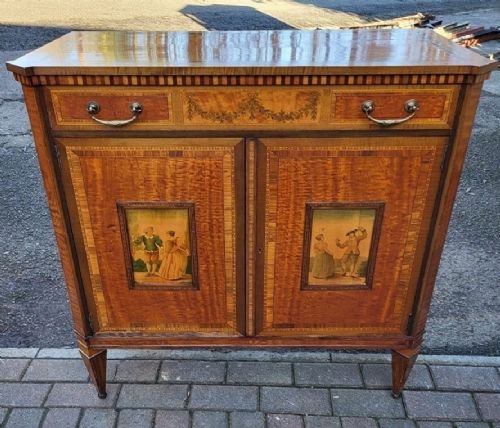


Hand Painted Satinwood Furniture
Hand painted satinwood furniture brings light, neoclassical grace to a room through delicate floral motifs and fine timber.
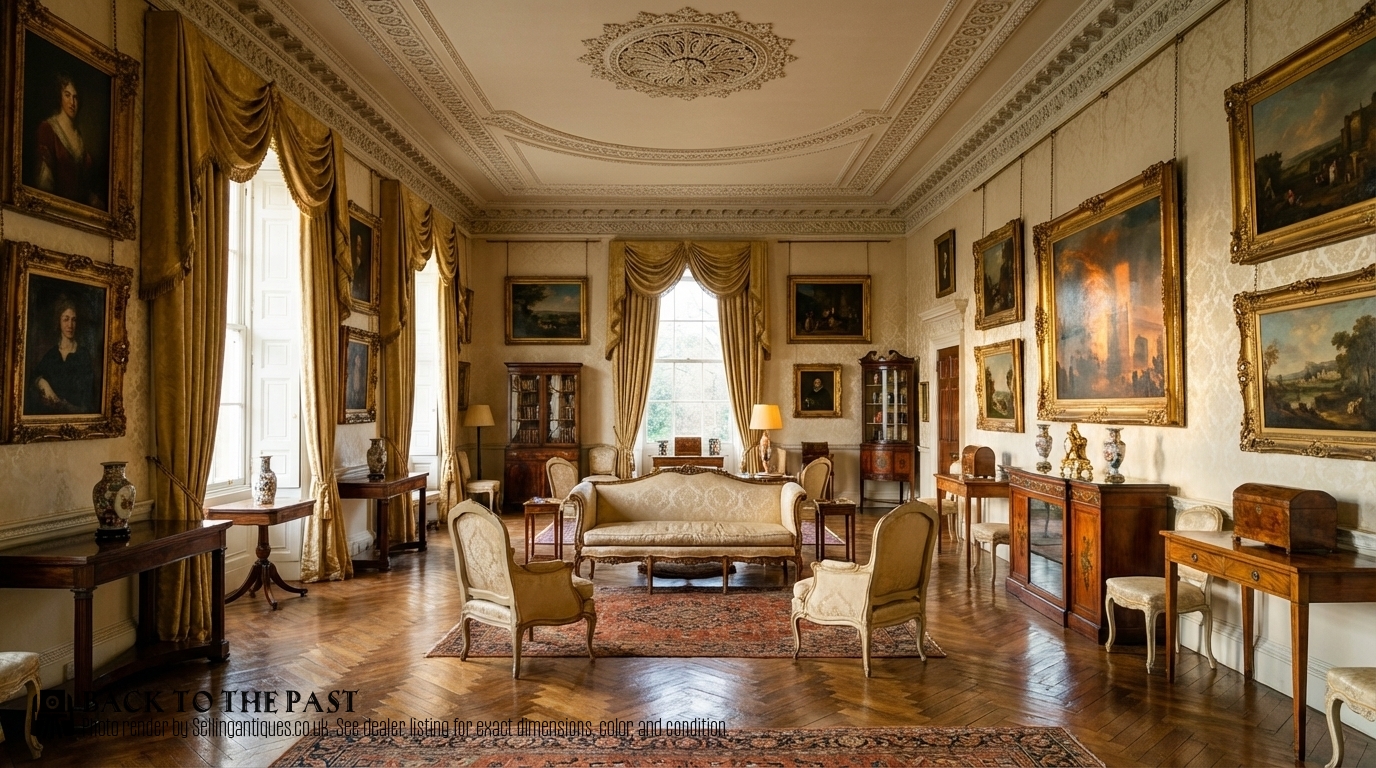
Hand Painted Satinwood Furniture
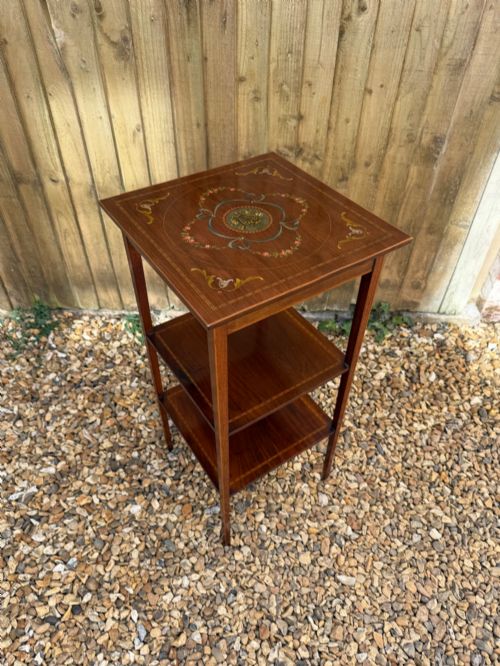
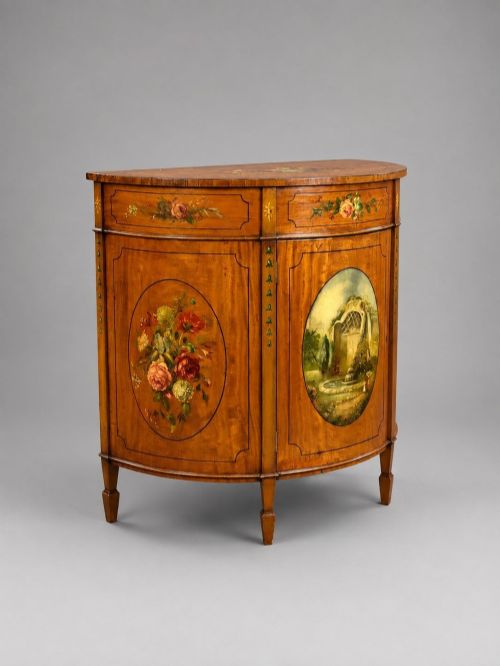
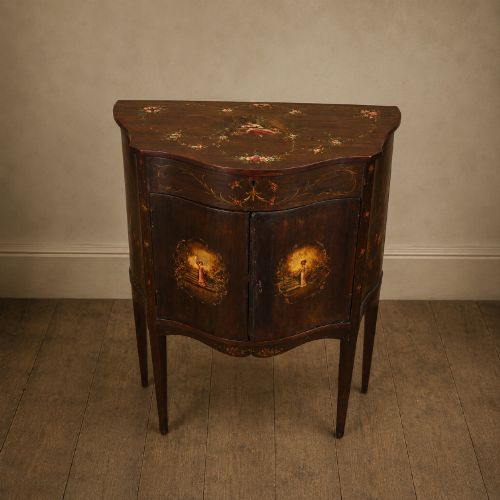
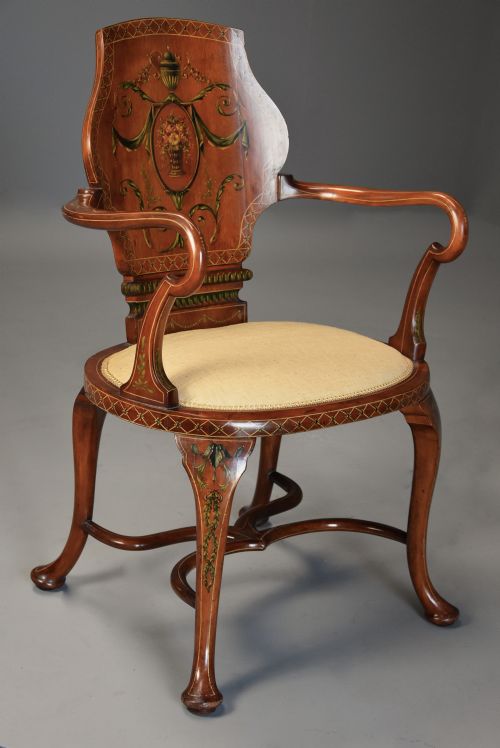
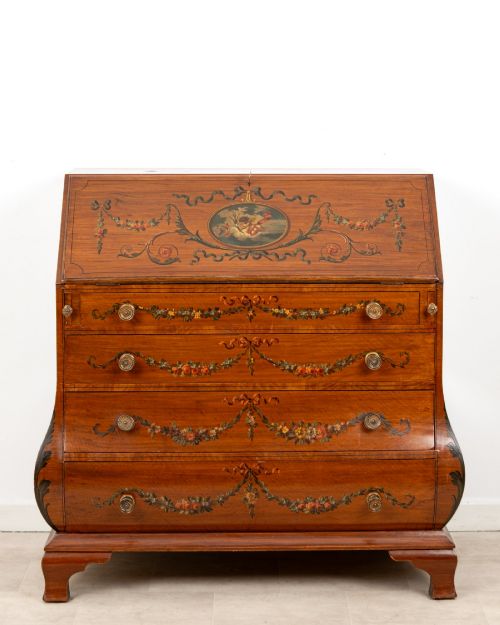
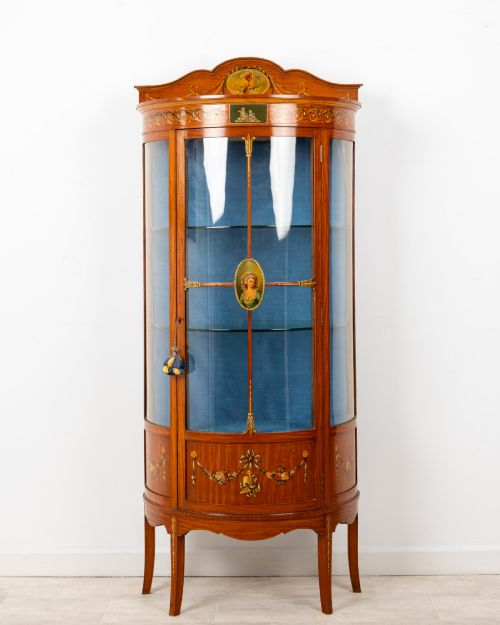
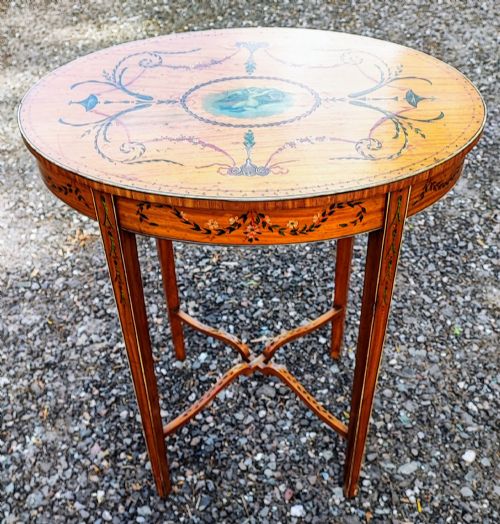
When you search for hand painted satinwood furniture, you encounter pieces intended for refined principal rooms and private chambers alike. The selection includes side cabinets, writing desks, occasional tables, and display cabinets created during the Georgian, Victorian, and Edwardian eras. Sheraton Revival and Adam Revival styles dominate, reflecting a sustained fascination with eighteenth-century neoclassical elegance.
Edwardian pieces and late nineteenth-century items appear most frequently on this page. These later works often adopt the lighter proportions of the Georgian period, combining satinwood veneers with painted floral swags, ribbons, and classical figures. Alongside cabinets and desks, smaller forms such as kettle stands, bookstands, and occasional tables emerge regularly.
How they were made
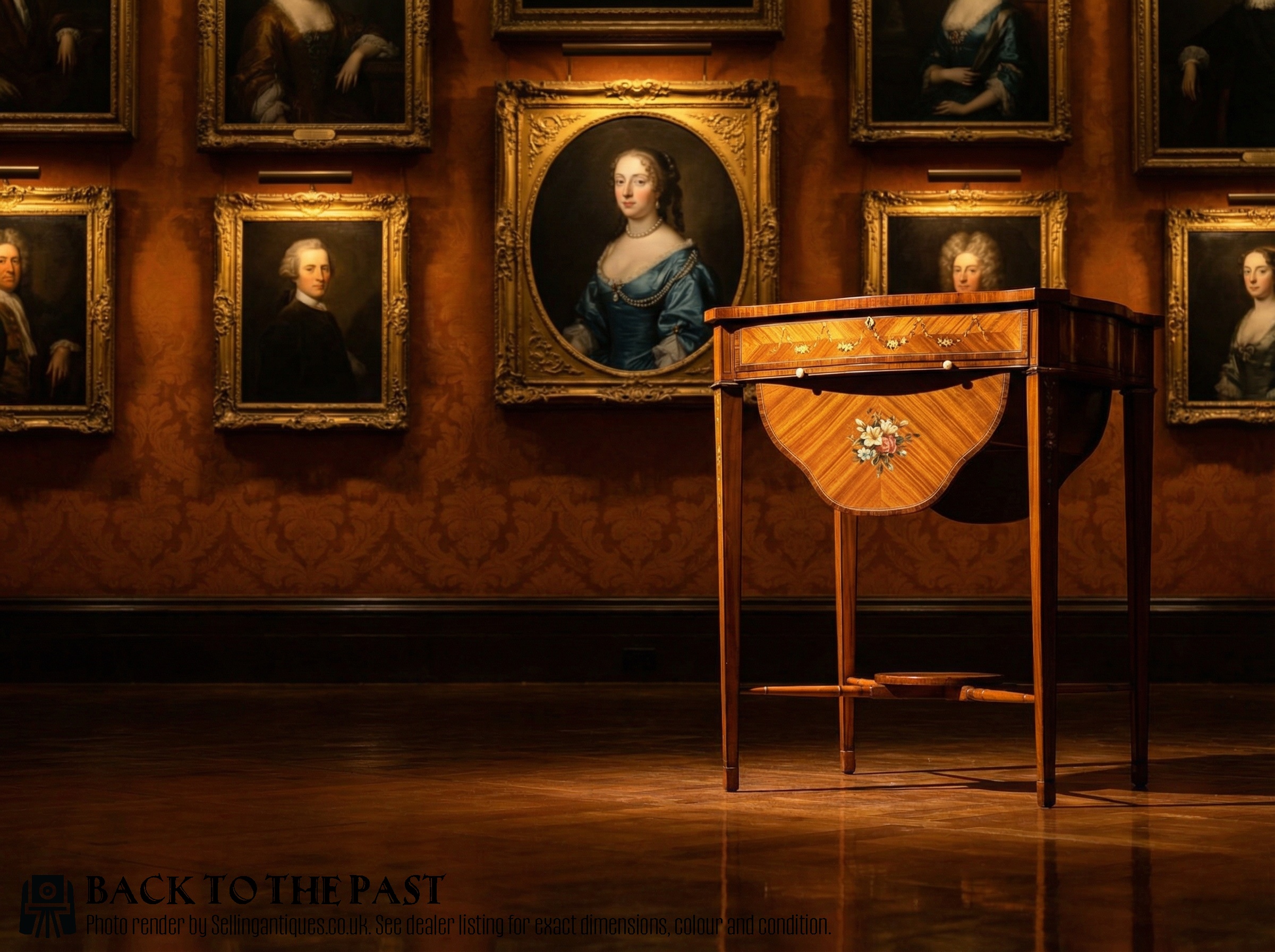
Cabinet makers utilised satinwood as a primary timber or a fine veneer over supporting woods like mahogany, creating a pale, lustrous ground that took pigment well. Craftsmen applied delicate hand-painted decoration directly onto the wood surface, often framing panels and drawers with contrasting inlay bands, brass mounts, or stringing.
Makers integrated various secondary materials to complete each piece, incorporating glass for vitrine doors, leather inserts for writing surfaces, and fabric linings for display interiors. Painted timber and maple structures also support the lighter satinwood exteriors, maintaining structural stability while preserving a bright, decorative surface aesthetic.
Hand Painted Satinwood Furniture Retail Price Guide 2026
Typical asking prices for hand painted satinwood furniture among the pieces listed under this phrase on Sellingantiques today, from the lower quarter to the upper quarter. They describe what is for sale here now, not the wider market.
Even the household kettle found itself elevated, appearing on delicate satinwood stands designed to keep tea-time properly poised.
What varies in quality
The distinction between standard production and exceptional execution rests in the finesse of the painted decoration and the precision of the cabinet work. Superior items display crisp, detailed brushwork in the floral and classical scenes, whereas lesser pieces rely on repetitive, heavy-handed stencilling.
The choice of timber grain and the intricacy of the inlay further separate grades of manufacture. Workshops known for high-end production balanced rich satinwood veneers with harmonious proportions, ensuring that the decorative painting complemented rather than overwhelmed the underlying grain.
Maple and Co
The Hand Painted Satinwood Furniture Glossary
- Satinwood
- A dense, yellowish-brown tropical hardwood prized for its reflective, chatoyant grain that resembles satin. It serves as the principal decorative veneer on many revival-period desks and cabinets.
- Sheraton Revival
- A late nineteenth-century design movement inspired by the neoclassical furniture of Thomas Sheraton. Pieces in this style typically feature slender tapered legs, satinwood veneers, and painted floral ornamentation.
- Carlton House Desk
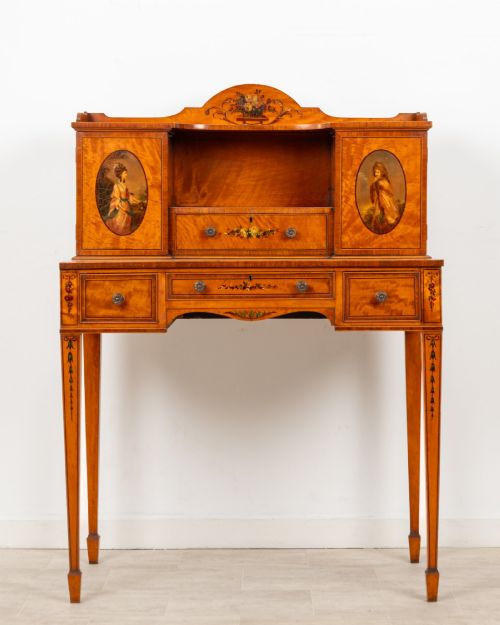
- A distinctive type of writing table featuring a curved superstructure of small drawers and compartments enclosing the rear and sides of the writing surface. The configuration provides extensive pigeonholes while maintaining a compact footprint.
- Demi-Lune
- A half-moon shape used for the top and base of side cabinets and console tables. This curved form allows the piece to sit flush against a wall while offering a softer profile than a rectangular unit.
- Vitrine
- A glass-fronted display cabinet designed for the presentation of porcelain, books, or curiosities. The glazed panels protect the contents while showcasing the painted satinwood frame.
Hand Painted Satinwood Furniture: Frequently Asked Questions
What is a Carlton house desk?
A Carlton House desk is a sophisticated writing table featuring a curved, horseshoe-shaped superstructure fitted with numerous small drawers and compartments. This layout keeps correspondence and writing implements organised within easy reach.
First appearing in the eighteenth century, the form returned to popularity during the Edwardian and Victorian revivals. They are typically executed in satinwood with painted floral details and fine inlay work.
How do I care for satinwood furniture?
Satinwood benefits from placement away from direct sunlight and strong heat sources, which can dry out the timber and fade the delicate painted decoration. Regular dusting with a soft, dry cloth maintains the surface sheen without damaging the pigments.
Avoid using modern silicone sprays or heavy liquid polishes, as these can penetrate vulnerable painted areas and soften the varnish. A micro-layer of quality wax applied sparingly preserves the timber and the hand-painted details.
What is the difference between Sheraton and Adam revivals?
Sheraton Revival pieces draw inspiration from the light, elegant furniture designs of the late eighteenth century, frequently incorporating satinwood, tapered legs, and painted urns or floral swags. They prioritise domestic utility and a graceful, slender profile.
Adam Revival furniture leans towards a stricter neoclassical architectural symmetry, often referencing ancient Roman motifs and heavy symmetry. While both styles utilise painted satinwood surfaces, Adam revival forms tend to feel more formal and monumental.
Where were these pieces used originally?
These decorative items were designed principally for principal reception rooms, ladies' boudoirs, and refined drawing rooms. Writing desks and Pembroke tables served functional daily needs in private studies, while display cabinets showcased family collections.
Their bright satinwood surfaces and painted motifs were intended to catch natural light in well-appointed urban townhouses and country residences alike, adding an air of polished refinement to the interior.