
Hand Painted Lacquered Table
A hand painted lacquered table brings decorative narrative and polished depth to a room, drawing on centuries of global design traditions.
Hand Painted Lacquered Table
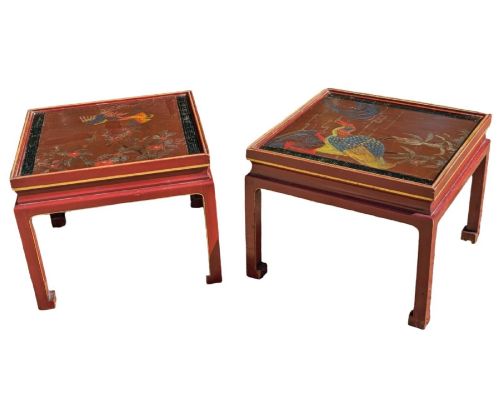
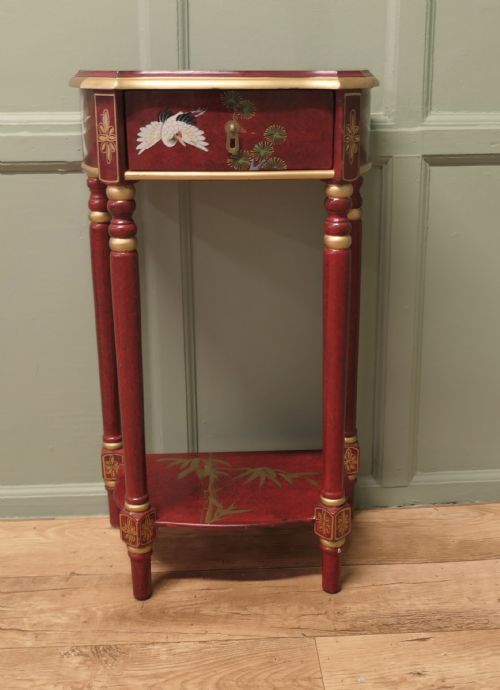
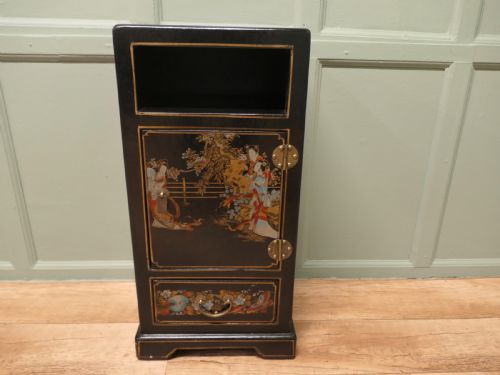
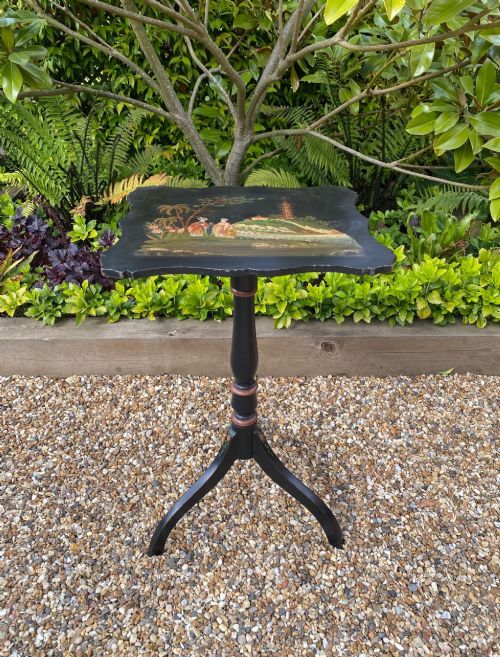
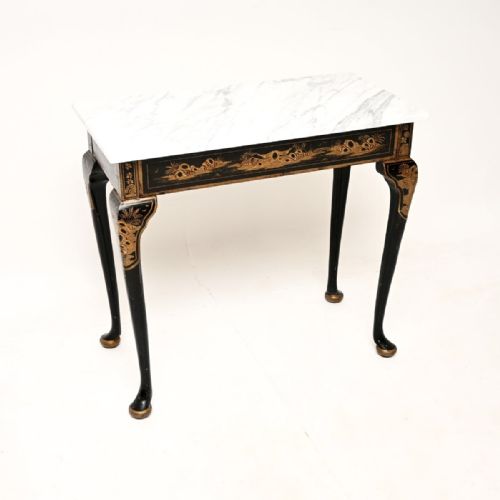
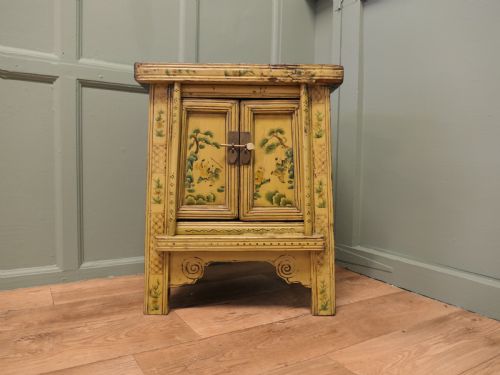
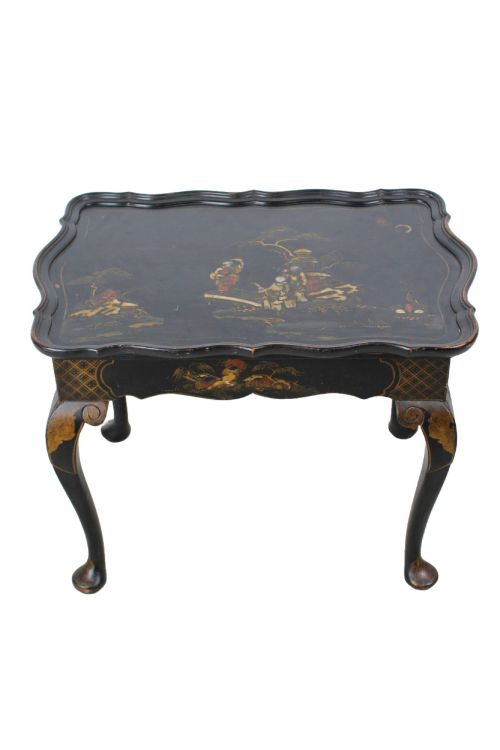
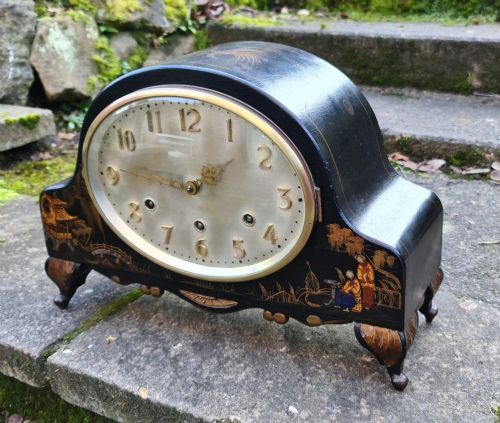
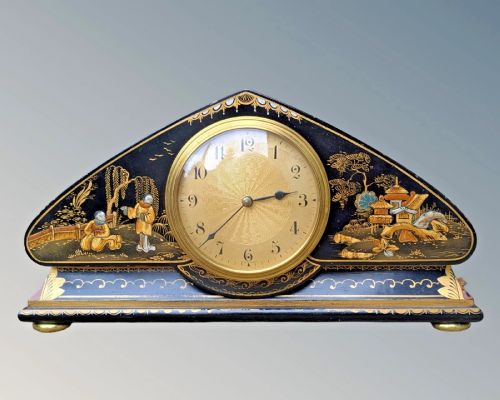
When searching for a hand painted lacquered table, you encounter furniture originating from diverse stylistic traditions, predominantly featuring Chinoiserie and Kashmiri workmanship. These items span periods from the Georgian and Victorian eras through the Edwardian years and the early twentieth century.
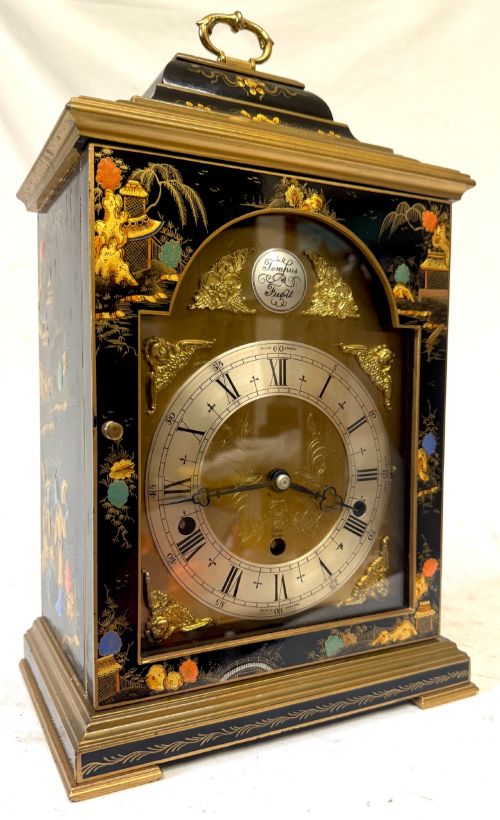
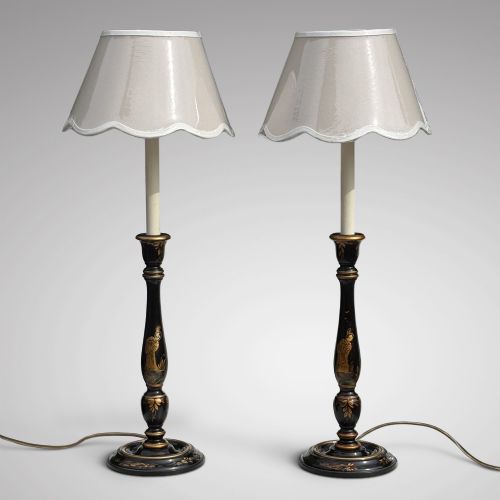
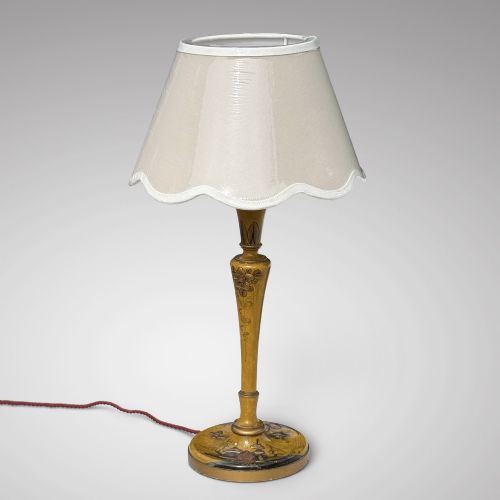
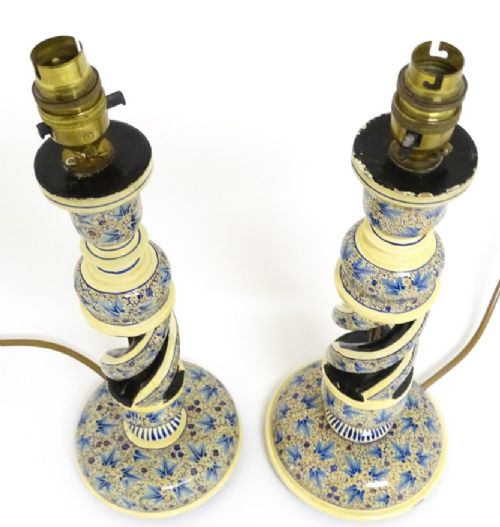
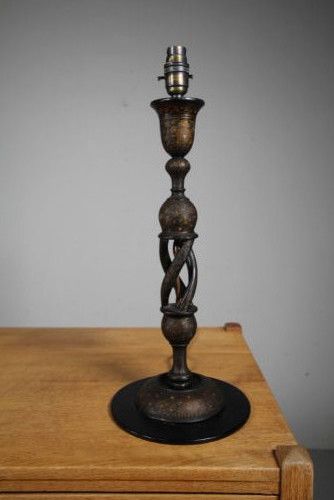
The selection on this page most commonly includes occasional tables, side tables, coffee tables, and dressing tables, alongside related forms like table lamps and cabinets. Surfaces typically display intricate hand-painted scenes rendered in gilt and polychrome pigments over prepared wooden bases.
How they were made
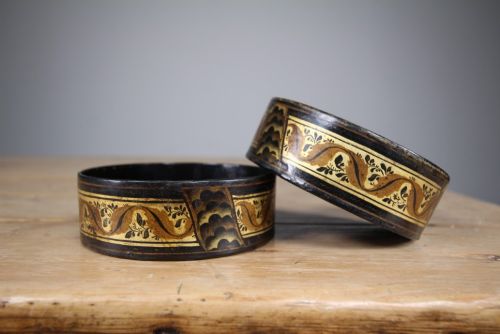
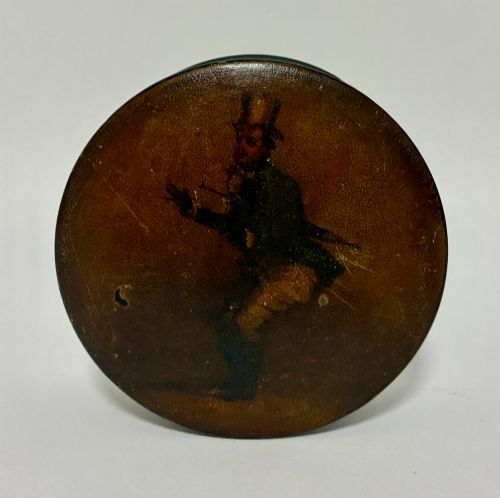
Maker workshops utilised traditional joinery in woods such as oak and pine, preparing surfaces with multiple layers of lacquer or papier-mâché before applying detailed pictorial schemes. Artisans then built up designs using gold leaf, gilt, and contrasting pigments like red, cream, ochre, and black.
Finishing involved repeated polishing to achieve a smooth, resilient sheen that protects the underlying painted decoration. Brass and glass components occasionally supplemented the primary wooden and lacquered structures.
Listings feature items spanning the Georgian, Victorian, and Edwardian periods, constructed from wood, lacquer, and papier-mâché.
What varies in quality
Quality differences emerge in the finesse of the brushwork and the depth of the lacquer finish, where skilled hands produce intricate landscapes and figures with distinct perspective. Superior examples maintain crisp detail in the gilding and stable adherence between the lacquer layers and the timber substrate.
The integrity of the structural form and the preservation of the original painted surface significantly influence the character of each piece. Later restorations or heavy wear alter the visual harmony of the hand-painted narrative.
The Hand Painted Lacquered Table Glossary
- Chinoiserie
- European decorative style reflecting Chinese artistic motifs, popular in furniture and lacquerwork across various centuries. It often incorporates pavilions, figures, and botanical elements.
- Lacquer
- A durable resin finish applied in multiple coats and polished to a hard gloss. It serves as both a protective coating and a canvas for painted decoration.
- Japanned
- European imitation of Asian lacquerwork, utilising japanning techniques with varnish and painted scenes. It appears frequently on English furniture from the eighteenth century onwards.
- Papier-mâché
- A composite material made from paper pulp or layers of paper bound with glue, moulded and dried for decorative objects. It provides a lightweight base for lacquer and paint.
- Toleware
- Enamelled or lacquered metalware, typically tinplate, decorated with painted scenes. It shares decorative finishes with contemporary wooden lacquer pieces.
Hand Painted Lacquered Table: Frequently Asked Questions
How do I clean a lacquer table?
Dust the surface gently with a soft, dry microfiber cloth to prevent scratching the polished finish.
Avoid using water, chemical sprays, or abrasive cleaners, as moisture and harsh agents degrade historical lacquer layers.
Are these tables suitable for daily use?
Occasional tables and coffee tables handle light everyday placement, but moisture and heat require careful management.
Use coasters and protective mats to shield the delicate hand-painted lacquer from rings and scratches.
How do I distinguish Victorian from Edwardian pieces?
Victorian examples often display heavier proportions and darker, richer background tones with traditional gilt detailing.
Edwardian pieces frequently embrace lighter palettes, such as cream or ochre grounds, reflecting more delicate revival styles.
What is Kashmiri lacquerwork?
Kashmiri pieces originate from the Kashmir region, known for intricate painted floral and botanical patterns on wood or papier-mâché.
These items utilise vibrant polychrome pigments and distinct regional motifs that differ from East Asian or European Chinoiserie.