



Antique Opium Table
An antique opium table brings low-slung, substantial timber to a modern room, offering centuries of craftsmanship in a compact, floor-level form.
Antique Opium Table
An antique opium table sits low to the floor, originating from the domestic interiors and traditions of Qing Dynasty China. These pieces function today primarily as coffee tables, bringing a distinct horizontal proportion and gathered presence to a living space.
Most examples found here date from the nineteenth century into the early twentieth century, constructed as low tables, kang tables, or occasionally small chests. Their low stature and sturdy timber frames suit contemporary seating arrangements while maintaining their traditional character.
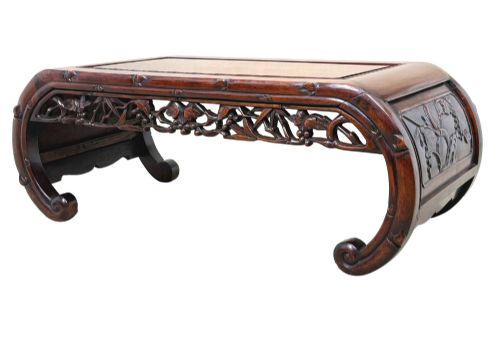
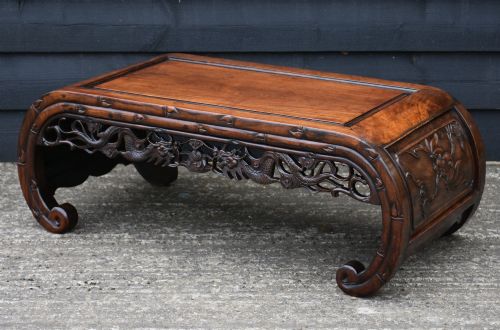
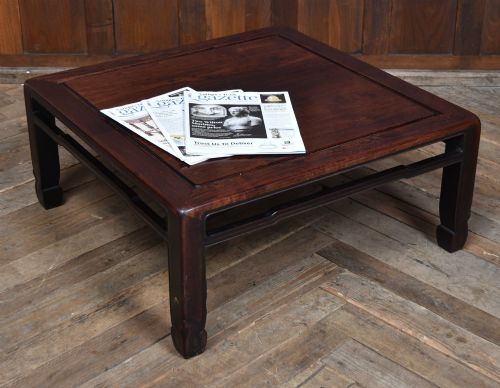
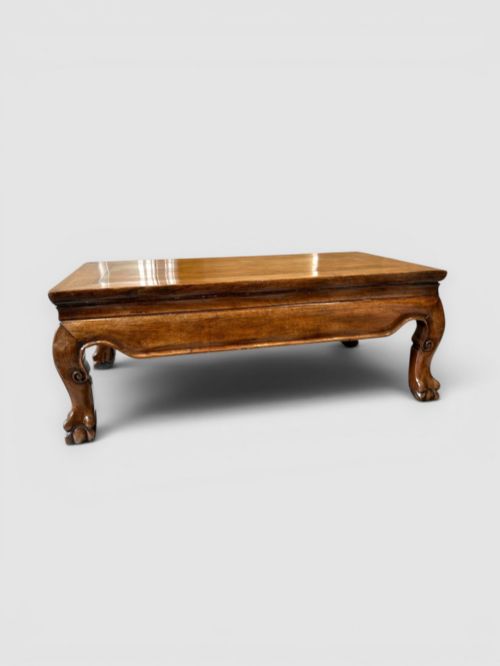
The form varies from plain rectangular timber surfaces to pieces with carved scroll ends, dragon details, or rich red lacquer. Buyers meet everything from simple hardwood boards to carved rosewood and padouk variants.
Judging quality in low tables
Quality rests in the selection of the timber and the crispness of the carving, particularly on scroll ends and apron details. Dense rosewood or padouk examples display a finer grain and heavier weight than simpler elm or mixed timber pieces.
The integrity of the lacquer and the joinery define the upper tier of these tables. Well-preserved pigment layers and confident hand-carved elements distinguish workshop pieces made for discerning households from utilitarian domestic furniture.
Antique Opium Table Retail Price Guide 2026
Typical asking prices for opium table among the pieces listed under this phrase on Sellingantiques today, from the lower quarter to the upper quarter. They describe what is for sale here now, not the wider market.
Some tables were built small enough to sit on a bed, proving that breakfast in bed is an ancient concept.
The Antique Opium Table Glossary
- Kang table
- A low platform table traditionally used on a heated brick bed in northern Chinese homes. These share the same low proportions sought after in modern coffee tables.
- Scroll-end
- A decorative treatment where the short edges of the tabletop curve outward and upward in a formal scroll shape. This stylistic flourish appears frequently on late nineteenth-century Qing Dynasty examples.
- Padouk
- A heavy, durable tropical hardwood with a dense grain and warm reddish-brown tone. Cabinetmakers favoured it for its strength and polished finish.
- Huali
- A traditional Chinese term for certain fragrant hardwoods, particularly rosewood varieties. It denotes timber prized for its rich figure and natural lustre.
- Lacquer
- A natural resin finish applied in multiple layers to seal and decorate wood surfaces. It often appears in red or black pigments on traditional Chinese furniture.
Antique Opium Table: Frequently Asked Questions
How do I use an antique opium table today?
These pieces work exceptionally well as low coffee tables in front of modern sofas, creating a grounded focal point in a living room. Their modest height keeps sightlines open across the room while providing a stable surface for books and daily objects.
Because they sit close to the floor, they also function nicely in bedrooms or casual sitting areas as display platforms for ceramics or plants. Their compact footprint allows them to fit comfortably into spaces where standard coffee tables feel too bulky.
What is the difference between a kang table and an opium table?
A kang table specifically refers to low furniture designed to sit upon a heated domestic sleeping platform in traditional Chinese architecture. In modern usage, the terms often overlap as dealers and collectors describe the same low-profile furniture form.
Both types share sturdy timber construction and minimal height, though kang tables frequently feature distinctive scroll ends or recessed legs. Neither designation alters the practical use of the piece in a contemporary home.
How do I date an antique opium table?
Dating relies on observing the timber species, tool marks, joinery methods, and surface finish. Nineteenth-century pieces typically show hand-wrought construction details and patinated hardwood surfaces that differ from later reproductions.
Stylistic cues such as Qing Dynasty carving patterns and the condition of the lacquer or mineral pigment provide further chronological context. Examining the underside and interior joints often reveals the age of the timber and workshop practices.
Are these tables made of solid wood?
Yes, traditional low tables are constructed entirely from solid timbers such as rosewood, padouk, elm, or mixed oriental hardwoods. Cabinetmakers relied on heavy, dense woods to ensure structural integrity without needing excessive thickness in the legs.
This solid construction allows the wood to develop a deep, natural patina over generations of handling and polishing. Even lacquered examples feature a solid timber core beneath the pigment layers.