
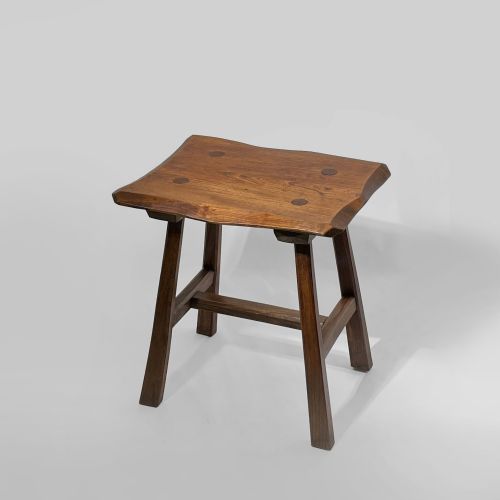


Vintage Chinese Low Table
These vintage chinese low table pieces are low-slung, sturdy timbers designed for sitting close to the floor, offering a practical surface with a distinct historical footprint.
Vintage Chinese Low Table
A vintage chinese low table brings a low profile and grounded presence to a room, functioning primarily as a coffee table, low kang surface, or informal display piece. These low platforms originate from various periods including the nineteenth century, Edwardian era, and early twentieth century.
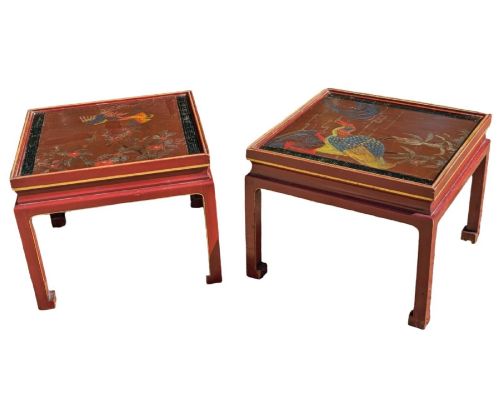
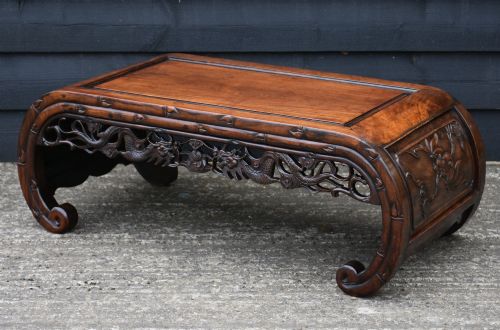
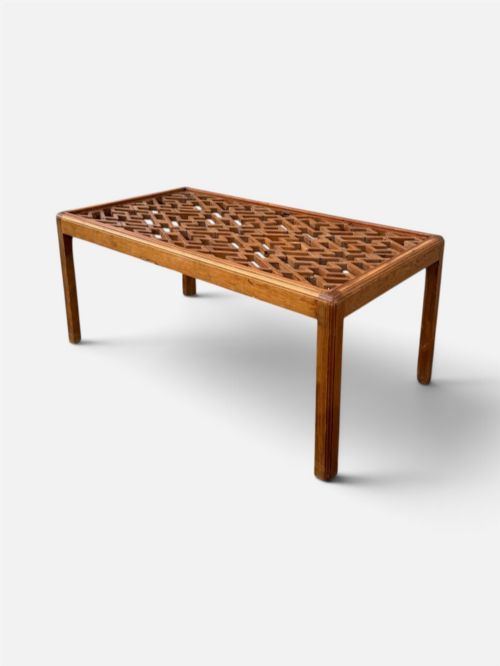
The selections available lean heavily into robust forms like the traditional opium table, rustic elm stools repurposed as surfaces, and lacquer finishes featuring raised relief or gilt detailing. Buyers frequently encounter solid timber constructions alongside pieces integrating antique fretwork panels topped with glass.
Stylistically, the range spans from rustic vernacular country pieces to ornate Qing Dynasty inspired rosewood designs and export Chinoiserie. Each object serves as a low surface that anchors a modern living space with traditional Asian craftsmanship.
Materials and construction methods
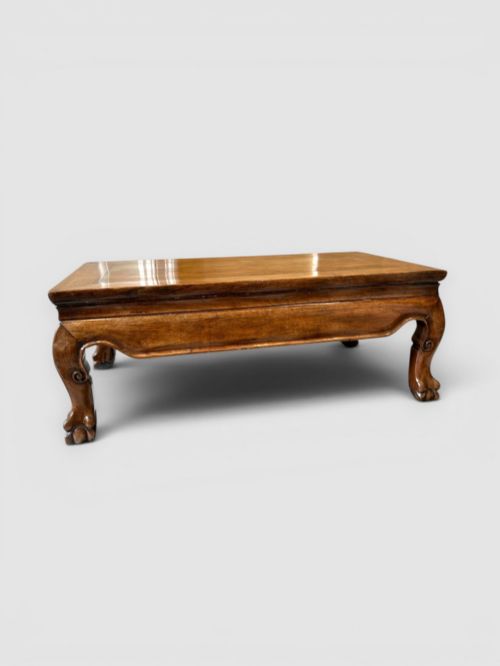
Makers relied heavily on dense Asian hardwoods such as rosewood, elm, and hongmu to construct durable frames capable of withstanding daily use. These timbers were frequently joined using traditional techniques that prioritised structural integrity without relying on modern metal fasteners.
Surfaces received careful attention through the application of deep lacquer, black and gilt decoration, or soapstone accents. Carved dragon details and raised relief panels added textural depth to the wood and lacquer work.
Periods represented on the page stretch from nineteenth-century rustic pieces through Edwardian Chinoiserie creations to mid-century examples.
Assessing quality in construction and finish
Quality rests in the density and selection of the timber, where heavily figured rosewood or dense old-growth elm commands greater appreciation than softer utility woods. The weight of the piece often signals the substance of the underlying joinery.
Carving execution separates standard items from finer works, visible in the sharpness of dragon motifs and the precision of fretwork panels. Lacquer work too shows variation in the depth of finish and the crispness of applied gilt details.
The Vintage Chinese Low Table Glossary
- Kang table
- A low platform table traditionally placed upon a heated brick bed in northern China for dining and resting. These now serve effectively as low coffee tables in contemporary settings.
- Hongmu
- A generic Chinese term translating to red wood, used to describe dense, dark hardwoods like rosewood. It forms the structure of many high-status antique tables.
- Chinoiserie
- European interpretation and imitation of Chinese artistic traditions and motifs, popular in furniture decoration during the Edwardian and mid-century periods. It often employs black lacquer and gold paint.
- Fretwork
- Ornamental perforated or cutout woodwork forming geometric or lattice patterns. Antique panels of this type are sometimes repurposed beneath glass table tops.
- Jardiniere
- A decorative stand or pot designed to hold plants and flowers. These taller stands share stylistic timber characteristics with lower tables.
Vintage Chinese Low Table: Frequently Asked Questions
How were low tables used originally?
These low surfaces were placed directly on the floor or upon heated platforms for serving tea, sharing meals, and holding scrolls or smoking implements. People sat on cushions or mats around them.
Today, their height translates well to modern living rooms as low coffee tables placed beside contemporary seating, maintaining a low visual horizon.
What is a kang table?
A kang table is a specific form of low furniture designed to sit upon the traditional brick sleeping platform found in northern Chinese homes. They provided a stable surface for daily domestic activities.
Their compact proportions and sturdy legs make them ideal for modern homes seeking a distinct coffee table with historical provenance.
How do I care for a lacquered surface?
Lacquered tables require protection from direct sunlight and excessive heat, which can cause the finish to dry out or crack over time. Dust gently with a soft, dry cloth rather than using harsh chemical polishes.
Many examples pair delicate lacquer or glass tops with robust wooden frames, meaning sensible placement away from high-traffic zones preserves the finish.
How do I distinguish rustic elm from rosewood?
Rustic elm displays a visible, open grain with a paler, earthy tone that suits vernacular and country interiors. It often shows the marks of age and simpler utilitarian construction.
Rosewood and hongmu present a much heavier, denser timber with a dark red or brown hue and a fine grain capable of holding sharp, intricate carvings.