






Lacquered Wood Tea Table
A lacquered wood tea table brings rich surface and deep historical craft into a room, offering both practical function and distinct visual presence.
Lacquered Wood Tea Table
When you search for a lacquered wood tea table, you encounter a diverse range of forms spanning multiple centuries and global origins. These pieces function as side tables, coffee tables, occasional tables, and nests of tables designed for domestic use.
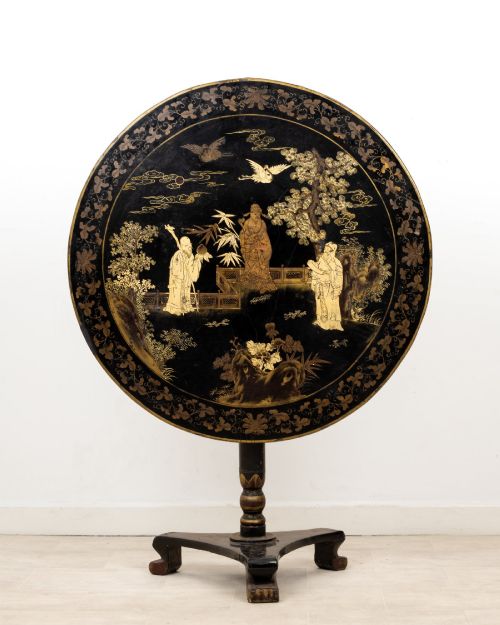
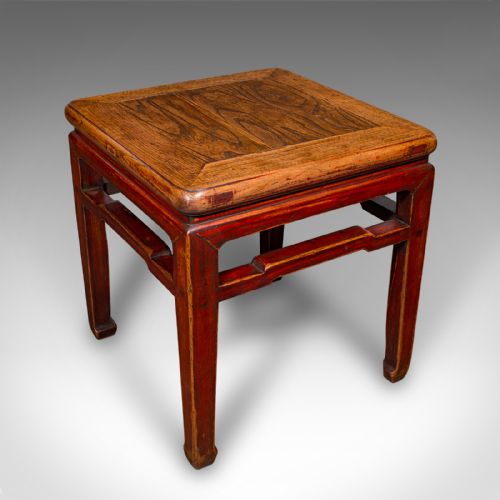
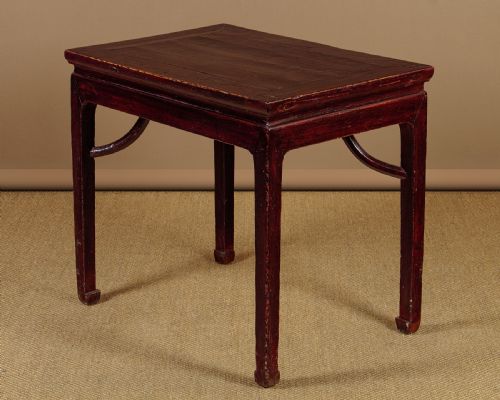
The selection includes English Sheraton pieces alongside Chinese provincial and traditional works, Japanese Meiji examples, Burmese colonial items, and Kashmiri designs. You are most likely to meet low coffee tables, tilt-top occasional pieces, and side tables finished in black, red, or ebonised lacquer.
Periods represented stretch from the eighteenth century through the Victorian era into the early twentieth century. Each origin brings its own distinct proportion and decorative vocabulary to the domestic setting.
How they were made
Construction relies upon solid timbers such as elm, mahogany, and satinwood as the underlying structural support. Woodworkers shaped these materials into stable frames suited for daily use in entertaining and serving.
Surfaces received coats of lacquer, often enhanced with gold leaf, mineral pigment, or glazing techniques. Artisans applied traditional decorative schemes including Chinoiserie motifs to create durable and lustrous finishes.
Materials recorded across the current inventory include elm, mahogany, satinwood, gold leaf, and mineral pigment.
What varies in quality
The standard of execution in the lacquerwork dictates the visual impact of the piece. Crisp application of gold leaf and detailed surface decoration separate finer examples from simpler provincial items.
Timber selection and structural joinery also determine the durability of the table. Cabinetmakers who used seasoned woods and precise joints produced pieces that retain their stability across centuries.
The Lacquered Wood Tea Table Glossary
- Lacquered wood
- Timber finished with multiple coats of resin or varnish to produce a hard, smooth surface. This treatment protects the underlying wood while providing a canvas for painted or gilt ornamentation.
- Tilt-top table
- An occasional table with a hinged top that pivots to a vertical position when not in use. This mechanism allowed the furniture to stand against a wall to save floor space.
- Nest of tables
- A set of graduated tables designed to fit neatly one beneath another. They provide flexible surface space that can be expanded as needed during tea service.
- Parcel gilt
- Partial application of gold leaf or gilt highlights to specific carved or raised details. This technique emphasises decorative elements against a contrasting painted background.
Lacquered Wood Tea Table: Frequently Asked Questions
How do I use a lacquered wood tea table today?
These tables work well as low coffee tables in sitting rooms or as occasional side surfaces beside seating. Their finished tops provide durable areas for everyday objects while adding historical character.
Keep them away from direct heat sources and strong sunlight to protect the surface finish. Use coasters to prevent moisture marks on the antique lacquer.
What is the difference between Chinese and English styles?
English pieces often follow Sheraton or Regency proportions using mahogany or satinwood with Chinoiserie decoration. Chinese examples frequently utilise elm and feature provincial forms or traditional cinnabar and red lacquer finishes.
Both traditions employ lacquer techniques, but the underlying cabinetmaking reflects distinct regional aesthetics and joinery methods.
How should I clean and care for lacquer?
Dust the surface regularly with a soft, dry cloth to prevent particle buildup. Avoid harsh chemical cleaners or abrasive pads that can scratch the delicate lacquer layers.
Maintain stable indoor humidity levels to prevent the underlying wood from expanding or contracting, which can stress the surface finish.
How do I date an antique tea table?
Examine the timber species, construction joinery, and wear patterns on the feet and edges. Eighteenth-century pieces display distinct hand-tool marks and period-specific proportions compared to Victorian or early twentieth-century examples.
Stylistic cues such as Sheraton design elements or Meiji period characteristics help place the piece within its historical era.